

For nearly two decades, Peter Adeney—better known to the world as Mr. Money Mustache—has been the unofficial architect of the Financial Independence, Retire Early (FIRE) movement. His philosophy, rooted in extreme frugality, high-yield investing, and the rejection of consumerist defaults, transformed the lives of thousands. However, in recent years, the "Mustachian" dogma has faced a unique challenge: the transition from accumulation to living a life of "controlled abundance."
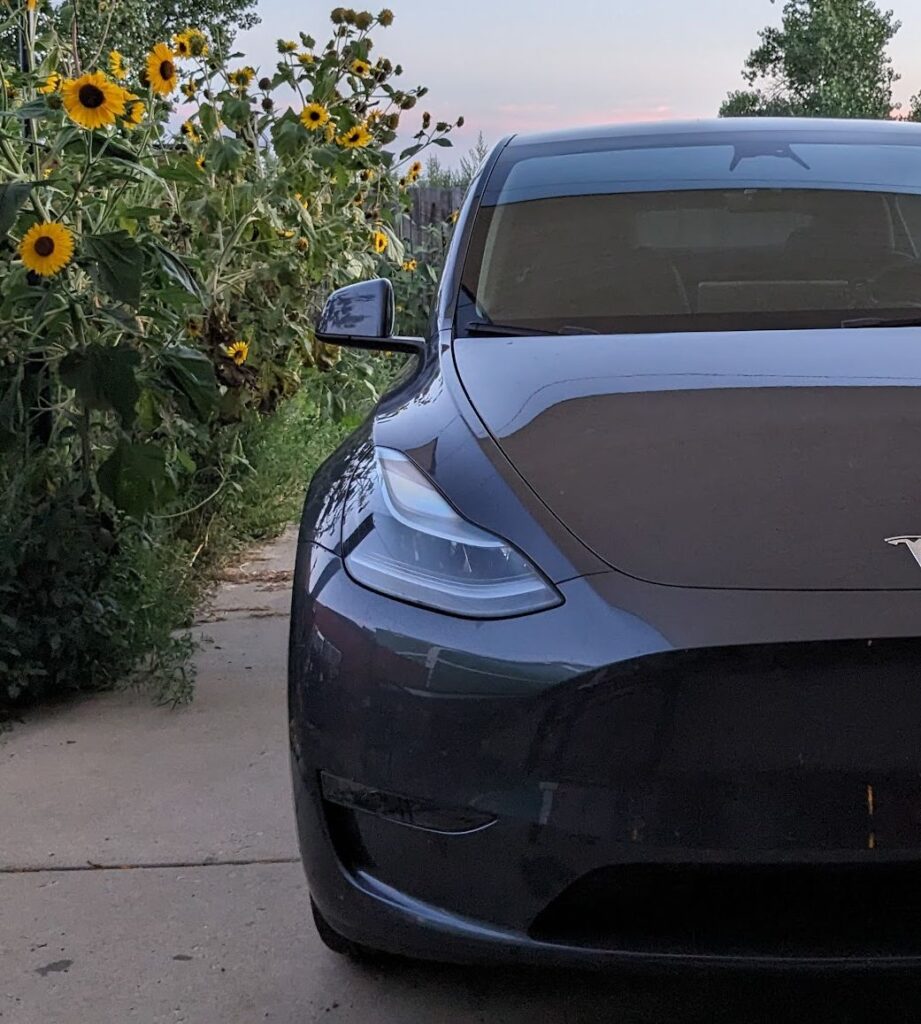
In a candid retrospective of his 2024 finances, Adeney reveals a fascinating paradox. After committing to a more "luxurious" lifestyle—marked by the purchase of a Tesla Model Y, frequent travel, and a relaxed approach to daily expenses—he discovered that his total annual expenditure remains remarkably low. By auditing his own life, Adeney provides a blueprint for how the wealthy can maintain a minimalist ethos while embracing the fruits of their labor.
The Evolution of a Philosophy: From Frugality to Freedom
The narrative began in 2023 when Adeney published a blog post advocating for a strategic increase in spending. For a man who built an empire on the virtues of cycling to the grocery store and repairing his own home, the decision to purchase a Tesla was interpreted by some of his followers as a potential loss of "credibility."
Adeney, however, framed this shift not as a departure from his values, but as an evolution. Having achieved financial independence early in life, he realized that the pursuit of efficiency should not come at the expense of enjoyment. He set out to test whether a "Badass" lifestyle could be maintained while operating with an abundance mindset.

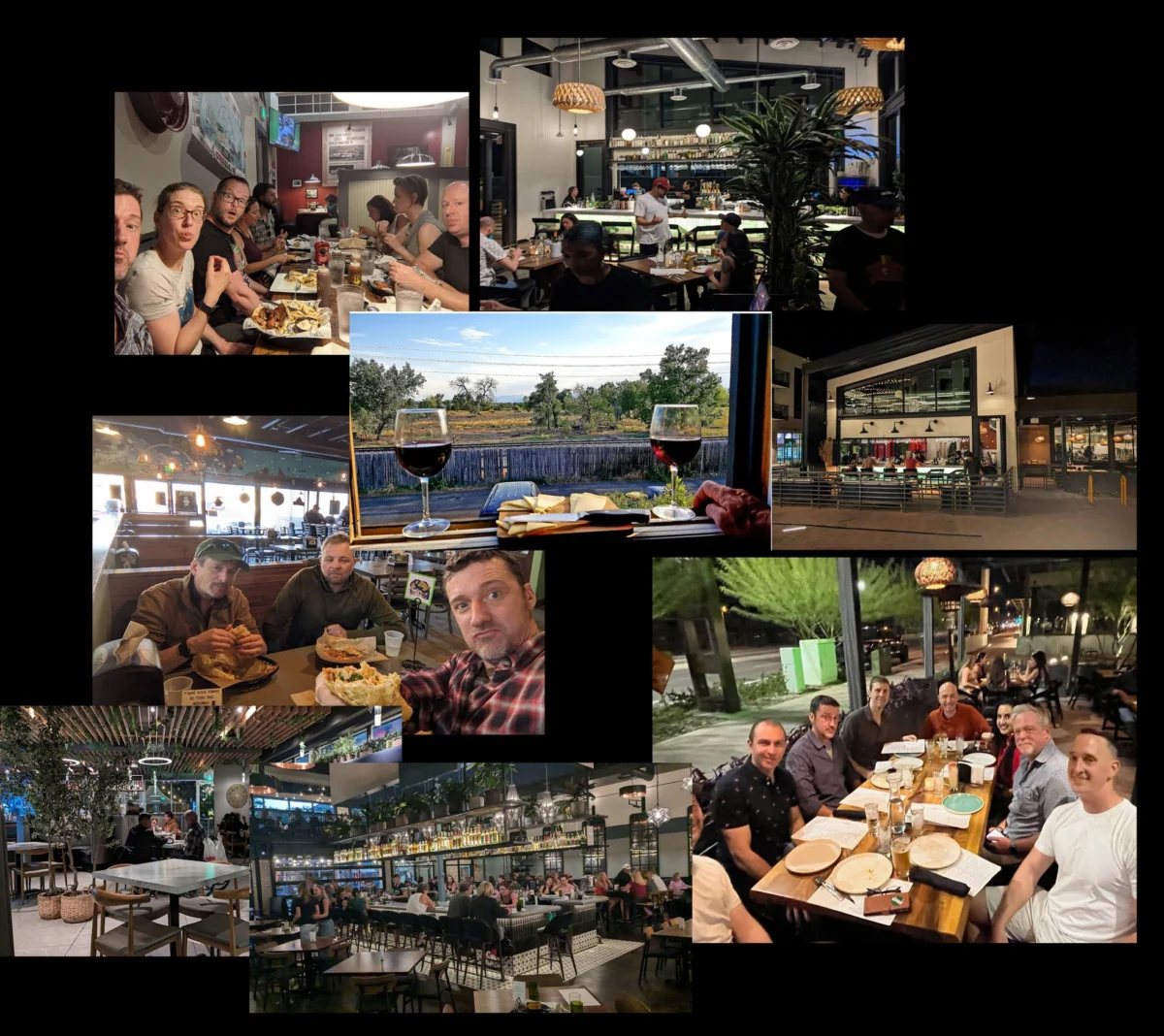
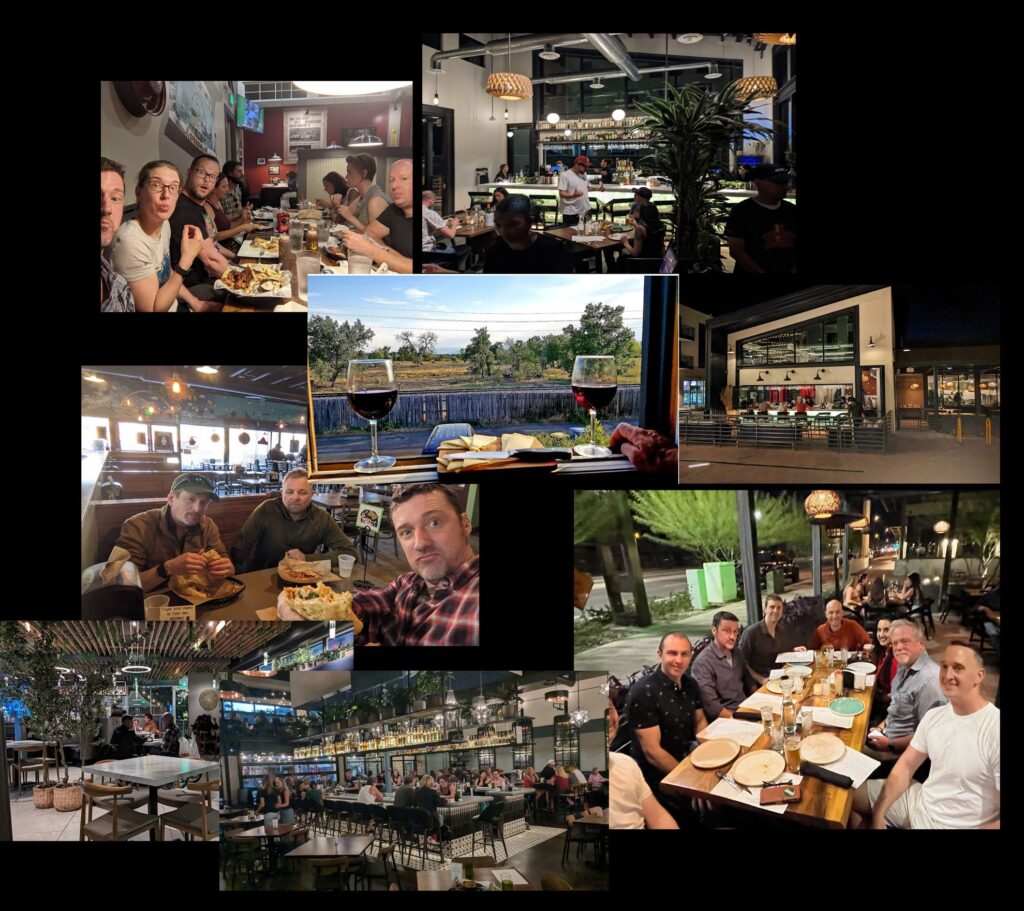
Over the past two years, the results have been definitive. He spent his time traveling, dining at high-quality restaurants, and attending EDM concerts with his son. He abandoned the "cheap-at-all-costs" hotel booking model in favor of comfort, and he stopped agonizing over the price difference between wholesale clubs and upscale grocers. Despite this shift, the total financial impact was surprisingly negligible.
Chronology: A Year of Adventures and Audits
The year 2024 was defined by transition. As a single man for much of the period, Adeney leveraged his flexibility to explore new geographies and social circles.
- Q1-Q2: Focused on domestic travel, including a notable Christmas Day road trip from his home in Tempe, Arizona, to Las Vegas. This period served as a litmus test for his new spending habits, focusing on experiences like Meow Wolf art installations and live music.
- Q3: Informal coaching sessions with friends led to a realization: he had been spending freely without tracking his outlays. This prompted the year-end financial audit.
- Q4: The consolidation of expenses into a master spreadsheet confirmed that his lifestyle, while "flashy" by his previous standards, remained well within the safe withdrawal rates of his investment portfolio.
This chronological shift—from rigid, spreadsheet-driven living to a more fluid, experience-based existence—highlights a critical stage in the FIRE lifecycle: the point where the fear of "running out" is replaced by the confidence of "having enough."
Data Breakdown: The Anatomy of a $30,000 Lifestyle
The following table summarizes the annual expenditure of a man who has achieved total financial freedom. It serves as a striking benchmark for what is possible when housing costs are eliminated.
| Category | Personal | Business | Total |
|---|---|---|---|
| Groceries | $5,465.56 | $494.83 | $5,960.39 |
| Restaurants | $2,145.11 | $98.48 | $2,243.59 |
| Travel | $3,982.00 | $2,176.77 | $6,158.77 |
| Utilities | $1,909.51 | $0.00 | $1,909.51 |
| Home/Amazon | $949.64 | $2,604.46 | $3,554.10 |
| Healthcare | $813.20 | $2,723.46 | $3,536.66 |
| Auto | $2,191.68 | $233.53 | $2,425.21 |
| Phone/Internet | $0.00 | $1,410.56 | $1,410.56 |
| Property Tax | $2,577.30 | $0.00 | $2,577.30 |
| Total | $20,284.67 | $9,742.09 | $30,026.76 |
Analyzing the "Invisible" Savings
The most glaring omission in this budget is a mortgage payment. Adeney attributes his low overhead to his long-standing commitment to paying off his primary residence. While he acknowledges that, mathematically, a 3% mortgage during the 2021 borrowing boom would have been more "optimal" given market returns, he argues that the psychological freedom of owning one’s home is a non-monetary asset that cannot be captured on a balance sheet. Furthermore, by avoiding standard property management, he effectively saves thousands annually on maintenance and insurance.
Innovative Approaches to Healthcare and Infrastructure
One of the most significant hurdles for the early retiree is the escalating cost of healthcare. Adeney has sidestepped the traditional, expensive insurance model by combining a Direct Primary Care (DPC) subscription with a health-sharing organization (Sedera).
By paying roughly $308 per month, he maintains access to personalized medical care while retaining protection against catastrophic events. This strategy, he notes, is far more efficient than standard Bronze-tier insurance plans. However, he offers a cautionary note: this system works best for those who prioritize preventative health and maintain a lifestyle that minimizes medical risk.
Implications for the Future: Optimization vs. Expansion
As Adeney looks toward 2025, he faces the classic dilemma of the successful retiree: What next?
The "Fixing vs. Doubling" Principle
Adeney cites a key philosophy of happiness: fixing persistent problems is vastly more effective than doubling down on what is already going well. His life—defined by strong relationships, physical health, and professional passion—is "already as good as I could imagine."
His current "problem" is a lack of space. His home, while beloved, has become a bottleneck for his hobbies, such as music production and construction. He contemplates expanding his workshop or potentially moving to a larger "mountain compound," but he remains disciplined. He refuses to commit to a larger, more expensive property unless it serves a clear, long-term purpose or offers a superior lifestyle.
The EV Market Opportunity
In a nod to the current economic climate, Adeney highlights the potential end of the $7,500 EV tax credit. He views the current market for Tesla vehicles—specifically the Model Y—as an optimal entry point for consumers looking to upgrade their transportation while benefiting from lower long-term fuel and maintenance costs.
Conclusion: The Mustachian Path Forward
The overarching lesson from Adeney’s 2024 audit is not that he has abandoned his roots, but that he has successfully integrated them into a sustainable, modern life. The "Mustachian" lifestyle is not a prison of deprivation, but a tool for intentionality.

By keeping his costs at approximately $30,000 annually—a figure easily sustained by a modest $1 million nest egg—Adeney proves that true wealth is not about the volume of spending, but the quality of the life purchased with that money. As he blazes into 2025, the message is clear: the most successful retirees are those who continue to optimize their lives, ask the hard questions, and remain open to feedback—even when that feedback comes from their own reflection in the mirror.
For those interested in the full data set or the specific nuances of the "Model Y Experiment," further documentation is available via the Mr. Money Mustache archives. Readers are encouraged to weigh in on the ongoing debate: is it better to be perfectly optimized, or comfortably abundant?
