

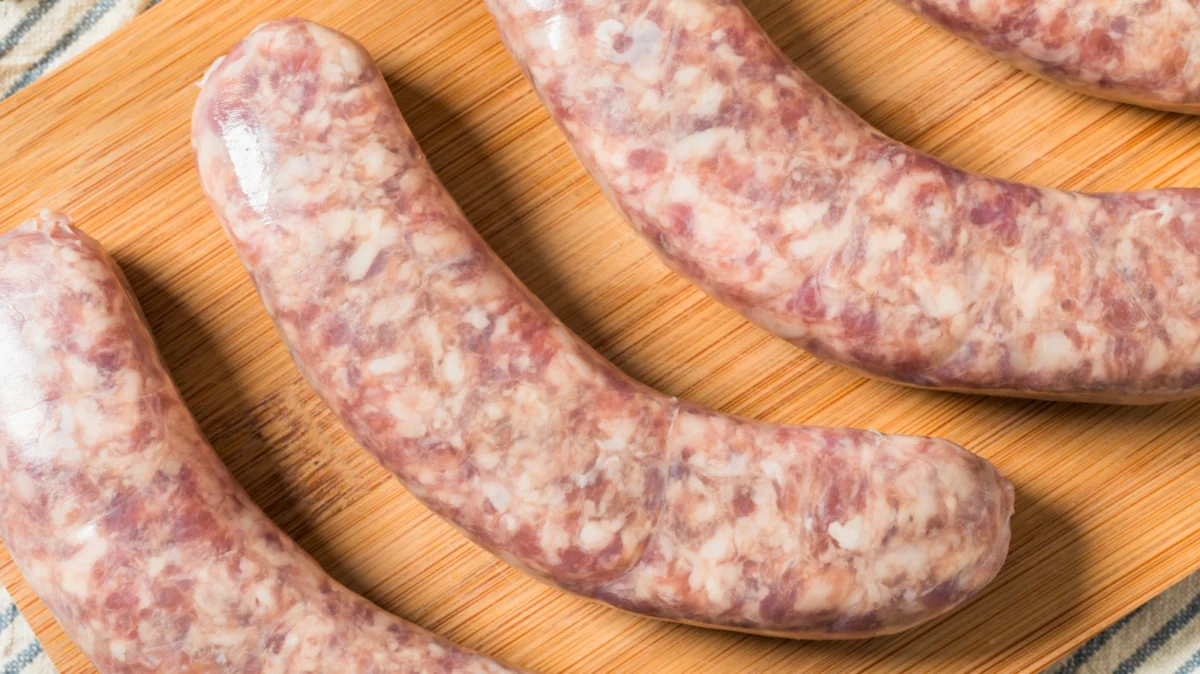
While the smoky aroma of a charcoal grill is synonymous with summer, culinary enthusiasts are increasingly realizing that the grill isn’t always the optimal environment for every cut of meat. Bratwurst, a sausage celebrated for its delicate casing and rich, fatty interior, is notoriously finicky. High-intensity heat can lead to split casings, uneven browning, and, perhaps most tragically, a dry, lackluster bite.
For those looking to achieve a professional-level result—a bratwurst that is golden-brown on the outside and exceptionally succulent on the inside—the solution may not be found in the backyard, but in your oven. By utilizing a simple, time-honored technique involving an oven-safe skillet and a splash of your favorite beer, you can elevate this humble sausage into a gourmet experience, regardless of the weather conditions outside.
Main Facts: The Science of the "Beer-Braised" Method
The fundamental challenge with grilling bratwurst is the management of heat. Because bratwurst is essentially a raw or partially cured sausage, it requires a careful balance of internal temperature elevation without subjecting the delicate proteins to extreme, direct heat that causes the casing to burst.
When you transition to an oven-based approach, you gain two critical advantages: environmental consistency and moisture retention. By searing the bratwurst in a skillet and then finishing it in a braising liquid—specifically beer—you create a moist, aromatic environment that gently cooks the sausage from the inside out.
The alcohol and sugars in the beer serve a dual purpose. First, they act as a tenderizer for the proteins. Second, the liquid creates a steam bath that surrounds the sausage, preventing the casing from drying out and snapping prematurely. This method ensures that the fat renders slowly, keeping the meat moist and flavorful, rather than allowing it to leak out onto the grill grates.
Chronology: A Step-by-Step Culinary Procedure
To execute this method perfectly, precision is key. Follow this progression to ensure your bratwurst reaches its full potential:
1. The Initial Sear
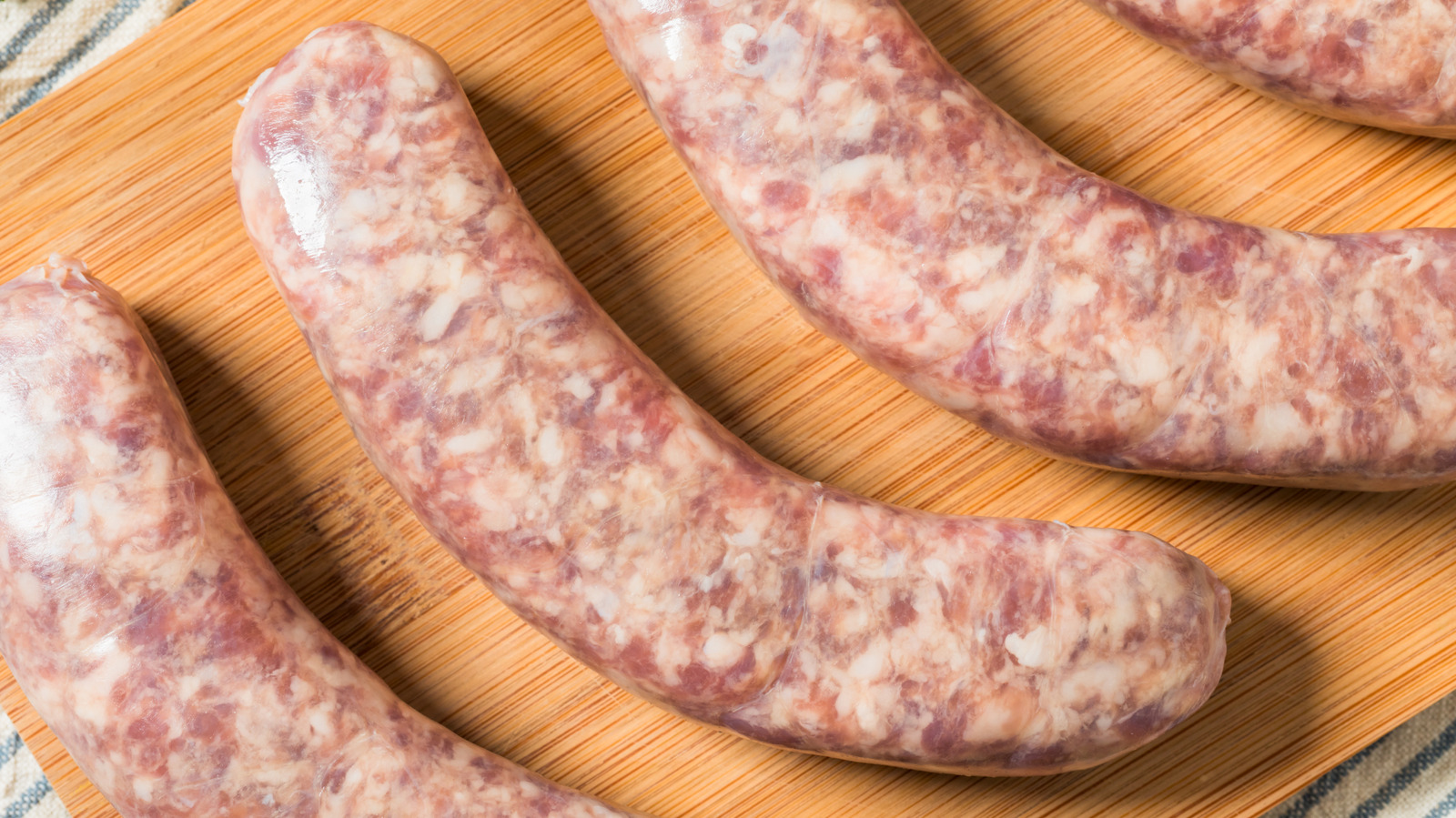
Start with a high-quality, oven-safe skillet. Cast iron is the gold standard here due to its superior heat retention and distribution. Place your skillet over medium-high heat on your stovetop. Add a touch of neutral oil if necessary, though the fat content in the bratwurst often renders sufficiently on its own. Brown the sausages on all sides, aiming for a deep, mahogany color. This stage is vital for the Maillard reaction, which develops the savory, caramelized crust.
2. The Beer Infusion
Once the sausages have achieved an even sear, it is time for the braise. Pour a bottle of beer into the skillet. You do not need to submerge them entirely; a depth of about a quarter-inch is sufficient. Choose a beer you enjoy drinking—a light lager provides a clean, crisp finish, while a dark pilsner or bock adds depth and malty complexity.
3. The Oven Transition
Transfer the skillet to a preheated oven (ideally around 375°F to 400°F). The oven acts as a convection chamber, finishing the cooking process gently. Halfway through the baking time, turn the sausages to ensure they soak up the beer infusion evenly.
4. The Broil Finish
For those who prefer a slightly crispier bite, switch your oven to the "broil" setting for the final three to five minutes. This will tighten the casing and provide a final layer of char.
5. Verification
Always utilize a meat thermometer to ensure the internal temperature has reached a safe and optimal 160°F. Do not rely on color alone, as the beer can sometimes leave the surface looking deceptively cooked.
Supporting Data: Why the Oven-Safe Skillet is a Workhorse
The choice of cookware is central to the success of this method. While standard baking sheets are sufficient for roasting vegetables, they are inadequate for this technique due to the liquid component.
A deep-sided, oven-safe skillet, such as carbon steel or stainless steel, acts as a self-contained unit. It allows you to move seamlessly from the stovetop sear to the oven braise, minimizing the handling of the meat. This is critical: every time you transfer a sausage from one vessel to another, you risk piercing the casing with tongs or a fork, which allows the juices—and the flavor—to escape.
Furthermore, the "workhorse" nature of the skillet extends to post-cooking cleanup and secondary applications. Once the bratwursts are removed and set aside to rest, the skillet contains the residual beer, rendered bratwurst fat, and browned bits of sausage (the fond). This is the perfect foundation for sautéing onions, bell peppers, or even cabbage. The vegetables absorb the residual savory essence, creating a cohesive, restaurant-quality dish in a single pan.
Official Perspectives: The Culinary Logic of Moisture
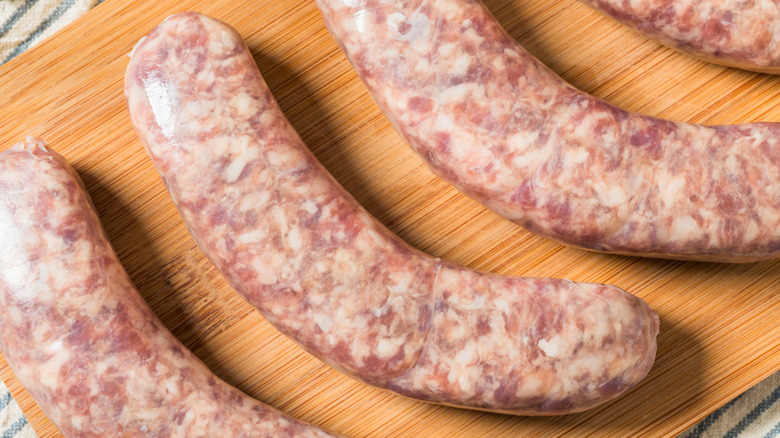
Culinary professionals and food scientists generally agree that the greatest enemy of the sausage is "bursting." When a bratwurst is placed over high, direct heat, the fat inside reaches its melting point rapidly. The pressure builds within the casing, and if the casing is too tight or the heat is too aggressive, the skin splits. Once split, the juices run out, and the bratwurst loses its texture.
By utilizing the oven, you are effectively "poaching" the bratwurst in a flavorful liquid while simultaneously roasting the exterior. This is a hybrid technique that mimics the results of the traditional "beer bath" often seen at professional sausage stands, but with the added benefit of a controlled, crispy finish.
The use of a thermometer is not just a safety recommendation; it is a quality-control measure. Bratwurst is at its best between 160°F and 165°F. Beyond this, the proteins begin to toughen, and the fat—which provides the "juicy bite"—begins to separate, resulting in a greasy rather than juicy sensation.
Implications: The Future of Home Sausage Preparation
Moving away from the grill for bratwurst preparation is not a rejection of tradition; it is an evolution of technique. The implications for the home cook are significant:
- Year-Round Accessibility: You are no longer tethered to the weather. Whether it is a blizzard in January or a heatwave in July, you can replicate the "ballpark" quality of a bratwurst in your kitchen.
- Consistency: The grill is inherently unpredictable. Wind, humidity, and fuel quality all impact the outcome. An oven provides a standardized, repeatable environment that produces identical results every time.
- Flavor Complexity: By choosing the beer, you are customizing the flavor profile of the meat in a way that smoke alone cannot achieve. You can experiment with craft ales, stouts, or even cider, allowing the sausage to take on new dimensions of flavor.
- Efficiency: The "one-pan" method reduces the amount of equipment used and the subsequent cleaning time. This makes the meal accessible for a busy weeknight dinner rather than being reserved exclusively for weekend social gatherings.
Final Thoughts on Presentation
To complete the experience, serve your oven-finished bratwursts on a toasted bun with the beer-braised onions and peppers you prepared in the skillet. Top with high-quality stone-ground mustard. By treating the bratwurst with the care and scientific consideration it deserves, you transform a standard supermarket item into a meal that rivals the best culinary offerings in the Midwest or beyond.
The next time you reach for your tongs to head to the grill, pause and consider the oven. Your bratwurst—and your palate—will thank you.
