

In a move that signals a significant shift in how the United States government approaches the integration of artificial intelligence into public transportation, the National Highway Traffic Safety Administration (NHTSA) has unveiled a series of proposed amendments to Federal Motor Vehicle Safety Standard (FMVSS) No. 108. The proposal, announced on October 23, aims to modernize vehicle lighting regulations to accommodate the unique operational profiles of Automated Driving Systems (ADS).
While the headline-grabbing aspect of the proposal involves the standardization of "cyan" (turquoise) lighting to signal autonomous operation, the technical fine print suggests a much broader regulatory loosening. By specifically targeting the removal of mandates for manual controls and traditional dashboard indicators in vehicles designed without steering wheels or pedals, the NHTSA is effectively drafting the rulebook for a post-human-driver future—a future that aligns closely with the design philosophy of the Tesla Cybercab.
The Core Proposals: Modernizing the Roadway
The primary objective of the NHTSA’s latest initiative is to foster innovation by removing legacy requirements that were written for vehicles operated by human beings. FMVSS No. 108 has long governed the color, intensity, and location of vehicle lights, ensuring that drivers can interpret the intentions of others on the road. With the advent of cars that lack a human driver, these rules have become, in the eyes of regulators, unnecessary barriers.
The Rise of the Cyan Marker
The proposal introduces an "if equipped" standard for Automated Driving System marker lamps. The goal is to provide a universal visual language for other road users and law enforcement to identify when a vehicle is under the command of an AI.
The specifications are precise:
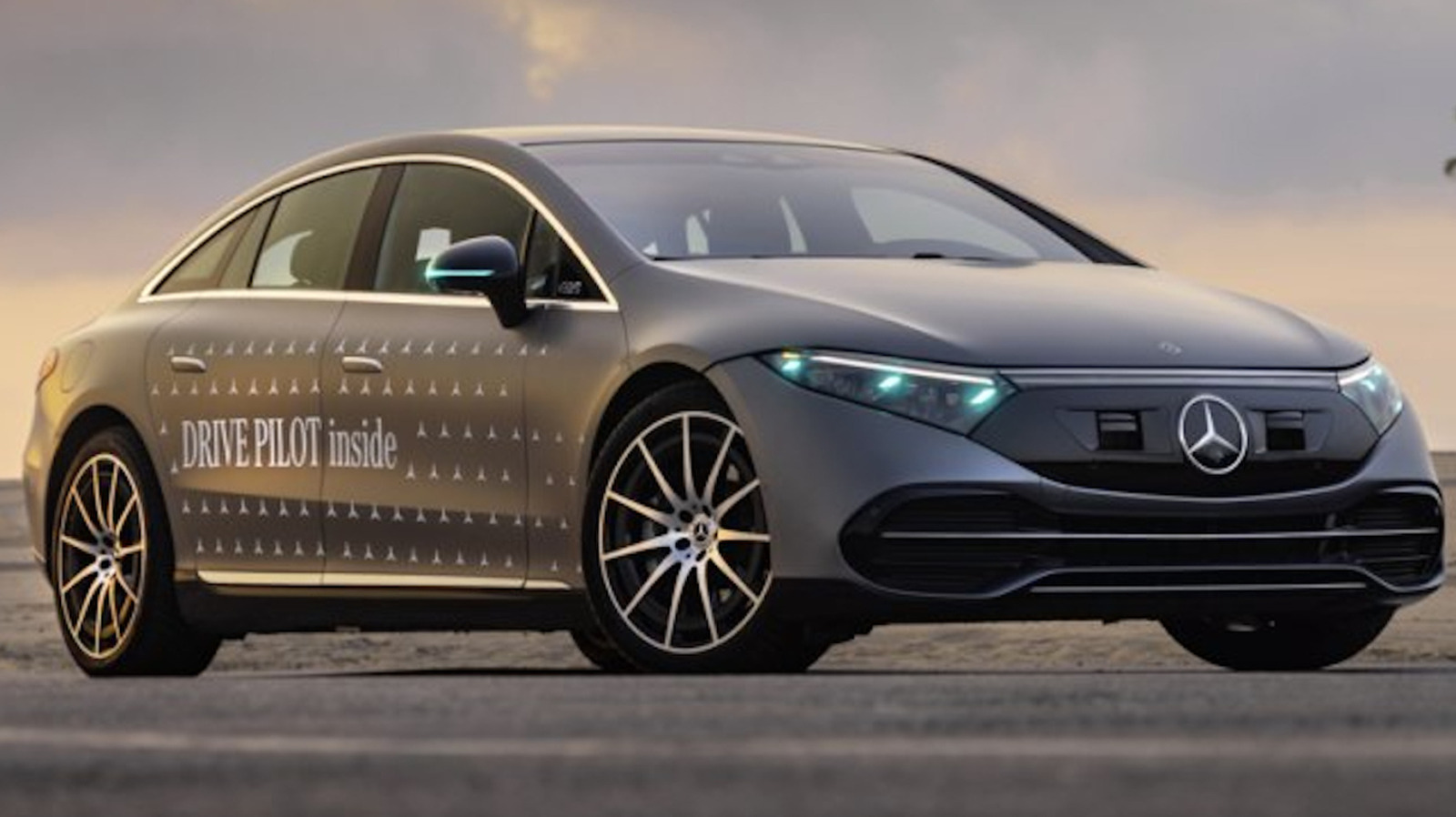
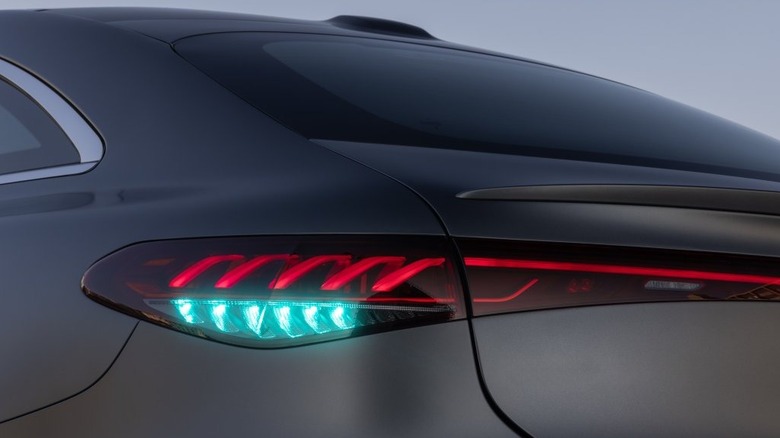
- Color: The lights must be cyan (or turquoise) to distinguish them from standard white, red, or amber vehicle lights.
- Visibility: At least one lamp must be visible from the front, both sides, and the rear of the vehicle.
- Placement: The lights must be mounted at a minimum height of 15 inches from the ground.
- Intensity: To prevent glare and confusion, the intensity of these markers is capped, ensuring they do not exceed the brightness levels of standard parking lights.
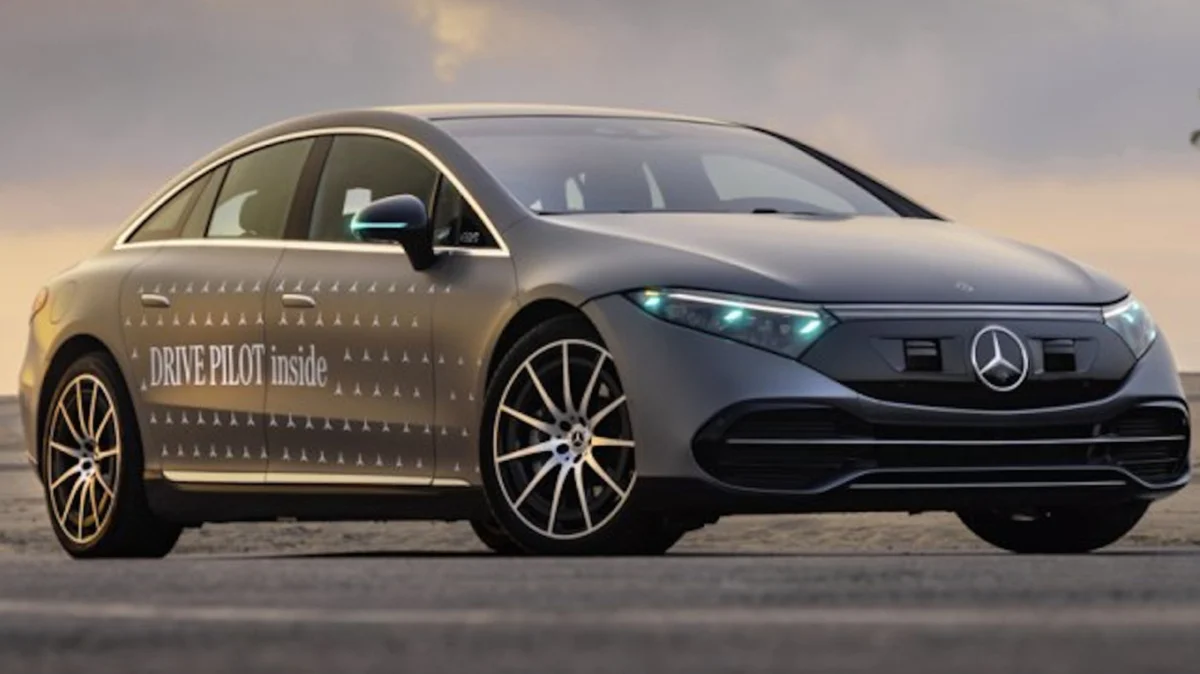
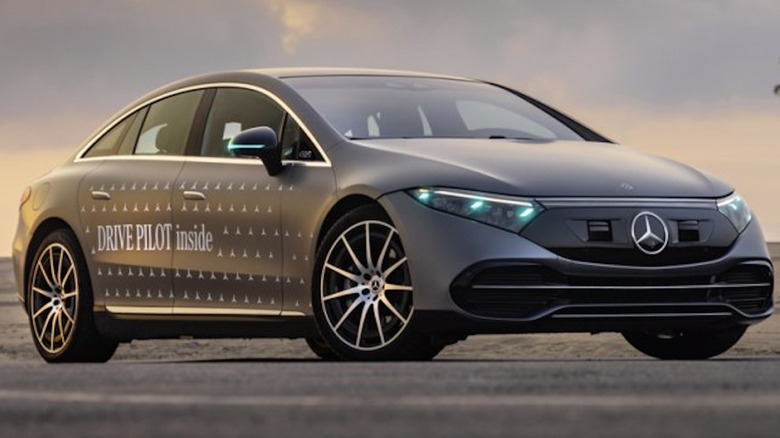
This move formalizes a trend started by Mercedes-Benz, which received approval in 2023 to use turquoise lighting for its "Drive Pilot" Level 3 system. By standardizing this, the NHTSA hopes to create a uniform expectation for drivers encountering autonomous vehicles in the wild.
Chronology of Regulatory Shifts
The path to these proposed changes has been a steady march toward deregulation for high-autonomy platforms.
- Early 2023: Mercedes-Benz gains regulatory approval to utilize turquoise lighting for its autonomous systems, setting a precedent for how AVs can communicate their status to law enforcement.
- October 2024 (Early): The NHTSA announces a broad modernization of headlight standards, addressing issues such as LED glare, performance testing, and the integration of dusk sensors and automated high-beam switching.
- October 23, 2024: The NHTSA formally proposes the latest changes to FMVSS No. 108, specifically targeting vehicles lacking manual driving controls.
- Current Status: The proposal is now entering a public comment period, where industry stakeholders, safety advocates, and the general public can weigh in on the implications of these changes before they are codified into federal law.
Supporting Data and Technical Adjustments
Beyond the aesthetic addition of cyan lights, the NHTSA is proposing a fundamental re-engineering of testing protocols that have stood for decades.
Eliminating 12.8-Volt Testing
Historically, vehicle lights were tested against performance parameters set at 12.8 volts—the standard output for traditional internal combustion vehicle electrical systems. The new proposal acknowledges that modern electric vehicles operate on vastly different electrical architectures. Removing this requirement allows manufacturers more flexibility in lighting design without sacrificing safety.
Vertical Lighting Configuration
Current regulations dictate specific orientations for headlight beams, often favoring a configuration where the low beam is positioned above the high beam. The NHTSA has concluded, through preliminary testing, that this is no longer a strict necessity for safety. By removing this requirement, the agency opens the door for more aerodynamic, integrated, and stylized lighting designs, which are particularly important for the efficiency-focused designs of autonomous pods.
Implications for the Industry and "Tesla-Specific" Criticism
The most controversial aspect of the proposal lies in the removal of requirements for "telltales"—the dashboard icons and auditory chimes that alert a driver to turn signals, hazards, or beam status.
Defining the "Driver"
The NHTSA is narrowing its definition of a "driver" to mean an occupant seated immediately behind a steering control system. Under this new logic, a vehicle that lacks a steering wheel inherently lacks a driver. Consequently, the mandate for traditional turn signals, hazard light toggles, and headlight beam switching devices—which were previously required to be "manually operated"—is being discarded for these specific vehicles.
Critics have been quick to point out the timing of this development. The Tesla Cybercab, which famously debuted without a steering wheel or pedals, is currently the subject of an intense NHTSA safety probe regarding the viability of its design. By modifying federal standards to specifically exempt vehicles lacking manual controls, the government appears to be creating a tailored regulatory pathway that would effectively end the debate over the Cybercab’s missing hardware.
The political optics are particularly fraught. With Tesla CEO Elon Musk’s massive financial contributions to the Republican party during the 2024 election cycle, industry watchdogs are questioning whether these rule changes are the result of objective engineering review or a shift in regulatory capture.
Official Responses and Public Input
The NHTSA maintains that its primary goal is "removing unnecessary barriers to technological innovation." In their official filing, agency spokespeople emphasized that the safety of the public remains the primary constraint. However, they concede that the existing framework of FMVSS No. 108 was designed for the "human-in-the-loop" era, and forcing modern autonomous systems to comply with these rules is akin to asking a smartphone to comply with regulations written for rotary telephones.
The agency has invited the public to provide feedback via the Federal Register. This period is critical; it is the final opportunity for safety advocates to argue whether the removal of manual control requirements—and the associated dashboard indicators—could pose a risk to pedestrians or passengers in the event of an emergency or system failure.
Conclusion: A New Era for Automakers
The proposed changes represent the most significant update to American automotive lighting standards in a generation. By transitioning from a prescriptive regulatory model—which told manufacturers exactly where to put a button or how to wire a light—to an outcome-based model, the NHTSA is effectively signaling that the future of the American road is automated.
For the automotive industry, these changes are a major win, potentially shaving years off the development cycle for robotaxis and autonomous shuttles. However, the move also places the burden of safety squarely on the shoulders of the software engineers and AI developers. As the traditional "manual" guardrails are removed, the industry must prove that their algorithms can communicate with the world as effectively, if not more so, than a human driver ever could.
Whether these changes result in a safer, more efficient transportation network or merely provide a convenient loophole for high-profile manufacturers remains to be seen. As the comment period progresses, the industry will be watching closely to see if the NHTSA holds firm on these sweeping revisions.
