

When we think of container gardening, the mind often drifts to cascading petunias or vibrant geraniums. However, the true secret to a sophisticated, long-lasting display—especially in the challenging, low-light corners of our patios and porches—lies not in fleeting blossoms, but in the enduring architecture of foliage. By prioritizing texture, color, and form, gardeners can cultivate arrangements that remain visually arresting from early spring well into the autumn, and often beyond.
As Erin Presley, a horticulturist at Olbrich Botanical Gardens in Madison, Wisconsin, notes, "Shady containers don’t have to rely on flowers for color and interest. Foliage plants can bring unexpected colors, textures, and growth habits to the mix, creating combinations that are anything but ordinary."
The Case for Foliage-First Design
The shift toward foliage-centric container gardening represents a broader trend in horticulture: a move toward sustainable, low-maintenance, and high-impact design. Flowers are ephemeral; they require constant deadheading, specific sunlight conditions, and often suffer from the "boom and bust" cycle of bloom times. Foliage plants, by contrast, offer a consistent aesthetic.
When you strip away the requirement for flowers, you are left with a canvas of structural elements. You begin to notice the serrated edge of a fern, the waxy sheen of a tropical leaf, or the subtle variegation of a begonia. This approach allows for a "design-forward" strategy where the container itself becomes a sculptural piece of art. Furthermore, the four plants highlighted below possess a dual nature: they thrive in the dim light of a covered patio and transition seamlessly into houseplant status once the temperatures drop, maximizing your return on investment.
1. The Blue Star Fern (Phlebodium aureum)
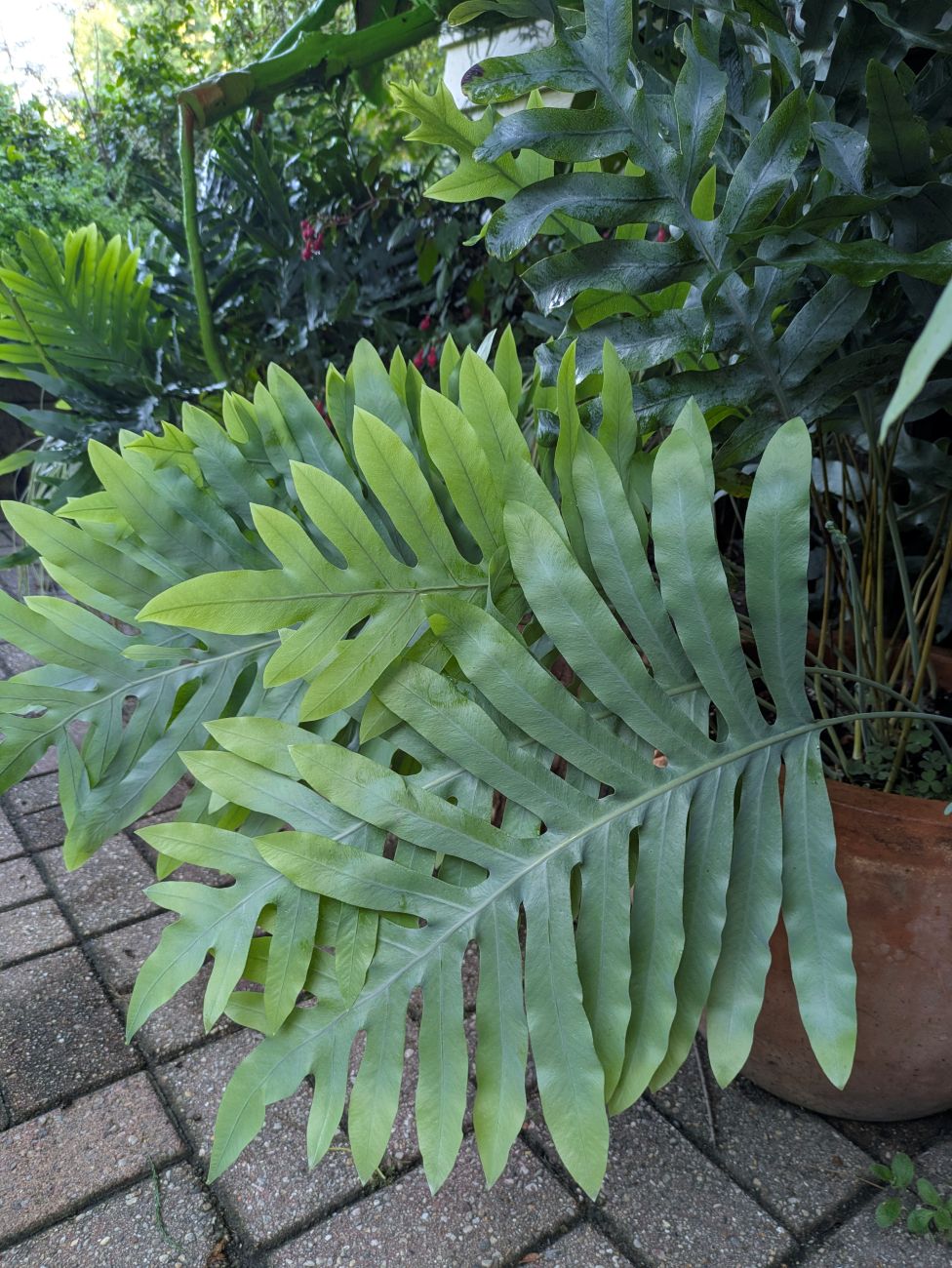
The Phlebodium aureum is an architectural marvel. When Presley first encountered this species in a holiday display, its unique coloration was impossible to ignore. Unlike the deep, forest greens of traditional ferns, the Blue Star Fern offers a sophisticated, ethereal palette.
Botanical Characteristics and Growth
The plant’s beauty lies in its "blades"—the distinct, segmented portions of the frond. In its juvenile stage, each blade features a striking powder-blue interior, framed by a faint, glowing lime-green margin. As the plant matures, the foliage settles into a handsome, deep steel-blue. These blades, which can reach up to 2 feet in length and a foot in width, are supported by thin, wiry stipes that give the plant a delicate, airy appearance despite its overall size.
Cultural Requirements and Utility
The Blue Star Fern is remarkably forgiving, thriving in a variety of shade levels. It maintains its striking coloration even in deep, shadowed corners where other plants might fade. Its growth habit is upright, making it an ideal "thriller" or centerpiece for a container. Because it doesn’t sprawl at the base, it leaves ample room for trailing companions or smaller, textural plants.
One of the plant’s most practical features is its rhizomatous root system. Similar to the well-known Rabbit’s-foot fern (Davallia fejeensis), the Blue Star Fern produces thick, fuzzy rhizomes that store moisture, granting the plant a surprising degree of drought tolerance. For the propagation-minded gardener, these rhizomes are easily divided, meaning one purchase can eventually lead to a collection.
2. The Piggyback Plant (Tolmiea menziesii)
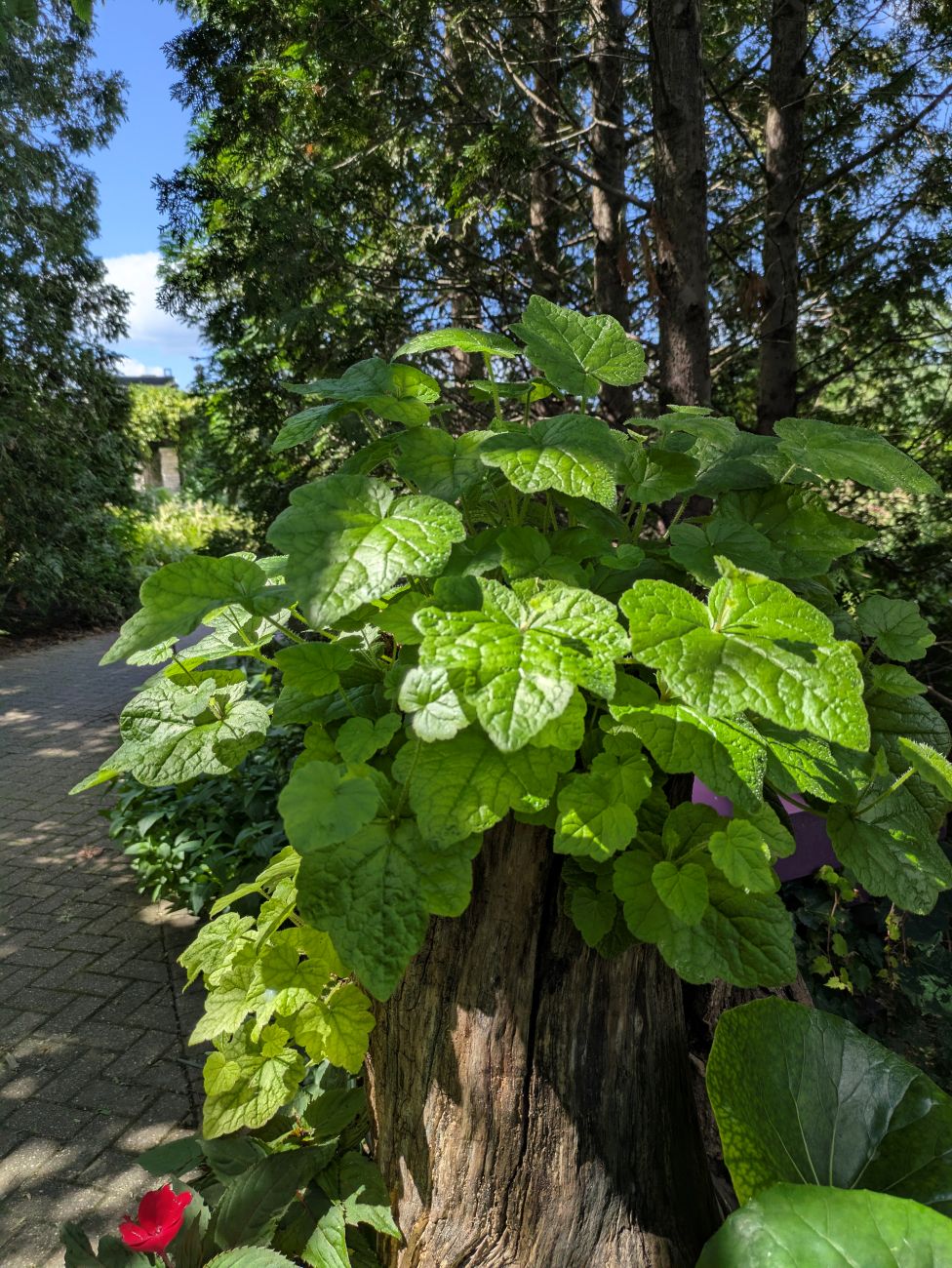
A native to the moist forests of the Pacific Northwest, the Tolmiea menziesii brings a sense of woodland charm to the container. Often found carpeting soil and clinging to old tree stumps in the wild, its ability to thrive in damp, shady conditions makes it a powerhouse for container arrangements.
The Science of "Piggybacking"
The plant earns its common name from the fascinating way it reproduces: it produces tiny "plantlets" at the point where the leaf blade meets the petiole. These miniature versions of the parent plant can be easily plucked and rooted in soil, allowing for a perpetual supply of new greenery.
Design and Sensory Appeal
The foliage itself is highly textural—slightly rippled and covered in a soft, fine fuzz. Its apple-green hue provides a vibrant contrast to darker, glossier leaves. In a container, the Piggyback Plant behaves in a unique way; it mounds slightly before beginning to trail, making it a perfect candidate for the edge of a pot or as a spiller in a hanging basket. An often-overlooked sensory bonus: when the leaves are handled or brushed against, the plant emits a pleasant, fresh cucumber aroma.
3. The Leopard Plant (Farfugium japonicum)
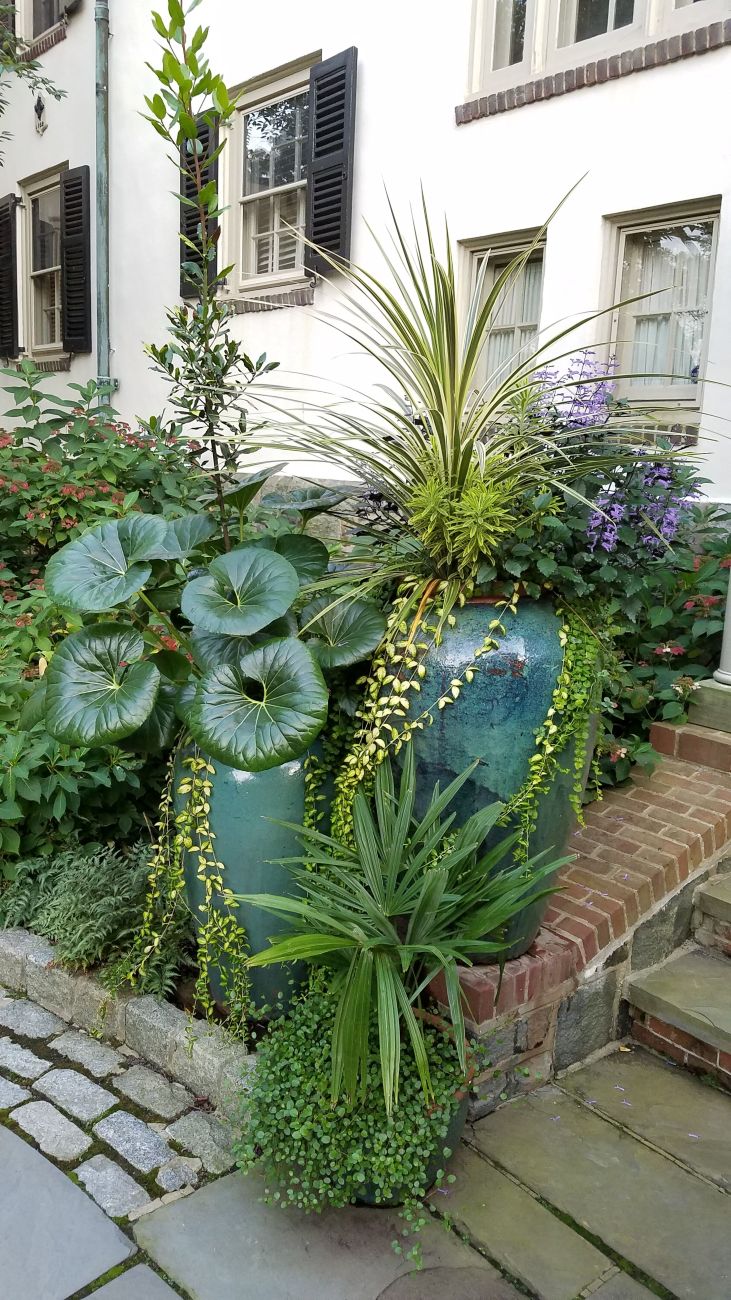
If the Blue Star Fern is the "thriller" of the shade garden, the Farfugium japonicum is the "statement piece." Inspired by the stunning horticultural displays at Chanticleer Garden in Wayne, Pennsylvania, the Leopard Plant offers a level of high-gloss elegance that is difficult to match in shade-loving perennials.
Architectural Presence
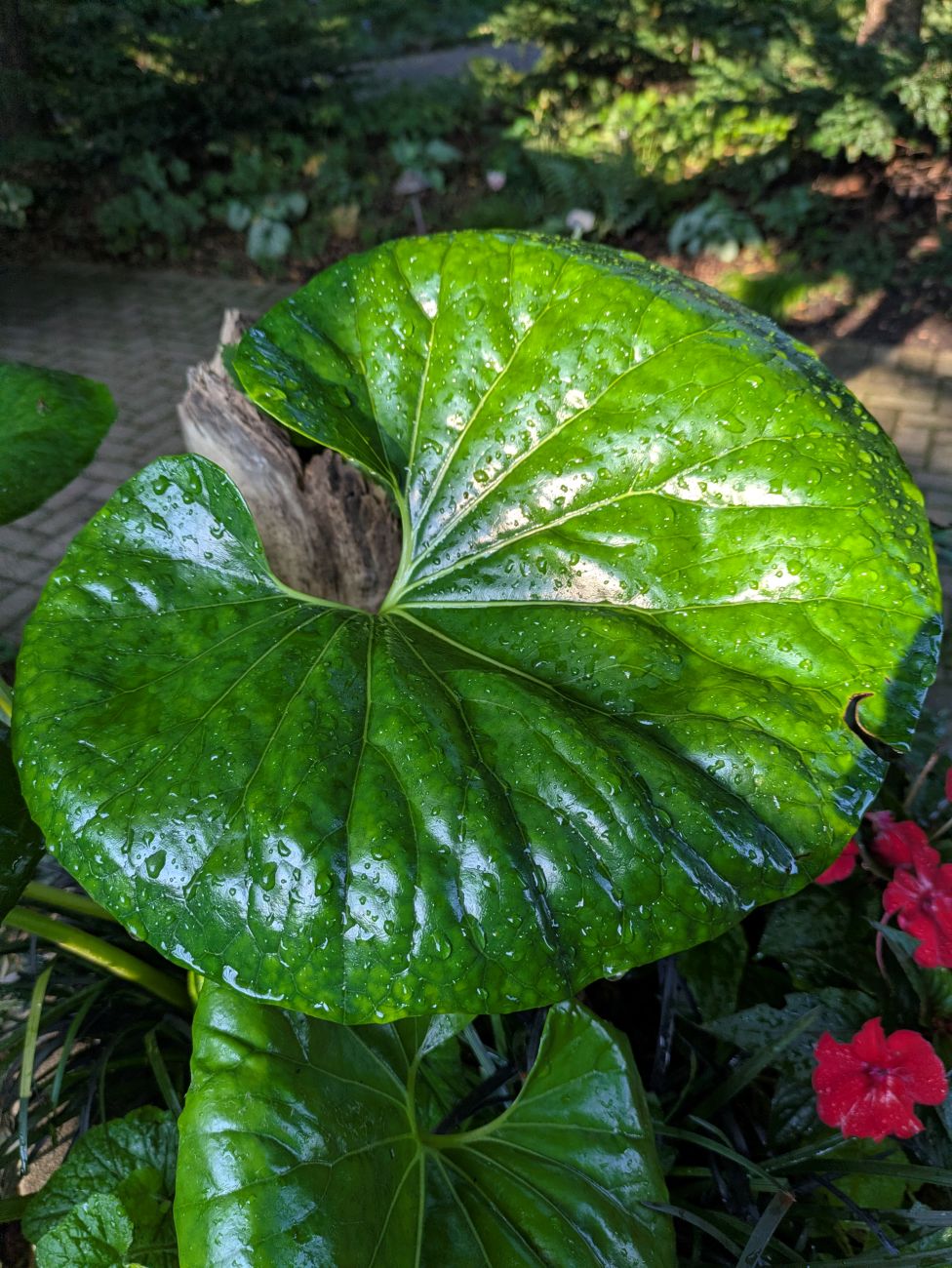
The plant is defined by its long, succulent petioles that support dinner-plate-sized leaves. These leaves possess a high-gloss finish so reflective that it often appears artificial, reflecting the ambient light of a shady garden with a metallic sheen. Its appearance is reminiscent of a catwalk model: elongated, dramatic, and impeccably polished.
Strategic Placement
Because of its massive leaf size, the Leopard Plant is best used as a standalone structural element. Presley recommends keeping the base of the pot relatively simple with a "skirt" of low-growing, trailing plants, which allows the full architecture of the Farfugium to remain the focal point. While it shares a lineage with the popular Ligularia, it is generally less cold-hardy, typically requiring protection or relocation indoors in regions north of Zone 7.
4. Begonia ‘Sinbad’
For many gardeners, the word "begonia" evokes memories of leggy stems and high-maintenance temperaments. The Begonia ‘Sinbad’ cultivar, however, is a notable exception that has changed the minds of even the most skeptical horticulturists.
A Hybrid Success Story
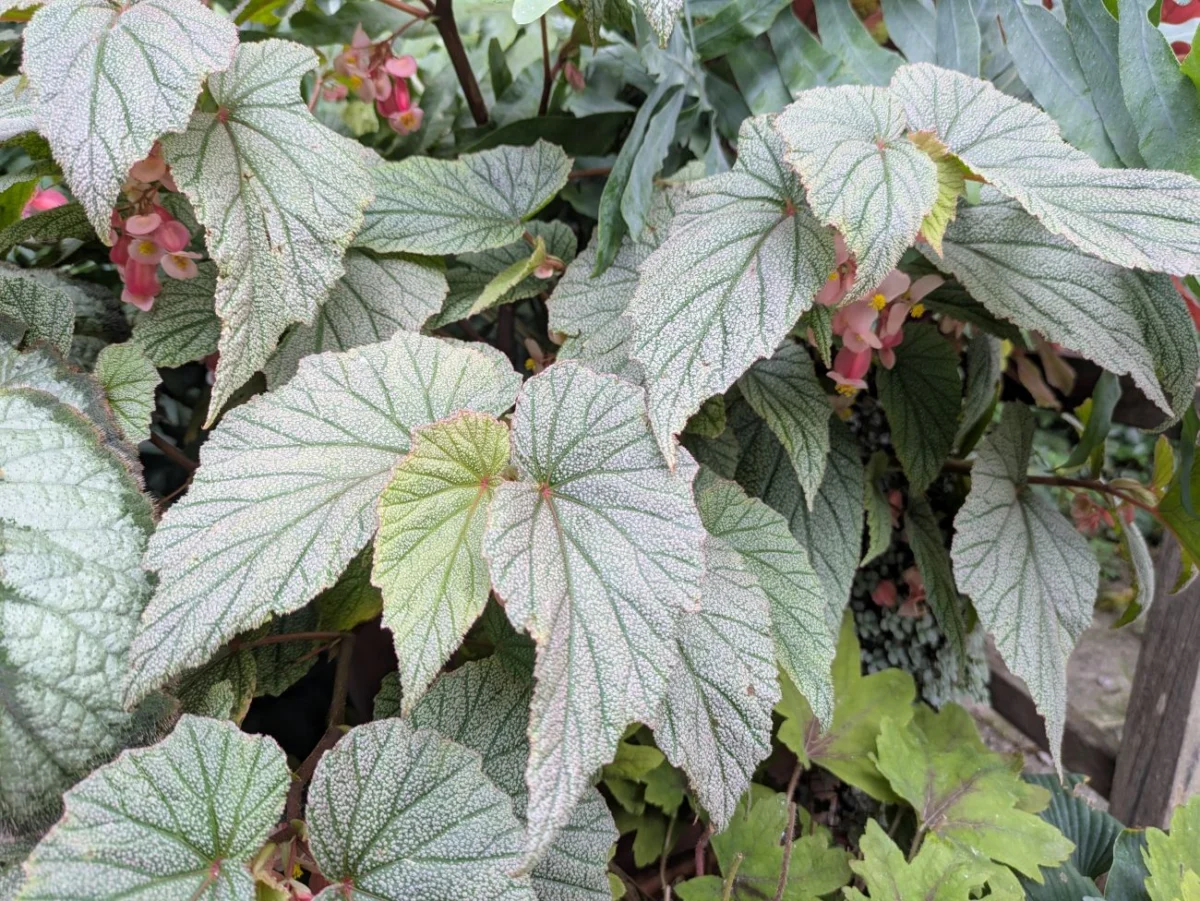
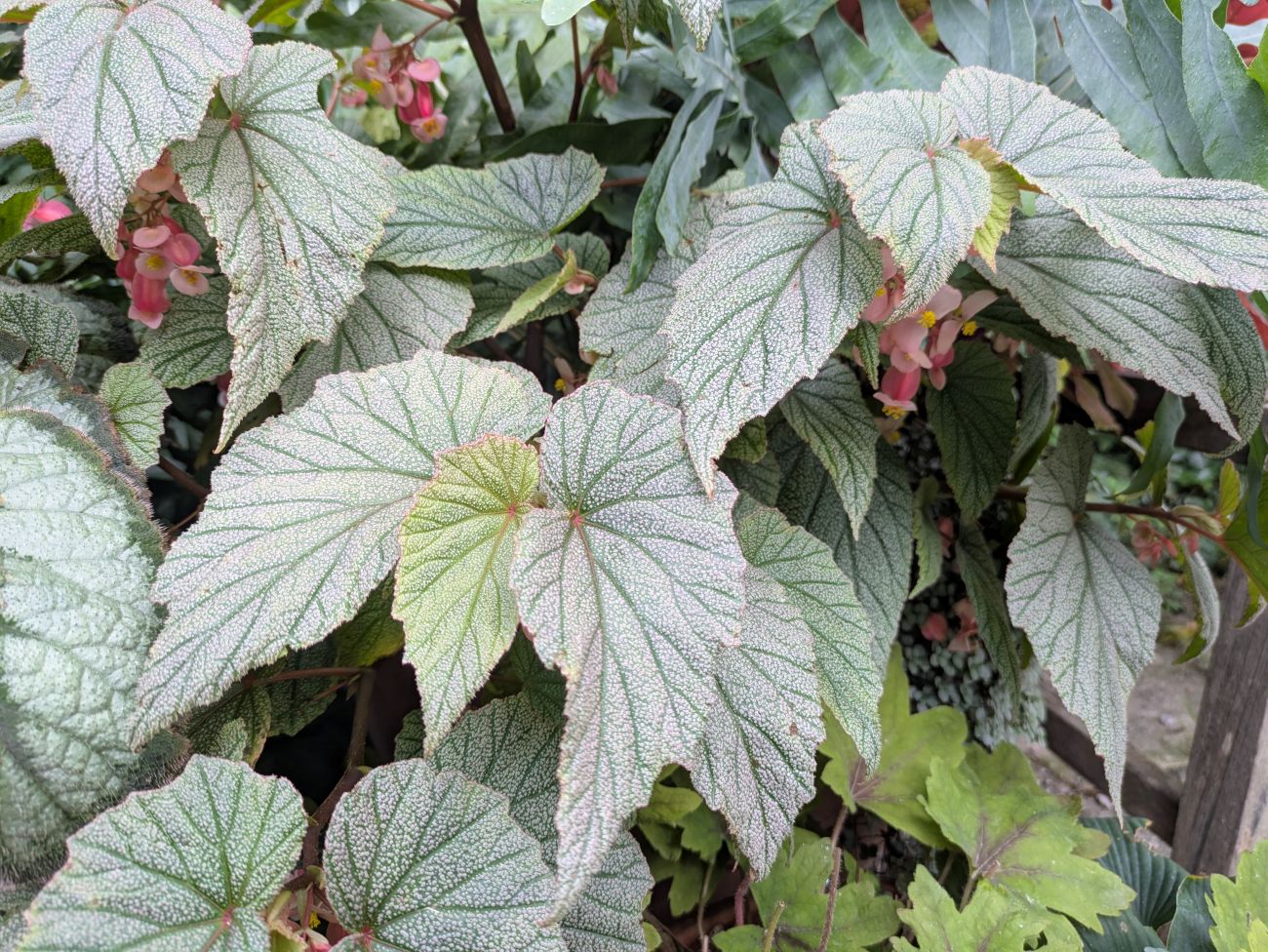
‘Sinbad’ is a hybrid derived from cane-type begonias and the Begonia dipetala. The result is a plant that possesses the structural integrity of a cane begonia with the intricate, silvery-spotted foliage characteristic of its other parent. While it does produce delicate, soft-pink flowers, the foliage is the undeniable star of the show.
Color Theory in the Garden
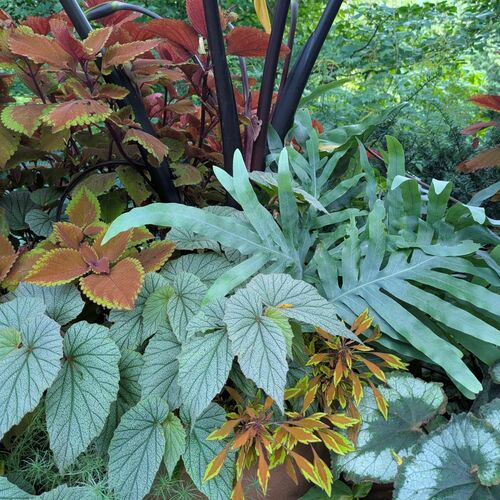
The leaves of ‘Sinbad’ are a masterclass in subtlety. They feature a complex interplay of colors, including soft bronze, muted pinks, and powder blue, all underscored by dark green veins. This allows for sophisticated color blending. A particularly successful container recipe involves pairing the silvery tones of ‘Sinbad’ and the Blue Star Fern with the warm, peach-and-rust hues of ‘Sweet Tea’ foamy bells (Heucherella) and the vibrant, fire-like foliage of ‘Campfire’ coleus.
Chronology of Care: Extending the Season
The beauty of these four selections is that they are not merely "one-hit wonders" for the summer season. By selecting plants that can handle both outdoor containers and indoor environments, you create a system of seasonal rotation.
- Spring/Summer: These plants serve as the backbone of your shaded outdoor displays. The consistent moisture and dappled light of the summer season allow them to reach their peak architectural form.
- Late Summer/Early Autumn: As the days shorten, the foliage of the Blue Star Fern and the ‘Sinbad’ begonia continues to look fresh, even as traditional flowering annuals begin to decline.
- Late Autumn/Winter: Once the threat of frost arrives, these plants can be transitioned indoors. Their shade tolerance makes them well-suited for interior environments, where they act as houseplants that bring life to indoor spaces during the coldest months of the year.
Supporting Data: Why Foliage Matters
The shift toward foliage-based design is supported by changing consumer preferences and horticultural research. Studies on urban biophilia suggest that consistent, year-round greenery has a greater impact on human psychological well-being than seasonal bursts of color. Furthermore, from a maintenance perspective, foliage plants generally require less deadheading and have fewer pest issues than high-bloom-count annuals.
According to the USDA Plant Hardiness Zone data, the plants selected here cover a broad range of climates. The Tolmiea is hardy down to Zone 6, while the Phlebodium and Begonia prefer the warmer environments of Zones 9–11. For those in cooler climates, the container-first approach is the perfect solution, as the pots can be moved to a protected, climate-controlled environment before the first freeze.
Implications for the Modern Gardener
The move away from floral-dependency in shade containers is more than just a stylistic choice; it is an evolution of the hobby. By selecting plants for their structural integrity, leaf texture, and color variegation, gardeners can achieve a "designed" look that feels professional and intentional.
Whether you are a novice gardener looking for your first low-maintenance container or a seasoned expert seeking to refine your aesthetic, these four foliage plants offer a reliable path to success. By focusing on the "bones" of the plant rather than the "makeup" of the flower, you create a garden that is not only beautiful but resilient—a testament to the idea that in the world of shade gardening, foliage is truly where the heart is.
For those looking to dive deeper into the world of creative gardening, resources like the Gardening Answers forum provide a space to connect with regional experts, ensuring that your specific climate and container needs are met with precision. As you plan your next arrangement, consider the longevity, the texture, and the quiet elegance of the leaf. You might find that once you stop chasing the bloom, you start discovering the true art of the garden.
