

By Sandy Pierre
Entering the second year of a romantic relationship is a unique milestone. It is a period defined by the transition from the "honeymoon phase"—where mystery and excitement dominate—into a deeper, more grounded partnership. After more than five vacations together, my boyfriend and I have mastered the logistics of travel: we are early risers, adventurous explorers, and committed culinary enthusiasts who prioritize local flavor in every destination. Yet, even after thousands of miles traveled, I have realized that the geography of a partner’s past, their secret aspirations, and the complexities of their inner life remain vast, uncharted territories.
This realization—that knowing someone is not a destination, but a continuous journey—has become the cornerstone of our relationship. When we first began dating, I introduced conversation cards into our routine. These were not mere parlor games; they were intentional tools designed to bypass the surface-level small talk that often plagues early romance. Today, as our relationship matures, these cards have become a shared ritual, a bridge across the gaps of unspoken history.
The Intersection of Travel and Intimacy
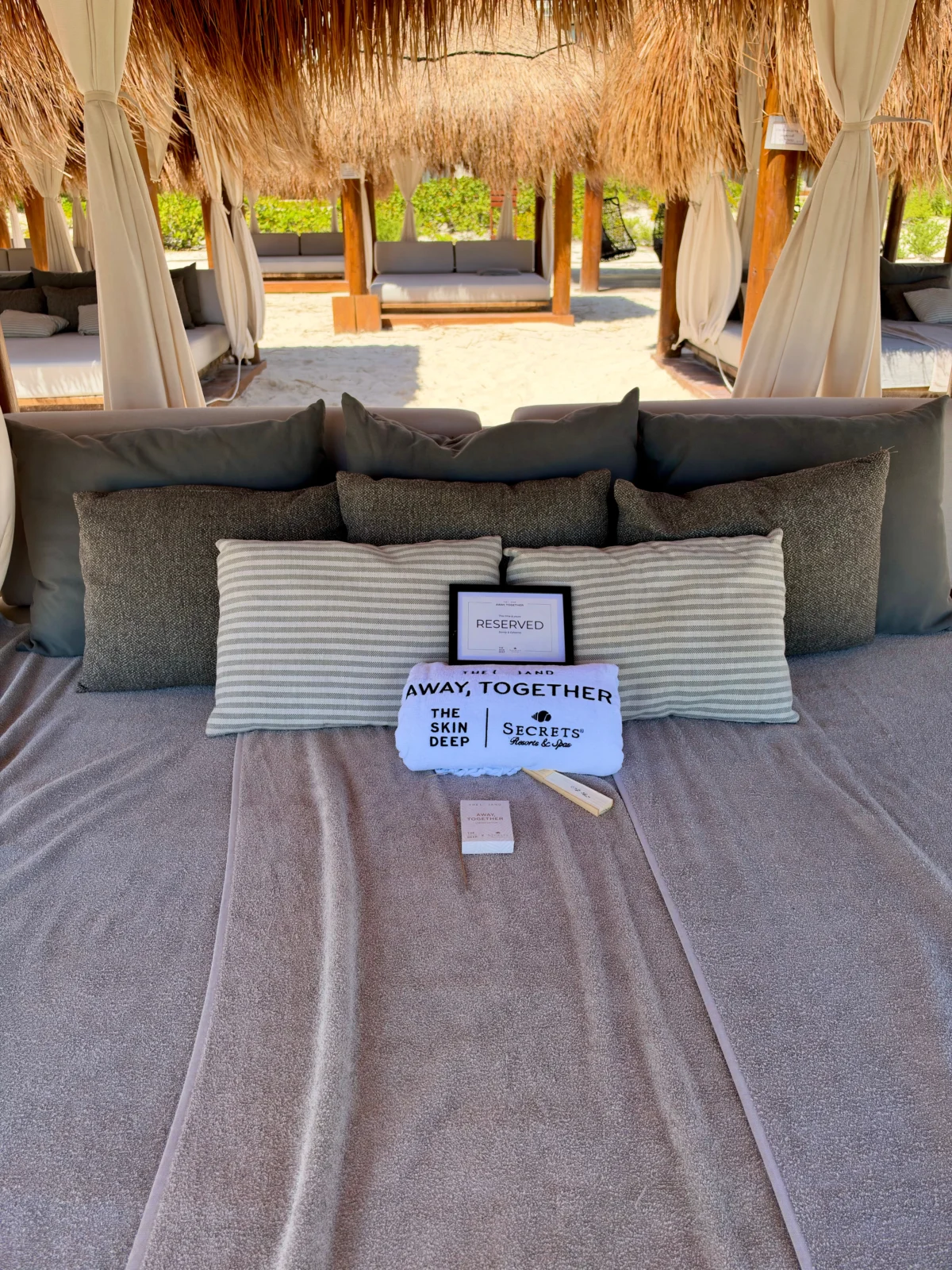
When The Skin Deep, a media company dedicated to exploring the nuances of human connection, partnered with Secrets Resorts & Spas for a limited-edition collaboration, it felt as though our personal philosophy had been transformed into a tangible experience. The result of this collaboration is the "Away, Together" Conversation Card Game. Designed specifically for couples on vacation, the deck serves as a prompt for partners to disconnect from the digital noise and reconnect with one another.
In a world where travel is often defined by the "Instagrammable" moment or the checklist of tourist sites, this collaboration invites couples to prioritize the "slow burn" of emotional intimacy. The initiative suggests that a luxury resort is not merely a backdrop for a photo, but a sanctuary for the kind of vulnerability that is often sidelined by the pressures of daily life.
A Chronology of Connection: The Mexico Experience
Our recent trip to Mexico served as the testing ground for this concept. Away from the demands of our careers in New York and the routine of our household, the environment was ripe for discovery.
Day One: Establishing the Ritual
Upon arrival at the resort, the ease of the environment allowed us to settle into a rhythm. While many couples might spend their dinners discussing the next day’s itinerary or the quality of the hotel amenities, we chose to integrate the "Away, Together" cards into our dining experience.
Day Three: The Deep Dive
As the trip progressed, the questions moved from playful to profound. One specific prompt—"What is the pain in me you wish you could heal and why?"—shifted the tone of our evening. This question required more than a surface-level response; it demanded a synthesis of everything we had learned about each other over the past year. To answer it, we had to reflect on the stories we had shared, the vulnerabilities we had exposed, and the specific emotional burdens we each carried. It was a stark reminder that active listening is the highest form of intimacy.
Day Five: Looking Toward the Future
Toward the end of our stay, we tackled the question: "Ten years from now, how do you think our vacations are going to differ and what do you hope remains the same?" This sparked a vital dialogue about our future. With my partner already being a parent to a six-year-old daughter, and our shared vision of expanding our family, the reality of our travel life will inevitably shift. We discussed the logistical evolution—more suitcases, more planning, and a different pace—balanced against our shared hope that our innate curiosity for the world remains uncorroded by the responsibilities of parenthood.
Supporting Data: The Science of Intentional Dialogue
The efficacy of using structured prompts to enhance relationship satisfaction is backed by a growing body of psychological research. Studies in relational psychology have long suggested that "self-disclosure"—the act of sharing personal information—is a primary predictor of relationship longevity.
According to data from relationship experts, couples who engage in "deep talk" rather than "small talk" experience higher levels of reported empathy and emotional security. The "Away, Together" card game utilizes principles similar to the "36 Questions to Fall in Love" model developed by Dr. Arthur Aron, which posits that sustained, escalating reciprocal self-disclosure can foster closeness between strangers and solidify bonds between established partners.
By removing the "mental load" of having to come up with meaningful topics, these cards provide a cognitive off-ramp, allowing couples to focus entirely on the emotional exchange.
Official Perspectives: The Philosophy of Connection
The partnership between The Skin Deep and Secrets Resorts & Spas reflects a growing trend in the hospitality industry: the "experience economy" is shifting toward "meaningful travel."
In an interview regarding the collaboration, spokespeople for The Skin Deep emphasized that the goal was to create a bridge between the physical act of traveling and the psychological act of bonding. The resort environment, which naturally lowers stress and removes the friction of daily chores, acts as an ideal laboratory for this. By providing the tools to steer conversation, the collaboration addresses the "communication rut" that many long-term couples report encountering after the initial novelty of a relationship fades.
Implications for Modern Relationships
The success of our experiment has significant implications for how we view modern romance. In an era of high-speed digital interaction, the capacity for "slow-motion" communication is becoming a luxury.
- Breaking the Communication Barrier: Even for those in healthy relationships, communication can become functional rather than emotional. We often spend our time discussing schedules, finances, and household management. Tools that force a pivot to emotional topics help maintain the "intimacy muscle."
- The Evolution of Vulnerability: My partner’s admission that the cards helped him become more communicative was perhaps the most surprising outcome of the trip. It revealed that even a willing partner may lack the vocabulary or the "opening" to discuss deeper emotions. Providing that opening is an act of service.
- Curiosity as a Foundation: The most important takeaway is that curiosity is not just for the early days of dating. It is a proactive choice. By continuing to ask questions—even when we think we know the answers—we allow our partners the space to evolve. People change, and by failing to ask the new questions, we risk falling in love with a version of our partner that no longer exists.
Moving Forward: Bringing the Vacation Home
As we transition back into our daily routines in New York, the challenge is not to leave the lessons of Mexico in the hotel room. The goal is to cultivate the same level of intentionality in our living room.
The "Away, Together" cards have taught us that we don’t need a resort balcony to engage in deep connection; we only need to designate the time and the space. Whether it is over a Sunday morning coffee or during a quiet evening after the bustle of the work week, we have integrated this practice into our permanent repertoire.
As I look toward the second year of our relationship, I am struck by the paradox of intimacy: the more you know someone, the more you realize how much there is left to discover. We will keep pulling out the cards, not because we don’t know each other, but because we are committed to knowing each other better with every passing year. We are not just traveling across the globe; we are traveling into each other, one question at a time.
