

By Nora DeLigter
In the landscape of New York City real estate, the narrative has long been one of attrition. If you have lived here for any significant duration, you are intimately familiar with the "Brooklyn Trade-off"—the silent, soul-crushing contract every renter signs upon moving into a new apartment. It is a Faustian bargain where square footage, sunlight, proximity to the subway, and a bathroom that doesn’t resemble a dungeon are pitted against one another in a zero-sum game.
As of mid-October 2026, this calculus has shifted from challenging to near-impossible. The current rental market is defined by a paradox: record-high rents are now standard, yet the quality of the inventory is increasingly erratic. For the prospective tenant, the experience is no longer about finding a "dream home"; it is about finding the least objectionable compromise.
The State of the Market: A Mid-October Snapshot
The data for October 2026 confirms what anecdotal evidence has suggested for months. Competition remains fierce, with lines of prospective tenants trailing out of building entrances for even the most lackluster studios. The "entry-level" apartment—a term that once held a modicum of hope—now commands prices that were, only a few years ago, reserved for luxury units.
The current market is defined by the following hierarchy of needs:
- The Window Factor: A premium is now placed on natural light, a commodity that is increasingly rare in the older, subdivided brownstones of Brooklyn.
- The Renovation Gap: Renters are frequently forced to choose between "original charm" (which often includes faulty plumbing and drafty windows) and "landlord special" renovations (marked by cheap, monochromatic tile and aggressively bright LED track lighting).
- The Transit Tax: The closer an apartment is to a primary subway artery, the more exponentially the rent climbs, often forcing residents to move into "transit deserts" to keep their monthly expenses under the 40-times-the-rent income requirement.
Chronology of a Crisis: How We Got Here
The current volatility is not a sudden phenomenon but the result of a multi-year convergence of economic factors.
- 2023–2024: The post-pandemic migration surge hit Brooklyn with unprecedented force. As Manhattan rents skyrocketed, the "spillover effect" turned neighborhoods like Clinton Hill and Cobble Hill into high-demand zones.
- 2025: Inventory hit a historic low. Developers, hampered by high interest rates and construction costs, failed to complete new rental projects at the pace required to meet demand.
- Early 2026: The implementation of new property tax assessments and rising insurance premiums for multi-family buildings forced landlords to pass costs directly to tenants, pushing average rents in Brooklyn past the $4,000 mark for modest two-bedroom units.
- October 2026: We have arrived at a point of market saturation. Tenants are now actively "churning"—moving every year to chase slightly better deals or to escape aggressive rent hikes, further fueling the instability of the market.
The Anatomy of the Trade-off: Case Studies in Compromise
To understand the current market, one must look at the specific offerings currently available. The following units illustrate the extreme spectrum of the "Brooklyn Trade-off."
The "Good Bones" Gamble (90 Clinton Avenue)
At $4,100 for a three-bedroom, this Queen Anne-style building represents the "diamond in the rough." While the architecture is sublime, the reality is a classic case of neglected infrastructure. The bathrooms are dated, and the window-to-square-footage ratio is suboptimal. It is a deal for those who value historical aesthetic over modern convenience.
The Industrial Pivot (275 Park Avenue)
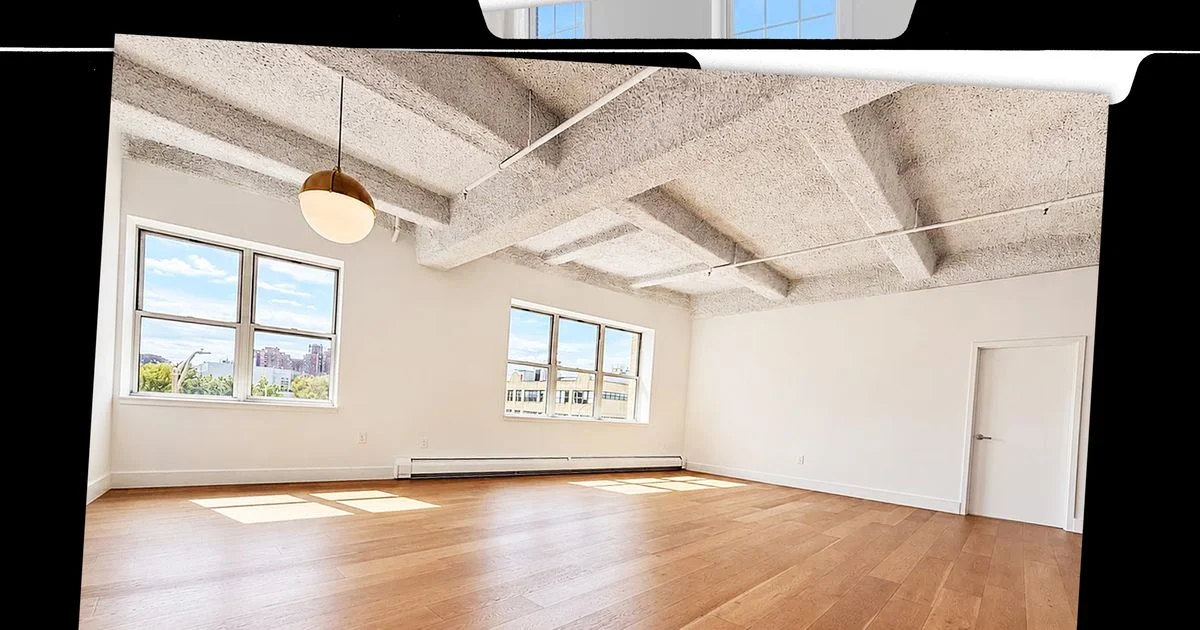
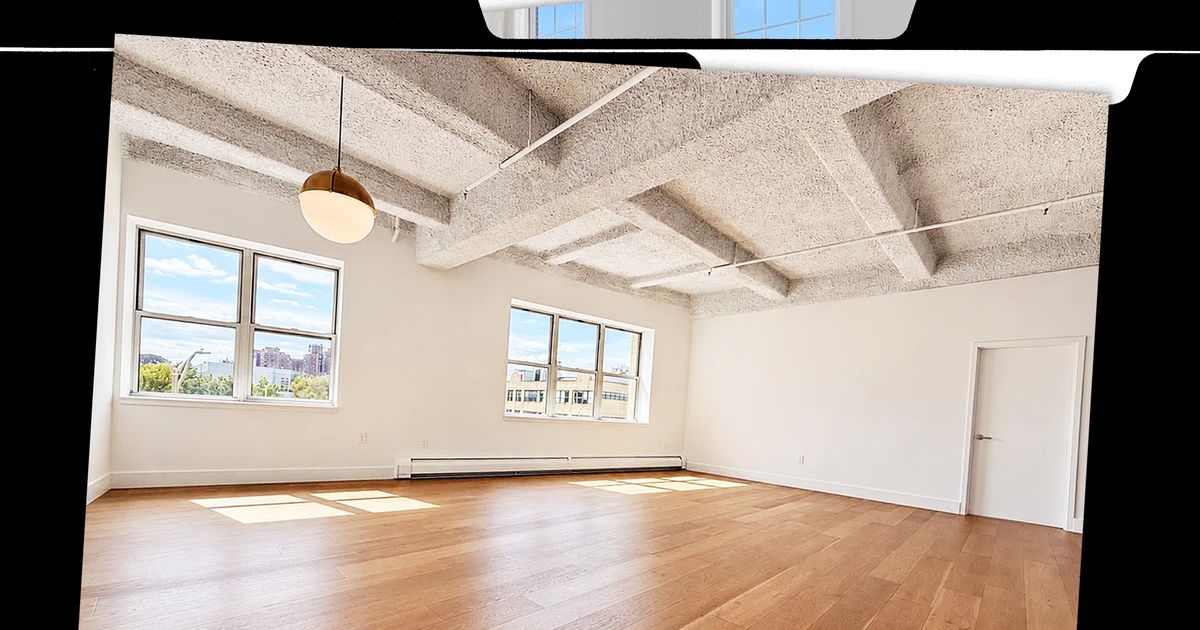
For those fleeing the traditional townhouse aesthetic, the Navy Yard area offers industrial lofts. At $6,275 for a two-bedroom, these units provide open space and high ceilings, but they often sacrifice the "neighborhood feel" of classic Brooklyn, placing residents in a more isolated, albeit modern, environment.
The "Chamber Pot" Duplex (319 Union Street)
Perhaps the most egregious example of the current market is the $6,000 two-bedroom duplex. With exposed beams and an attic-level bedroom, the layout is questionable at best. It serves as a reminder that in 2026, "unique layout" is often a euphemism for "we turned a storage closet into a bedroom."
Supporting Data: Why Your Rent Won’t Stop Rising
Economic analysis from the NYC Department of Housing indicates that vacancy rates in Brooklyn have hovered below 2% for the third consecutive quarter. When vacancy rates are this low, the "renter’s choice" evaporates.
Furthermore, the "price-per-square-foot" in Brooklyn has seen a 12% increase compared to the same period in 2025. This, paired with a stagnant wage growth in the creative and service sectors—the bedrock of Brooklyn’s economy—has created a widening gap between what residents earn and what they are forced to spend on basic shelter.
Official Responses and Policy Implications
City officials and housing advocacy groups remain locked in a stalemate. The Mayor’s office has pointed to "The Housing Opportunity Act of 2026," which aims to incentivize the conversion of commercial office space into residential units. However, urban planners argue that these conversions are slow-moving and unlikely to provide relief to the average renter in the immediate term.
"We are seeing a systemic failure of supply," says Dr. Aris Thorne, a housing economist at NYU. "Until we address the zoning restrictions that prevent higher-density development in transit-rich areas, the Brooklyn trade-off will only become more severe. Renters are currently being asked to pay ‘luxury’ prices for ‘legacy’ infrastructure."
The Psychological Toll: Beyond the Monthly Bill
The implications of this market are not merely financial. There is a tangible psychological toll on the city’s population. The constant need to "investigate" potential homes—to check for mold, to verify if a third bedroom is actually just a walk-through closet, or to debate the necessity of a fireplace against the lack of a dishwasher—is a form of chronic stress.
For many, the "Brooklyn Trade-off" is leading to a quiet exodus. Younger professionals, who once viewed Brooklyn as the cultural center of the world, are increasingly looking toward the outer boroughs or leaving the city entirely. This loss of density and diversity threatens to change the very character of the borough.
Conclusion: Living with the Trade-off
If you are currently looking for an apartment, my advice is simple: decide what you can live without. Do you need the proximity to the subway, or would you prefer a bathroom that doesn’t require an exorcism? Do you need the sunlight, or can you settle for a basement-level unit with a private garden?
The market is, for the moment, indifferent to your preferences. It is a machine that operates on high demand and low supply, and it will continue to churn out these compromises until the supply-demand curve finds a new equilibrium. Until then, we continue to hunt, we continue to compromise, and we continue to pay.
Good luck out there. You’re going to need it.
