

For many individuals over the age of 55, the physical changes that accompany the natural aging process can feel daunting. Among the most common concerns is the development of a panniculus—medically known as an apron belly. This fold of skin and fatty tissue, which hangs from the lower abdominal region, is not merely a cosmetic concern; it is a physiological reality that often follows significant weight fluctuations, pregnancy, or the natural loss of skin elasticity that occurs as we age.
While the desire to "target" this area is universal, the path to a firmer, more supported midsection is rooted in science, posture, and consistent strength training. We spoke with Jacob Siwicki, founder of Siwicki Fitness and a highly regarded fitness expert, to demystify the process of abdominal strengthening and body composition improvement for those in their golden years.
The Reality of the Panniculus: Understanding the Anatomy
To address the apron belly effectively, one must first understand what it is. A panniculus occurs when skin and underlying tissue are stretched beyond their elastic limit. Over time, particularly following significant weight loss or gain, the skin loses the collagen and elastin required to "snap back" to its original shape.
Beyond aesthetics, this excess tissue can create a dark, warm environment that traps moisture, potentially leading to skin irritation, fungal infections, or medical conditions like panniculitis. It is a common misconception that localized fat loss is possible; however, Siwicki emphasizes that while you cannot "spot-reduce" fat through exercise, you can fundamentally alter the structural integrity of the muscles supporting your abdomen.
Expert Insights: The Siwicki Philosophy
Jacob Siwicki, whose credentials include NCSF and AFAA certifications and a decorated history as a top-tier Equinox group fitness instructor, approaches the midsection with a focus on holistic strength.
"Exercise can strengthen the abdominal wall, rebuild muscle, and significantly improve posture," Siwicki explains. "Stronger glutes and a stronger deep core work in tandem to align the ribs and pelvis. When these structures are properly aligned, the stomach appears more supported and refined. However, it is vital to be realistic: exercise cannot choose where fat comes off, nor can it remove loose, excess skin. These exercises are about internal strength, structural integrity, and long-term health."
The Chronology of Change: Why Morning Moves Matter
Incorporating these movements into your morning routine serves a dual purpose. First, it stimulates the metabolism early in the day. Second, it acts as a "wake-up call" for your postural muscles, ensuring that you hold your body in a neutral, supported position for the remainder of the day.
Phase 1: The Foundation (Weeks 1–4)
Focus on form. Do not rush the repetitions. The goal is to establish a mind-muscle connection. If you feel pain in your lower back, scale back the intensity.
Phase 2: The Stabilization (Weeks 5–8)
As you become more comfortable, introduce controlled breathing. Exhale on the exertion phase of each movement to engage the deep transverse abdominis—the body’s natural corset.
Phase 3: The Integration (Weeks 9+)
At this stage, you may consider adding light resistance or increasing the duration of the holds. Consistency is the primary driver of change.
Five Essential Moves for a Stronger Core
1. Dead Bugs
The Dead Bug is the gold standard for core stabilization. It teaches you to keep your spine neutral while moving your limbs, which is essential for protecting the lower back.
- The Technique: Lie on your back, arms extended toward the ceiling and legs in a tabletop position. Slowly lower your right arm behind your head while extending your left leg straight out. Return to center and switch sides.
2. Bird Dog
This move is exceptional for balance and spinal stability, targeting the muscles that run along the spine and the deep core.
- The Technique: Start on all fours. Simultaneously extend your right arm forward and your left leg backward, keeping your hips square to the floor. Focus on length rather than height.
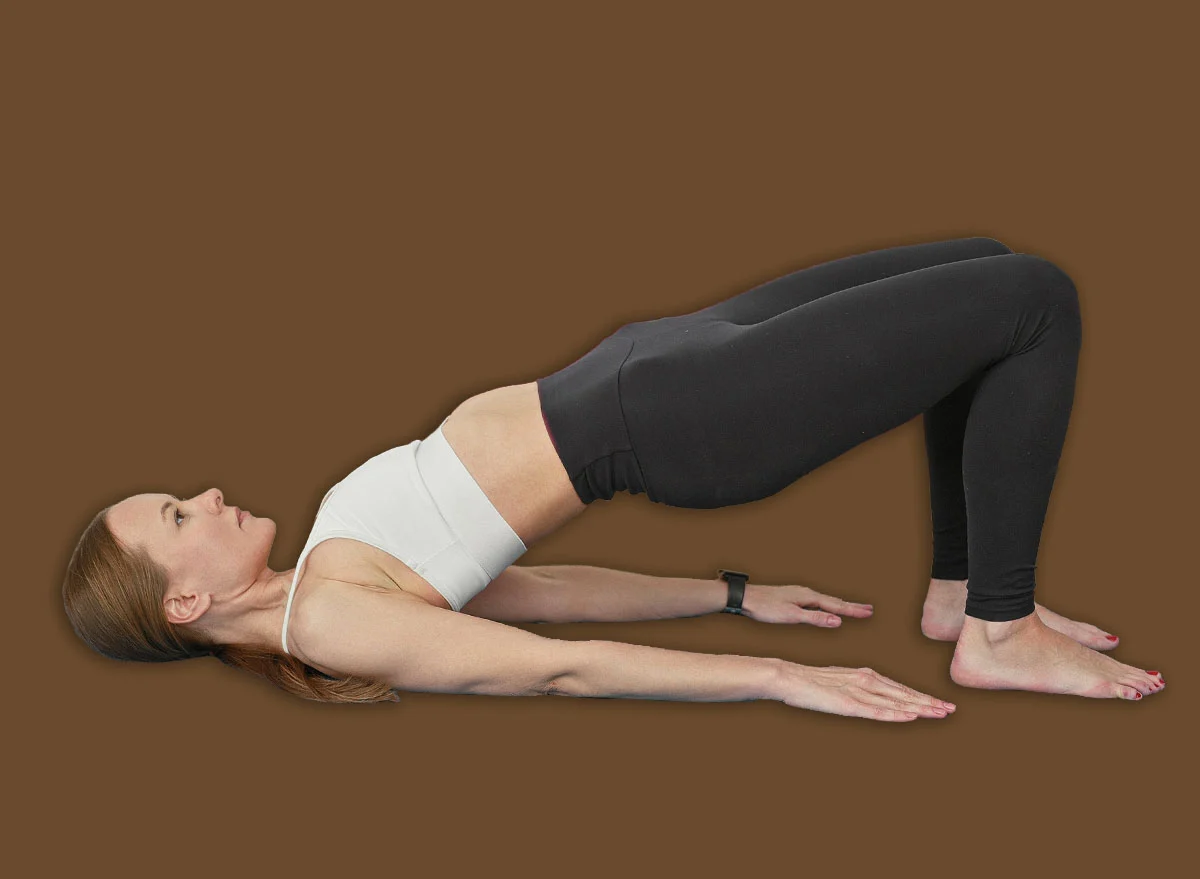
3. Glute Bridges
The glutes are the foundation of the core. When the glutes are weak, the lower back and abdomen compensate, often leading to poor posture and a protruding stomach.
- The Technique: Lie on your back with knees bent and feet flat. Squeeze your glutes to lift your hips toward the ceiling, creating a straight line from your shoulders to your knees. Hold at the top for three seconds.
4. Suitcase Carry
Functional training at its best, the suitcase carry forces your obliques to stabilize your spine against an uneven load, mimicking real-life tasks like carrying groceries.
- The Technique: Hold a weight in one hand, standing tall with your shoulders back. Walk forward with a steady, controlled gait, ensuring your torso does not lean toward the weighted side.
5. Goblet Squats
Squats are a compound movement that recruits the entire core. Holding a weight at chest height (the goblet position) forces the abs to work overtime to prevent the torso from collapsing forward.
- The Technique: Hold a kettlebell or dumbbell at your chest. Keep your chest up and core braced as you sit back into a squat, ensuring your knees track over your toes.
Supporting Data: Why Cardio Isn’t Enough
Many individuals over 55 default to steady-state cardio (such as walking or elliptical machines) to manage their weight. While cardiovascular health is paramount, it does not build the structural muscle required to support the abdomen.
Studies consistently show that muscle mass naturally declines with age (a process called sarcopenia). By shifting the focus to strength-training exercises, you increase your resting metabolic rate. Muscle tissue is metabolically expensive, meaning the more muscle you have, the more calories your body burns throughout the day, even at rest. This creates the environment necessary for sustainable fat loss and a more defined silhouette.
Implications: A New Approach to Aging
The shift toward strength-based movement for the midsection has profound implications for quality of life. An apron belly can shift your center of gravity, leading to lower back pain and balance issues. By addressing the deep abdominal muscles and strengthening the posterior chain (glutes and back), you are not just working toward a flatter look; you are actively investing in your mobility and independence.
"These exercises can make you stronger," Siwicki concludes. "They can improve your posture. They can support a healthier body composition. The visual change will be different for everybody, but the internal benefits—the ability to move with ease and stability—are universal."
Final Considerations
Before beginning any new exercise regimen, particularly after age 55, it is recommended to consult with a physician or a physical therapist. Listen to your body, prioritize quality of movement over quantity of repetitions, and remember that real, lasting change is a result of cumulative effort, not a single morning workout. By combining these five movements with a balanced diet and a positive mindset, you can take control of your physical health and build a stronger, more resilient core for the years to come.
