

In an advertising landscape currently saturated with high-stakes betting apps and prediction markets, brands are increasingly engaged in an arms race for consumer attention. From "looksmaxxing" makeovers to provocative, minimalist campaigns, the industry has turned to a reliable, albeit expensive, strategy: the celebrity power play.
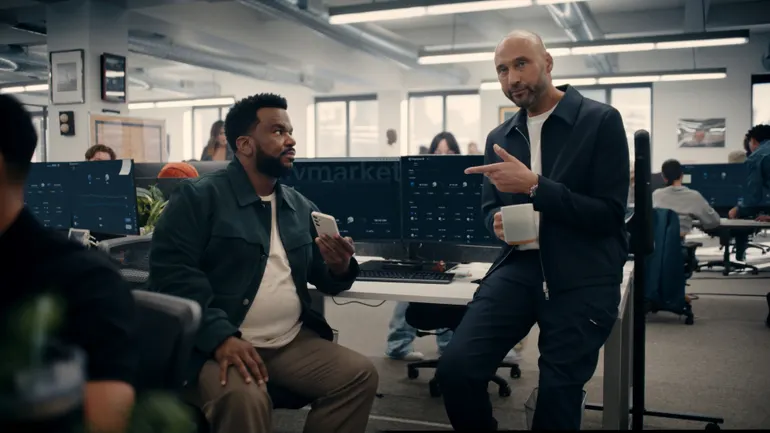
Polymarket, the decentralized prediction market platform, has officially entered the fray with a sprawling, star-studded creative endeavor titled "Polymarket HQ." By moving beyond the traditional reliance on singular brand ambassadors, Polymarket has built a fictional, high-energy skyscraper that functions as a microcosm of the modern betting experience—a move that signals a pivot toward mass-market appeal.
The Genesis of the "Polymarket HQ" Concept
Launched in September, the "Polymarket HQ" campaign centers on a 60-second anthem spot that transports viewers into a colossal, bustling corporate headquarters. The building is meticulously divided into specialized floors dedicated to the pillars of the platform’s betting ecosystem: politics, the economy, culture, and technology.
The narrative hook is simple yet effective: the skyscraper serves as the nerve center for the chaotic, fast-paced world of prediction markets. In the anchor spot, NBA icon LeBron James acts as the viewer’s guide, swiping an elevator button to ascend to the sports floor. Upon entry, the viewer is met with a frenetic, open-office environment that captures the visceral energy of a Wall Street trading floor, reimagined for the digital betting age.
The sequence is a rapid-fire parade of pop-culture relevance. Actor John Leguizamo operates a football Jugs machine; legendary coach Bob Stoops practices his short game on a mini-golf setup; director Spike Lee engages in a spirited discussion with WNBA icon Sue Bird. The floor is packed with heavy hitters—Derek Jeter, comedian Craig Robinson, Alexandra Daddario, and Emily Ratajkowski—all seamlessly integrated into the chaotic fabric of the office.
The climax of the anthem spot is quintessential sports spectacle: quarterback Eli Manning turns the tables on cornerback Richard Sherman, tackling him through a drywall partition. As ticker tape rains down and a marching band blares the triumphant chords of rapper Jay Rock’s "Win," the brand’s message is clear: Polymarket is where the action lives.
A Chronology of the Creative Rollout
The campaign was not merely a singular viral moment but a calculated, multi-phase rollout designed to sustain momentum.
- September Launch: The debut of the "Polymarket HQ" anthem spot introduced the world-building concept, establishing the skyscraper as the brand’s signature creative vessel.
- Expansion Phase: Following the anthem, the campaign shifted to smaller, narrative-driven vignettes. These spots focused on specific "squad" dynamics within the office, highlighting individual features of the platform.
- The "Squads" Integration: Polymarket began pushing its "Squads" feature—a social betting tool—by showcasing the celebrities in micro-interactions. One standout 30-second spot features Manning, Stoops, and running back Reggie Bush navigating the complexities of football trades, underscored by a heavy metal soundtrack that amplifies the platform’s high-octane brand identity.
- Ongoing Deployment: The ads are currently permeating the U.S. market across television, digital platforms, out-of-home (OOH) displays, and social media channels.
Data and Strategic Underpinnings
While the creative flair is undeniable, the strategy behind the roster is rooted in a pragmatic approach to influencer marketing. The inclusion of LeBron James is particularly notable; reports indicate that James has signed a partnership worth approximately $15 million annually. Interestingly, his focus is strictly on football-related betting, a pivot that separates his brand identity on the platform from his career on the basketball court.
The campaign was produced in collaboration with the Stagwell creative agency Today on the Moon. According to Tom Suharto, Chief Strategy Officer at the agency, the concept was designed with "expandability" at its core.
"It really was about building this expandable world," Suharto explained. "We wanted to dive into what would happen in a fictional Polymarket office, but we needed a space that allowed us to fill it with interesting people. While we were fortunate to have a massive celebrity roster, the format allows us to tell a diverse range of stories."
The logistical hurdles of managing such a high-profile cast were immense. The agency faced a production schedule defined by constant "curveballs," such as shifting availability of talent. However, because the overarching world was clearly defined, the team could swap talent into the "office" narrative without compromising the structural integrity of the campaign.
Official Responses and Creative Vision
The leadership at Polymarket has been vocal about the importance of translating the excitement of real-world sports into a digital product experience.
"Polymarket HQ brings the energy of sports and prediction markets to life in a way that feels unmistakably Polymarket: bold, unexpected, and built around the people and moments that make sports so fun," said Travis VanderZanden, Chief Growth Officer at Polymarket. "‘Squads’ puts that same energy directly into the product."
For the agency side, the priority was maintaining relatability despite the "superstar" status of the cast. "Audiences have such a deep, pre-existing relationship with these people," Suharto noted. "We didn’t want to overcomplicate the narrative. We just wanted to tell a relatable story about what it would be like for these individuals to be hanging out together—whether they are in a Squad or live trading—and allow for natural fun to occur."
Implications for the Betting Industry
The "Polymarket HQ" campaign carries significant implications for how brands compete in the crowded prediction market sector.
1. The Power of "World-Building"
By creating a fictional, recurring location, Polymarket has differentiated itself from competitors who rely on disconnected, one-off celebrity testimonials. A "world" allows for infinite future chapters, enabling the brand to pivot toward different verticals—such as political or economic news—without having to reinvent its entire creative identity.
2. Doubling Down on the "Super Bowl" Playbook
While many mid-tier brands might opt for niche influencers, Polymarket is betting heavily on A-list celebrity power. This strategy mimics the high-stakes, high-visibility approach typically reserved for Super Bowl advertisers. It suggests that for Polymarket, capturing mass-market awareness is currently more critical than targeting segmented, niche demographics.
3. Flexibility in a Volatile Market
The decision to make the "HQ" modular is a strategic hedge against the volatility of the prediction market landscape. As regulatory environments shift and cultural interests evolve, the ability to swap characters, themes, and "floors" of the building provides the marketing team with a level of agility that many competitors lack.
4. The Humanization of Data
Prediction markets can often feel cold, clinical, or overly technical. By injecting the chaotic, human energy of celebrities like Eli Manning and Spike Lee, Polymarket is effectively "humanizing" the data. The ads shift the focus from the mathematical complexity of betting to the social, tribal, and fun aspects of participating in a community.
Conclusion
Polymarket’s "HQ" campaign represents a sophisticated evolution in the marketing of betting platforms. By synthesizing a star-studded talent roster with a scalable, fictional narrative, the brand has created a high-visibility framework that feels both grand and intimate. As the company continues to navigate an increasingly crowded marketplace, the "HQ" world stands as a testament to the power of big-budget storytelling in the digital age. Whether the strategy will yield the long-term user retention the brand seeks remains to be seen, but for now, Polymarket has successfully ensured that it is the loudest voice in the room.
