

LAS VEGAS — The Mandalay Bay Convention Center became the epicenter of the global retail world from September 22–24, as Groceryshop 2026 welcomed over 4,000 industry leaders to navigate a landscape undergoing its most profound transformation in half a century. As the premier event for the "everyday retail ecosystem," this year’s iteration proved that the intersection of technology, health, and commerce is no longer a distant horizon but a present reality.
With a record-breaking 30,000 co-matched business meetings facilitated through its proprietary “Meetup” program, the event served as a high-velocity engine for deal-making and strategic alignment. However, beyond the handshakes and the high-tech kiosks, the three-day summit highlighted a sobering truth: the traditional grocery cart is being dismantled and rebuilt by artificial intelligence, shifting health demographics, and a new era of retail-as-a-media-platform.
Main Facts: A Milestone for the Retail Ecosystem
Groceryshop 2026 was characterized by its scale and its focus on actionable connectivity. Owned by the Hyve Group, the event has evolved from a niche trade show into a mandatory summit for C-suite executives from grocery chains, consumer packaged goods (CPG) brands, and logistics providers.
Key Statistics of the 2026 Summit:
- Attendance: Over 4,000 retail leaders, including representatives from 90% of the top 50 global grocers.
- Networking Scale: The "Meetup" program facilitated 30,000+ curated meetings, a 15% increase from the previous year, utilizing AI-driven algorithms to pair vendors with retailers based on specific procurement needs.
- Core Themes: Three pillars dominated the discourse: the integration of Generative AI into the consumer shopping journey, the impact of GLP-1 medications on purchasing volume, and the maturation of Retail Media Networks (RMNs) into core business units.
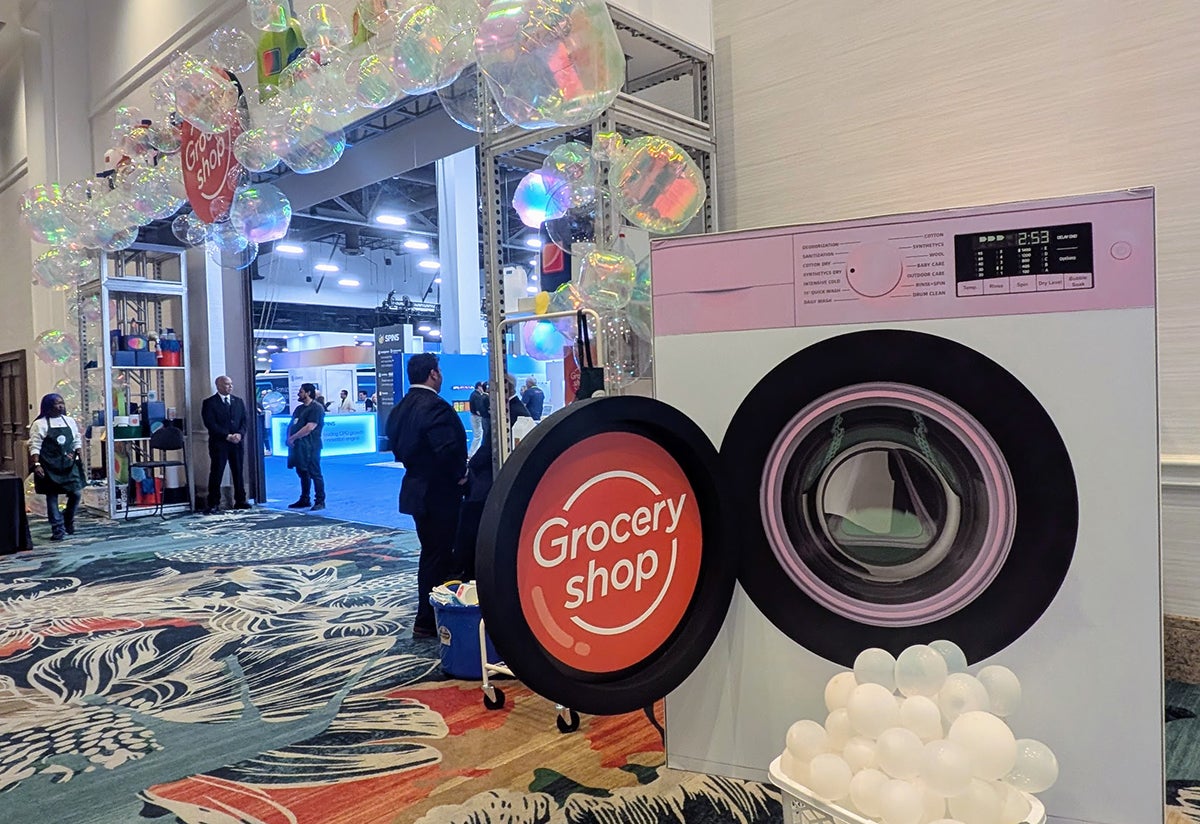
The event demonstrated that while digital efficiency is paramount, the physical trade show floor remains the "town square" of the industry. The presence of immersive "entrance moments"—including a whimsical bubble-themed entry featuring an oversized washing machine—signaled a move toward "retail-tainment" even within B2B environments.
Chronology: Three Days of Disruption
The timeline of Groceryshop 2026 followed a strategic arc, moving from high-level networking to granular technological demonstrations and finally to a synthesized vision of the future.
Day 1: The Immersion and the Meetup
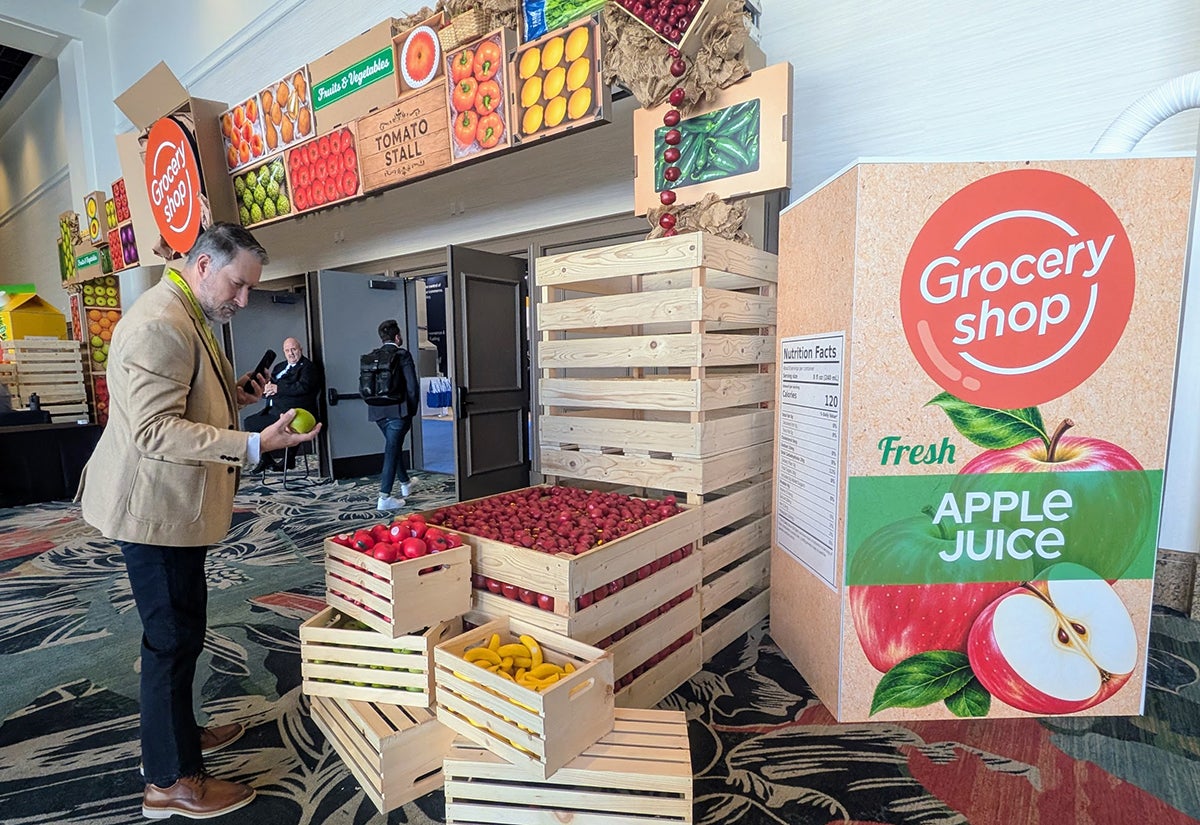
The opening day focused on breaking down the barriers between attendees. The first entrance to the show floor set the tone with a sensory-heavy experience where fruits and vegetables were reimagined as "swag squishies," blending the organic nature of the industry with the playful nature of modern branding. The primary focus of Day 1 was the launch of the "Meetup" sessions. These 15-minute speed-dating style meetings were designed to maximize ROI for exhibitors, ensuring that the 4,000 attendees were not just wandering the aisles but engaging in high-intent commerce.
Day 2: The Deep Dive into "Phygital" Retail
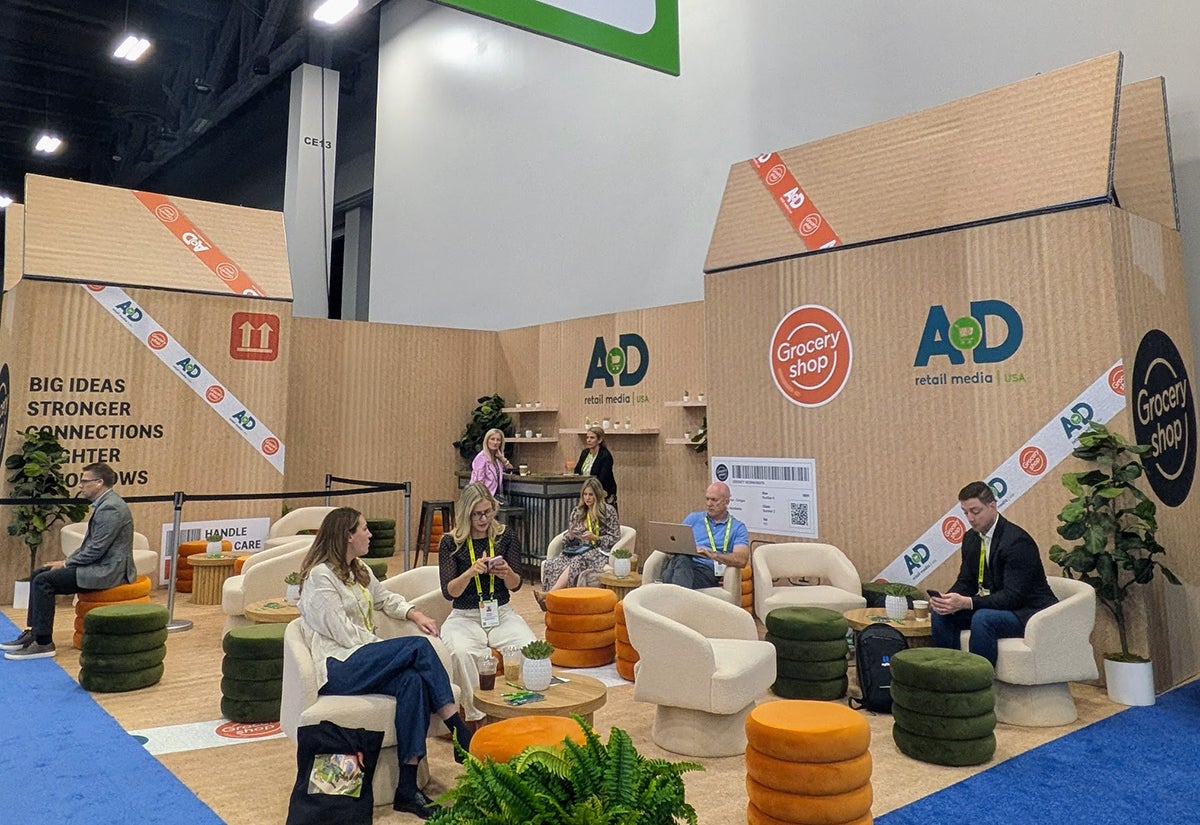
By the second day, the focus shifted to the "phygital" (physical plus digital) experience. Major players like Instacart showcased their "Foodstorm" ordering technology at "The Growth Bar." Here, the abstract concept of "omnichannel" became tangible: attendees ordered artisanal beverages via touchscreens and picked them up at a physical bar, mirroring the high-tech cafe experiences now standard in premium grocery stores. This day also saw the height of the "Unpacked Lounge" by AD Retail Media, which utilized a bought-out wedding chapel to host intimate strategy sessions, proving that off-floor spaces are becoming as vital as the booths themselves.
Day 3: Synthesis and Takeaways
The final day was dedicated to measurement and synthesis. Using the "Snapsight" platform, AI-generated takeaways from the various sessions were made available in six languages via QR codes posted at stage entrances. This allowed busy executives to digest the three-day firehose of information into actionable bullet points. The Hyve Group also utilized this time to conduct real-time sentiment surveys, ensuring that the 2027 planning process began before the 2026 doors even closed.
Supporting Data: The Drivers of Change
The discussions at Groceryshop 2026 were backed by significant shifts in consumer data and market economics.
1. The AI-First Shopping Journey
Data presented at the show indicated that by 2026, nearly 40% of consumers will utilize some form of AI assistant—be it through a smart fridge, a mobile app, or a voice interface—to build their grocery carts before they ever "set foot" in a digital or physical store. This shift means that brands are no longer just competing for "shelf eye level"; they are competing for "algorithm priority."
2. The GLP-1 Effect
The rise of GLP-1 medications (such as Ozempic and Wegovy) has moved from a pharmaceutical trend to a retail crisis. Industry analysts at the event shared data suggesting a 12% reduction in calorie-dense snack purchases among users of these medications. This has forced grocers to pivot toward nutrient-dense, high-protein, and smaller-portion offerings to maintain basket value.
3. Retail Media Evolution
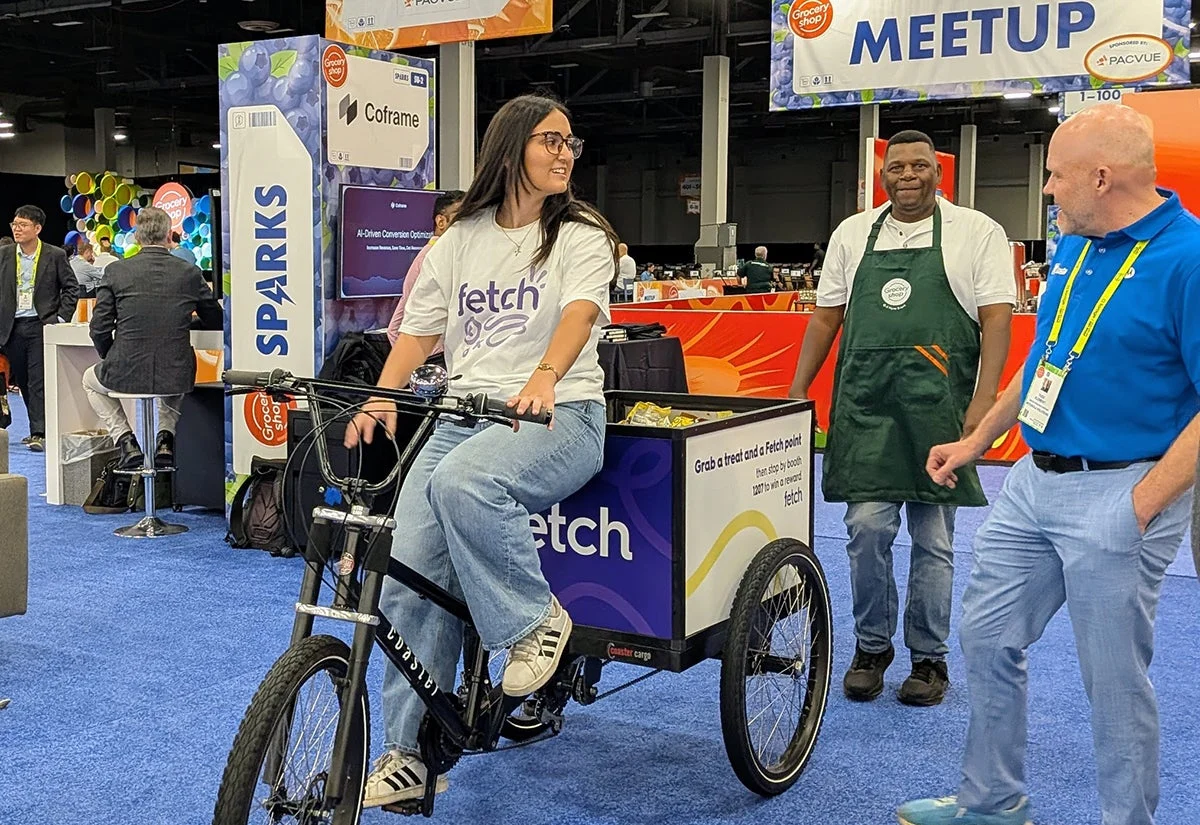
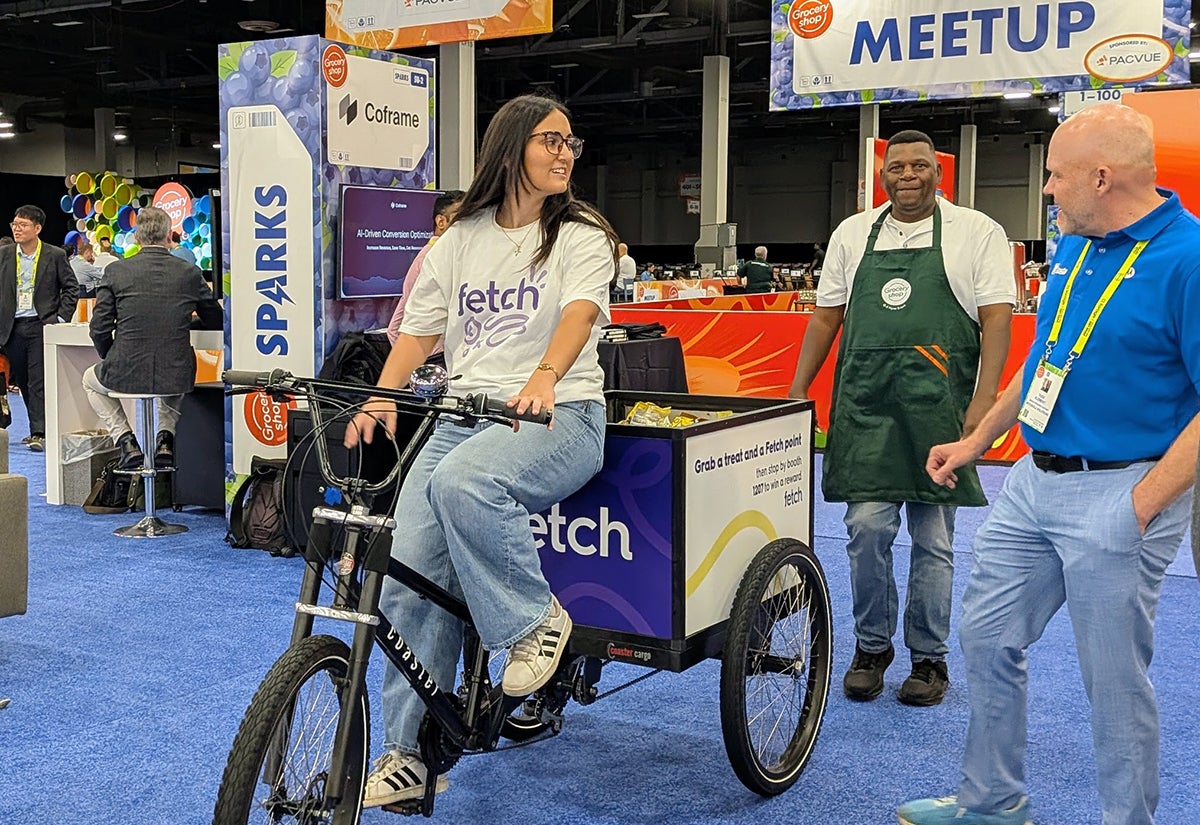
Retail Media has officially transitioned from a secondary advertising channel to a "core part of the retail ecosystem." Projections shared at the Mandalay Bay suggest that retail media spend is expected to outpace traditional TV advertising by 2027. Brands like Fetch demonstrated this by using mobile engagement—branded bicycles circulating the floor with snacks—to show how digital rewards can drive physical foot traffic and brand loyalty in real-time.
Official Responses: Voices from the Vanguard
The sentiment of the event was perhaps best captured by Rocquan Lucas, Vice President of Content at Groceryshop. In an official statement, Lucas highlighted the urgency of the current moment.
“What we heard at Groceryshop 2026 is that the average grocery shopping cart is about to change more in the next few years than it has in decades,” Lucas noted. He emphasized that the convergence of AI-driven meal planning and the selective nature of the modern consumer—stretched by both budget constraints and health-conscious shifts—has created a "high-pressure" environment for brands.
“That puts real pressure on grocers and brands to make their product data machine-readable,” Lucas continued. “You cannot sell a product to an AI assistant if that assistant doesn’t understand the nutritional value, the carbon footprint, and the immediate availability of that item. We are moving from a world of ‘browsing’ to a world of ‘precision replenishment.’”
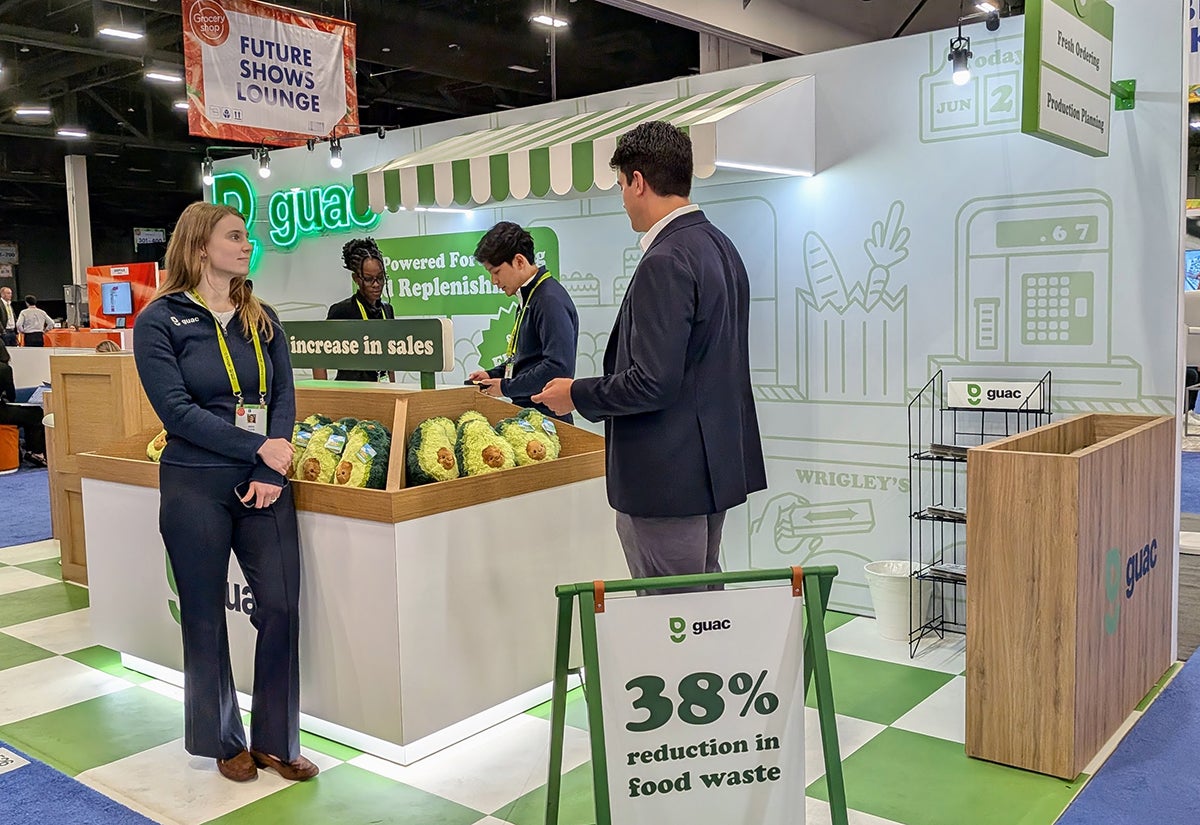
Other exhibitors echoed this need for simplicity and clarity. Representatives from Guac, an AI-powered replenishment platform, showcased how their technology led to a 38% reduction in food waste. Their messaging—distilled into simple, digestible flip signs—reflected a broader industry trend: in an era of information overload, the most successful brands are those that can communicate complex data benefits in seconds.
Implications: What Groceryshop 2026 Means for the Future
The takeaways from Groceryshop 2026 suggest a radical reshaping of the grocery landscape over the next five years.
The Death of the "Blind" Shop
The era of the consumer wandering aisles to see what "looks good" is ending. As AI takes over meal planning, the role of the grocer shifts from a warehouse of goods to a fulfillment center for pre-determined needs. Retailers will need to invest heavily in data infrastructure to ensure their inventory is visible to the "machine-buyers" of the future.
Redefining "Value"
"Value" is no longer just about the lowest price. For the 2026 consumer, value is a trifecta of price, health optimization (driven by the GLP-1 trend), and time-saving. Grocers who can offer "curated health" will win over those who simply offer "bulk discounts." This is evidenced by the success of platforms like Bazaarvoice, which emphasized the power of "consumer voices" and peer reviews in the decision-making process.
The Show Floor as a Laboratory
The event itself proved that B2B marketing is becoming as experiential as B2C marketing. The use of branded bicycles by Fetch and the "Growth Bar" by Instacart suggests that the future of trade shows is not in static booths but in "living labs." Exhibitors are no longer just showing products; they are demonstrating ecosystems.
Environmental and Social Governance (ESG) via Tech
Efficiency is becoming the primary driver of sustainability. Technologies like those showcased by Guac prove that reducing food waste is not just an ethical choice but a massive bottom-line saver. As margins in grocery remain razor-thin, the integration of AI for inventory precision will be the difference between profitability and obsolescence.
In conclusion, Groceryshop 2026 served as a vivid reminder that the "everyday retail ecosystem" is in a state of flux. The winners of the next decade will be those who can balance the high-tech demands of AI and data with the high-touch needs of a consumer base that still values the sensory experience of a delicious matcha or a perfectly ripe piece of produce. As the bubbles settled at the Mandalay Bay, the message was clear: the future of grocery is personal, precise, and profoundly digital.
