

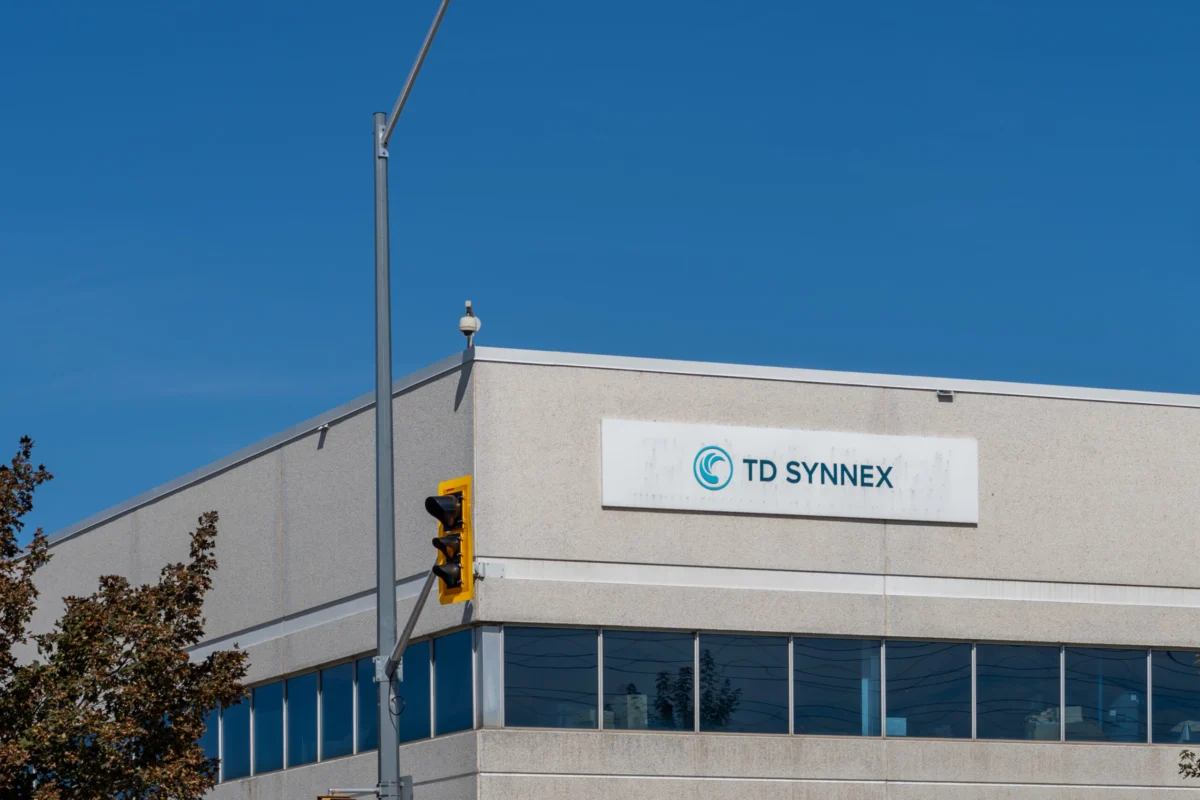
Global technology solutions aggregator TD Synnex has announced a significant strategic move, entering into a definitive agreement to acquire BlueStar, a prominent specialty distributor based in Clearwater, Florida. This acquisition marks a pivotal moment for TD Synnex, aiming to deepen its expertise and market penetration within specialized segments of the IT distribution landscape, including barcode scanners, point-of-sale (POS) systems, RFID technology, and robotics. The deal, pending regulatory approval, is expected to reshape the competitive dynamics for both vendors and resellers operating within these critical technology sectors.
The integration of BlueStar’s specialized knowledge and established partner network into TD Synnex’s expansive global infrastructure represents a calculated effort to enhance its value proposition across a broader spectrum of business technologies. While both companies will continue to operate independently until the transaction formally closes, the announcement has already sparked considerable discussion within the industry regarding the potential benefits and challenges for various stakeholders.
Strategic Rationale: Deepening Domain Expertise and Expanding Reach
TD Synnex, a titan in the global technology distribution arena, has consistently sought to fortify its offerings through strategic acquisitions and organic growth. The acquisition of BlueStar is particularly noteworthy for its focus on a niche yet vital segment of the IT market. BlueStar has cultivated a strong reputation for its specialized product portfolio and its deep technical understanding of automatic identification and data capture (AIDC) technologies, operational technology (OT), mobility solutions, and related business systems.
Reyna Thompson, President of North America for TD Synnex, expressed considerable enthusiasm for the integration. "BlueStar has built an outstanding reputation through specialization, technical expertise, and an unwavering commitment to its partners," Thompson stated in a press release. "We’re excited about the opportunity to combine BlueStar’s expertise in AIDC, operational technology, mobility, RFID, point-of-sale, and related technologies with the global resources, investments, and reach of TD Synnex." This sentiment underscores the strategic imperative behind the deal: leveraging BlueStar’s specialized acumen to complement TD Synnex’s existing global capabilities and market presence.
Miriam Murphy, President of EMEA for TD Synnex, echoed this sentiment, highlighting the value of BlueStar’s human capital. "In addition to BlueStar’s portfolio, the specialized knowledge and expertise within its team are central to the differentiated support and services it provides," Murphy commented. "Combined with the global capabilities of TD Synnex, those strengths have the potential to enhance opportunities for customers and vendors of both companies." This emphasis on the transfer of specialized knowledge and expertise suggests a commitment to maintaining and amplifying the core strengths that have made BlueStar a trusted partner for its existing clientele.
The acquisition is poised to provide TD Synnex with a more granular understanding of the intricate demands and evolving trends within these specialized technology sectors. This enhanced domain knowledge is expected to translate into more tailored solutions, improved technical support, and a more robust product catalog for TD Synnex’s extensive network of resellers and end-users. For vendors, the integration could unlock access to a larger customer base and a more comprehensive distribution channel, potentially accelerating their market penetration and revenue growth.
Implications for BlueStar’s Vendor and Reseller Ecosystem
The acquisition of a specialized distributor like BlueStar by a global powerhouse like TD Synnex inevitably brings about a complex interplay of opportunities and challenges for the smaller vendors and resellers who have historically relied on BlueStar’s focused approach. Industry observers suggest that the impact will likely be a mixed bag, presenting both significant advantages and potential drawbacks.
Mike Danford, a branding and marketing expert and owner and Chief Revenue Officer of marketing agency Adverio, drew an analogy, describing the deal as "a specialty shelf getting absorbed into a general store." This metaphor highlights a key concern: while smaller vendors might gain increased reach, they could risk losing the dedicated category buyers who possessed an intimate understanding of their specific products. "Smaller vendors who sold through BlueStar can gain reach, but they risk losing the category buyer who actually knew their products," Danford explained.
The dynamic of being a "big fish in a small pond" transitioning to a "small fish in a much bigger pond" is a recurring theme in such consolidations. Vendors that were once prominent within BlueStar’s niche ecosystem may find themselves competing for attention within TD Synnex’s vast network, which serves a significantly larger customer base. This can lead to a dilution of focus and less personalized attention from the distributor. "It’s the same squeeze smaller brands face on the big marketplaces," Danford observed.
However, Danford also acknowledged the potential upside. "We constantly see that a truly great offer, priced reasonably for its category, can grow far faster once it gains visibility on a bigger network than it could in a smaller marketplace with fewer buyers," he elaborated. "For standout brands, a larger buyer pool can be the break they need." This suggests that for exceptionally competitive products with strong market appeal, the expanded reach provided by TD Synnex could be a catalyst for accelerated growth.
The overarching implication for BlueStar’s existing partners is a potential trade-off between increased access to resources and a broader market, versus the risk of diminished specialized attention and a more commoditized relationship. While the integration could offer a more comprehensive suite of products and enhanced logistical capabilities, concerns may arise regarding potential shifts in pricing strategies, a reduction in supplier choices due to consolidation, and the loss of highly personalized service that was a hallmark of BlueStar’s specialized model.
"Early on, customers tend to gain a broader catalog and more resources. The cost tends to land later on the smaller vendors, who go from a curated lineup to one of many lines at a distributor serving 150,000 customers, with fewer distributors to play against each other on terms," Danford cautioned. This perspective underscores the importance of post-integration adjustments and the need for vendors to actively manage their relationships within the larger TD Synnex structure.
The Technological Landscape: Scale vs. Specialization
Technology advisors who collaborate with smaller technology providers have also weighed in on the potential implications of this acquisition. Tom Cloud, founder of CIO Advisory, a firm that assists private equity investors and middle-market companies with technology diligence, IT strategy, and post-close execution, believes that smaller technology providers may perceive the acquisition through differing lenses.
"The upside is scale," Cloud stated, echoing Danford’s sentiment about expanded reach. "A larger distributor can potentially give smaller VARs (Value-Added Resellers) and MSPs (Managed Service Providers) access to more product lines, better logistics, broader financing options, and more resources than a specialty distributor could provide on its own." This perspective highlights the tangible benefits that can arise from leveraging the infrastructure and financial clout of a global distributor. Enhanced access to capital, improved supply chain efficiency, and a wider array of complementary products can be significant advantages for smaller partners seeking to scale their operations and enhance their service offerings.
However, Cloud also emphasized the inherent risk: "the risk is losing what made the distributor valuable in the first place." He elaborated, "Smaller providers often rely on distributor relationships for more than just fulfillment. They depend on product expertise, responsive support, credit flexibility, and people who understand a particular niche." The core value proposition of a specialty distributor often lies in its ability to provide deep technical insights, tailored support, and a flexible approach to credit and terms, which are crucial for smaller businesses with less robust internal resources.
Cloud suggested that if these specialized relationships become more centralized or standardized following the acquisition, smaller partners may experience a swift and noticeable impact. The transition from a highly personalized, niche-focused relationship to a more scaled, standardized service model can lead to a decline in the perceived value of the partnership for smaller entities.
Key Considerations for Integration and Vendor Concentration
From an operational standpoint, Cloud identified three critical areas to monitor closely during the integration process. Firstly, changes in credit and purchasing terms are a significant concern. Alterations in payment cycles, credit limits, or overall purchasing flexibility could have a material impact on the cash flow and operational capacity of smaller resellers.
Secondly, the preservation of specialized support remains a key question. Will the deep technical expertise and responsive customer service that characterized BlueStar be maintained within the larger TD Synnex organization, or will it be diluted by a more generalized support structure? The ability of TD Synnex to effectively integrate and retain BlueStar’s specialized talent will be a critical determinant of the acquisition’s success.
Thirdly, Cloud highlighted the importance of continued attention for smaller partners. As TD Synnex integrates BlueStar’s operations, there is a risk that the focus may shift towards larger accounts, potentially leaving smaller resellers feeling overlooked. Ensuring that smaller partners continue to receive the same level of engagement and support is crucial for maintaining customer loyalty and fostering continued growth within this segment.
Furthermore, Cloud advised treating this acquisition as an opportunity to address vendor concentration risk. "If a provider has become heavily dependent on one distributor for certain product categories, an acquisition is a good time to review alternative sources and make sure the business is not exposed to a single point of failure, which a lot are," he stated. This cautionary note is particularly relevant in the current market, where consolidation is a prevalent trend. Diversifying supplier relationships and exploring alternative distribution channels can mitigate the risks associated with relying too heavily on a single entity, especially when that entity undergoes significant structural changes.
The acquisition of BlueStar by TD Synnex represents a strategic evolution for both companies. While TD Synnex aims to bolster its specialized market capabilities, the integration promises to bring both expanded opportunities and potential challenges for the existing ecosystem of vendors and resellers. The long-term success of this integration will hinge on TD Synnex’s ability to effectively leverage BlueStar’s specialized strengths while ensuring that the unique needs of its diverse partner base are not only met but enhanced. The industry will be closely watching how this significant consolidation unfolds and reshapes the landscape of specialty IT distribution.
