

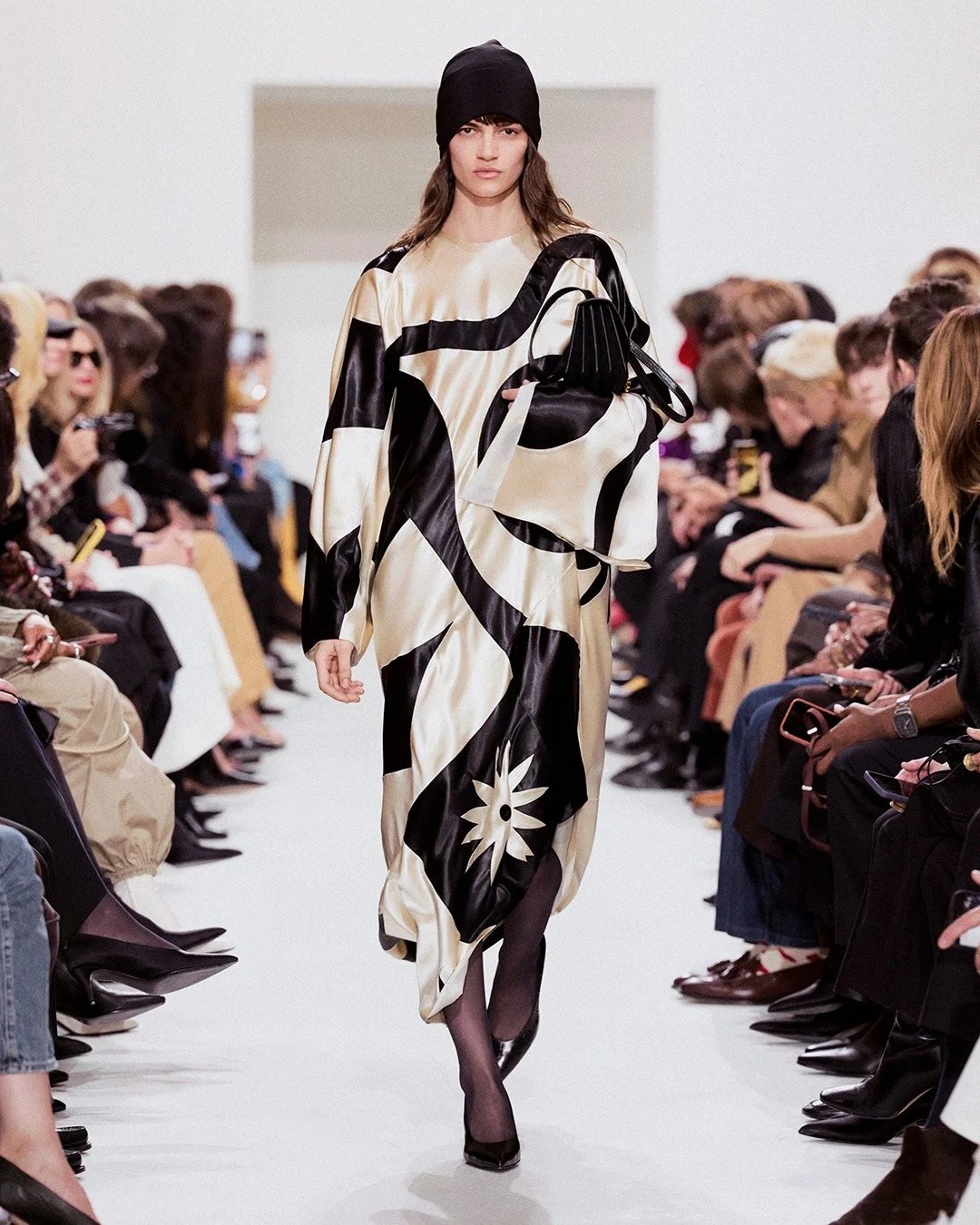
The fashion industry has long been obsessed with the concept of "heritage," often using the weight of history as both a shield and a shackle. When a creative director steps into a storied house, the standard narrative involves navigating the ghosts of founders and predecessors. However, for Michael Rider, his latest outing for Celine—the Spring/Summer 2027 collection—offered a refreshing, almost radical departure from this tradition. By staging the runway at the Archives nationales in Paris, Rider engaged in a subtle act of irony: he chose a location steeped in the preservation of history to showcase a collection that prioritizes the present and the intuitive over the archival.
The Show: An Instinctive Evolution
The setting, a stark contrast to the typically ornate venues favored by legacy houses, set the stage for a collection that refused to be anchored by the "burden of expectation." Celine, founded in 1945, holds a unique position in the pantheon of luxury labels. It lacks the monolithic, heavy-handed heritage associated with the likes of Dior or Saint Laurent. This perceived lack of a "burden" is precisely what Rider is leveraging. Under his direction, the house is being defined not by what it was, but by what it can become.
The venue itself—a thatched-roof superstructure that felt both rustic and avant-garde—mirrored the collection’s philosophy: "infinite variety." Rider’s approach is not to define a single aesthetic for the Celine woman, but to embrace a fluid, shifting identity that reflects the modern consumer’s own fragmented, multifaceted life.
Chronology: A Trajectory of Transformation
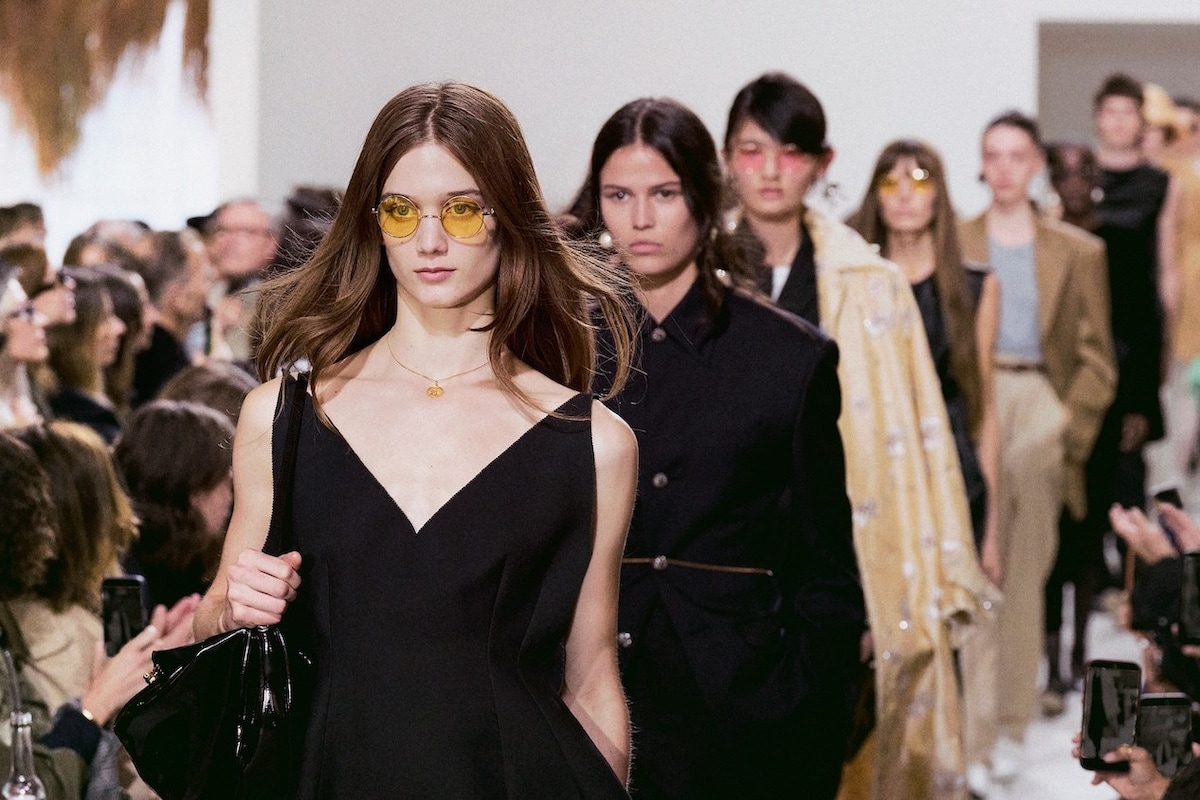
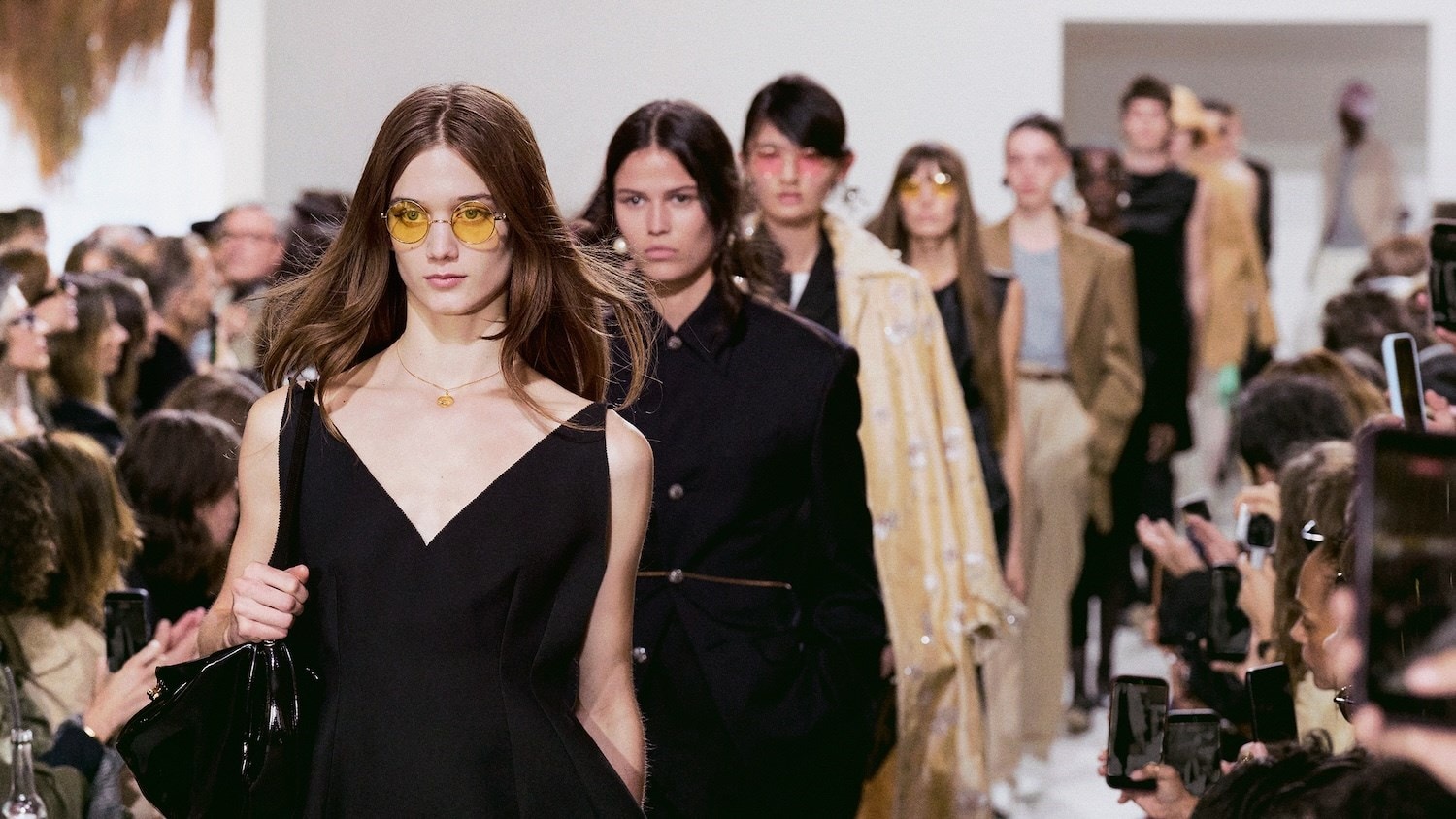
The show commenced with a deliberate statement: a black dress, cut with a relaxed, slightly oversized fit, yet cinched sharply at the waist to emphasize an hourglass silhouette. It was paired with conservative, mid-heel pointed pumps and a slouchy patent shoulder bag. For the seasoned observer, this was a masterclass in "twisted bourgeoisie" aesthetics—a look that felt familiar yet entirely revitalized.
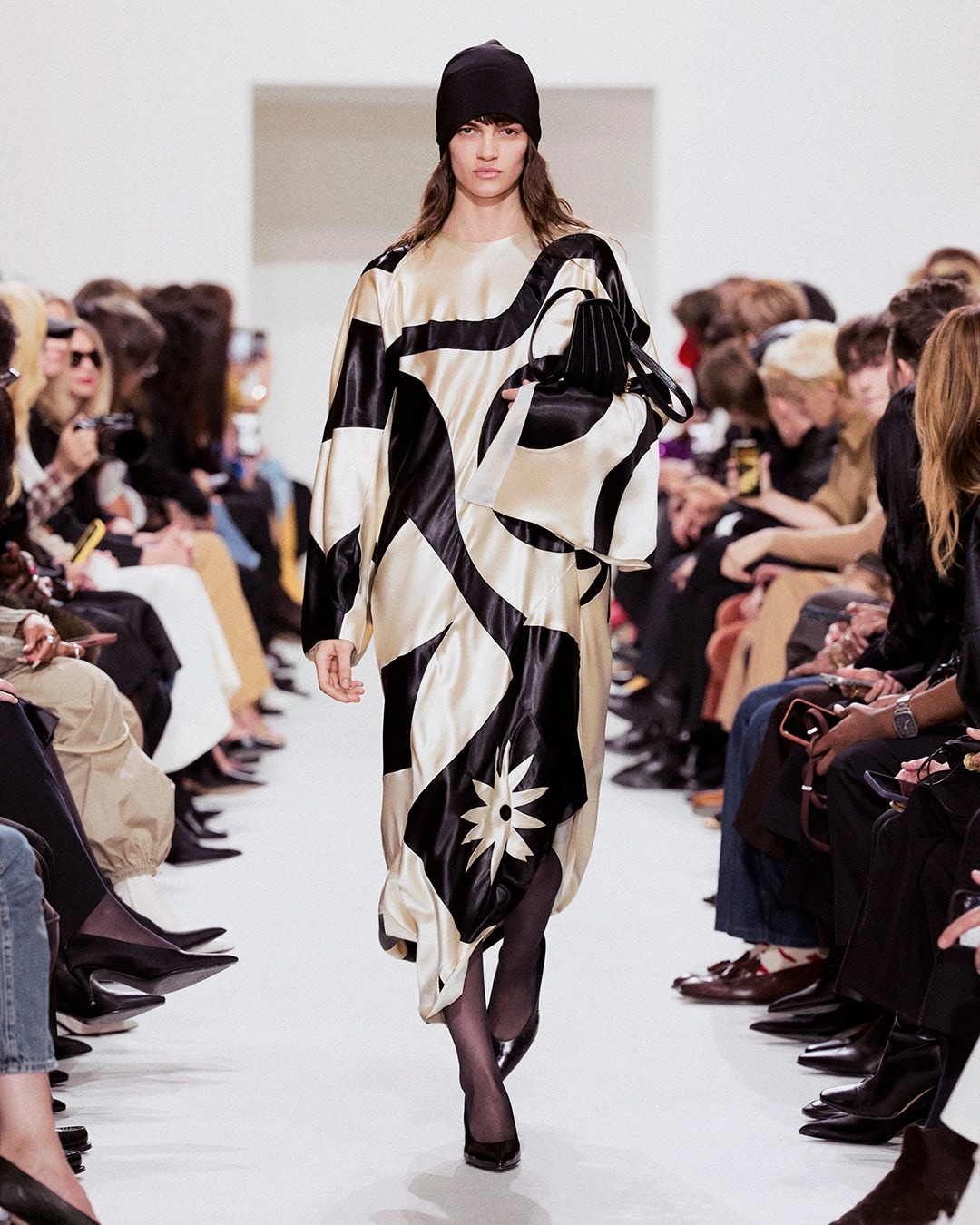
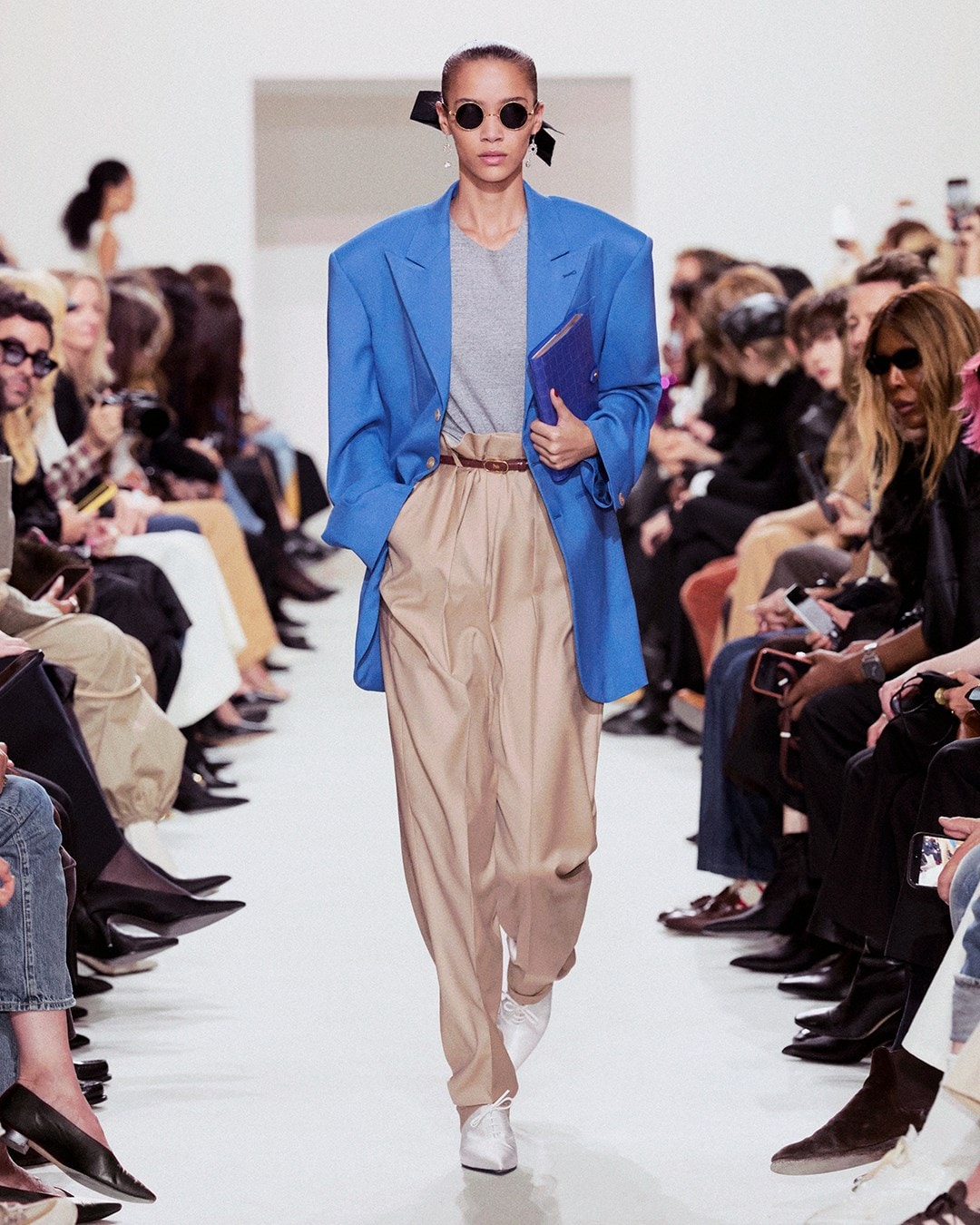
As the show progressed, the narrative shifted rapidly. There was no singular "theme" in the traditional sense. Instead, the collection ricocheted through a series of impulses. All-black ensembles gave way to monochromatic white, which was then punctured by aggressive, high-contrast patterns. The silhouettes toggled between the oversized and the undersized, challenging the viewer to find a cohesive thread.
This, however, is the point. Rider is not trying to build a static wardrobe; he is capturing the kinetic energy of a woman who moves between different versions of herself. By the time the final models walked the runway, it became clear that Rider is treating the runway as a laboratory, where "gesture and ease" are the only constants.
Supporting Data: The Anatomy of a Trend
While critics often search for deep, philosophical meanings in runway shows, the success of a collection like S/S27 is ultimately measured by its resonance with the market. Rider’s work is both present and prescient—it acknowledges the current desire for clothes that feel "right" for today, while subtly steering the conversation toward what comes next.
Key components of the collection included:
- The Power of the Belt: Ranging from "whipcord-thin" leather straps to exaggerated, wide belts that spanned from hip to ribcage, the accessories acted as a structural anchor.
- The Hardware: The "horse-bit" motif appeared across various items, a nod to Celine’s long history with equestrian-inspired design, even as it felt fresh in a contemporary context.
- The Monogram: The chaîne interlinked C’s—a signature of the house—appeared as a discreet, glinting clasp on handbags, or as a subtle monogram print, eschewing the trend of "logomania" in favor of quiet luxury.
- Footwear: The introduction of tiny letters on a Pappagallo-style flat or a soft-sole dancing shoe signaled a shift toward comfort without sacrificing elegance.
These elements suggest a shift in the Celine customer base. There is a move away from the hyper-branded, status-symbol items of the past toward pieces that emphasize craftsmanship and personal expression.
Official Responses and Creative Direction
In his show notes, Rider remained abstract, favoring fragmented thoughts over cohesive manifestos. The phrase "Gesture and ease" appeared in bold, capital letters—a clear directive from the designer regarding his priorities. When asked about his vision for the house, the atmosphere surrounding the Celine team suggests a focus on spontaneity.
"Rocking the boat," a stated goal in the notes, is an interesting sentiment for a brand of this scale. It implies a desire to disrupt the status quo, even while operating within the confines of a luxury conglomerate. Rider’s background, notably his tenure with Ralph Lauren, provides a fascinating contrast. At Ralph Lauren, collections are often thematic and strictly guarded. At Celine, Rider has been granted the freedom to be "whatever you want it to be." This creative license is what allows him to bounce between extremes, from the rigid to the fluid, with a sense of "being fabulous" serving as the ultimate, albeit tongue-in-cheek, guiding principle.
Implications for the Future of Celine
What does this mean for the future of Celine? By eschewing the "rules and regulations" that conventionally bind a luxury house, Rider is effectively future-proofing the brand. He is creating a space where the house’s identity is not a static point on a timeline, but a living, breathing entity.
The Shift in Luxury Retail
The industry is currently grappling with a "post-trend" environment where consumers are increasingly wary of being told what to wear. Rider’s approach—offering a "mixed bag" of aesthetics—is a savvy response to this. It recognizes that the modern shopper is not looking for a uniform, but for pieces that can be integrated into a broader, more eclectic wardrobe.
The "Instinctive" Designer
Rider’s success hinges on his ability to be "instinctive." In an era where fashion is often data-driven and focus-group tested, the idea of a designer who reacts in real-time to the zeitgeist is powerful. It makes the collection feel human. The "working out" of his ideas on the runway—showing us the process, the experiments, and the failures—builds a level of transparency and intimacy that resonates with a younger, discerning audience.
Conclusion: A New Language of Elegance
The S/S27 Celine show was a testament to the idea that heritage is only as valuable as the life you breathe into it. Michael Rider has successfully navigated the challenge of taking a historic house and making it feel like the most relevant thing in the room. He has done so by removing the pressure of the archive and replacing it with the pressure of the moment.
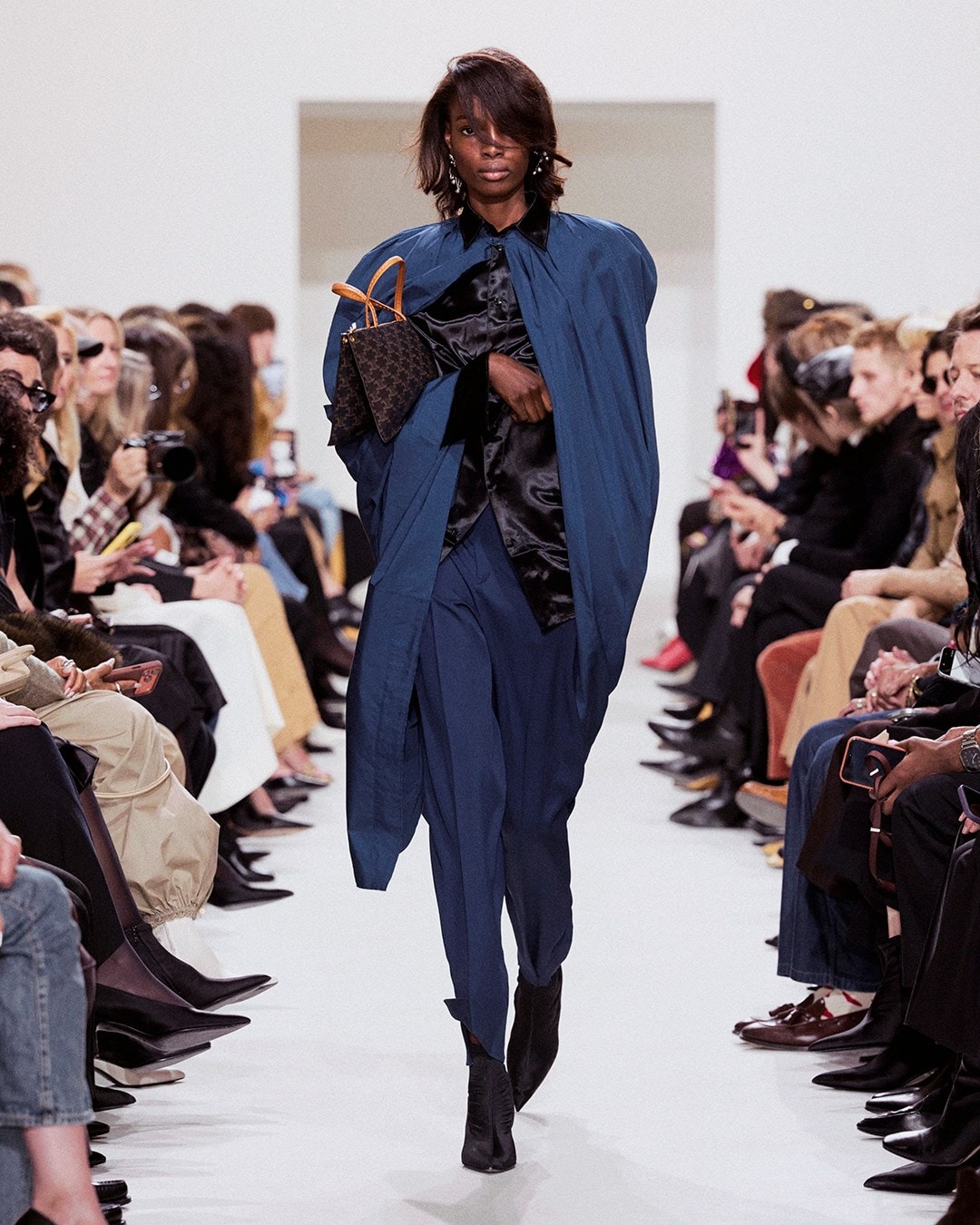
The collection, while disparate in its references and silhouettes, achieves a sense of unity through the sheer confidence of its execution. It is a collection that says: It is okay to be messy, it is okay to be elegant, and it is absolutely okay to change your mind. As Celine moves forward, this commitment to "gesture and ease" will likely become the foundation of a new, more personal era for the brand—one where the only rule is that the clothes must do their job, and do it with flair.
In the final assessment, Rider’s Celine is not just about the clothes themselves; it is about the feeling they evoke. It is about a woman who walks through the Archives nationales—or the streets of Paris, or a boardroom, or a dinner party—with the comfort of someone who knows exactly who she is, even if her style is constantly in flux. And in today’s chaotic world, that kind of ease is the ultimate luxury.
