

In an era where the fashion cycle is increasingly defined by the pursuit of the "barely there"—a trend dominated by paper-thin ballet flats, delicate kitten heels, and minimalist sneakers that offer little more protection than a sock—the pavement has become an unforgiving adversary for the modern city dweller. For seasons, the industry has flirted with the ethereal, favoring silhouettes that prioritize aesthetic austerity over functional reality.
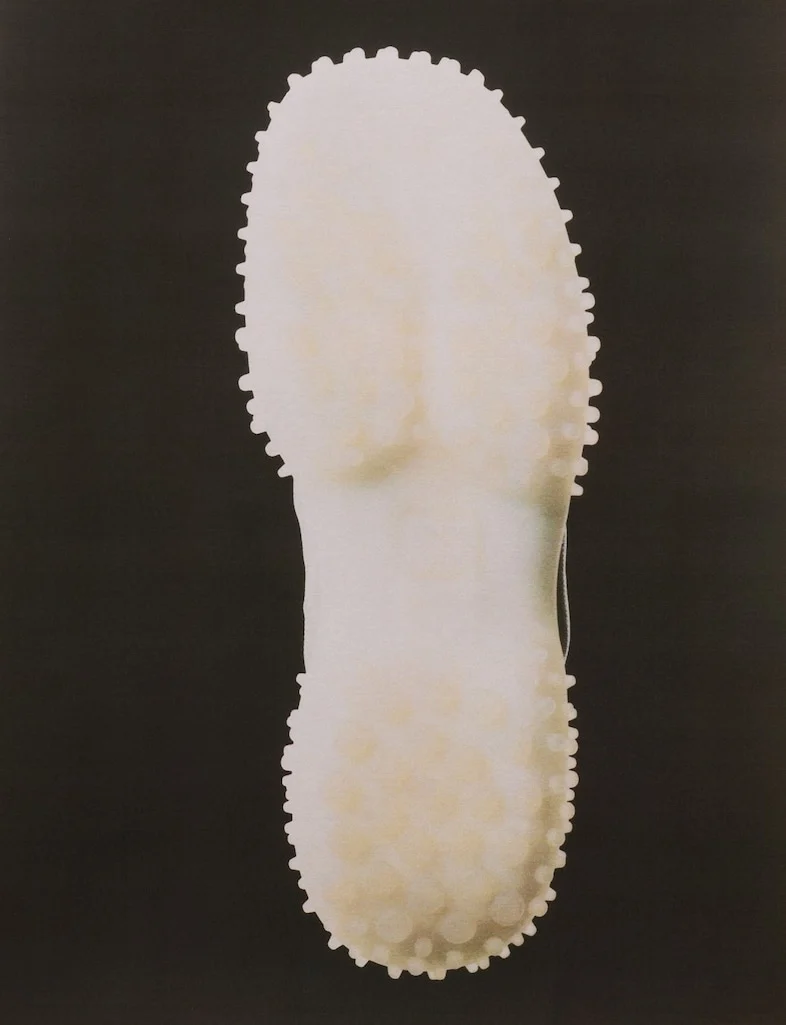
However, as the Autumn/Winter 2026 collections signal a pivot toward more grounded, substantial silhouettes, Miuccia Prada has re-introduced a piece of design history that bridges the gap between high-fashion whimsy and pragmatic comfort. The Miu Miu "Bubble" shoe has returned, bringing its signature, bulbous rubber-studded sole back to the spotlight. This re-emergence is not merely a nostalgic nod to the early 2000s; it is a tactical correction to the prevailing trend of the wafer-thin sole, offering a structural, orthopaedic-adjacent aesthetic that promises to protect the wearer from the harsh realities of the urban landscape.
Chronology: From Millennium Oddity to Archive Grail
To understand the current cultural cachet of the Bubble shoe, one must look back to the turn of the millennium. In the late 1990s and early 2000s, Miu Miu was carving out a niche that leaned heavily into "ugly-chic," a term often associated with Miuccia Prada’s penchant for subverting traditional notions of beauty. The original Bubble trainers emerged during this period, characterized by their high-performance technical fabrics and, most notably, a sole comprised of protruding rubber spheres.
At the time of their debut, these shoes were polarizing. They sat comfortably within the "gorpcore" precursor movement, blending an outdoorsy, utilitarian vibe with the avant-garde sensibilities of high-end Italian design. Throughout the 2010s and early 2020s, as the fashion world pivoted toward the sleek, streamlined sneakers of the athletic-wear boom, these original Bubble shoes were relegated to the realm of the "archive"—sought after by dedicated collectors and those who frequented secondary marketplaces like Vinted and Depop.
By 2024 and 2025, as Y2K aesthetics reached a fever pitch, the rarity of the original Bubble models turned them into "It-girl" artifacts. Fashion editors and influencers began styling the worn-in, vintage versions with contrasting feminine silhouettes, proving that the juxtaposition of the clunky, rubber-soled sneaker against a delicate dress was a formula for modern relevance. Recognizing this surge in demand, Miu Miu’s design team opted to officially reintroduce the silhouette for the Autumn/Winter 2026 season, updating the materials for a contemporary audience while maintaining the iconic, gravity-defying tread.
Supporting Data: Engineering the Bubble
The engineering behind the 2026 iteration of the Bubble shoe is a masterclass in balancing archival DNA with modern manufacturing standards. While the visual language of the shoe remains consistent with its predecessor, the construction has been refined.
The Material Composition
The current model utilizes a blend of high-density nylon and recycled polyamide for the upper. This choice of material is deliberate; it provides a soft, glove-like fit that contours to the foot, effectively grounding the visual weight of the sole. In contrast to the suede and stiff technical fabrics used in the early 2000s, the 2026 upper is designed to move with the foot, offering a more versatile experience for the wearer.
The Sole Dynamics
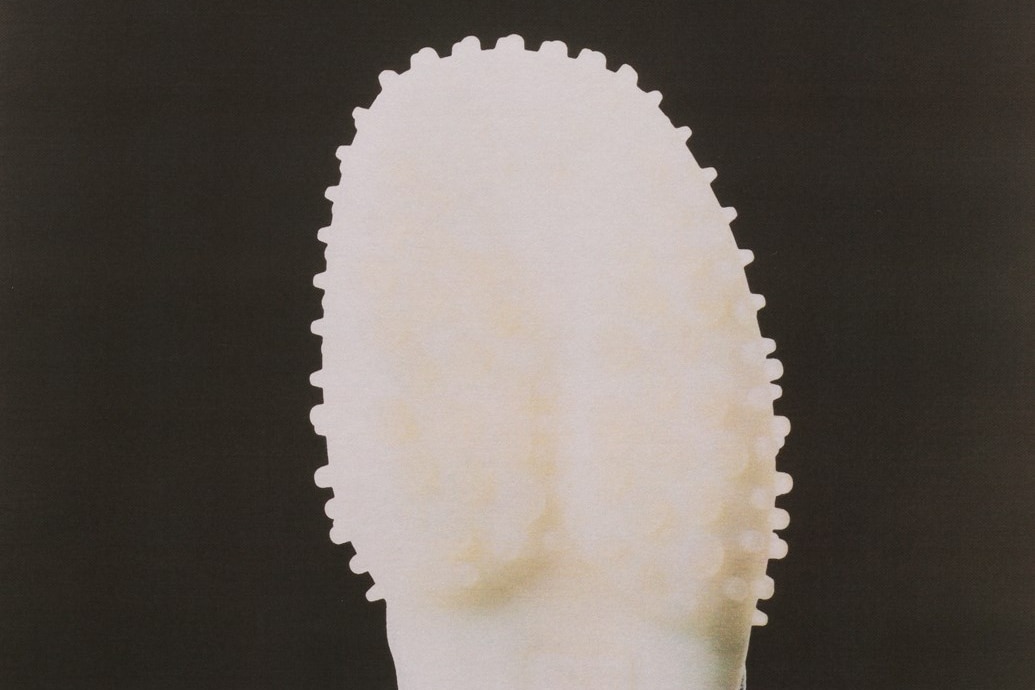
The "bubble" itself is not merely a stylistic choice. It serves as a shock-absorption system. The rubber tread, which features rows of hemispherical nodes, acts as a series of miniature springs. In technical terms, this increases the surface area of the shoe’s contact with the ground while providing a multi-directional grip. The weight distribution across these nodes reduces the impact on the heel and the ball of the foot, effectively transforming the shoe into a form of "fashion-forward orthopaedic footwear."
Market Reception
Initial sales reports from Miu Miu’s flagship boutiques in Paris, Milan, and New York suggest that the demand for the footwear is significantly outpacing supply. Retail analytics firms monitoring luxury search trends have noted a 45% increase in searches for "Miu Miu rubber sole" and "Bubble sneakers" in the weeks following the AW26 runway show. The data indicates that consumers are not just buying for the brand name, but for the specific combination of comfort and height—a rare commodity in the current luxury market.
Official Responses and Creative Vision
Miu Miu’s decision to revive the Bubble shoe is reflective of a broader shift in Miuccia Prada’s creative strategy. During a press briefing following the Autumn/Winter 2026 presentation, design leads for the house emphasized the importance of "functional subversion."
"We wanted to challenge the idea that fashion must be delicate to be sophisticated," a representative for the design house stated. "The Bubble shoe is an answer to the fatigue of the thin-soled trend. It is about reclaiming the floor. It is about the ability to walk through a city without feeling every stone, without compromising on the silhouette that defines the Miu Miu woman."
The design language of the show—pairing these robust shoes with camisoles, pencil skirts, and oversized outerwear—was intended to highlight the inherent tension between the feminine and the industrial. By grounding ethereal fabrics with a shoe that looks like it could survive an expedition, Miu Miu has created a visual hierarchy where the footwear acts as the anchor. The official response suggests that the house views this footwear not as a passing fad, but as a long-term investment in the "pragmatic luxury" category.
Implications: The Death of the Wafer-Thin Sole?
The return of the Bubble shoe signals potential seismic shifts in the footwear industry. If the consumer response is any indication, the "barely there" trend may be reaching its saturation point.
The Rise of Functional Luxury
Luxury consumers are increasingly demanding utility from their high-ticket purchases. The Miu Miu Bubble shoe proves that "comfort" and "cool" are no longer mutually exclusive. As we head into 2027, it is highly probable that other luxury houses will pivot away from the minimalist trainer and toward more aggressive, structural, and protective soles. We are seeing a move toward what experts call "maximum-impact" design, where the shoe is as much a piece of engineering as it is a statement of style.
Impact on Archive Culture
The re-release also forces a change in the secondary market. Collectors who spent years scouring the globe for authentic turn-of-the-millennium pairs now face a saturated market of contemporary versions. This often leads to a decline in the value of the "vintage" items, yet it simultaneously validates the original design as a historical benchmark. The "archive" is no longer just for looking—it is now a blueprint for the future of commercial production.
The Foot Health Paradox
From a podiatric perspective, the return to a substantial, cushioned sole is a welcome change. Medical professionals have long criticized the rise of flat, thin-soled footwear for contributing to plantar fasciitis and joint pain. By integrating a cushioned, multi-node sole into a high-fashion context, Miu Miu is indirectly promoting healthier walking habits. If the industry follows suit, we may see a significant decline in the foot-related complaints associated with the "ballet flat" era.
Conclusion: A Step Toward Reality
The Miu Miu Bubble shoe is a reminder that fashion operates in cycles of reaction. When the world becomes too delicate, too thin, or too precious, the industry inevitably responds with something solid, something tangible, and something that—quite literally—bounces back.
Whether styled with a pencil skirt for the boardroom or paired with oversized outerwear for a weekend in the city, the Bubble shoe represents a departure from the fragility of recent seasons. It is an acknowledgment that the modern individual is always on the move, and that their footwear should be capable of supporting that motion. As we look ahead, the Bubble shoe stands as a testament to the fact that the most radical thing a fashion brand can do is provide a little bit of comfort.
In the final assessment, the Bubble shoe is more than a sneaker; it is a declaration of independence from the pavement. It invites the wearer to stop tip-toeing around and start moving with the confidence of someone who has a solid foundation beneath them. As Miu Miu continues to lead the way in defining the aesthetic of the late 2020s, one thing is clear: the age of the wafer-thin sole is being pushed aside, and in its place, we are finding our footing—one rubber bubble at a time.
For those who missed the original trend in the early 2000s, or for the new generation of fans discovering the comfort of the bulbous tread, the message is simple: fashion is meant to be lived in. And in the 2026 landscape of Miu Miu, living in fashion means having a sole that can actually handle the journey.
