

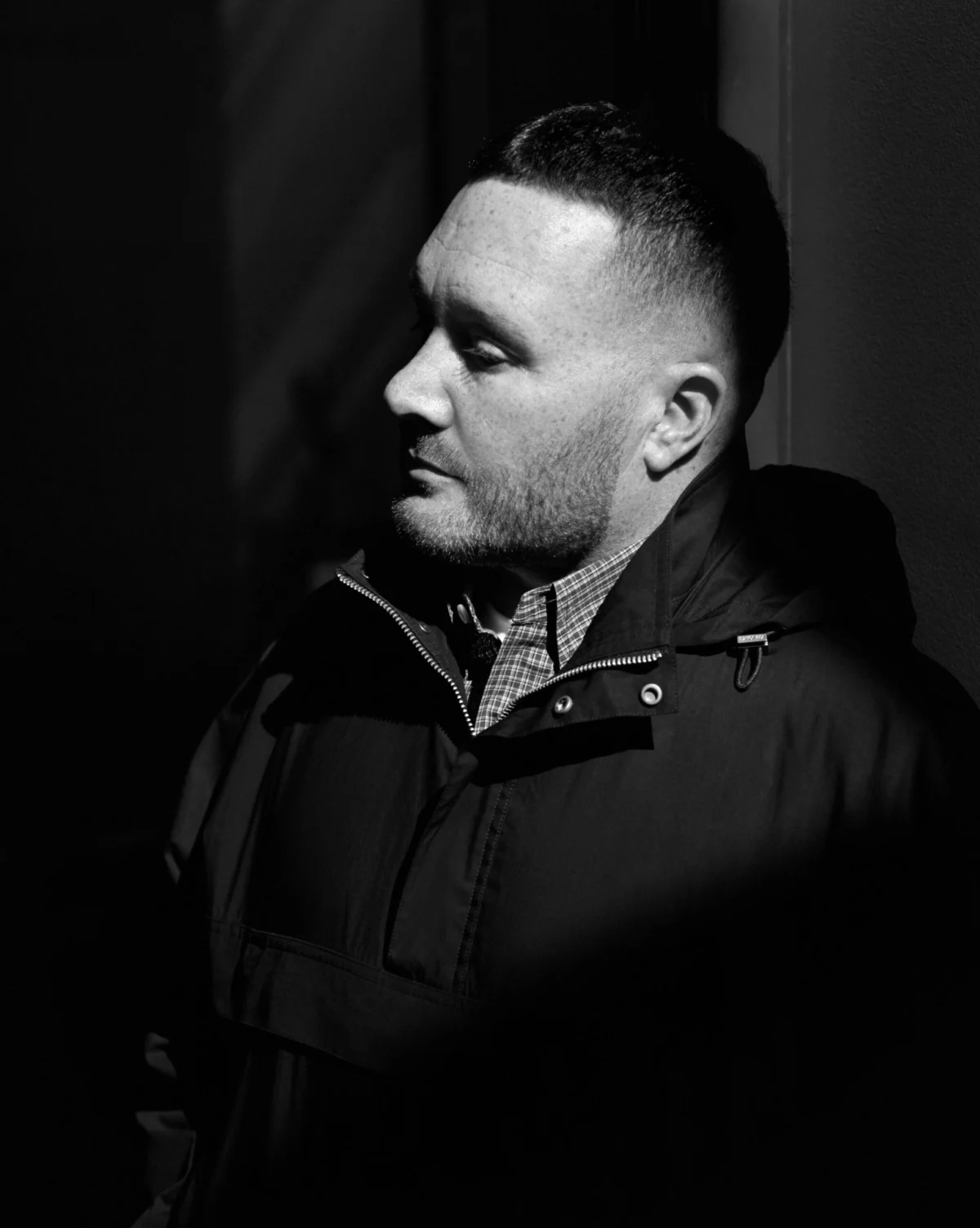
In a move that marks a definitive turning point for contemporary luxury fashion, Kim Jones—one of the industry’s most prolific and influential creative directors—has officially announced the launch of his eponymous signature label. Set to debut for the Fall 2027 season, the brand represents a culmination of Jones’s decades-long tenure at the helm of heritage houses, signaling a transition from orchestrating the visions of others to defining his own independent creative narrative.
The brand, which will operate under the banner of his own name, is positioned as a forward-thinking venture that prioritizes craftsmanship, global versatility, and a “considered” approach to luxury pricing. With production chains spanning the precision of Japanese manufacturing and the storied artisanal heritage of Italian leather goods, the label aims to redefine the modern wardrobe, stripping away the rigid constraints of traditional fashion categories in favor of fluid, utilitarian elegance.
A Strategic Pivot: The Philosophy Behind the Brand
The core ethos of the new label is rooted in the concept of “versatility at its core.” In an era where the boundary between professional attire, leisurewear, and high-fashion statement pieces has become increasingly porous, Jones intends to offer a “broader wardrobe unrestricted by traditional categories.”
Industry insiders view this as a direct response to the shifting demands of the modern consumer—a demographic that values longevity and functional design over the ephemeral nature of seasonal trends. By maintaining a “considered” price point, the brand seeks to carve out a space in the market that balances the prestige of a signature designer name with the accessibility required for a modern, functional lifestyle.
“After many years working with incredible houses and collaborators, it feels like the right moment to do something under my own name again,” Jones stated regarding the launch. “This brings together the things I’ve always been interested in—fashion, art, and design—and gives me the space to work with people I admire and explore new ideas. I’m excited about what comes next.”
Chronology: From Heritage Houses to Independent Vision
Kim Jones’s career has been defined by his ability to bridge the gap between subcultural references and the rarefied atmosphere of haute couture. His journey toward this independent milestone follows a series of high-profile roles that have cemented his status as a titan of the industry:
- 2018–2025: Jones served as the artistic director of Dior Men, where he revolutionized the brand’s menswear identity, famously blending street-culture sensibilities with the house’s archival elegance. His tenure was marked by blockbuster collaborations with artists such as KAWS, Daniel Arsham, and Travis Scott, which propelled Dior to unprecedented commercial heights.
- Early 2025: Following his departure from Dior, Jones began a period of intense creative exploration, focusing on projects that emphasized sustainability and cross-industry innovation.
- Post-2025 Projects: Jones leaned heavily into the Asian market, curating a sustainable capsule collection for the Aman luxury hospitality group, collaborating with Chinese electric vehicle manufacturer Avatr, and partnering with Bosideng on the “Areal” premium down outerwear line.
- December 2026: During the WWD x SJ Global Fashion and Business Conference in Hong Kong, Jones first hinted at his shift toward an independent venture, emphasizing his belief in the region’s growing dominance in the fashion landscape.
- Mid-2027: The anticipated launch of his signature label via the direct-to-consumer digital portal, kimjones.com.
- October 2027: The inauguration of the brand’s flagship retail space at Central Yards in Hong Kong.
The Asian Pivot: A Bet on the Future
Perhaps the most significant strategic choice in the launch of the Kim Jones label is its geographical focus. While many European designers remain fixated on the traditional fashion capitals of Paris, Milan, and New York, Jones has explicitly centered his brand’s growth around the Asian market.
“I just think Asia’s got the pulse at the moment,” Jones remarked during a 2026 interview. “I think it’s an Asian century.”
This sentiment is backed by data. During his seven-year stint at Dior, a substantial portion of the label’s global revenue was generated in Asia. Jones has consistently cultivated a deep appreciation for the region, frequently citing its food, culture, and social energy as primary sources of inspiration. By establishing his flagship store in Hong Kong’s Central Yards, he is not merely opening a shop; he is planting a flag in a region he believes will define the next chapter of global luxury.
The strategy involves a phased rollout: an initial exclusive launch online, followed by a brick-and-mortar presence in Hong Kong, with subsequent expansions into major Asian hubs. This hybrid model reflects a modern understanding of luxury retail—where digital exclusivity builds anticipation and data-driven site selection ensures the long-term viability of physical storefronts.
Supporting Data: Production and Supply Chain
The manufacturing philosophy behind the new label suggests a commitment to quality that transcends geographic boundaries. By splitting production between Japan and Italy, Jones is playing to the inherent strengths of both regions.
Japan is globally recognized for its meticulous approach to textiles and high-tech manufacturing, particularly in the realm of modern technical fabrics and precise, minimalist tailoring. Italy, conversely, remains the gold standard for leather goods and accessories, possessing an artisanal ecosystem that is unmatched in its heritage and material handling.
This dual-source approach serves a dual purpose: it ensures a superior product that aligns with the “versatility” of the designs, and it builds a resilient supply chain that is less susceptible to the regional disruptions that have plagued the fashion industry in recent years.
Implications for the Luxury Industry
The departure of a designer of Jones’s stature from the traditional conglomerate structure to launch an independent label sends a powerful signal to the industry. It suggests that the “designer-as-employee” model, which has dominated luxury for decades, is facing a moment of re-evaluation.
1. The Rise of the Independent Powerhouse
Jones’s move mimics the trajectory of other legendary designers who have successfully balanced their time at heritage houses with the creation of their own, highly personal labels. This provides a blueprint for contemporary creatives who seek to maintain their artistic integrity without sacrificing commercial scale.
2. The Shift in Global Fashion Centers
By choosing Hong Kong as the primary base for his signature brand, Jones is challenging the hegemony of European fashion capitals. If his label succeeds, it may encourage other high-end brands to prioritize local presence in Asia, rather than treating the region merely as an export destination.
3. Sustainability and "Considered" Luxury
The emphasis on a “considered” price point and a wardrobe that is “unrestricted by traditional categories” addresses the growing consumer fatigue with excessive consumption. By designing pieces that are intended to be mixed, matched, and worn across various aspects of life, Jones is advocating for a more sustainable, utilitarian approach to luxury.
Official Responses and Industry Outlook
While official comments from industry analysts have been largely positive, the market remains cautious. “Kim Jones is a proven hit-maker,” noted one industry consultant. “The challenge, however, will be maintaining the same level of cultural relevance without the massive marketing budgets of a house like Dior or Fendi. The brand’s success will hinge entirely on whether the ‘Jones aesthetic’ can stand on its own without the backing of a major fashion conglomerate.”
Jones himself seems unfazed by the shift in scale. His recent work with Avatr and Bosideng shows a designer who is comfortable operating in diverse, non-traditional spaces. His ability to translate his vision into successful, consumer-facing projects suggests that he is not just a designer of clothing, but a designer of culture.
Conclusion: A New Chapter
As the industry prepares for the Fall 2027 debut, the fashion world will be watching closely. Kim Jones is not simply starting a new label; he is attempting to define what it means to be a luxury designer in the mid-21st century. By prioritizing cross-cultural collaboration, technical precision, and a design philosophy that mirrors the fluid lives of his audience, Jones is betting on himself.
If his past record of revitalizing historic houses is any indication, the signature Kim Jones label is likely to become a central pillar of the luxury landscape. For Jones, the transition from artistic director to independent founder is not an end, but a return to the core of his creative identity—a space where art, fashion, and design converge to reflect the pulse of a changing world.
