

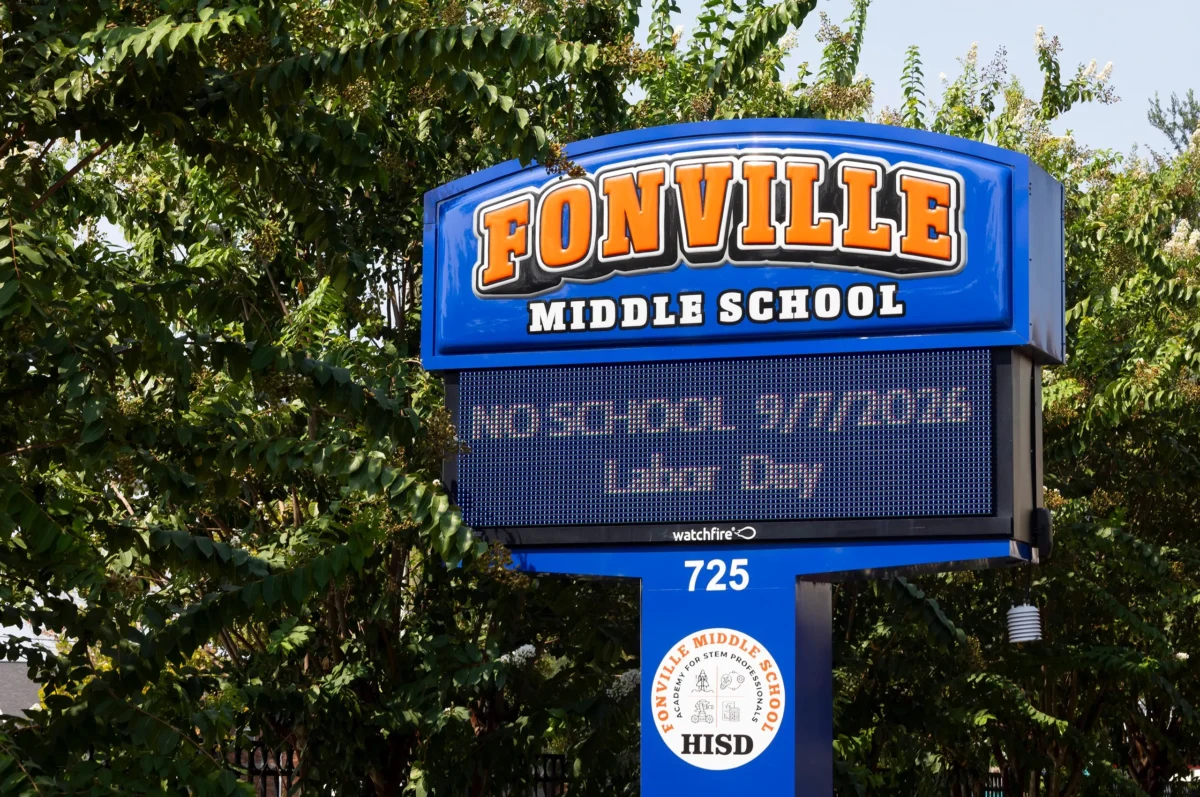
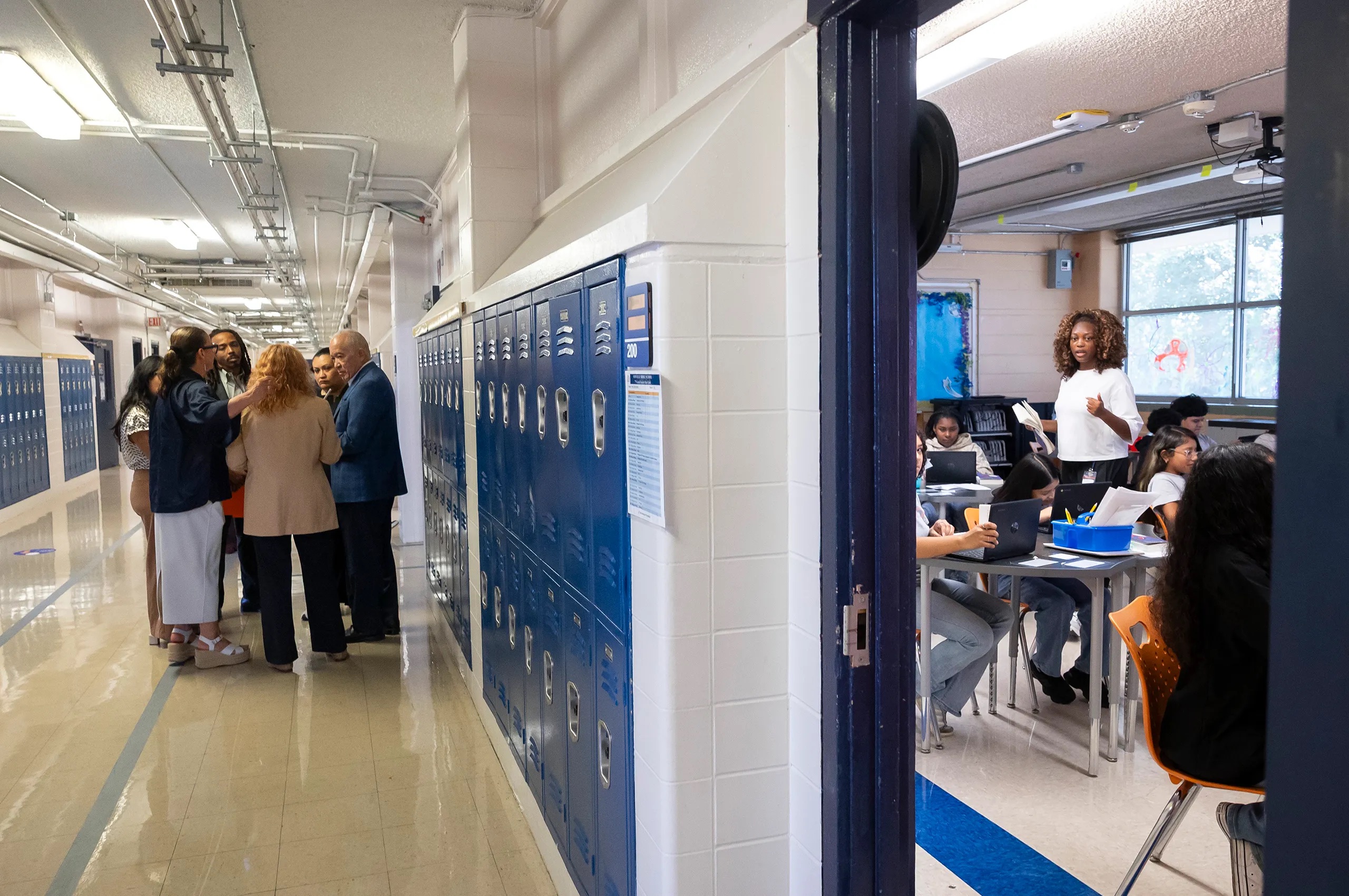
At Fonville Middle School in North Houston, the transformation is visible. Once a campus defined by the stigma of a state-mandated “F” rating, the school has recently secured its first-ever “A” rating. The corridors are filled with the hum of high-tech smart boards, and the instructional day has been extended to squeeze more learning time out of every hour. It is a portrait of the aggressive reform model championed by Houston Independent School District (HISD) Superintendent Mike Miles—a model the state of Texas now points to as a potential national blueprint for struggling public schools.
Yet, behind the accolades and the improved test scores lies a sobering fiscal reality. The overhaul of Houston’s school system—the largest in Texas—has come with a staggering price tag, one that is forcing the district to burn through reserves, sell off land, and navigate a historic exodus of students. As the state prepares to eventually return control to a locally elected board, a fundamental question looms over the district: Can this high-octane academic model survive without the deep pockets of a state-seized rainy-day fund, and is it a sustainable path for other districts?
The Mechanics of a Takeover
The state intervention in Houston began three years ago, when the Texas Education Agency (TEA) ousted the locally elected board and superintendent, citing years of chronic academic underperformance. In their place, the state installed an appointed board and tapped Mike Miles to lead a radical restructuring known as the New Education System (NES).
The NES model is designed to "supercharge" student outcomes through standardized, tightly choreographed lessons, frequent "Demonstrations of Learning" (DOLs), and a significant infusion of resources, including specialized learning coaches and higher teacher salaries. However, these investments are expensive. HISD budget documents indicate that adopting these reforms costs approximately $700,000 per school in the first year, with a recurring annual cost of roughly $2,200 more per student than in non-NES campuses.

A Chronology of Financial Strain
The financial timeline of the takeover reveals a district operating in a state of permanent budgetary contraction:
- 2023: The state seizes control of HISD. The district begins an aggressive pivot toward the NES model, initially funded by dipping into substantial operating reserves accumulated during the pre-takeover era.
- 2024: Enrollment declines accelerate. The district faces its first budget shortfall in a decade, totaling $311 million. Parents and community members begin to express deep frustration, culminating in the historic defeat of a $4.4 billion school bond package—the largest in Texas history.
- 2025–2026: The district intensifies its search for liquidity, placing dozens of district-owned buildings and plots of land on the market. Meanwhile, the number of "F" campuses drops from 56 to five, providing ammunition for proponents who argue the ends justify the means.
Data Points and the Enrollment Exodus
The most pressing concern for financial analysts is the relationship between the NES model and student enrollment. Since the takeover began, Houston ISD has lost roughly 21,000 students. While some of this decline is attributed to broader demographic shifts—such as lower birth rates and a decrease in immigrant student populations—the rate of departure in HISD has outpaced all of its urban peers.

Analysis by the Texas Tribune shows that the steepest declines occurred at the 130 campuses that adopted the NES model. As students leave, the district loses the per-pupil state funding tied to their attendance. For families like the Kemps, who moved 20 miles to the Klein school district, the decision was driven by the "joyless" nature of the new curriculum. "We didn’t want to leave initially," Angie Kemp said, describing how her young daughter began struggling with anxiety over the constant, timed quizzes. "But we saw the effect it was having on her."
The exodus has created a "bad math" problem for the district. Fixed costs—such as maintaining building infrastructure and heating—do not decrease simply because a classroom has three fewer students. As Jonathan Travers, CEO of Education Resource Strategies, notes, the cost savings are minimal until an entire classroom is collapsed, leaving the district in a precarious financial position.

Official Perspectives: The "Business" of Education
Superintendent Mike Miles remains steadfast, framing the fiscal challenges as the necessary growing pains of a systemic overhaul. He likens the district to a business, arguing that effective organizations must be willing to make "difficult cuts" to survive and improve.
"Budgets are tough and going to remain tough when you have declining enrollment," Miles said in an interview. "The question is how big. That’s a lot of money." Miles defends the depletion of the district’s fund balance—which has dropped from seven months of operating costs to three—as a strategic decision to prioritize classroom instruction over what he terms "bloated" administration.

Texas Education Commissioner Mike Morath echoes this sentiment, maintaining that Houston’s success proves the model is viable for any district in the state. "The evidence in Texas is that state intervention has consistently raised the quality of learning in our schools," Morath stated, as the state looks to export the Houston playbook to other districts currently at risk of takeover, including Beaumont, Lake Worth, and Fort Worth.
Broader Implications: Sustainability and the "Death Spiral"
The long-term success of the Houston experiment is currently being tested against the reality of diminishing resources. Experts point to cautionary tales in other states. In Tennessee and Denver, early academic gains from similar high-intensity reform efforts often dissipated once the initial funding dried up or political leadership shifted.

For Houston, the challenge is twofold: replacing the massive "rainy day" reserves that have been exhausted and convincing families that the new, test-centric culture is a permanent, healthy environment for their children.
"It is going to take years to dig out of the financial hole he’s creating, unless the Legislature makes some huge investments," says Heather Golden, an HISD parent. "It feels a little bit like a death spiral right now."

As the state considers the transition back to local control, the burden will fall on elected trustees to decide whether to maintain the NES model. If they choose to continue it, they will face a harsh reality: without a significant increase in state funding, the "blueprint" that saved Fonville Middle School may become a luxury that the rest of the district can no longer afford. The story of Houston ISD stands as a stark reminder that while academic transformation can be engineered, the financial foundation required to sustain it remains the most volatile variable of all.
