

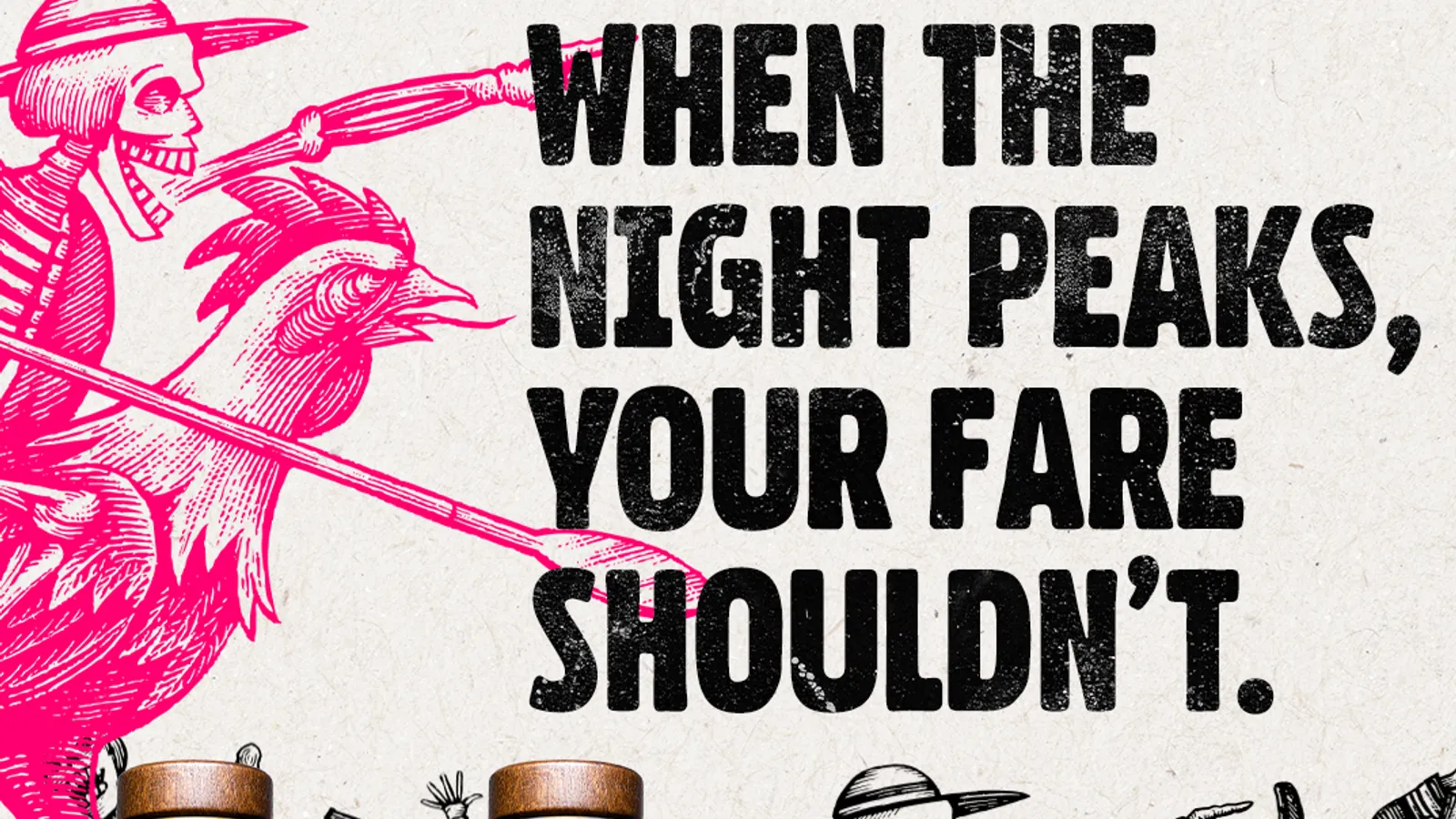
As the festive season approaches, the intersection of alcohol consumption and transportation has become a focal point for brand responsibility. This October, Espolòn Tequila, a powerhouse in the Campari Group portfolio, has launched its "Fare Share" program—a strategic initiative designed to alleviate the financial burden of surge pricing for consumers during the high-demand Halloween and Día de los Muertos season. By offering partial reimbursements for rides taken during peak holiday hours, the brand is positioning itself as a champion of consumer advocacy and safe celebration.
The Mechanics of the Fare Share Program
The Fare Share program is a consumer-facing initiative that functions as a direct response to the volatility of ride-hailing economics. Consumers who utilize services like Uber or Lyft during specified high-demand hours are invited to submit their ride receipts to the brand. Upon validation, Espolòn provides a partial reimbursement, effectively subsidizing the "surge" portion of the fare.
The initiative is not merely a rebate program; it is a calculated marketing maneuver timed to coincide with one of the busiest periods for the alcohol industry. Halloween, which often triggers a significant uptick in social outings and alcohol consumption, has historically been a night of astronomical transportation costs. Data cited by Espolòn indicates that in some major metropolitan areas, ride-sharing costs spiked to eight or nine times the standard rate during the previous year’s festivities. By intervening at this precise pain point, the brand aims to build significant brand equity and foster long-term loyalty among its core demographic.
A Chronology of Consumer Friction
The relationship between ride-hailing platforms and their user base has become increasingly strained over the last several years. The following timeline outlines the trajectory leading up to the launch of the Fare Share program:
- Pre-2024: The ride-sharing industry gains ubiquity, with surge pricing accepted as a necessary, if frustrating, mechanism for balancing supply and demand during peak hours.
- August 2026: Regulatory scrutiny intensifies as the Federal Trade Commission (FTC) proposes a new enforcement policy targeting "surveillance pricing." This practice, which involves utilizing granular personal data to set individualized prices, becomes a point of contention in the halls of government.
- September 2026: Campari Group, the parent company of Espolòn, continues its aggressive marketing trajectory with the expansion of its "Stay Bitter" campaign for the flagship Campari brand, signaling a broader push to maintain market dominance through high-impact activations.
- October 8, 2026: Espolòn Tequila officially announces the Fare Share program, bridging the gap between responsible drinking initiatives and the growing frustration with digital platform pricing algorithms.
Supporting Data and Industry Context
The necessity of the Fare Share program is rooted in clear, data-driven observations of consumer behavior. According to industry research, alcohol consumption typically surges by approximately 25% during the Halloween weekend. This behavioral spike creates a perfect storm: high demand for transportation coupled with algorithmic pricing models that capitalize on scarcity.
The frustration is not anecdotal. Recent investigations by organizations like Consumer Reports have highlighted questionable business practices within the ride-hailing sector, specifically regarding the lack of transparency in how algorithms determine pricing for identical routes at the same time. These reports have fueled a broader public debate about the ethics of digital pricing, providing a receptive audience for Espolòn’s intervention.
By aligning itself with the "anti-exclusivity" movement—a theme it established earlier this year with its "Ride the Rooster" campaign—Espolòn is tapping into a wider cultural sentiment. The brand’s messaging posits that the high cost of transportation acts as an exclusionary barrier to social connection. By lowering this barrier, the brand effectively democratizes the social experience of the holiday season.
Implications for the Alcohol and Tech Sectors
The launch of the Fare Share program holds significant implications for both the alcohol and technology industries.

The Shift Toward Experiential Advocacy
For the alcohol industry, the move represents a shift from traditional lifestyle marketing to "experiential advocacy." Companies like Heineken have similarly pivoted toward fostering in-person connections through initiatives like the "Fans Have More Friends" platform. Espolòn’s approach takes this a step further by integrating logistics and financial utility into the brand experience, essentially becoming a partner in the consumer’s journey rather than just the drink in their glass.
Regulatory and Ethical Headwinds
The tech sector, particularly the ride-hailing giants, now faces a multi-front battle. Beyond the FTC’s proposed policies on surveillance pricing, the existence of a program like Fare Share highlights that corporations are beginning to "call out" the opacity of ride-sharing algorithms. If successful, Espolòn’s campaign could serve as a blueprint for other brands to highlight systemic consumer frustrations, potentially forcing a PR reckoning for platforms that rely heavily on dynamic pricing.
Brand Loyalty and the "Campari Effect"
As part of the Campari Group, which oversees a diverse portfolio including Aperol, Wild Turkey, and Grand Marnier, Espolòn benefits from the group’s deep experience in integrated marketing. The ability to pivot from a global campaign like "Ride the Rooster" to a tactical, regionalized response like "Fare Share" demonstrates a high level of agility. This suggests that the future of brand loyalty lies in the ability to anticipate and solve specific, real-world consumer problems that occur at the intersection of lifestyle and infrastructure.
Official Stance and Future Outlook
Espolòn has utilized a dedicated landing page to explain the nuances of the Fare Share program, ensuring that consumers understand both the terms of the reimbursement and the brand’s commitment to safety. The program is supported by in-person activations occurring throughout the Halloween and Día de los Muertos period, which serve as educational touchpoints for the consumer.

While the ride-hailing platforms themselves deny that they engage in predatory or "personalized" pricing, the market reality remains that consumers feel penalized for participating in social events. By stepping into this void, Espolòn is not only providing financial relief but is also creating a "halo effect" around the brand.
As the regulatory environment regarding data-driven pricing continues to tighten, the Fare Share program may be viewed in hindsight as a milestone in the growing tension between the algorithmic economy and the consumer experience. Whether this forces a change in the ride-hailing sector remains to be seen, but for now, Espolòn has successfully positioned itself as the brand that is willing to pick up the tab for the modern socialite.
