

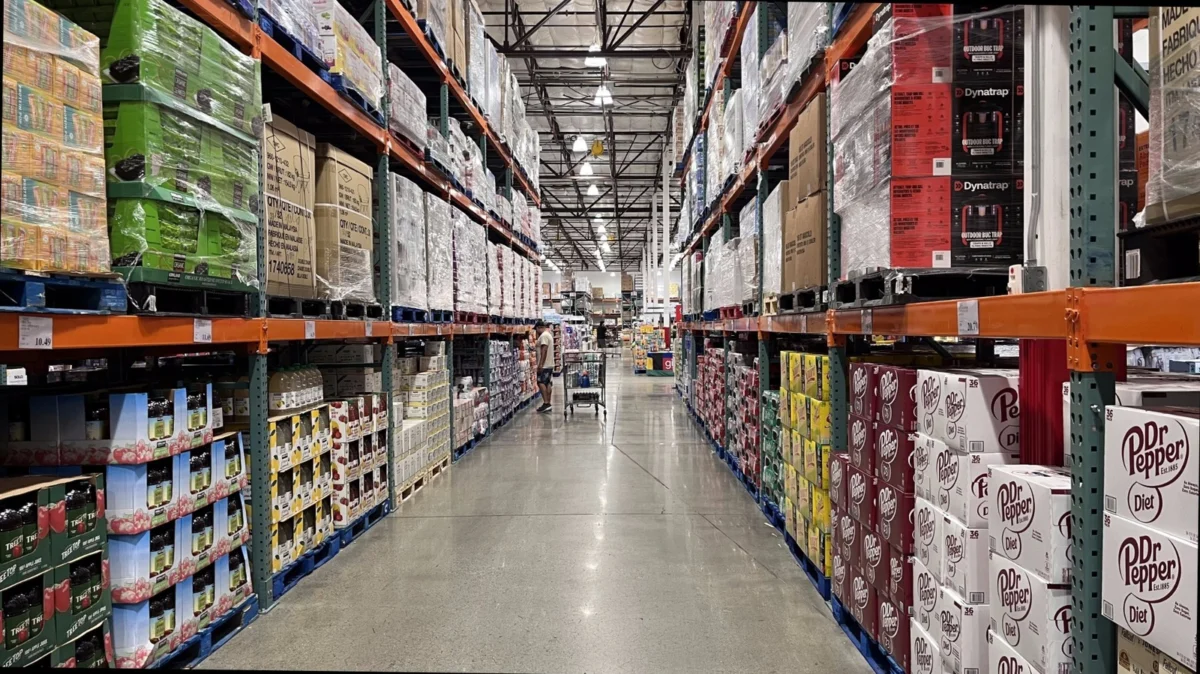
For millions of households, the warehouse club model has long served as a critical buffer against the volatility of the global economy. As inflationary pressures have persisted into 2026, forcing consumers to scrutinize their grocery bills with newfound rigor, Costco Wholesale has responded with a strategic pivot. In a move aimed at bolstering member loyalty and mitigating the impact of rising costs, the retail giant has begun passing the benefits of recent tariff refunds directly to its patrons. This initiative has manifested in a wave of price reductions across a diverse range of categories, from pantry staples and health supplements to high-end kitchen appliances.
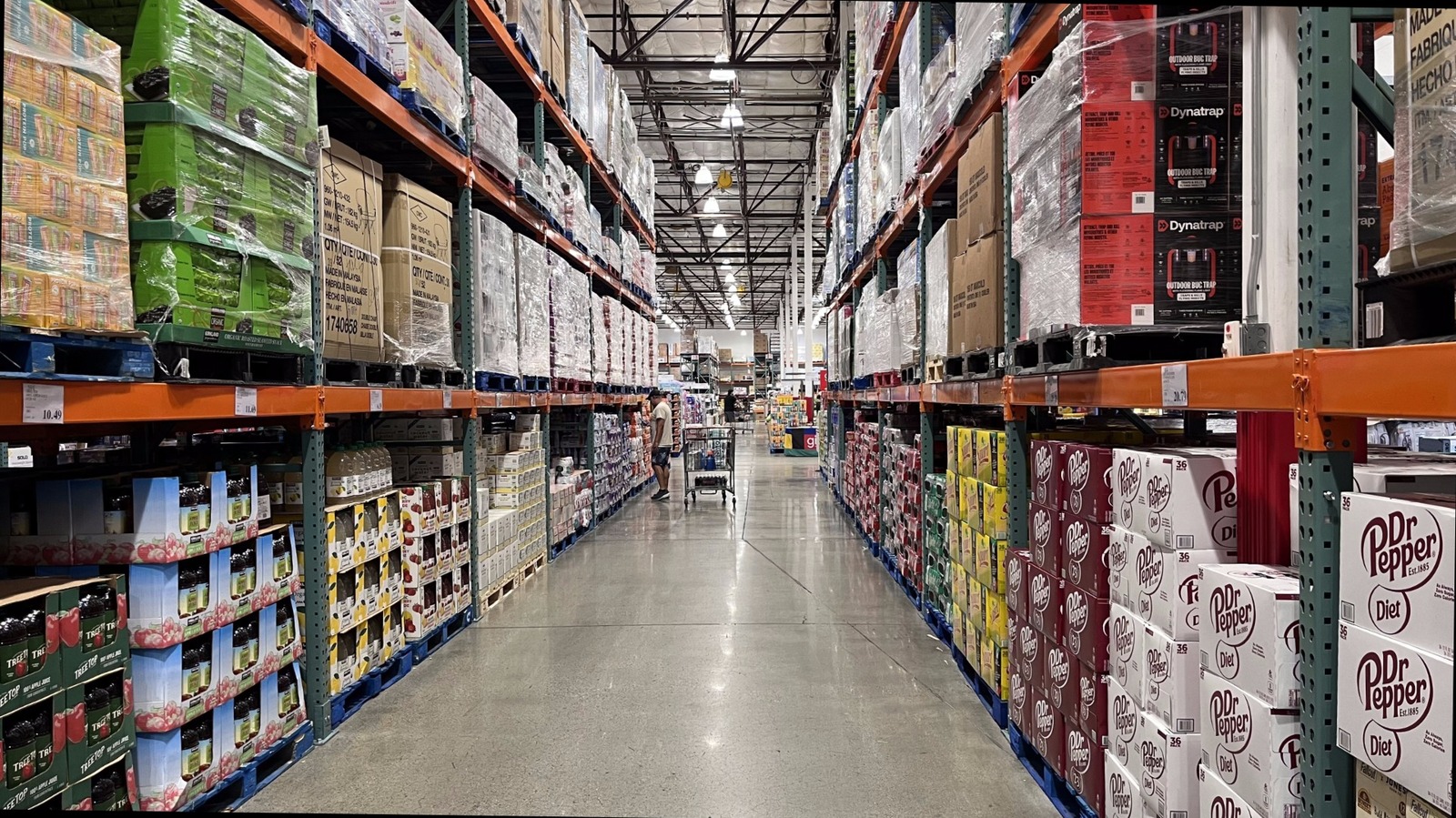
Main Facts: The Catalyst for Change
The primary driver behind these recent price adjustments is a series of successful tariff-related negotiations. In September 2026, Costco announced that it had begun receiving substantial refunds on previously paid tariffs. Rather than absorbing these funds as pure corporate profit, leadership made a calculated decision to reinvest a portion of this capital into the consumer experience. By lowering the price tags on specific high-velocity goods, the company is reinforcing its commitment to its membership-based business model, which prioritizes long-term customer retention over short-term margin maximization.
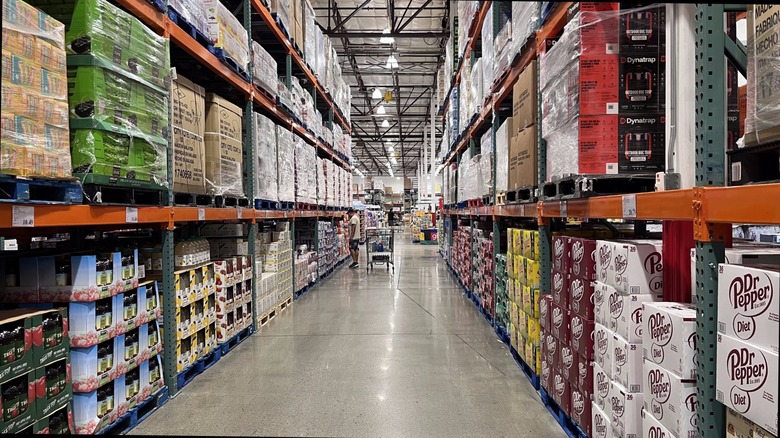
This strategy is not entirely new for the retailer; Costco has historically utilized unconventional supply chain efficiencies—often mirroring the lean, cost-cutting methodologies of discount leaders like Aldi—to keep prices artificially low. However, this 2026 initiative marks a deliberate, top-down effort to address the "inflation fatigue" felt by its core demographic.
Chronology: A Timeline of Strategic Adjustments
The rollout of these price cuts has been gradual, responding to both inventory cycles and supply chain stabilization.
- Q1-Q2 2026: Costco management spent the early months of the year navigating fluctuating commodity prices, particularly in the agricultural and food production sectors.
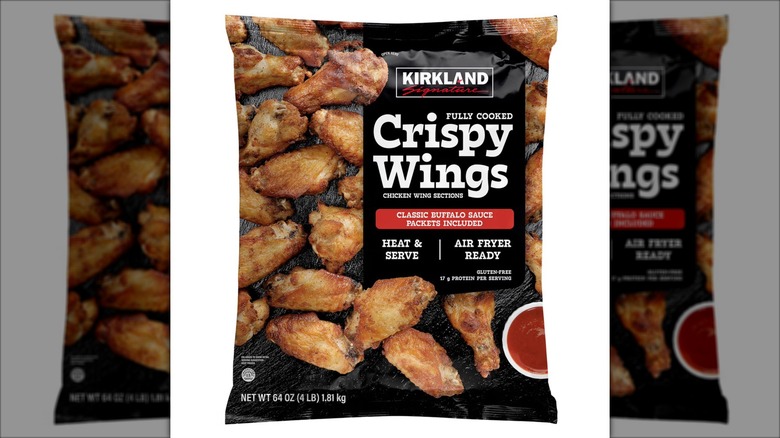
- May 2026: During the third-quarter earnings call, executives publicly signaled a shift in pricing strategy, specifically highlighting early reductions in frozen goods, such as the Kirkland Signature Crispy Wings.
- September 2026: The official announcement of tariff refunds provided the liquidity necessary to broaden the scope of price cuts.
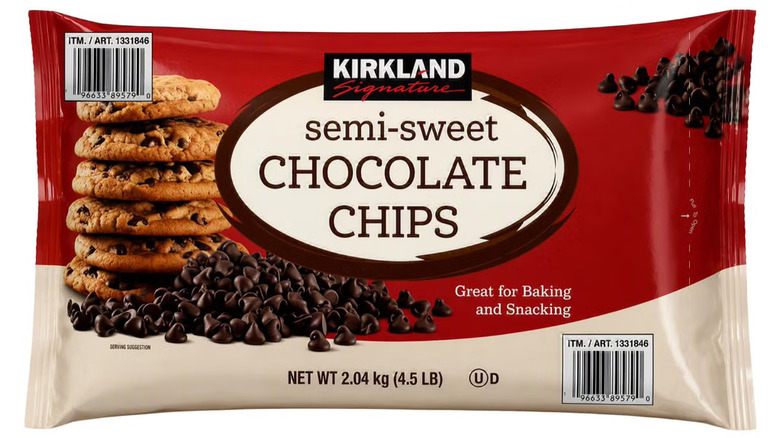
- October 2026: The program reached a notable milestone as staples like Kirkland Signature Semi-Sweet Chocolate Chips saw a price drop, following their successful return to shelves after a hiatus caused by the global cocoa price surge.
Supporting Data: Where the Savings Are Realized
The current list of price-reduced items spans a variety of household needs. Understanding these specific reductions provides insight into how Costco is re-balancing its inventory:
Food and Pantry Staples
- Kirkland Signature Semi-Sweet Chocolate Chips: After being pulled from shelves in 2024 due to the prohibitive cost of cocoa, these returned in 2026 with an initial price point of $13.61. As of October 9, they have been marked down to $11.99, a significant relief for home bakers.
- Kirkland Signature Crispy Wings: A highlight of the Q3 earnings report, these fully cooked, heat-and-serve wings saw a permanent reduction from $16.99 to $14.99.
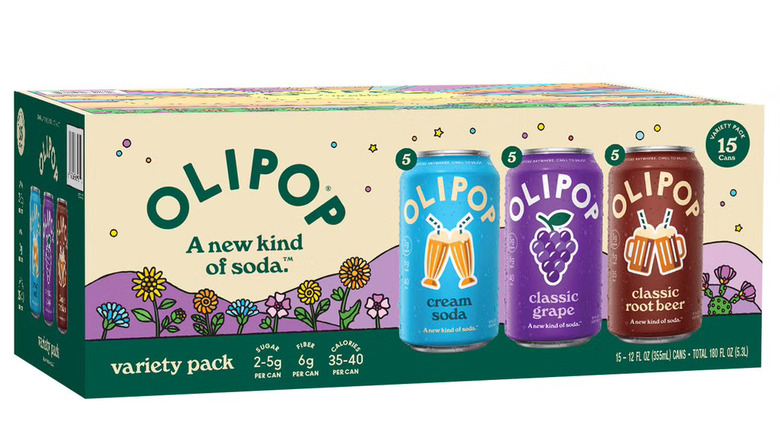
- Olipop Variety Pack: Reflecting the growing demand for "functional" beverages, Costco has included these 15-packs of prebiotic sodas in its "New Lower Prices" category, now retailing for $19.99.
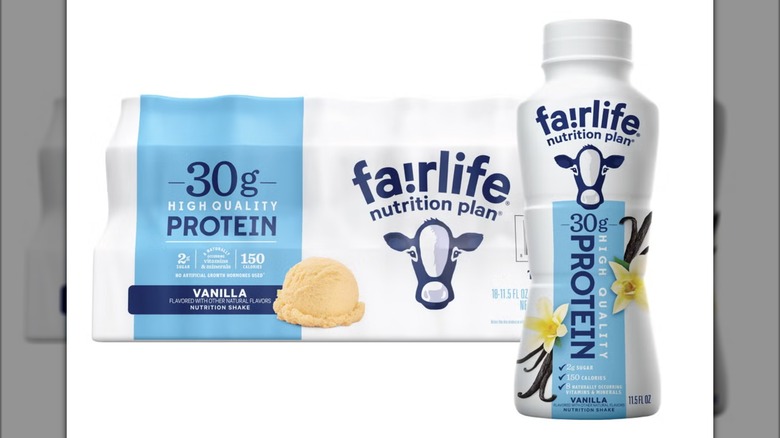
- Fairlife Nutrition Plan Shakes: Providing a critical protein source for fitness enthusiasts, these 18-packs remain competitively priced at $39.99, a move designed to keep the retailer relevant against specialty supplement stores.
Health and Wellness
- Levels Grass Fed Whey Protein: In a move that directly challenges boutique fitness brands, Costco has priced these 5.64-pound bags at $77.99. This is a substantial discount compared to the manufacturer’s own website, which sells smaller 5-pound containers for upwards of $100.
- Vital Proteins Collagen Peptides: Another win for the wellness category, these powders are now $29.99 in-store, once again undercutting the manufacturer’s direct-to-consumer pricing.
Home and Kitchen Appliances
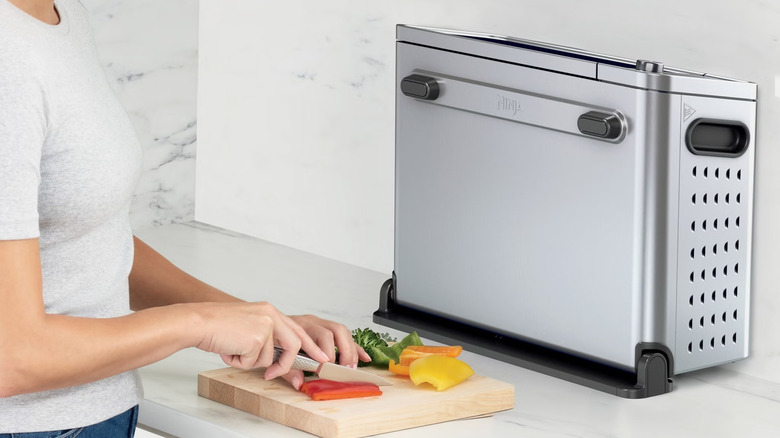
- Ninja Flip 10-in-1 Toaster Oven & Air Fryer: Recognizing the trend toward multifunctional kitchen gadgets, Costco has reduced the price of this space-saving appliance to $179.99.
- GreenPan Jewel Pro 11-piece Cookware Set: Available at $199.99, this set represents a premium tier of housewares that has been made more accessible through these recent adjustments.
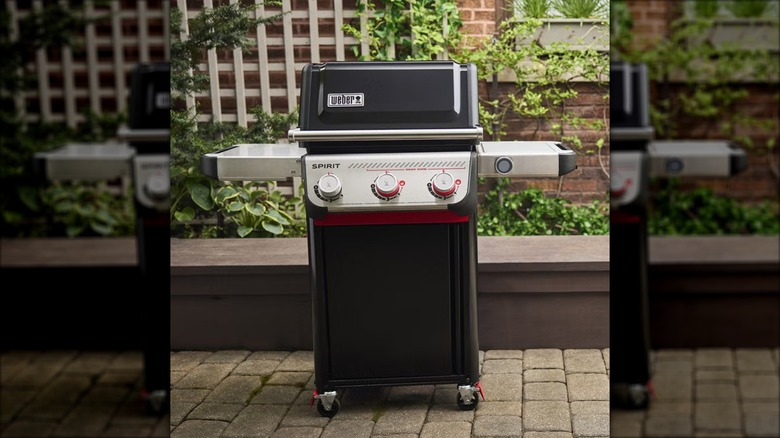
- Weber Spirit EP-325 Gas Grill: Outdoor cooking enthusiasts have seen the price drop to $549.99, making this high-end grill a more attainable investment for the average member.
- Mikasa Samantha 40-piece Bone China Set: Now priced at $114.99, this set caters to members looking for high-quality dining essentials at a "warehouse" price point.
Official Responses and Corporate Strategy
Costco’s leadership has remained relatively understated regarding these cuts, allowing the value proposition to speak for itself. However, the recurring theme in their investor communications is one of "member value." By lowering prices, the company effectively increases the "value" of a Costco membership, which is the retailer’s primary revenue engine.
Furthermore, the company has doubled down on its transparency policies. Recognizing that some members might feel "buyer’s remorse" after seeing a price drop on an item they purchased just weeks prior, Costco continues to enforce its 30-day price match policy. This policy allows members to request a refund of the difference if an item they purchased drops in price within 30 days of the transaction. This reinforces the trust-based relationship between the warehouse and the member, effectively insulating the brand from the frustration that often accompanies retail price volatility.

Implications for the Consumer and the Industry
The implications of this pricing shift are twofold. For the consumer, it provides a much-needed reprieve from the relentless creep of grocery inflation. For the industry at large, Costco’s move sets a challenging precedent for competitors like Sam’s Club and BJ’s Wholesale.
Understanding Price Tags
Shoppers who are adept at reading "Costco-speak" can further leverage these deals. Price tags ending in ".97" typically indicate a manager’s special or a clearance item, while tags with an asterisk (*) signify that the item will not be restocked. By combining these standard decoding practices with the new, broader price reductions, savvy shoppers can maximize their savings significantly.
Future Outlook
As we move toward the end of 2026, the question remains whether these price cuts are a temporary reaction to the tariff refunds or the beginning of a long-term deflationary strategy. Given the competitive nature of the wholesale market, it is likely that Costco will continue to search for supply chain efficiencies to maintain these lower prices. The retailer’s ability to "eat" the cost of inflation by leveraging its massive purchasing power remains its greatest competitive advantage.

For the average member, the strategy is clear: stay informed, monitor the "New Lower Prices" sections of the website, and utilize the price adjustment policy to ensure that every dollar spent at the warehouse provides the maximum possible value. As the retail landscape continues to evolve, Costco’s focus on the intersection of quality and cost remains the bedrock of its enduring success. Whether you are stocking up on protein for your fitness journey or upgrading your kitchen for the holiday season, these 2026 price adjustments serve as a reminder that even in an inflationary environment, the warehouse model remains a vital tool for the budget-conscious household.
