

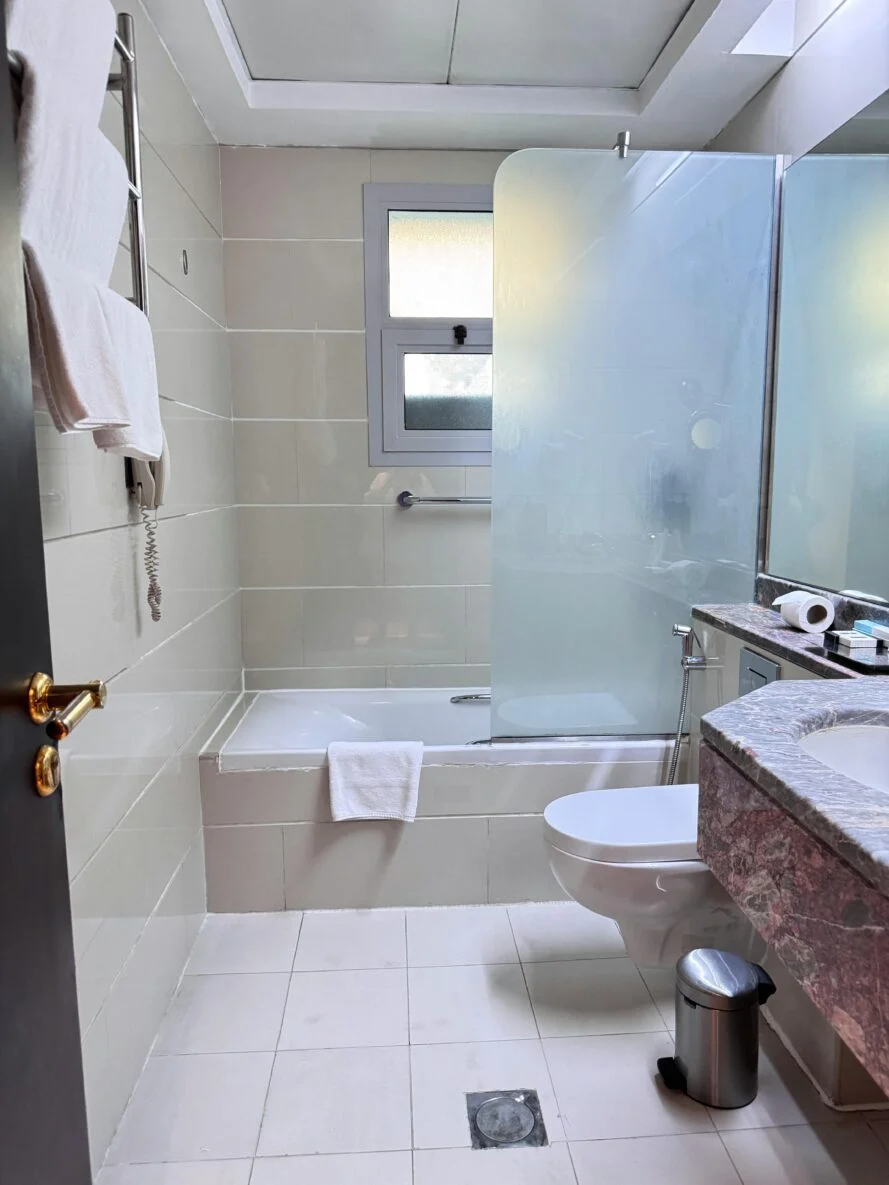
In the world of contemporary design, the tension between aesthetic allure and structural utility is a constant challenge for architects and interior designers. While some materials are chosen purely for their rugged durability and others for their visual impact, the most sophisticated design solutions reside at the intersection of both. Reflective materials—ranging from polished stainless steel and high-gloss acrylics to specialized architectural glass—have moved beyond the realm of mere decoration. Today, they serve as critical tools for enhancing energy efficiency, optimizing spatial perception, and maintaining rigorous hygiene standards in high-traffic environments.
The Evolution of Reflective Surfaces: A Brief Chronology
The use of reflective materials in architecture is not a modern invention, but its application has undergone a significant paradigm shift.
- Ancient Beginnings: Historically, polished bronze, silver, and obsidian were used by ancient civilizations to bring light into dim, stone-walled structures. These were primarily status symbols rather than functional architectural components.
- The Industrial Era: The 20th century saw the introduction of high-grade stainless steel and mass-produced glass. As architects like Mies van der Rohe embraced the "International Style," the reflection of the city skyline in glass curtain walls became a hallmark of the urban landscape.
- The Sustainability Pivot (2000s–Present): With the rise of LEED certification and the global push for net-zero buildings, the focus shifted. Reflective surfaces began to be evaluated not just for their appearance, but for their ability to maximize natural daylighting, thereby reducing reliance on artificial illumination and lowering a building’s carbon footprint.
Light Amplification: The Physics of Efficiency
The primary functional edge of reflective materials lies in their ability to manipulate light. In interior architecture, light is a finite resource. A well-placed reflective surface acts as a passive light-delivery system, bouncing illumination into areas that would otherwise remain in shadow.
Enhancing Natural Daylighting
By strategically installing reflective cladding or high-gloss finishes on walls opposite windows, architects can "deep-light" a room. This process allows natural daylight to penetrate further into the building core. This is not merely a design preference; it is a strategy for occupant well-being. Studies have shown that consistent access to natural light improves productivity in office environments and enhances recovery rates in clinical settings.
Reducing Energy Consumption
The implications for energy efficiency are profound. By amplifying existing light, these materials reduce the "lighting load" of a building. When a space requires fewer lumens from artificial sources during daylight hours, the overall electricity consumption drops. In commercial buildings, where lighting can account for a substantial portion of the utility budget, the long-term cost savings provided by high-reflectivity finishes are significant.
Spatial Perception: The Illusion of Volume
In an era of increasing urbanization, living and working spaces are becoming progressively more compact. Reflective materials offer an elegant, non-intrusive solution to the "cramped space" dilemma.

The Psychology of Openness
Human perception of space is heavily influenced by the visual cues provided by vertical and horizontal planes. A reflective surface creates a "virtual expansion" of a room. In narrow hallways or restricted retail footprints, the use of polished stainless steel or glass panels creates the illusion of depth. This psychological effect is crucial in hospitality and retail design; customers are statistically more likely to linger in spaces that feel airy and unconstrained.
Subtle Integration
Designers are increasingly moving away from the "hall of mirrors" aesthetic in favor of subtle, integrated reflectivity. By using brushed metal kickboards or semi-reflective wall treatments, designers can achieve the desired spatial expansion without creating a distracting, dizzying effect. This nuance is key to high-end interior design, where the goal is to make the space feel larger without the user explicitly noticing the "trick."
Hygiene and Maintenance: The Practicality of Non-Porous Surfaces
Beyond the light and space benefits, reflective materials—particularly metals like stainless steel—are indispensable in environments that demand extreme hygiene.
The Science of Non-Porosity
The primary enemy of a clean environment is porosity. Traditional wall materials like drywall, wood, or stone possess microscopic crevices that can harbor bacteria, moisture, and mold. In contrast, high-quality stainless steel and specialized architectural polymers are non-porous. They provide a smooth, impenetrable barrier that prevents the accumulation of contaminants.
Efficiency in Sanitation
In hospitals, laboratories, and commercial kitchens, maintenance is a constant, high-stakes task. Reflective surfaces offer two distinct advantages here:
- Visibility: Because these surfaces are glossy and uniform, smudges, dust, and spills are immediately visible. This allows custodial staff to identify and address messes in real-time.
- Ease of Cleaning: These materials are generally resistant to harsh chemical disinfectants and abrasive cleaning tools. They can be wiped down quickly, facilitating a faster turnover rate in busy environments.
Supporting Data: The Case for Durability
Reflective materials are often perceived as delicate, yet the reality is that many of the most popular finishes are among the most durable materials available.

- Impact Resistance: Stainless steel is renowned for its high tensile strength and resistance to impact. In elevator interiors, transit hubs, and high-traffic shopping centers, these surfaces withstand daily wear and tear that would destroy painted or wallpapered surfaces.
- Lifecycle Analysis: When considering the total cost of ownership, reflective materials often outperform traditional finishes. While the initial material cost may be higher, the lifespan of a stainless steel panel—which requires no repainting and resists oxidation—far exceeds that of standard wall coverings.
- Corrosion Resistance: Modern architectural grades of steel are engineered to withstand humidity and salt-air environments, making them ideal for exterior applications or coastal architecture.
Official Industry Perspectives: The Designer’s View
Leading architects and interior designers emphasize that the "functional edge" of these materials is not a substitute for design intent, but a vehicle for it.
"The most successful projects are those where the material serves a dual purpose," says a representative from a leading architectural consultancy. "We aren’t just choosing a stainless steel panel because it’s shiny. We are choosing it because it’s a high-performance material that helps us hit our daylighting targets, satisfies our sanitary requirements, and provides a sleek, modern finish that aligns with the client’s brand identity."
This perspective highlights the shift toward "performance-based design." In this framework, every material choice is interrogated for its contribution to the building’s overall performance, whether that is thermal regulation, air quality, or long-term structural integrity.
Implications for Future Design
The integration of reflective materials into mainstream architecture signals a broader move toward functional, low-maintenance design. As cities continue to densify and the focus on sustainable, energy-efficient building operations intensifies, we can expect to see:
- Smart Reflective Coatings: Development of surfaces that can adjust their reflectivity based on the time of day or light intensity.
- Increased Use in Residential Design: As home offices and compact living become the norm, the architectural tricks once reserved for commercial spaces—like the use of reflective wall panels—are moving into the residential sector.
- Holistic Brand Storytelling: Companies are recognizing that their physical environment is a silent ambassador. The clean, durable, and light-filled aesthetic provided by reflective surfaces is becoming a shorthand for modern, forward-thinking corporate identity.
Conclusion
The allure of reflective materials is undeniable, but it is their functional performance that secures their place in the modern architectural toolkit. By effectively managing light, expanding the perception of space, and providing a robust, hygienic, and long-lasting finish, these materials do much more than simply catch the eye.
Whether it is the quiet, sturdy elegance of stainless steel in a busy terminal or the clever, light-amplifying placement of reflective glass in a small office, these materials prove that beauty and utility are not mutually exclusive. When selected with intention, reflective surfaces become an integral part of how a space functions, proving that sometimes, the most effective design solutions are those that work hardest behind the scenes. In the end, the true value of a surface lies not just in what it reflects, but in what it enables the building to achieve.
