

For millions of homeowners, the anxiety of a grid failure is a constant, looming threat. Whether it is a seasonal hurricane, a winter ice storm, or an aging electrical infrastructure failing under peak demand, the loss of power is more than an inconvenience—it is a disruption to the safety and functionality of the modern home.
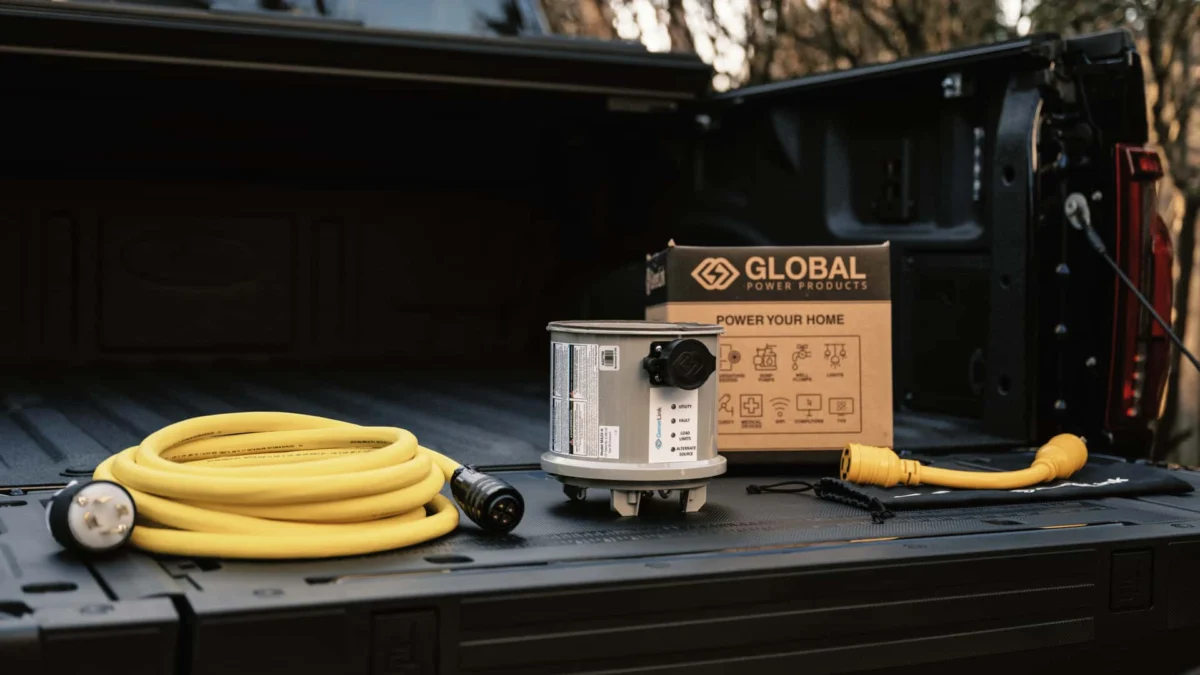
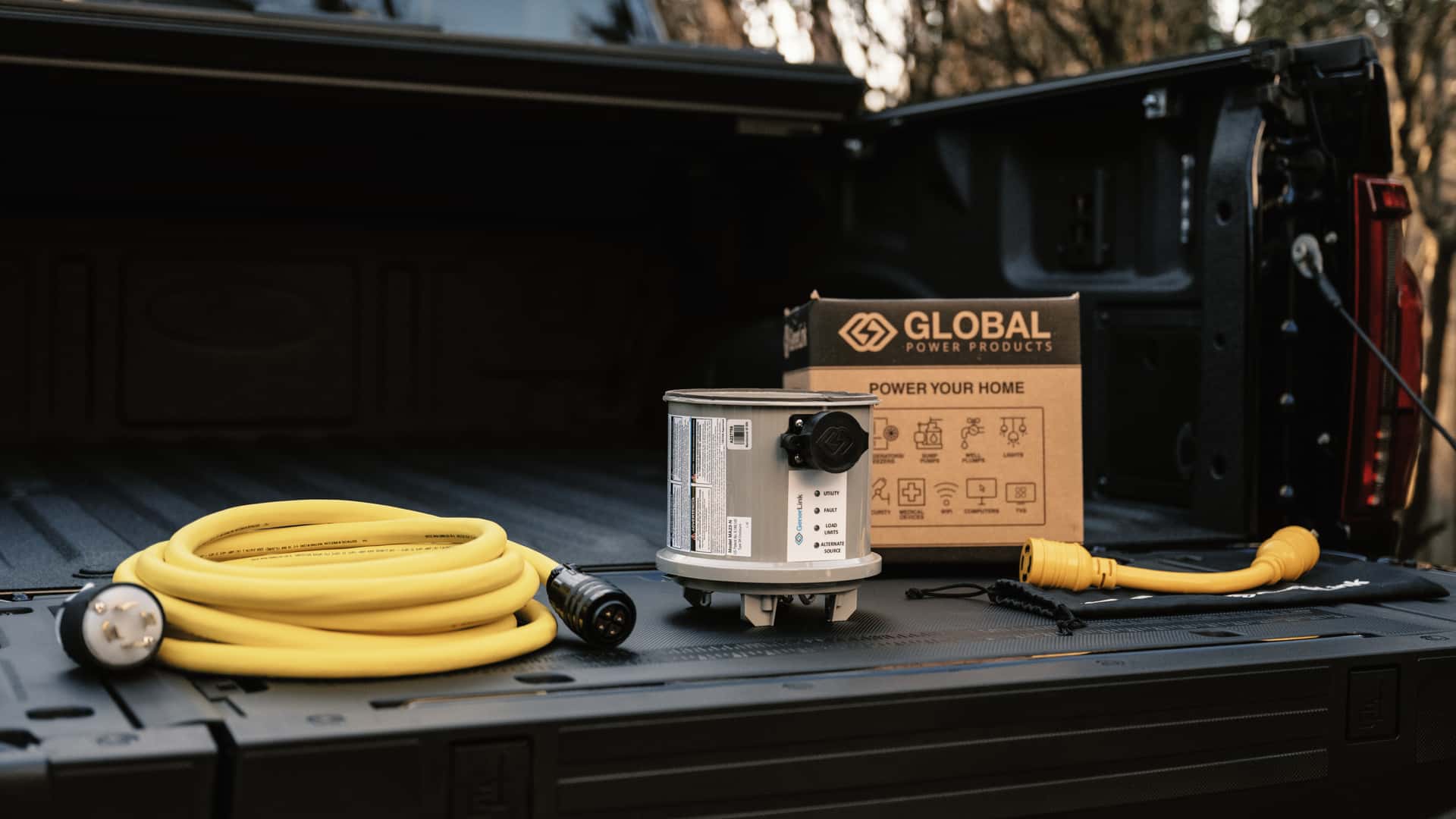
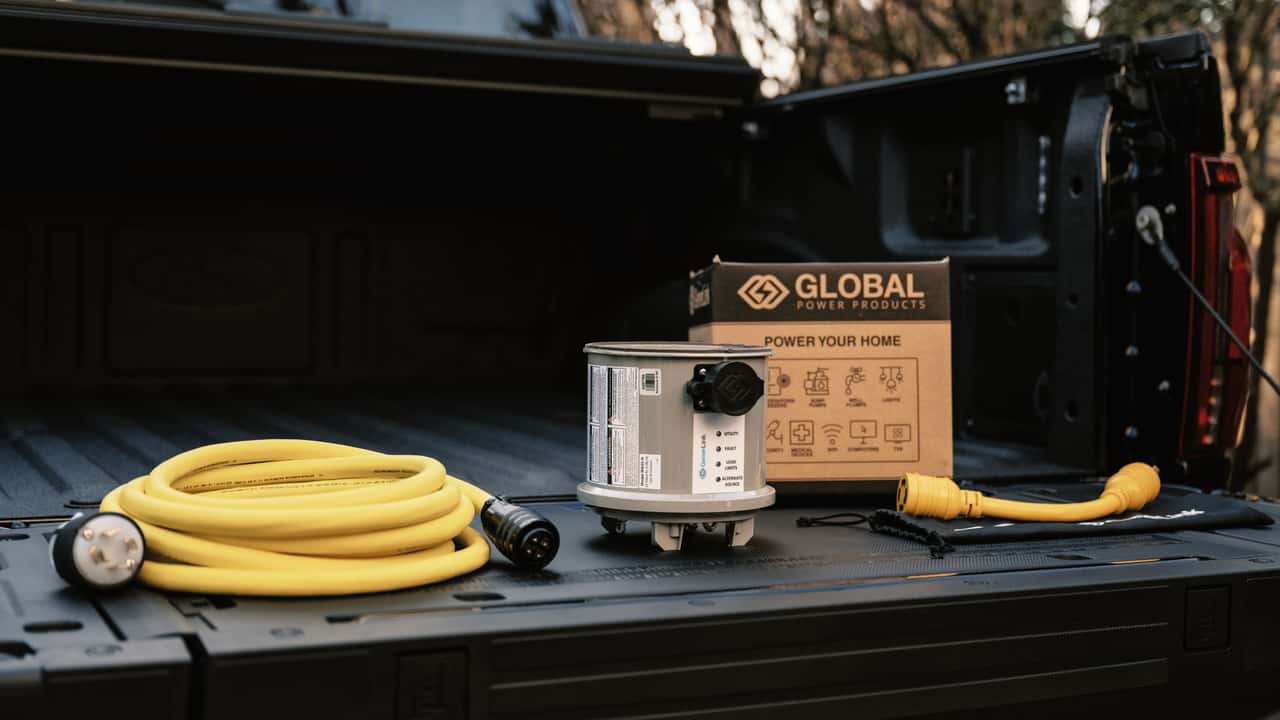
Ford is positioning its electric and hybrid trucks as the ultimate antidote to these emergencies. In a significant announcement this week, the automaker revealed a new partnership with Global Power Products to integrate the "GenerLink" transfer switch with the F-150 Lightning and the F-150 PowerBoost Hybrid. This collaboration promises to streamline the process of using your truck as a mobile generator, moving beyond messy extension cords and into a seamless, grid-integrated backup power solution.
The Core Concept: Leveraging Pro Power Onboard
At the heart of this innovation is Ford’s "Pro Power Onboard" system. For several years, Ford has marketed its F-150 Lightning (the all-electric variant) and the PowerBoost Hybrid as "power plants on wheels." These vehicles feature high-capacity 240-volt outlets integrated directly into the truck bed, capable of outputting significant wattage—9.6 kW for the Lightning and 7.2 kW for the PowerBoost.
While these outputs are impressive, the traditional method of utilizing them during an outage has been cumbersome. Owners were often forced to run multiple, heavy-duty extension cords from the truck bed into the house, snaking through windows or doorways to reach essential appliances like refrigerators, medical devices, or internet routers. This "messy" approach is not only inefficient but also presents safety risks, such as tripping hazards and the inability to properly close doors or windows.
The new partnership with Global Power Products introduces a formal, authorized pathway to feed that 240V power directly into a home’s existing electrical panel. By using the GenerLink transfer switch, the truck becomes a primary source of backup energy, capable of powering entire circuits rather than just individual appliances.
A Chronology of Progress: From DIY Experiments to Factory-Approved Solutions
The evolution of vehicle-to-home (V2H) charging has been driven largely by the ingenuity of early adopters.
- Early Days (2021–2022): When the F-150 Lightning first hit the market, owners quickly realized the potential of the 9.6 kW system. Enthusiast forums, such as the F-150 Lightning Forum, were flooded with DIY configurations. Owners began experimenting with various transfer switches and makeshift adapters to bridge the gap between their trucks and their home meters.
- The Regulatory Hurdle: Throughout 2023, the industry faced a "Wild West" scenario. While many DIY solutions worked, they were often technically non-compliant with local utility codes or insurance requirements. Without a "Ford-approved" method, many owners were left to navigate complex electrical work on their own, often fearing they might damage their truck’s sophisticated onboard power electronics.
- The Turning Point (2024): Ford began acknowledging these community-driven solutions, recognizing that safety concerns were mounting. Reports surfaced of "ground loop" issues and safety sensors in the truck tripping when connected to incompatible third-party transfer switches.
- The Current Milestone (2025): The official partnership with Global Power Products represents the culmination of this learning curve. By testing and endorsing the GenerLink switch, Ford has provided a standardized, safe, and reliable ecosystem for its customers, effectively bringing the "truck-as-a-generator" concept into the mainstream.
Technical Data and Installation Realities
The GenerLink system is designed to be installed at the point where utility power enters the home. Because it sits at the meter, it acts as a gatekeeper, ensuring that the home is safely disconnected from the main grid before the truck begins feeding power into the panel. This prevents "back-feeding"—a dangerous phenomenon where electricity flows back into the grid, potentially electrocuting utility workers.
Breakdown of Power Capabilities
- F-150 Lightning (All-Electric): With a 9.6 kW Pro Power Onboard output, this vehicle can sustain a standard household’s essential electrical needs for days, depending on the battery’s state of charge and the home’s energy consumption.
- F-150 PowerBoost (Hybrid): The 7.2 kW output provides a robust backup solution. While it lacks the massive energy storage of the Lightning’s battery, the hybrid system can run for extended periods as long as there is fuel in the gas tank, effectively functioning as a silent, high-efficiency gas generator.
Cost and Implementation
The financial barrier to entry has been a major point of discussion. The hardware itself is priced at approximately $1,100. Beyond the cost of the switch, installation fees vary based on the configuration:
- At-the-Meter Installation: This is the most efficient route, costing between $250 and $450. However, not every utility company permits modifications at the meter, meaning homeowners must first verify local regulations.
- Next-to-Meter Installation: If meter modification is prohibited, the system can be installed adjacent to the meter. This is more labor-intensive, with costs ranging from $1,000 to $1,500.
While these prices are not trivial, they pale in comparison to the massive, permanent home battery storage systems like the Tesla Powerwall or the Ford-Sunrun Charge Station Pro, which can cost tens of thousands of dollars to install.
Official Responses and Safety Considerations
Ford has been careful to manage expectations regarding this new solution. A spokesperson for the company emphasized that while they appreciate the creativity of their customer base, they do not endorse generic aftermarket connectors.
"We have tested the GenerLink system thoroughly," the spokesperson noted. "It is a validated solution that respects the safety sensors and onboard diagnostic systems of our vehicles."
The emphasis on safety is critical. Ford’s trucks are equipped with sensitive monitoring systems that detect ground faults and voltage fluctuations. Using an unverified transfer switch can cause the truck to disable its Pro Power Onboard feature instantly to prevent damage to the truck’s battery management system or the home’s wiring. By using the approved GenerLink hardware and the specific 12-inch "Ford Vehicle Connector" cord, owners can bypass these common failure points.
Implications for the Future of Energy
This development signals a massive shift in how we view the role of the personal vehicle in the energy transition. For decades, a car was a machine used solely for transportation. Today, it is becoming a cornerstone of home resilience.
1. Grid Decentralization
As more homeowners adopt V2H technologies, the burden on the traditional electrical grid decreases. During peak demand periods, a fleet of F-150s acting as decentralized batteries could theoretically shave peak load from local transformers, helping to stabilize the grid.
2. The Normalization of V2H
By lowering the price point and simplifying the installation process, Ford is moving V2H out of the "tech-enthusiast" niche and into the hands of the average consumer. When a homeowner can treat their truck like a portable generator that never needs to be refueled—or, in the case of the hybrid, is easily refueled at any gas station—the argument for electric and hybrid adoption becomes significantly more practical.

3. A Competitive Edge
In the competitive electric truck market, this level of integration is a significant differentiator. While rivals like Tesla, Rivian, and Chevrolet are exploring their own versions of home power backup, Ford’s partnership with an established player like Global Power Products provides a level of "plug-and-play" simplicity that is currently unmatched.
Conclusion: Is It Worth It?
For the average suburban resident who experiences a few power outages a year, the $1,500 to $2,500 total investment (hardware plus labor) is a prudent insurance policy. It eliminates the hassle of fuel storage for traditional gas generators, the noise of combustion engines, and the logistical nightmare of extension cords.
As we look toward an increasingly unpredictable climate, the value of the Ford F-150 Lightning and PowerBoost goes far beyond the road. By turning the truck into a literal lifeline for the home, Ford is not just selling a vehicle; they are selling peace of mind in an era where energy reliability is becoming the ultimate luxury.
If you live in an area prone to outages, the integration of your vehicle into your home’s electrical infrastructure is no longer a futuristic dream—it is a practical, available, and increasingly necessary step toward true domestic independence.
