

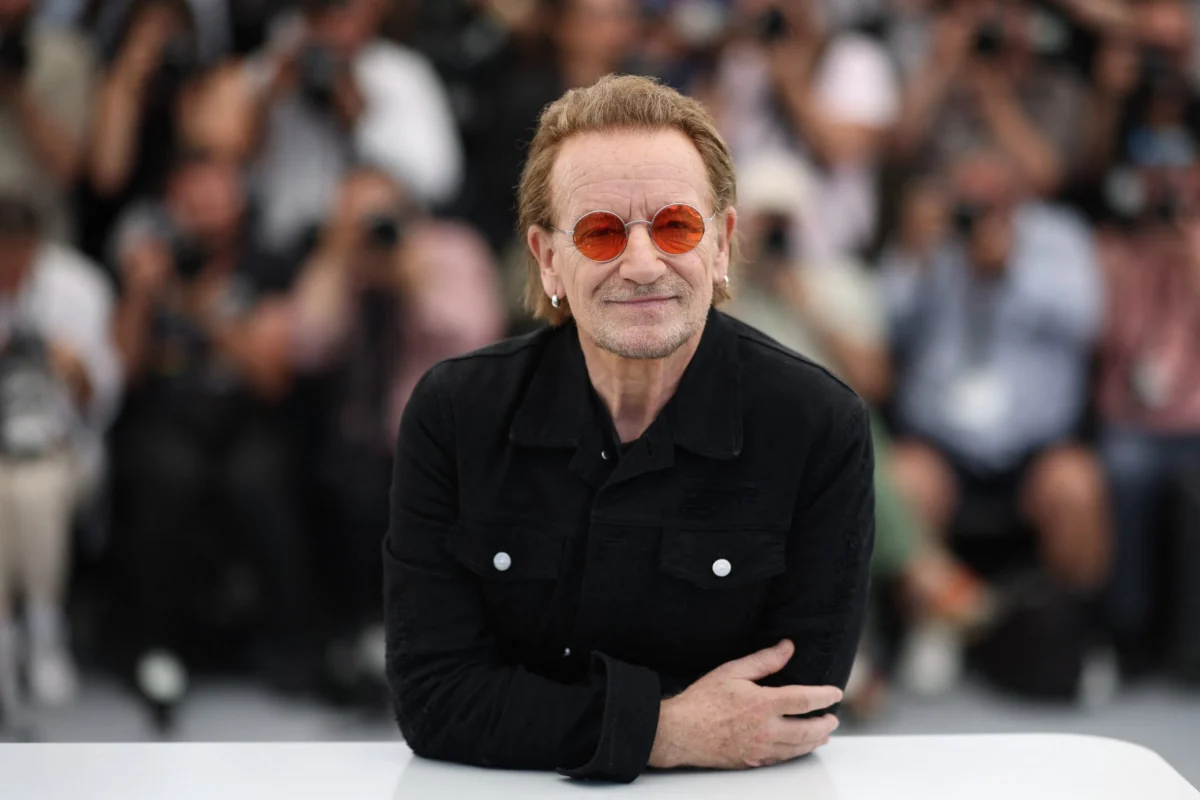
As U2 prepares to embark on their highly anticipated "Greatest Show on Earth" world tour, the legendary Irish rock band finds itself at the center of an ongoing national conversation regarding the accessibility of live entertainment. In a candid appearance on The New York Times podcast The Interview, frontman Bono addressed the elephant in the room: the skyrocketing cost of concert tickets and the polarizing strategies employed to manage high-demand stadium shows.
With the tour set to kick off in Mexico City on February 23, 2027, and a high-profile halftime performance scheduled for the NFL’s inaugural Thanksgiving Eve game on Netflix, the spotlight on U2’s business model has never been brighter. For Bono, the philosophy is pragmatic, if not slightly provocative.
The Pragmatism of the "Wealthy Fan"
During the podcast episode released on October 17, Bono offered a blunt assessment of the band’s revenue strategy. When asked about the astronomical price tags attached to premium seating—some reaching into the thousands of dollars—the 66-year-old singer did not shy away from the optics.
"We also have no problem separating rich people from their money," Bono stated. "You know, as we say, rich people have feelings, too. If they want to pay very high prices, we’ve no problem."
However, the comment was framed within a broader admission that concert-going has become an expensive endeavor for the average fan. Bono acknowledged the discomfort that comes with the territory of being a legacy act in the era of hyper-inflated ticket markets. "If they’re in America, we want people to feel really good about the choice to pay a ticket—and probably pay too much for it—to see us," he added.
This duality—acknowledging the "too much" price point while justifying the existence of luxury tiers—highlights the tightrope walk that major artists must navigate in an economy where the live music experience has transitioned from a communal event to a premium luxury commodity.
A Chronology of Ticket Strategy
To understand how U2 reached this point, one must look at the band’s long-standing approach to the front-of-house experience. For decades, U2 has claimed to prioritize the "fan experience" by shielding the most desirable areas from being exclusively reserved for the ultra-wealthy.
The Vertigo Precedent
The band’s strategy dates back to the mid-2000s. During the 2005 Vertigo tour, U2 made a concerted effort to keep general admission (GA) floor tickets at a accessible price point—$49.50 in North America. By positioning the GA floor as the "best seat in the house," the band ensured that the most enthusiastic fans, rather than just the wealthiest, could occupy the space closest to the stage.
The Sphere Evolution
The 2023–24 residency at the Sphere in Las Vegas marked a shift toward a more tiered, data-driven pricing model. While Sphere Entertainment reported that 60% of tickets were priced under $300, the introduction of the (RED) Zone—a VIP riser near the stage—brought ticket prices to $600. While a portion of these proceeds supported the anti-AIDS organization Bono co-founded, the existence of such a tier established a clear precedent for premium, high-cost seating that the band has continued to refine for their 2027 world tour.
The Escalating Cost of Entry: Data and Tiers
The financial gulf between the entry-level ticket and the "Ultimate VIP" experience has expanded significantly. According to reports from TicketNews, pricing for the 2027 tour follows a tiered structure that highlights the extreme stratification of the modern concert market.
In São Paulo, for example, the price gap is stark:
- Fan Tickets: Starting at approximately $100 (R$500).
- General Admission Floor: Approximately $158 (R$790).
- Ultimate VIP Hospitality: Approximately $1,510 (R$7,547).
The "Fan Ticket" tier, while accessible, introduces a layer of uncertainty, as the seat location is not revealed until the day of the show. Critics argue that while these tiers provide a "budget" option, the limited availability of such tickets often leaves the average consumer with little choice but to pay premium prices or retreat to the secondary market.
The Monopoly Debate: Ticketmaster Under Fire
Bono noted in his interview that the band has "very little" control over the broader market forces that drive ticket prices, a sentiment that resonates with many artists currently caught in the crosshairs of a broken ticketing ecosystem. The primary villain in this narrative, according to fans and regulators alike, is Ticketmaster and its parent company, Live Nation.
The Monopoly Verdict
The legal landscape shifted dramatically in April 2026, when a federal jury in Manhattan determined that Live Nation and Ticketmaster had illegally maintained a monopoly. The ruling confirmed suspicions held by millions of concert-goers: the industry titan had been engaging in anticompetitive behavior, with the jury specifically finding that they overcharged fans by $1.72 per ticket—a figure that, while seemingly small, represents a massive aggregate extraction of wealth when applied to the tens of millions of tickets sold annually.
Ongoing Litigation
The legal battles are far from over. A coalition of 33 states and the District of Columbia is currently pushing to break up the company, following a Department of Justice settlement that failed to quell state-level concerns. Simultaneously, the Federal Trade Commission (FTC) has initiated a separate lawsuit alleging that Ticketmaster knowingly facilitated illegal ticket resale tactics. The complaint alleges that the platform allowed brokers to bypass ticket limits through thousands of accounts, only to profit again when those tickets were resold on its own secondary marketplace.
In October 2026, a federal judge refused to dismiss the FTC’s case, signaling that the regulatory environment for concert ticketing is shifting toward a more aggressive oversight model. Live Nation continues to characterize these suits as "misguided," promising to appeal any unfavorable rulings.
The Broader Implications for Live Music
The implications of U2’s pricing strategy and the concurrent collapse of the traditional ticketing monopoly are profound for the future of the industry.
The Myth of "Dynamic Pricing"
Dynamic pricing—the practice of raising ticket prices in real-time based on surging demand—has become a flashpoint for fan outrage. While Ticketmaster maintains that it is the artists and promoters who set the price floors, the lack of transparency in the system has led to widespread disillusionment. The U.K. government was forced to intervene following the "Oasis fiasco" in 2024, where fans saw ticket prices climb exponentially within minutes of release.
The Future of the Concert Experience
As U2 heads into 2027, the band’s rhetoric serves as a reflection of a fractured reality. By openly admitting that they are willing to "separate rich people from their money," Bono is perhaps the first major star to stop pretending that the current system is purely equitable. He acknowledges the "overpayment" while simultaneously leaning into the luxury status of the band.
However, the risk for artists like U2 is the potential erosion of the "middle-class" fan base. When the entry-level ticket is limited and the VIP packages reach four-digit prices, the audience composition shifts. The concert becomes less of a communal, generational event and more of an exclusive experience reserved for those with high disposable income.
Conclusion: A Delicate Balance
The "Greatest Show on Earth" tour will be the ultimate test of whether U2 can maintain its reputation for inclusivity while operating within a market that rewards exclusivity. Bono’s admission that fans are likely "paying too much" is a rare moment of honesty in an industry that prefers to hide behind the mechanisms of "market demand" and "dynamic pricing."
Whether the band’s strategy of protecting the floor while monetizing the VIP tiers is enough to satisfy their massive global following remains to be seen. As the legal system continues to chip away at the monopolistic structures that dictate how we buy our tickets, the future of live music hangs in the balance. For now, U2 remains a dominant force—one that is fully aware of its power to command high prices, and one that has decided, quite openly, to let the market bear what it will.
