

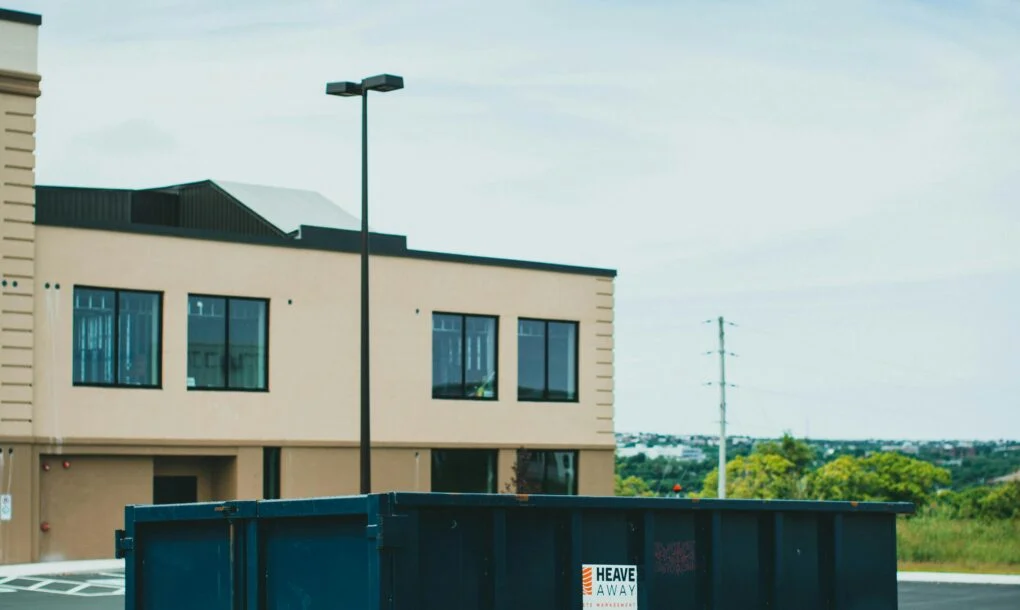
In the modern urban landscape, the simple act of placing a dumpster for a construction project has evolved into a high-stakes logistical maneuver. For contractors operating in dense downtown corridors, historic districts, and rapidly densifying mixed-use neighborhoods, the days of simply dropping a container on the nearest patch of asphalt are over.
Today, placing a temporary dumpster in a permit-restricted zone is a regulated activity that intersects with municipal codes, civil engineering standards, traffic management protocols, and public safety mandates. When handled with precision, waste logistics serve as the backbone of a steady job site; when managed with casual indifference, they become a primary source of project-killing fines, stop-work orders, and lasting reputational damage with local authorities.
The Architecture of Public Space: Defining the Right-of-Way
To operate effectively, contractors must first master the geography of the "right-of-way." A public right-of-way (ROW) encompasses far more than the active lanes of a street. It typically includes sidewalks, curb lanes, alleys, parkways, and any publicly controlled access corridors.
In many high-density cities, developers often mistakenly assume that a vacant curb lane is "free space." In reality, this is public infrastructure. Any occupancy of this space—even for a few hours—is a formal encroachment that requires explicit municipal authorization.
Key Scenarios Requiring Oversight
- Sidewalk Obstructions: Using pedestrian pathways for debris collection, necessitating temporary rerouting or covered walkways.
- Curb Lane Occupancy: Utilizing on-street parking or loading zones for container staging.
- Alleyway Blockage: Managing waste in narrow corridors that serve as primary fire department access routes.
- Utility Proximity: Ensuring dumpsters do not sit atop manholes, storm drains, or high-voltage access vaults.
The Chronology of Compliance: From Planning to Removal
Successful waste management is not a task performed during the project; it is a pre-construction discipline. The lifecycle of a permitted dumpster follows a rigid chronological path that, if broken, leads to immediate regulatory intervention.
- Pre-Construction Assessment: Before a permit is filed, project managers must survey the site for existing infrastructure, overhead power lines, and neighboring access points.
- Permit Application Phase: Filing for city-specific right-of-way occupancy permits. This phase often requires submitting site plans, safety lighting, and, in some cases, traffic control plans (TCPs).
- The Waiting Period: Municipal review timelines vary wildly. In historic districts, this can take weeks, meaning waste logistics must be baked into the project schedule months before the first demolition hammer swings.
- Operational Window: Once the permit is active, the container is placed. Contractors must adhere to strict duration caps, as many cities issue only short-term permits to keep public spaces fluid.
- Renewal and Removal: If a project runs long, the renewal process must be triggered well before the expiration date. Failure to do so transforms a legal piece of equipment into an illegal obstruction.
The Rationale Behind Regulation: Why Municipalities Intervene
Local governments do not impose these hurdles merely to collect fees. Regulations are designed to protect the "Three Pillars of Urban Stability": Public Safety, Infrastructure Longevity, and Economic Throughput.

Public Safety
A dumpster is a large, steel, immobile object. In a high-traffic area, it can obstruct fire lanes, blind drivers at intersections, and force pedestrians into active traffic. Regulations ensure that visibility and safety markings (such as reflective tape and flashing barricades) are present.
Infrastructure Protection
Public streets are not designed for the concentrated point loads of a 30-yard dumpster filled with masonry or wet demolition waste. Over time, these containers can cause significant pavement cracking, rutting, and sub-surface damage. Municipalities often require protective matting (such as plywood or heavy-duty steel plates) to distribute weight and prevent long-term damage to the city’s asphalt.
Traffic and Economic Flow
In a downtown core, every lane is a vital artery. A dumpster that removes a lane of traffic during rush hour can cause city-wide gridlock. Regulations are therefore calibrated to balance the needs of the contractor with the needs of the city’s daily commuters and transit systems.
Data-Driven Site Logistics: Supporting Evidence
While specific municipal codes vary, professional industry standards emphasize that waste management is a quantifiable risk factor.
- Financial Impact: Fines for illegal placement can range from $500 to several thousand dollars per day, depending on the municipality.
- Operational Delays: A single "cease and desist" order from a municipal inspector can halt a project’s debris removal, which subsequently halts interior work. If a crew cannot clear waste, they cannot continue demolition, potentially leading to thousands of dollars in lost labor hours.
- Liability Exposure: Insurance carriers have noted that the majority of claims involving site equipment arise from improper placement in the right-of-way, particularly regarding pedestrian "trip and fall" accidents or vehicle-to-dumpster collisions.
Official Responses and Municipal Perspectives
Municipal permitting offices increasingly view contractors through a lens of "cooperative compliance." Many cities have moved toward digital permitting portals, such as those that allow for real-time tracking of permit status and expiration.
According to municipal planning departments, the most common point of friction is not a lack of willingness to comply, but a lack of planning. Officials stress that "complaint-driven enforcement" is the reality of the modern city. In dense areas, neighbors, local business owners, and commuters act as the eyes of the city. If a dumpster is seen as a nuisance, the city will receive a complaint, and an inspector will be dispatched within hours. Therefore, the "visual footprint" of the site is just as important as the legal one.

The Multi-City Challenge: A Need for Centralization
The lack of a standardized national framework for waste logistics creates a massive administrative burden for contractors working on multiple sites across different jurisdictions. A company working in Chicago, Austin, and New York City must manage three entirely different sets of permit requirements, fee structures, and hauling window restrictions.
This complexity has led to the rise of specialized logistics providers, such as Temporary Dumpster, which focus on bridging the gap between local municipal regulations and contractor needs. By centralizing the permitting process and ensuring that waste removal schedules align with city-mandated hauling windows, these services help mitigate the risks of administrative failure.
Strategic Implications: Lessons for Contractors
The implications for project management are clear: Waste management is a core site-logistics function, not an afterthought.
1. The Pre-Construction Integration
Include waste placement strategies in the initial site-logistics map. If the project requires a crane, scaffolding, and a dumpster, the order of operations must be carefully planned to ensure that a dumpster doesn’t block the necessary access for other trades.
2. Documentation Discipline
Always maintain a "permit packet" on-site. This should include the original permit, the site plan, and any correspondence with the city regarding extensions. When an inspector arrives, the ability to produce these documents immediately is the difference between a routine visit and a project-wide shutdown.
3. Community Engagement
In dense, high-visibility areas, the reputation of the site matters. Keeping the area around the dumpster clean, ensuring it is not overflowing, and strictly adhering to the permitted hours of operation will prevent the majority of "complaint-driven" enforcement visits.

4. Proactive Scheduling
If a project is running behind, start the permit renewal process at least 72 hours before the current permit expires. Never assume that a renewal will be granted instantly, especially in high-demand districts.
Conclusion: Balancing Convenience and Compliance
The reality of urban construction is that there is no room for error. The street is a shared asset, and the privilege of occupying it comes with a duty to protect it and keep it functioning for the public. By treating dumpster placement with the same professional rigor as structural steel or MEP installation, contractors can ensure that their projects remain on schedule, on budget, and in good standing with the municipalities they serve.
In the final analysis, the most successful projects are those where the waste logistical plan is invisible to the public—because it is perfectly, quietly, and legally managed.
