

Living in harmony with nature is an ideal goal for most homeowners, but that harmony is often disrupted when insects, rodents, and other uninvited guests cross the threshold of our homes. While professional pest control services are a reliable line of defense, they often come with high price tags and the heavy use of synthetic chemicals that can linger in our living spaces, potentially posing health risks to family members and pets.
For those seeking a more sustainable, budget-friendly, and health-conscious approach, the world of DIY pest management offers a wealth of solutions. By utilizing common household items and natural ingredients, you can effectively deter, trap, and eliminate pests while maintaining a safer indoor and outdoor environment.
The Shift Toward Natural Solutions: Why DIY Matters
The rise in interest regarding DIY pest control is not merely a trend; it is a shift toward a more informed, health-conscious lifestyle. Research published in public health journals has highlighted concerns regarding the long-term exposure to certain pesticides found in commercial products. Homeowners are increasingly looking for ways to mitigate infestations without exposing their children or pets to toxic aerosols or lingering chemical residues.
Effective pest control, when done naturally, relies on understanding the biology of the intruder. By manipulating their environment, using baits that exploit their natural behaviors, or creating physical barriers, you can achieve professional-grade results without a single drop of harsh industrial pesticide.

A Chronological Approach to Pest Management
Effective pest management is rarely a "one-and-done" event. It requires a systematic, chronological strategy:
- Prevention (The First Line of Defense): Identifying entry points and eliminating food sources.
- Monitoring (Identification): Using traps to understand which pests are present and the scale of the infestation.
- Intervention (Targeted Action): Applying natural remedies, such as vinegar, essential oils, or physical barriers.
- Maintenance: Consistent cleaning and reapplication of deterrents to ensure the infestation does not return.
Targeted DIY Strategies for Common Pests
1. Mosquitoes: The Patio Protector
Nothing ruins a summer evening faster than the persistent buzz and bite of mosquitoes. Rather than relying on heavy chemical fogs, you can repurpose glass wine bottles into elegant, functional tiki torches.
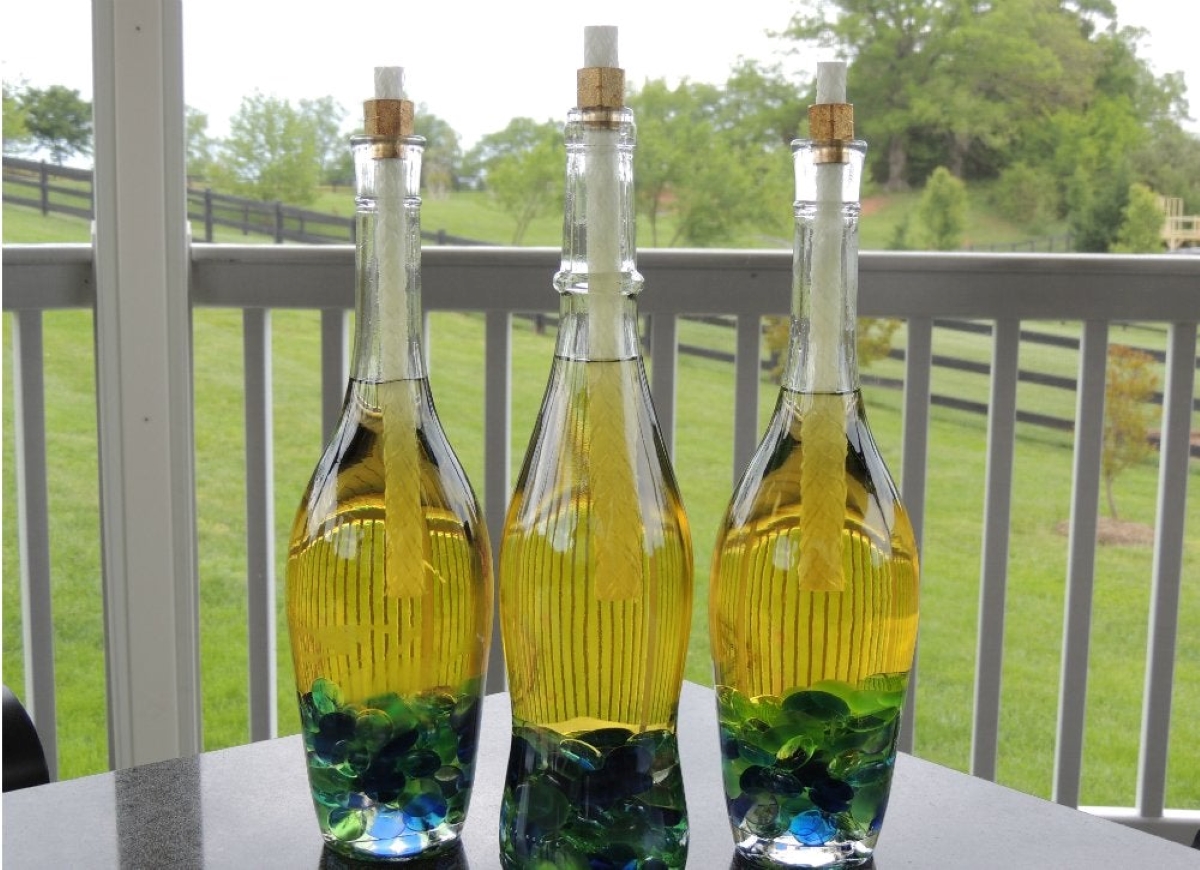
- The Method: Fill empty glass bottles with sand or small stones for stability. Fill to the neck with citronella-scented lamp oil. Drill a hole in the cork, thread a cotton wick through, and light.
- The Result: The citronella creates a localized barrier, keeping biting insects away from your patio party for hours.
2. Ants: The Vinegar Deterrent
Ants are master navigators, using pheromone trails to lead their colonies to your kitchen. To break this cycle, you must disrupt their chemical communication.
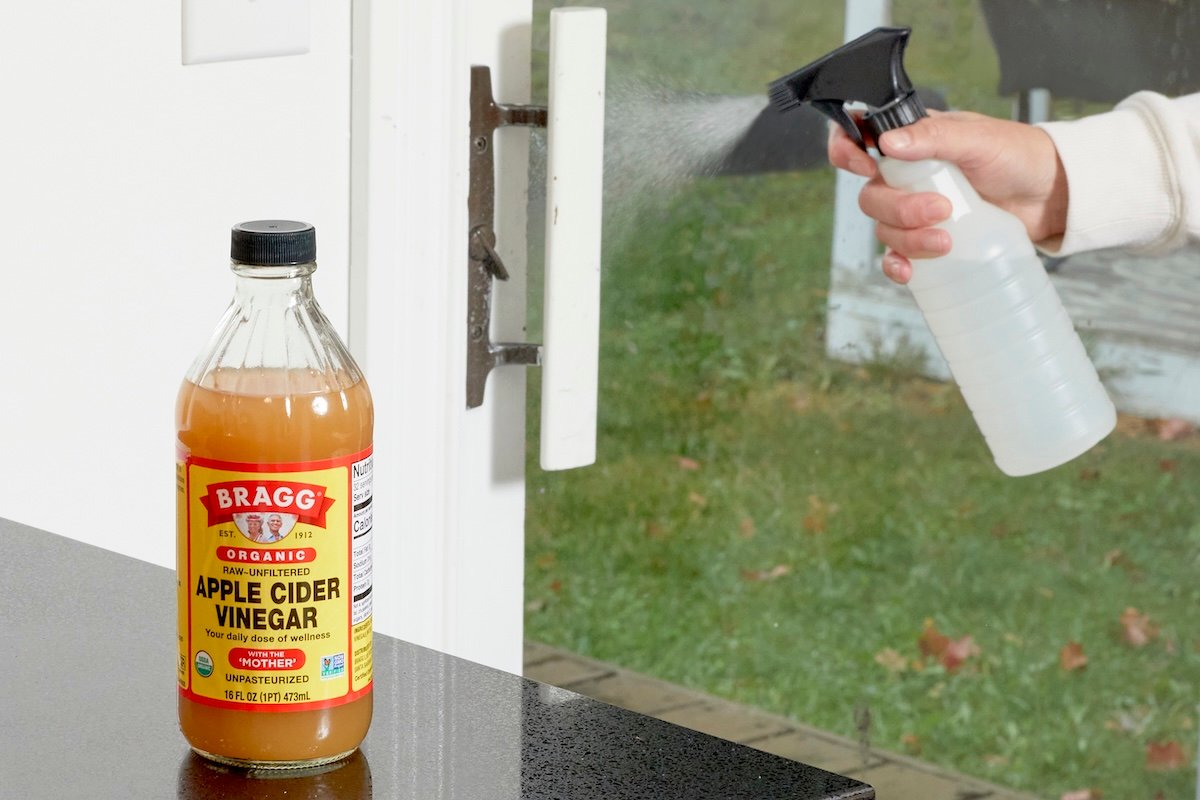
- The Method: Create a solution of equal parts apple cider vinegar and water. Use this mixture to wipe down all countertops, baseboards, and potential entry points.
- The Science: The acetic acid in the vinegar neutralizes the pheromone trails, essentially "blinding" the ants and forcing them to look elsewhere for food.
3. Slugs: The Fermentation Trap
Slugs are the bane of any vegetable garden, often destroying seedlings overnight. The most effective way to deal with them is by appealing to their hunger.
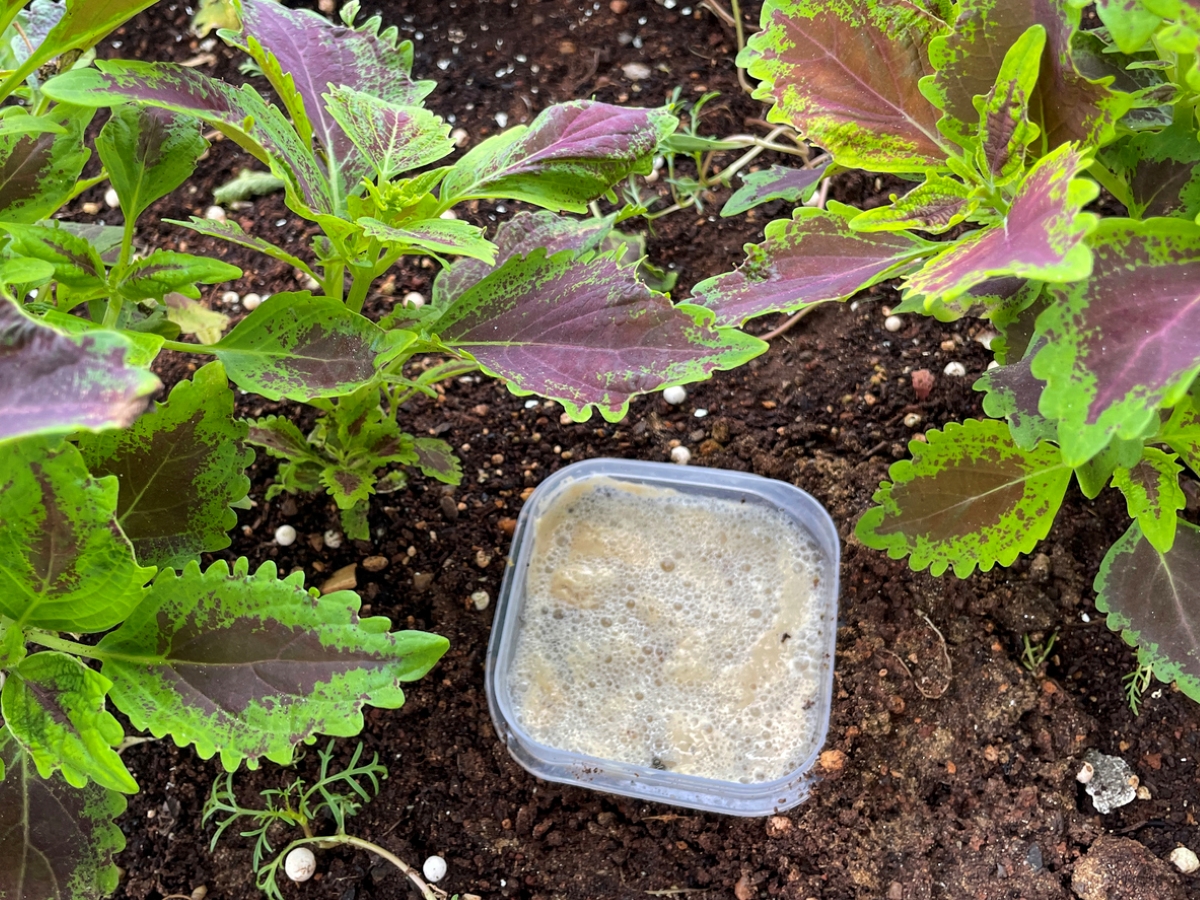
- The Method: Bury a wide-mouthed container two-thirds into the soil. Fill it one-quarter full with beer.
- The Mechanism: Slugs are naturally drawn to the fermented yeast in the beer. They crawl into the container, fall in, and are unable to climb out.
4. Aphids and Whiteflies: The Soap Spray
Soft-bodied insects like aphids, mealybugs, and whiteflies can devastate ornamental plants and garden crops.
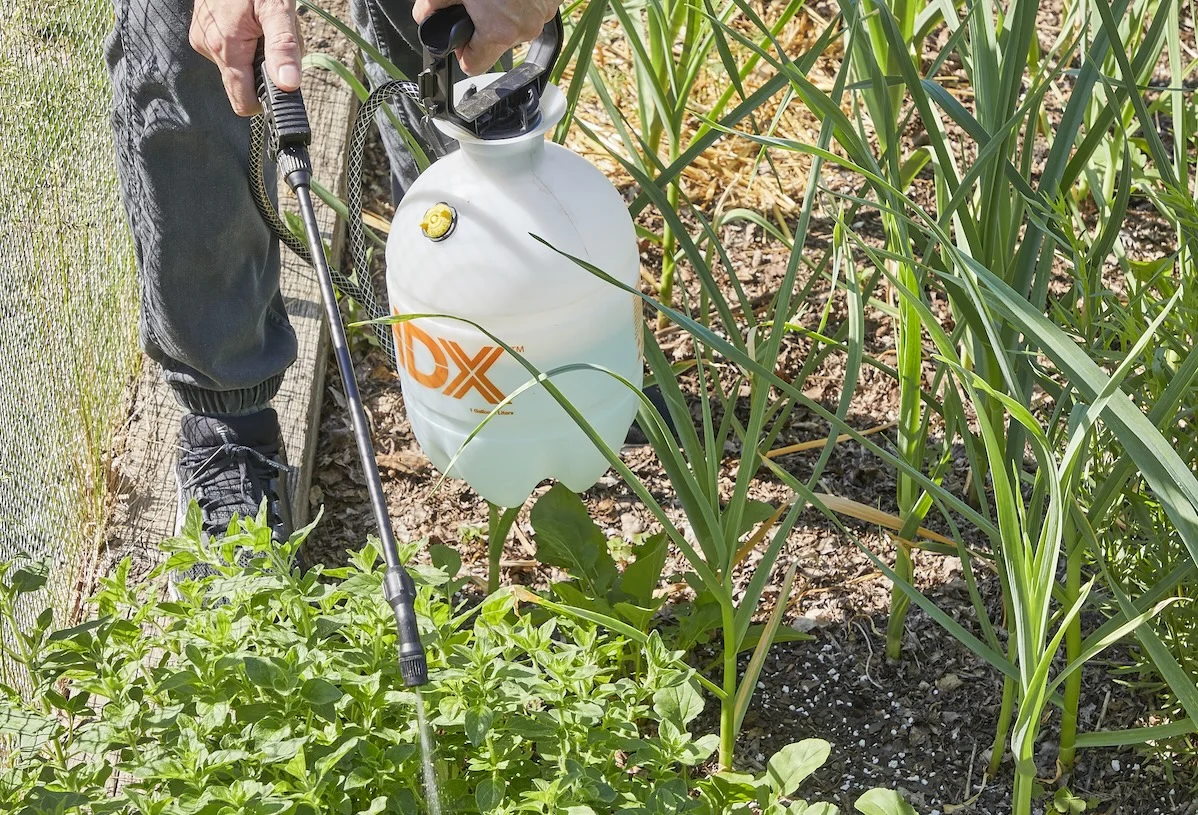
- The Method: Mix 1/2 cup of rubbing alcohol with 1 quart of liquid soap.
- Application: Spray directly on infested foliage at dusk. Because the solution can cause "leaf burn" in direct sunlight, applying it in the evening is critical. Rinse the plants after 20 minutes to prevent residue buildup.
5. Personal Protection: The Essential Oil Repellent
Synthetic DEET-based repellents are effective but often unpleasant to apply. A natural alternative uses the volatile oils that plants use to defend themselves.
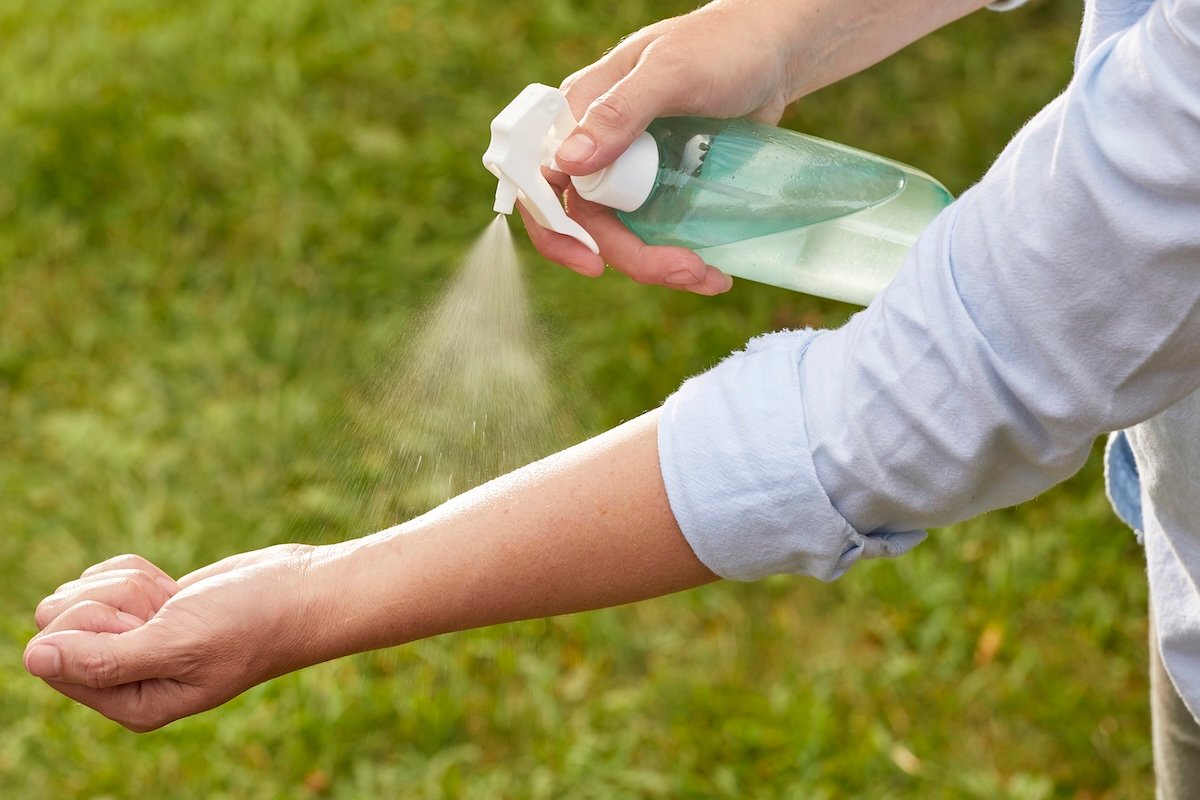
- The Recipe: Combine 2 ounces of witch hazel, 2 ounces of distilled water, and 15 drops of citronella, lavender, or lemongrass oil.
- Implication: This mist is safe for human skin and provides a pleasant, aromatic deterrent to biting flies and mosquitoes.
6. Beetle Control: The Tomato Leaf Extract
Tomato plants contain natural alkaloids that are toxic to certain beetles.
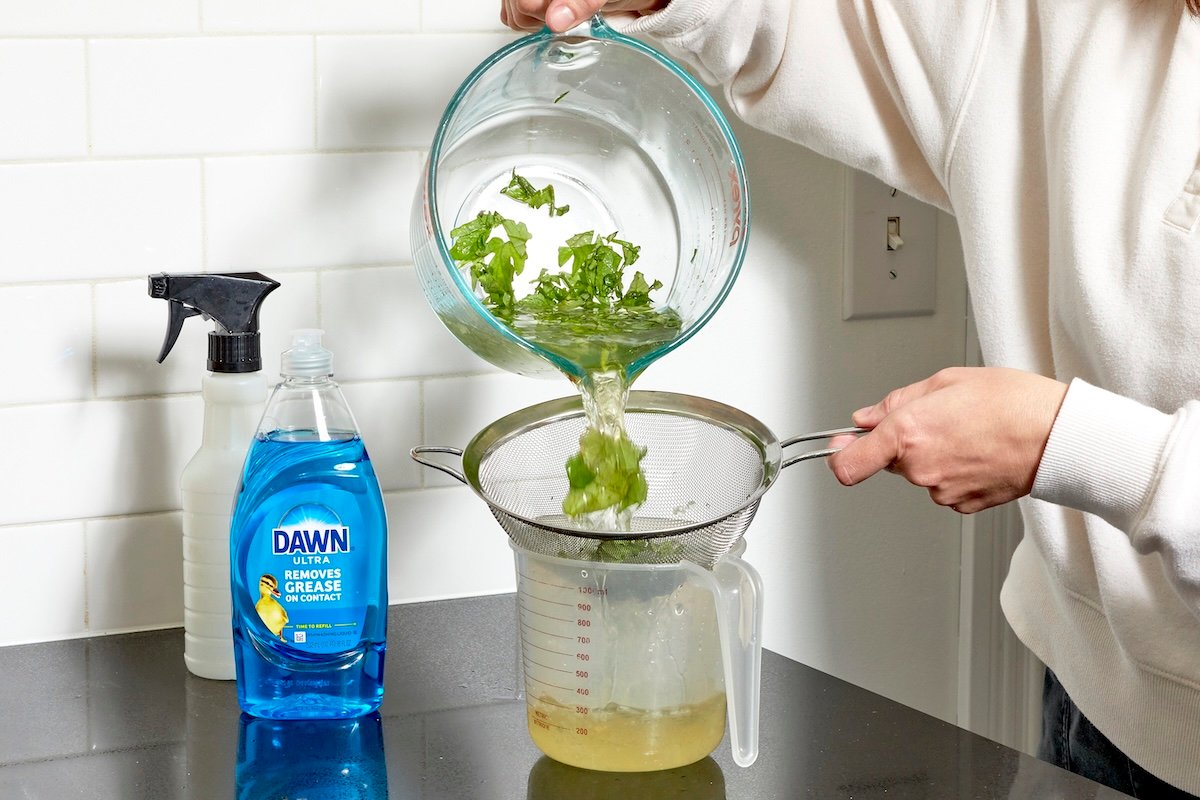
- The Method: Soak 2 cups of chopped tomato leaves in a pint of water overnight. Strain, add an additional pint of water and a dash of dish soap, and spray your garden foliage.
7. Nematodes and Caterpillars: The Molasses Solution
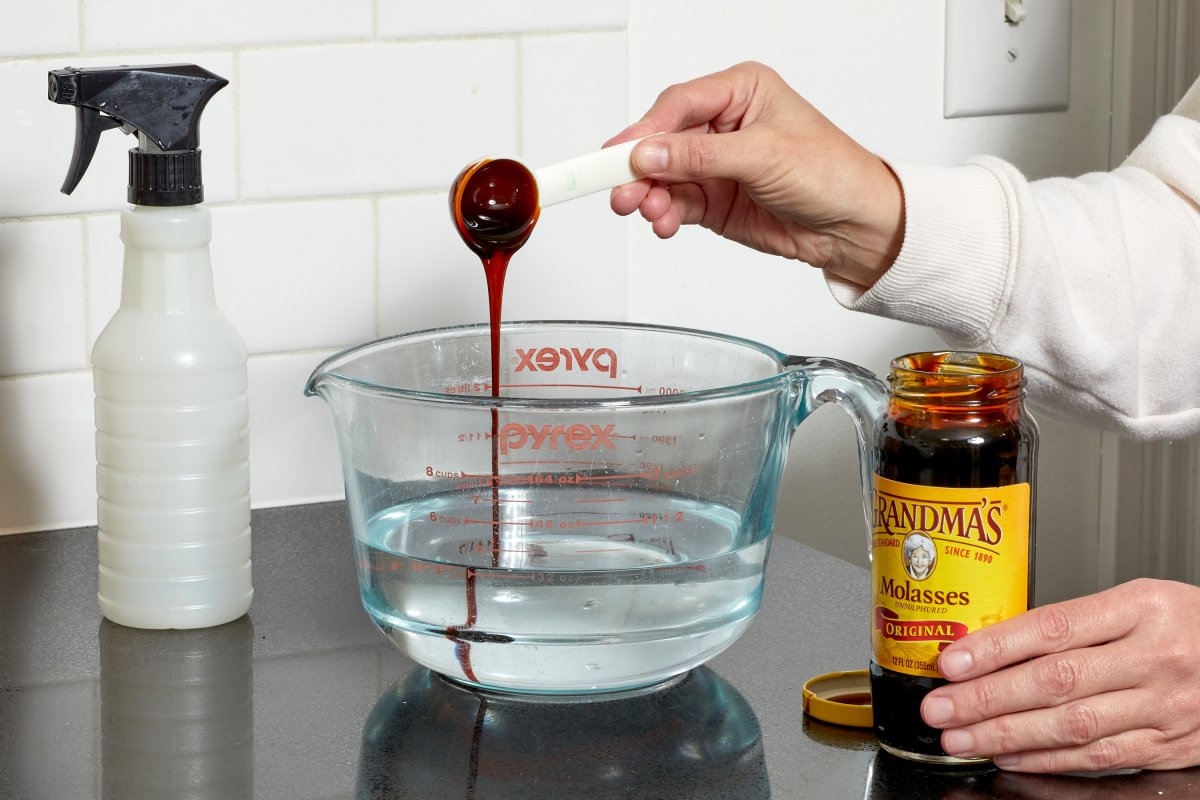
While molasses is often used in soil health, it serves as a deterrent for many garden-variety pests.
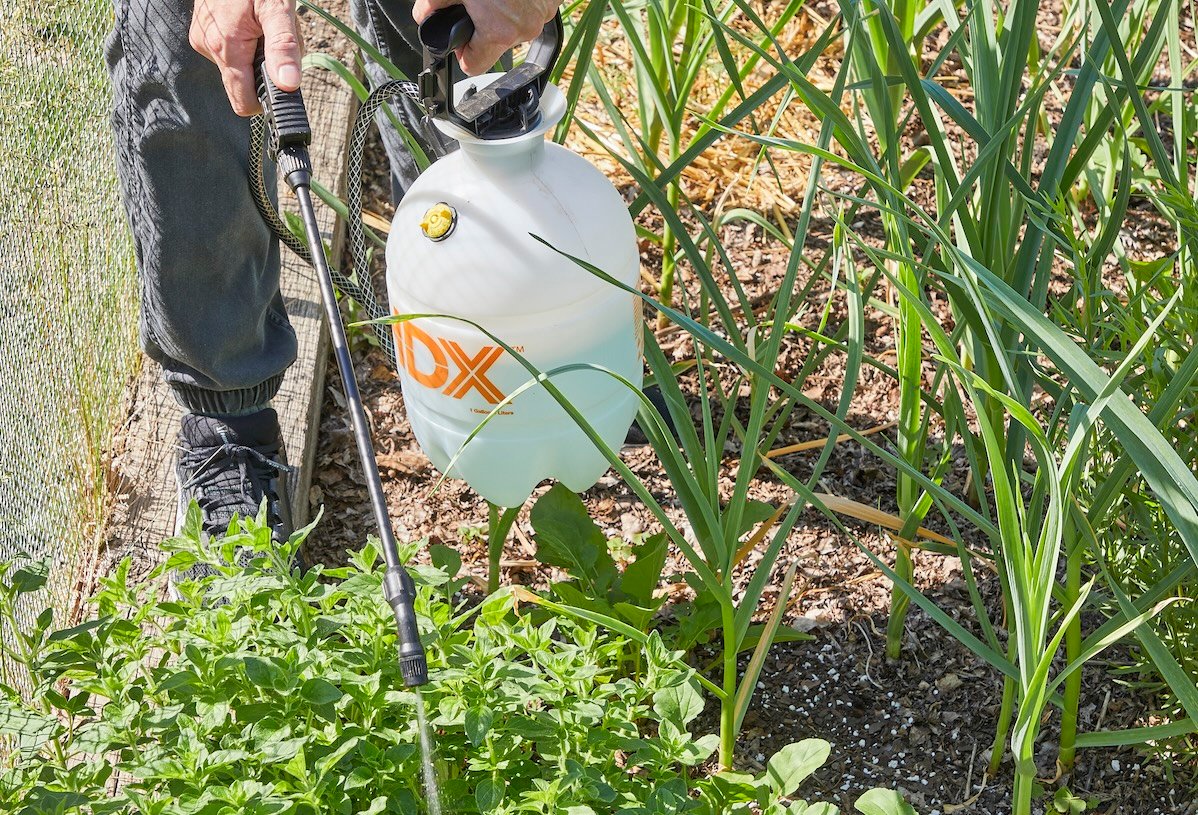
- The Method: Dissolve 3 tablespoons of molasses in 4 cups of warm water. Spraying this on plants and the surrounding soil creates a sticky, unappealing environment for caterpillars and parasitic worms.
8. Fruit Flies: The Vinegar Trap
Fruit flies are persistent guests in any kitchen with ripe produce.
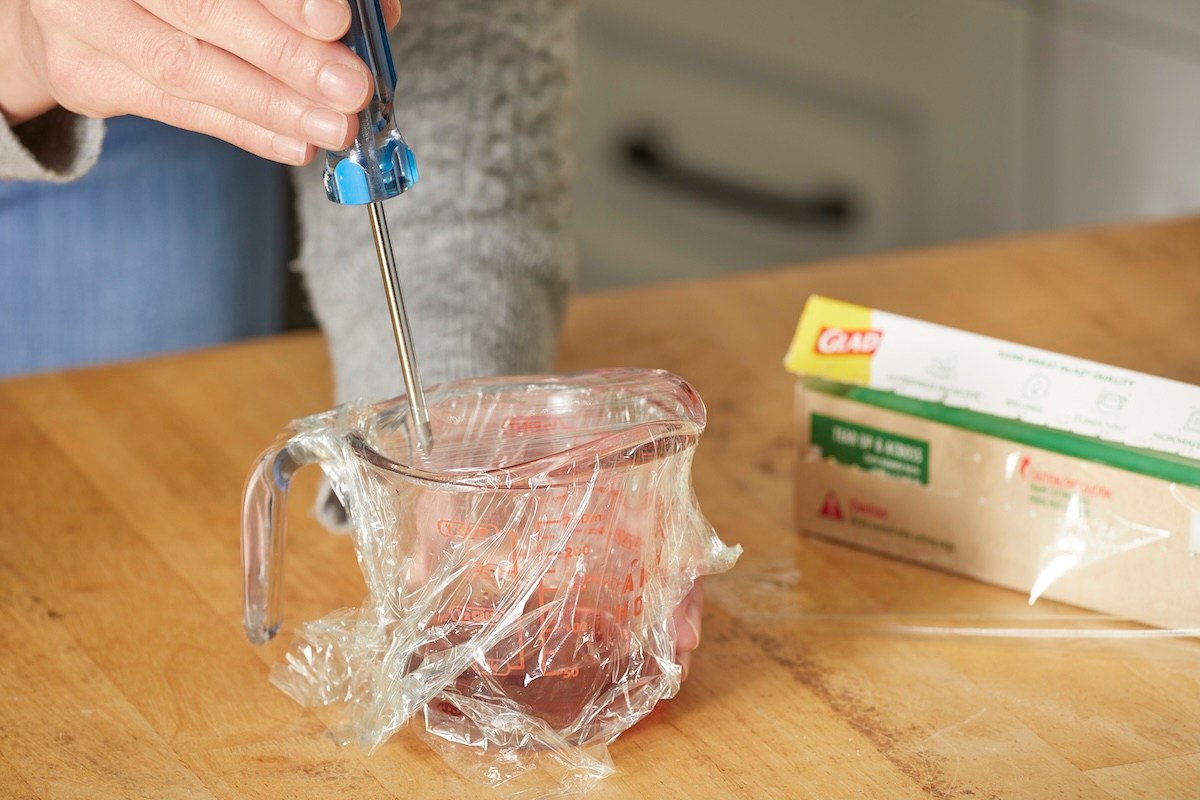
- The Method: Pour apple cider vinegar and a drop of dish soap into a cup. Cover with plastic wrap and poke small holes in the top. The flies enter for the scent, and the soap breaks the surface tension of the liquid, ensuring they cannot escape.
9. Pet-Safe Repellent: Lavender and Lemon
Keeping pests off your pets without harsh chemicals is a high priority for responsible owners.
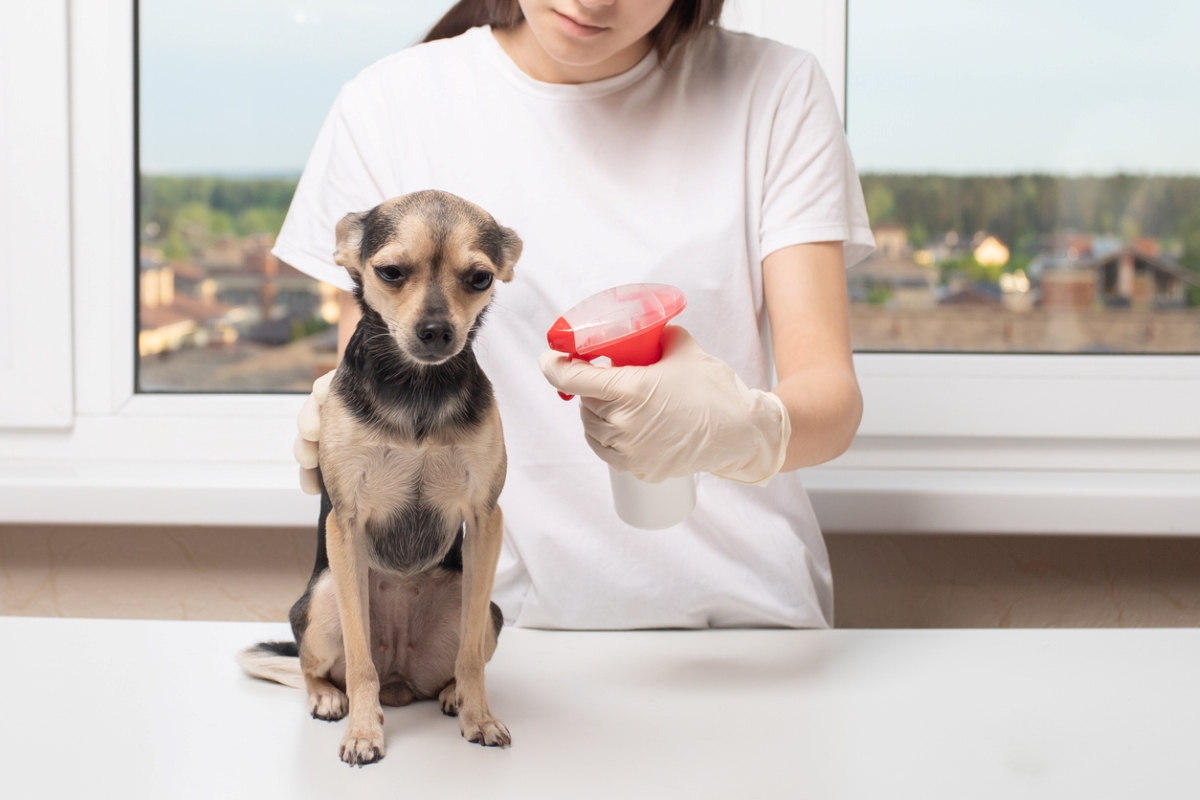
- The Method: Simmer sliced lemon and fresh lavender in 2 cups of water for 30 minutes. Once cooled, add 2 tablespoons of alcohol-free witch hazel. Spray this onto your pet’s coat (avoiding the eyes) before outdoor excursions.
10. Wasps: The Funnel Trap
Wasps can be dangerous, especially for those with allergies.
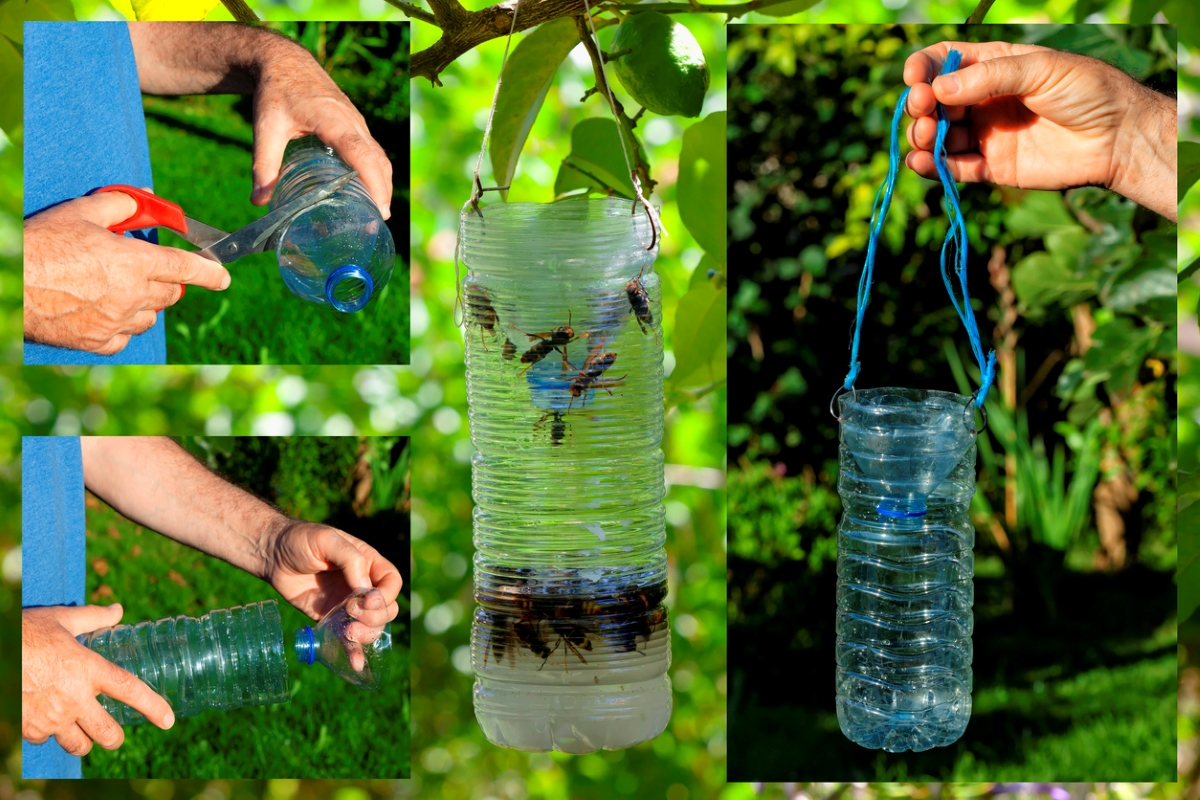
- The Method: Create a funnel trap using a plastic water bottle cut in half. Use grease or meat for spring-time traps (when wasps seek protein) and sugary fruit preserves for summer (when they seek carbohydrates).
11. Sticky Traps: The Corn Syrup Solution
Sticky traps are a staple in greenhouses.
- The Method: Boil 1 quart of corn syrup with 1 quart of water. Brush onto colored paper (yellow is often most effective) and hang near plants to catch winged pests.
12. Wasps: The Vinegar Strike
For direct nest treatment, vinegar’s acidity is a potent weapon.
- The Method: Spray a mixture of apple cider vinegar, sugar, and water directly onto the nest entry points during the evening, when the insects are dormant.
13. Cockroaches: The Boric Acid Bait
Boric acid is a time-tested, highly effective way to manage cockroach populations.
- The Method: Mix equal parts boric acid and sugar. The sugar lures the pest; the acid acts as an abrasive, dehydrating, and ultimately lethal agent.
- Caution: Keep this away from areas accessible to small children or pets.
14. Bed Bugs: Diatomaceous Earth
Diatomaceous earth is a fine powder made from fossilized algae. It works mechanically rather than chemically, piercing the exoskeleton of the pest and causing dehydration.
- The Method: Lightly dust mattress seams and baseboards with food-grade diatomaceous earth.
Supporting Data and Efficacy
The efficacy of these methods is rooted in the biology of the pests. For instance, the use of boric acid as an insecticide is well-documented in entomological research, proving to be more effective than several synthetic alternatives for certain cockroach species. Similarly, the use of soaps in gardening to manage aphids is a standard Integrated Pest Management (IPM) practice, favored because it has a low environmental impact and does not leave toxic residues on food crops.
Official Perspectives and Safety Considerations
While these DIY methods are generally safer than industrial chemicals, they are not without nuance. Experts in home safety emphasize that "natural" does not always mean "harmless."
- Toxicity: Substances like boric acid or essential oils must be handled with care. Boric acid is toxic if ingested, and certain essential oils can be irritating to the skin or dangerous if consumed by pets.
- Professional Intervention: If an infestation is massive—such as a large-scale termite colony or a hidden rodent nest behind walls—DIY methods may not be sufficient. In such cases, professional help is required to prevent structural damage.
Implications for Modern Homeownership
The movement toward DIY, natural pest control signals a larger change in how we perceive our homes. By taking an active role in managing pests, homeowners gain a deeper understanding of their living environment. This hands-on approach encourages better sanitation habits, improved structural maintenance, and a greater appreciation for the balance of the local ecosystem.
By choosing these methods, you are not just eliminating a bug; you are curating a healthier, more conscious home. Whether you are using a simple vinegar trap to clear your kitchen of fruit flies or utilizing diatomaceous earth to secure your bedroom, you are participating in a safer, more sustainable tradition of home care.
When you empower yourself with the right knowledge and tools, you can successfully navigate the challenges of homeownership, keeping your space peaceful, clean, and free from unwanted guests.
