

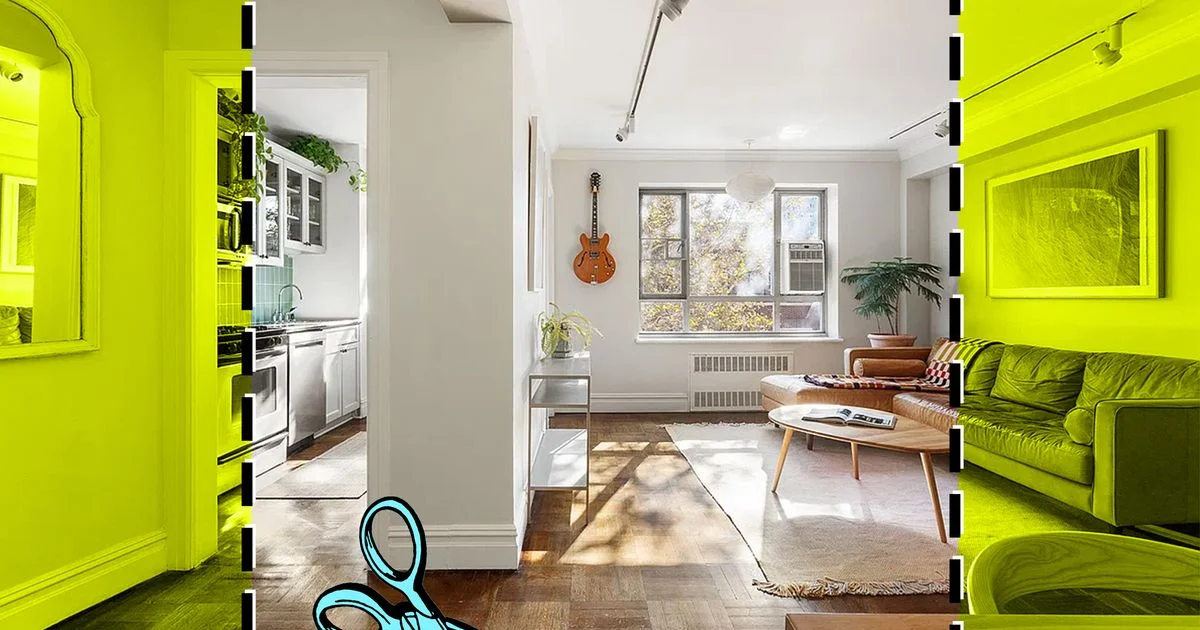
For prospective New York City homebuyers, the “under a million” threshold is more than just a financial benchmark; it is a psychological barrier that defines the limits of possibility. In a market often defined by stratospheric price tags and bidding wars, finding a property that balances space, location, and condition requires both patience and a discerning eye. Whether it is a studio in the heart of the West Village, a historic co-op in Jackson Heights, or a sprawling one-bedroom in Park Slope, the hunt for an affordable gem remains the great challenge—and the great adventure—of New York real estate.
As we survey the current landscape, the inventory presents a fascinating cross-section of the city’s architectural history. From carriage houses and former industrial lofts to pre-war cooperatives and modern renovations, the options are as varied as the neighborhoods themselves. This week, we examine four distinct properties that offer a compelling case for investment, exploring why they stand out in a competitive, high-interest-rate environment.
The State of the Market: A Chronology of Constraint
The New York City real estate market of late 2026 continues to grapple with the dual pressures of limited inventory and persistent buyer demand. Over the past twenty-four months, the market has undergone a significant recalibration.
- Early 2025: Interest rates began a slow but noticeable decline, triggering a surge of pent-up demand from first-time buyers who had been sidelined since the late 2023 rate hikes.
- Late 2025: Inventory hit a historic low, as homeowners locked into lower mortgage rates refused to list, fearing the cost of upgrading to a new loan.
- Current Quarter (Q4 2026): We are seeing a stabilization phase. Sellers who were once overly optimistic about pricing have begun to align with current buyer sentiment, leading to more realistic price adjustments for properties in the $700,000 to $950,000 range.
This current environment has favored the prepared buyer. Those who understand the nuances of building financials—the difference between a healthy reserve fund and a high-maintenance co-op—are the ones successfully closing deals.
Featured Listings: Where Value Meets Lifestyle
1. The Park Slope Stunner: 130 Eighth Avenue, Apt. 4B ($765,000)
Located in the prestigious north end of Park Slope, this one-bedroom co-op offers a masterclass in maximizing footprint. Positioned just a block from Prospect Park, the location provides an immediate lifestyle upgrade.
The current sellers have focused on high-impact renovations. The galley kitchen, often a point of contention in older buildings, has been transformed with a sage-green backsplash and updated appliances that maximize cabinet utility. Perhaps most impressive is the layout; the dining area is distinct from the living room, a rarity for units at this price point. With a king-sized bedroom and dual-closet storage, the unit feels substantial. The $1,555 monthly maintenance fees, while significant, are bolstered by a full-time doorman, live-in super, and optional parking—a major draw in a neighborhood where street parking is a daily struggle.
2. The Upper West Side Walk-Up: 174 W. 89th St., Apt. 4D
For the buyer willing to trade an elevator for proximity to Central Park, this two-bedroom walk-up represents the classic New York trade-off. While the four-story climb may deter some, the payoff is immediate upon entry.
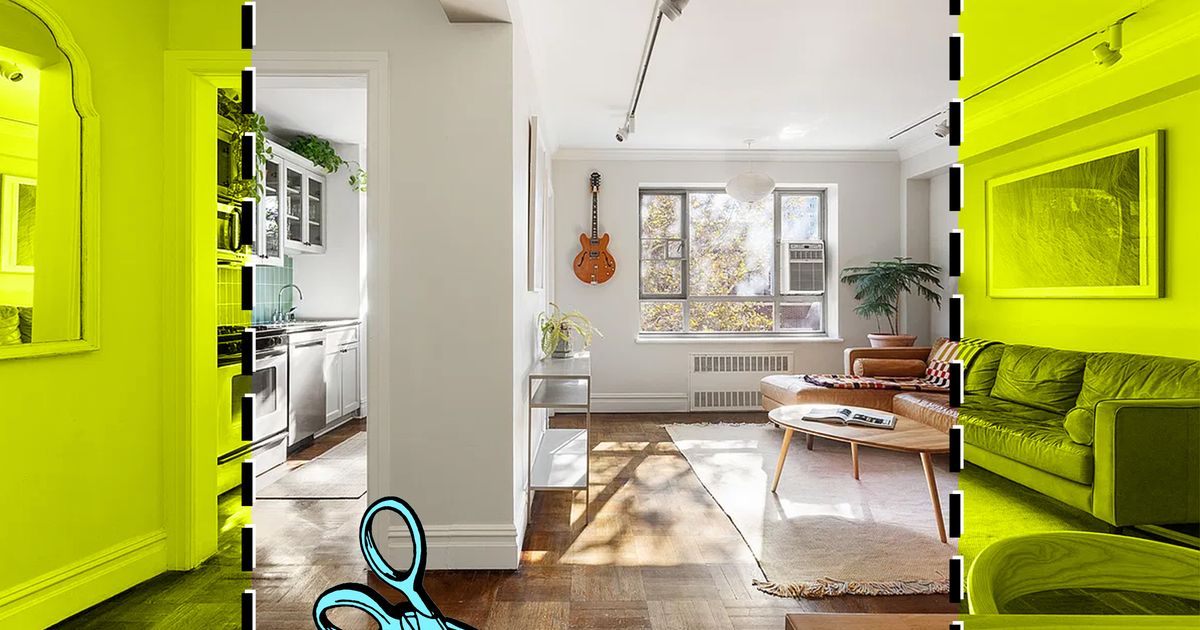
The southern exposure ensures the living space is bathed in natural light, filtering through treetops. The layout is optimized for entertainment, with clear divisions between living and dining areas. However, the unit is not without its projects. The galley kitchen retains a dated aesthetic, characterized by terra-cotta flooring and orange-toned wood cabinets. While functional, it serves as a "value-add" opportunity for a buyer looking to modernize. The primary bedroom is well-proportioned, while the second bedroom is best viewed as a home office or nursery. At $1,680 in monthly fees, the building offers fewer amenities than the Park Slope listing, but the two-block proximity to the park serves as the primary amenity.
3. The Jackson Heights Treasure: 35-20 73rd St., Apt. 3O (The Mayfair)
Jackson Heights continues to offer the best price-per-square-foot in the city for pre-war charm. The Mayfair, built in 1937, is a prime example of the neighborhood’s enduring appeal.
This two-bedroom unit is defined by its architectural integrity. An oversized foyer functions as an elegant library, leading into a 21-foot-deep living room featuring original parquet floors. The kitchen is a standout, outfitted with premium Wolf and Viking appliances and custom Henrybuilt bamboo cabinetry—a level of finish rarely seen at this price point. With monthly maintenance at $1,243, residents gain access to a private garden and a highly regarded neighborhood culture, situated just minutes from the transit hub at 74th Street.
4. The West Village "Sardine Can": 86 Horatio St., Apt. 4D
In the West Village, space is often sacrificed for the prestige of the zip code. This studio is a case study in "fluff-and-fold" living. Following a comprehensive gut renovation, the unit has been transformed from a nondescript box into a high-end pied-à-terre.
The integration of an exposed-brick, wood-burning fireplace creates a cozy, historic atmosphere that belies the small square footage. The kitchen is compact but exceptionally well-finished, and the bathroom features modern forest-green tiling. While storage is limited to a single walk-in closet, the unit serves as a perfect landing pad for a buyer who prioritizes neighborhood cachet over vast living space.

Supporting Data: Understanding Maintenance and Value
To understand these listings, one must look at the "hidden" costs. In New York, the maintenance fee is the silent partner in every real estate transaction.
| Listing | Neighborhood | Price | Monthly Maint. | Key Feature |
|---|---|---|---|---|
| 130 8th Ave | Park Slope | $765,000 | $1,555 | Modern Kitchen |
| 174 W. 89th St | UWS | $850,000* | $1,680 | Proximity to Park |
| 35-20 73rd St | Jackson Heights | $725,000* | $1,243 | Chef’s Kitchen |
| 86 Horatio St | West Village | $695,000* | $1,058 | Wood-burning Fireplace |
*Estimated pricing based on current market averages for similar units in these buildings.
Official Perspectives: The Broker’s View
Industry experts suggest that while the "under a million" segment is tight, it is not stagnant. Brokers note that in the final quarter of 2026, buyers are increasingly scrutinizing building reserves. "A low monthly maintenance fee is no longer the sole metric for success," notes one veteran Brooklyn broker. "Buyers are asking about the capital expenditure plan. They want to know if the building has recently replaced its roof or updated its boiler. Nobody wants to buy a co-op only to be hit with a $50,000 assessment six months later."
This sentiment is echoed by financial analysts who warn that the "maintenance-to-price" ratio is the most accurate indicator of a co-op’s long-term health. High maintenance fees that don’t offer commensurate services—such as a doorman or gym—are often red flags indicating aging infrastructure.
Implications: What This Means for You
For the buyer entering the market today, the strategy must be twofold:
- Prioritize Condition Over Size: In a high-interest rate environment, the cost of borrowing makes immediate, large-scale renovations difficult for many buyers. Purchasing a unit that has already been gut-renovated, like the Horatio Street studio or the 8th Avenue one-bedroom, often yields better long-term value than buying a "fixer-upper" that requires an additional $100,000 in cash reserves.
- Evaluate Lifestyle vs. Square Footage: The choice between the Upper West Side walk-up and the Jackson Heights co-op highlights a fundamental decision: do you want to pay for a lifestyle that involves proximity to Manhattan icons, or do you want to pay for a higher quality of life within your own walls? The former offers a "location-first" experience, while the latter offers a "home-first" experience.
As we look toward 2027, the market is expected to remain competitive. However, the properties highlighted here demonstrate that for those with the patience to dig through the inventory, the dream of homeownership in New York City remains very much alive. Whether it is the charm of a 1930s foyer in Queens or the light-filled windows of a Park Slope co-op, the right apartment is out there—provided you know what you are looking for.
