

This coverage is made possible through a partnership between Grist and The Salt Lake Tribune, a nonprofit newsroom in Utah.
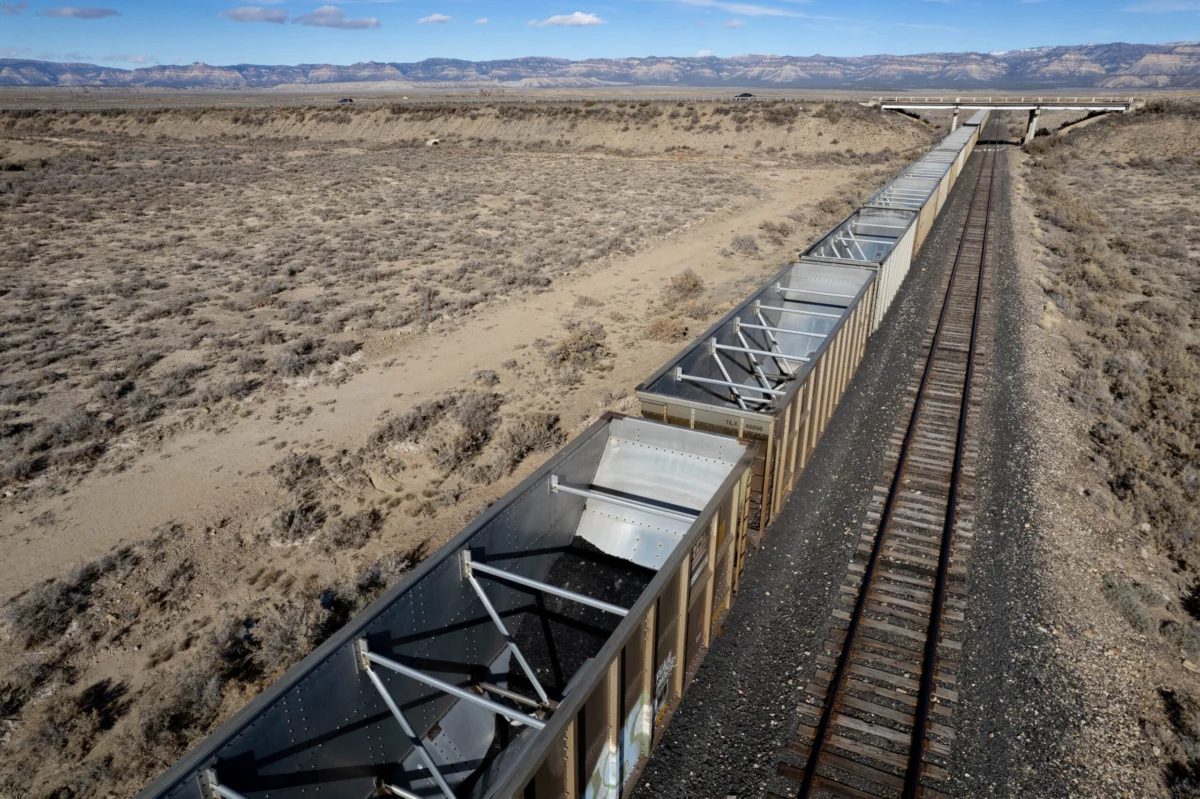
For generations, the rhythmic hum of heavy machinery and the soot-stained faces of miners defined life in Carbon County, Utah. It was a rugged existence built on the extraction of coal—a trade that fueled the nation but exacted a heavy toll on the local population. Cindy O’Neil, a longtime resident whose husband spent years toiling in the county’s namesake mines, knows the narrative well: the boom-and-bust cycles that promised prosperity only to leave behind the scars of black lung, mining accidents, and an economy tethered to a dying industry.
"We’ve had the coal. We’ve dealt, the whole community, with black lung," O’Neil said, reflecting on the generational sacrifices of her neighbors. "The explosions, the fires, and all the things that came along with it. We paid our dues."
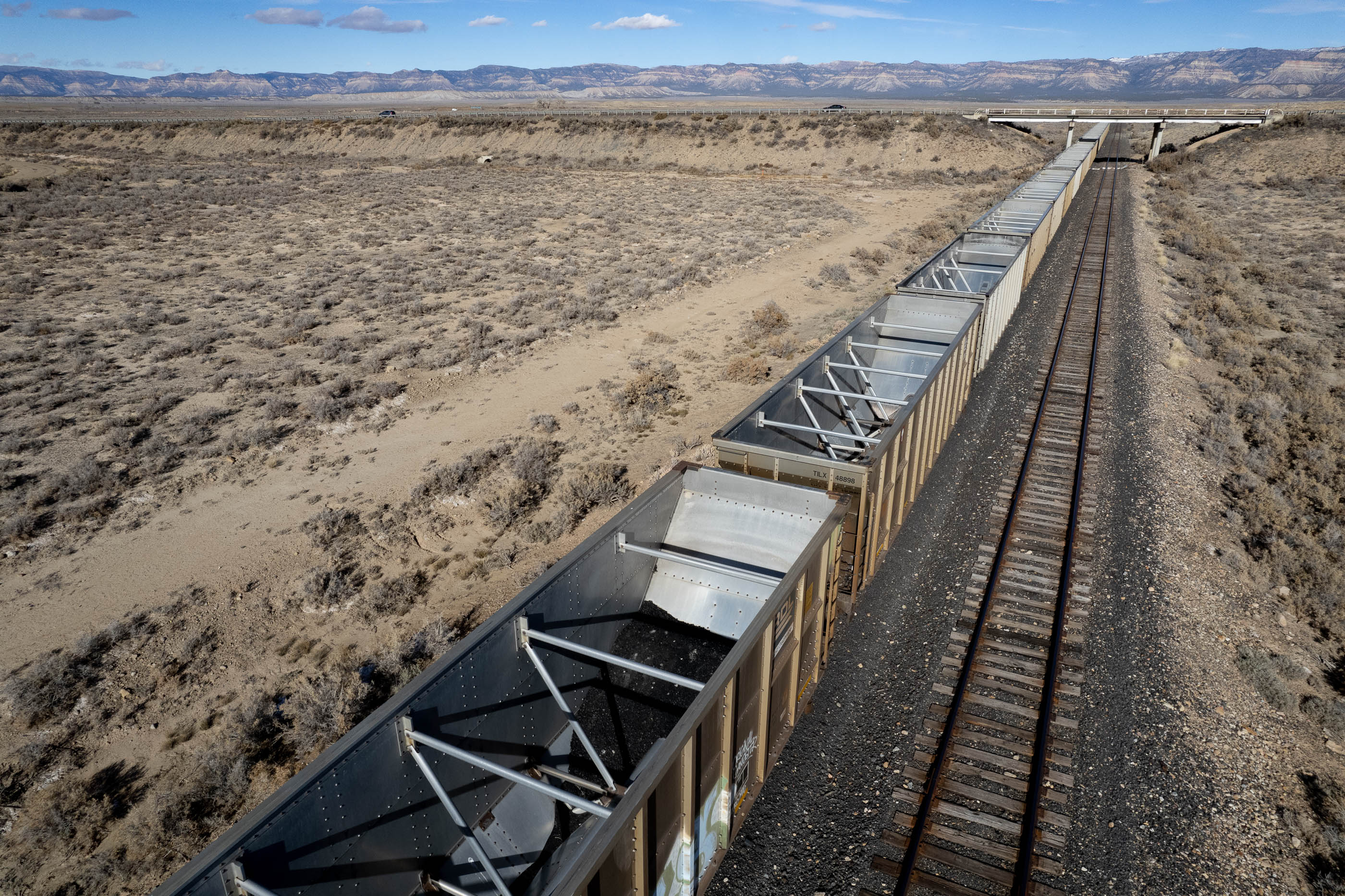
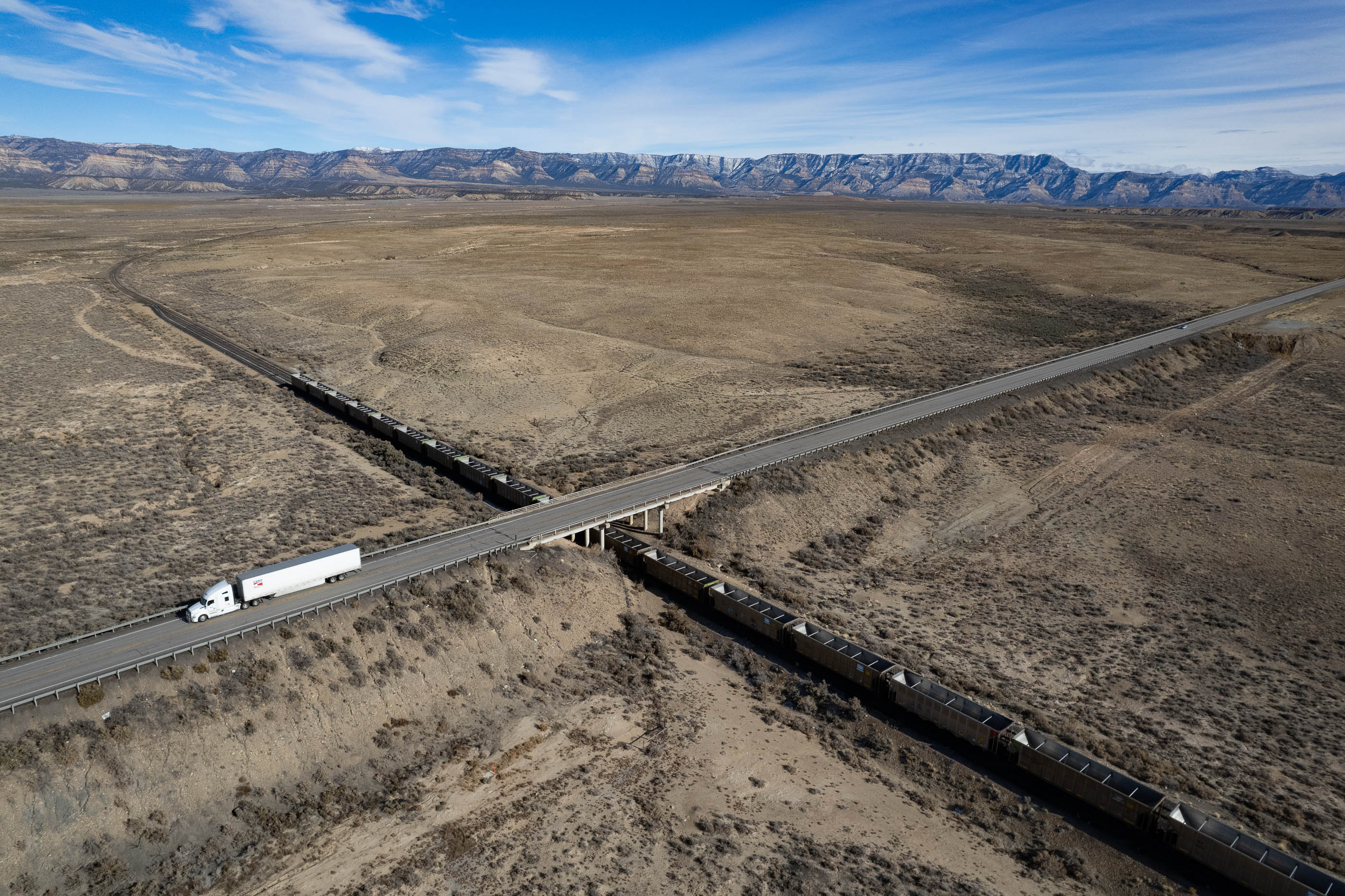
Today, that landscape is undergoing a transformation that is as rapid as it is controversial. As the coal industry has effectively vanished—with no coal mined in the county since 2023—a new, high-tech industrial wave is washing over the region. Data centers, powered by experimental nuclear technology and massive natural gas plants, are moving into the rural heart of Utah. For local leaders, these projects represent a vital economic lifeline; for residents like O’Neil, they represent a new, looming set of anxieties that feel all too familiar.
The Industrial Shift: From Fossil Fuels to Silicon and Fission
Carbon County’s economic engine stalled as the world turned toward cleaner, cheaper energy sources like wind, solar, and natural gas. By 2006, the county was producing nearly 10 million tons of coal annually. Two decades later, the seams are depleted and the mines are silent. In this vacuum, the state of Utah and private developers have pivoted toward the "digital gold rush": artificial intelligence and cloud computing.
The most ambitious—and contentious—proposal is "Project Beehive," spearheaded by the nuclear startup Valar Atomics. The company plans to construct a massive complex featuring 456 small modular reactors (SMRs). This technology, which remains largely untested for commercial-scale deployment in the United States, is designed to power an array of industrial activities, including energy-intensive data centers, steel manufacturing, and critical mineral refining.
Valar’s plans involve a 100-year lease on a square mile of state-owned trust lands managed by the Utah Trust Lands Administration. The project is designed to be a self-contained industrial hub, utilizing radioactive waste storage and uranium TRISO-fuel processing.
Simultaneously, a second massive project, Altigen Energy’s "Jurassic Spark," is planned for 1,200 acres east of Wellington. The site is expected to house a 250-megawatt natural gas plant, with potential capacity for expansion to 3 gigawatts—nearly three-quarters of the entire state of Utah’s current electricity consumption.
A Chronology of Conflict and Secrecy
The transition has been marked by a lack of transparency that has fueled deep-seated distrust among locals.
- 2021–2022: The final decline of Carbon County’s coal production becomes absolute as market forces and depleted reserves make mining unviable.
- 2023: Official reports confirm that not a single pound of coal has been extracted from the county, leaving a massive tax revenue hole in the local government.
- Early 2026: Governor Spencer Cox and Senator John Curtis publicly welcome Valar Atomics to Utah, signaling state-level support for the company’s experimental nuclear initiatives.
- June 2026: Valar announces it has achieved "self-sustaining criticality" at its San Rafael Energy Lab in neighboring Emery County, marking a milestone in its quest to power AI data centers.
- September 2026: The Utah Trust Lands Administration board meets to discuss the 100-year lease for Project Beehive. Despite vocal local opposition, the project is framed as an economic necessity.
Throughout this timeline, residents have reported a pattern of closed-door meetings and non-disclosure agreements (NDAs). O’Neil, who monitors local projects via community Facebook pages, believes the community is being kept in the dark until it is too late to offer meaningful pushback.
The Economic Argument: "Table Scraps" vs. Survival
The local government’s position is clear: the decline of coal has created a fiscal crisis. In a public statement issued on July 3, the Carbon County administration defended its support for data centers, citing the need to shift the tax burden away from homeowners.
"They say everything’s left us, and if we don’t grab these table scraps we’re not going to get anything," O’Neil said. "I don’t think our county has to take the table scraps."
County commissioners, such as Larry Jensen, maintain that while a vocal minority opposes these projects, a "silent majority" supports the influx of jobs and capital. At the September trust lands meeting, three local residents employed by Valar spoke in favor of the project, mirroring the commission’s stance that economic revitalization must take priority.
However, residents like Cheryl Lupo, who is running for a seat on the county commission, argue that the commissioners are out of touch. "People are up in arms," Lupo said. "Torches and pitchforks. Because they’re not being heard."
Technical and Environmental Implications
The environmental concerns surrounding these projects are multifaceted, ranging from water scarcity to the potential for "heat island" effects.
The Nuclear Unknown
Small modular reactors (SMRs) are an unproven variable. During the Trust Lands board meeting, board chair Mike Nelson admitted that the state was navigating uncharted territory. "We weren’t always sure what to ask about," Nelson conceded, "and probably still aren’t sure of everything to ask about because this is a first, right?"
For many, this uncertainty is terrifying, particularly given Utah’s historical trauma regarding nuclear testing. Lupo, who attributes her mother’s and grandfather’s deaths to radioactive fallout from 1950s Nevada tests, remains staunchly opposed to the nuclear expansion.
The Heat and Water Crisis
The region is arid, and the proposed projects require significant resources. While developers claim they will use closed-loop cooling systems to minimize water usage, local skeptics remain unconvinced. Furthermore, the sheer volume of waste heat produced by these massive data centers—and the gas/nuclear plants that power them—is a major concern.
Robert Davies, a professor of physics at Utah State University, warns that the concentration of these facilities in the Wellington valley could create a localized "heat island." Because the valley is hemmed in by the Wasatch Range and the Book Cliffs, heat dissipation is limited. "If you’re in a contained valley, it concentrates the problem," Davies noted.
Regulatory Facilitation
The passage of Utah’s Senate Bill 132 last year was a turning point. It allows private companies with high energy demands to build their own self-contained generating stations, bypassing the state grid. While intended to foster innovation, critics argue it has incentivized a surge in natural gas-fired power plants, which are significant sources of methane and air pollution.
The Path Forward: A Community Divided
As the projects move toward the permitting and construction phases, the divide between the county’s leadership and its citizens continues to widen. The use of NDAs—common in the county’s development strategies—remains a sticking point. While officials argue that these agreements are necessary to attract competitive bids, residents argue they represent a betrayal of the public trust.
Oran Stainbrook, a former member of the county’s planning commission, believes the commissioners are simply trying to do their best in a difficult economic climate. "They’re trying to lure jobs and investment," he said. Yet, for O’Neil, the issue is fundamental: "You shouldn’t be hiding what you and the company are going to bring to a community, and not tell the community until it’s too late and a done deal."
As the landscape of Carbon County shifts from the coal-laden hills of the past to the high-tech energy corridors of the future, the central question remains: Is this the economic salvation the county was promised, or is it a new, more complex set of dangers that the residents are being forced to inherit? For now, the only certainty is that the quiet valley, once defined by the coal train, is entering a new era of industrial intensity.
