

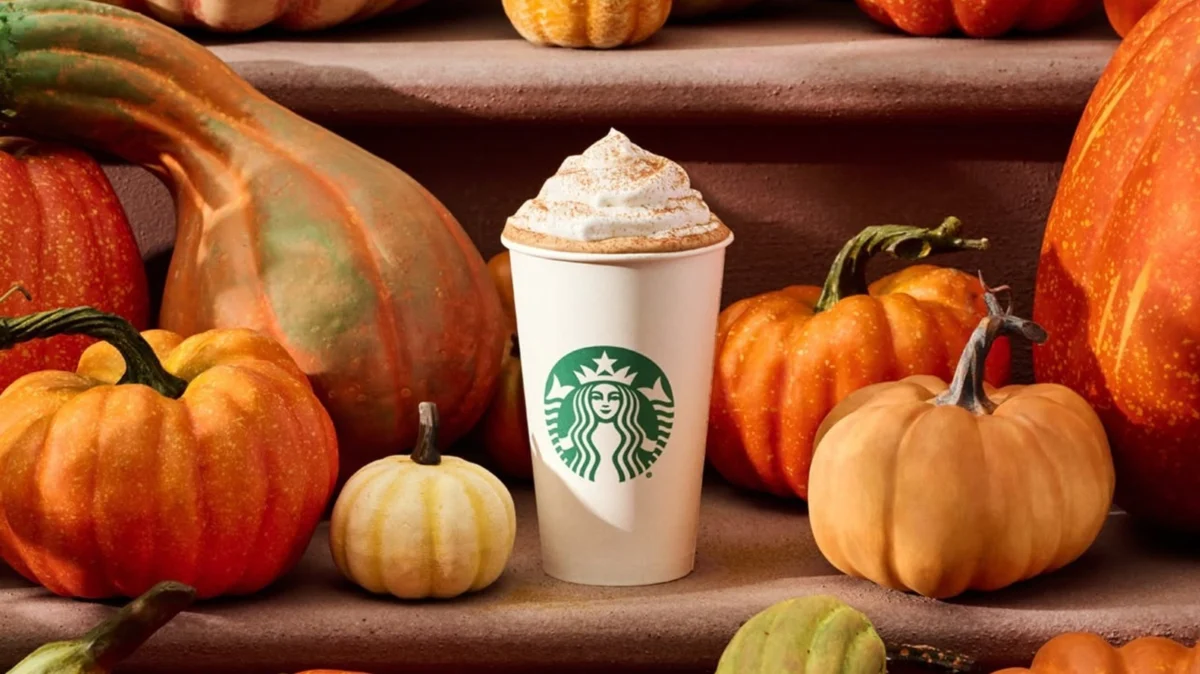
As the sweltering heat of mid-August begins to yield to the crisp, promise-filled air of early autumn, a distinct shift occurs in the collective consciousness of coffee drinkers worldwide. The verdant leaves of summer are poised to turn to shades of amber, crimson, and gold, and for millions of patrons, this seasonal transition is signaled by a singular, iconic scent: the aromatic arrival of pumpkin spice. Starbucks, a global titan of the coffee industry, has once again signaled that the season of "cozy" is upon us, with its highly anticipated fall menu slated for release on Tuesday, August 25.
For many, the Pumpkin Spice Latte (PSL) is more than a beverage; it is a cultural touchstone that marks the end of summer and the beginning of the holiday season. While Starbucks continues to innovate with diverse offerings—such as this year’s visually striking Blue Coconut line—the PSL remains the undisputed headliner. This year, the menu promises a robust selection, including returning fan favorites like pecan-flavored offerings and an adventurous new cider-chai hybrid dubbed the "Chaider." However, as the fervor builds, many seasoned enthusiasts are looking to push beyond the standard recipe. Through the art of customization, the PSL can be transformed from a classic staple into a bespoke autumnal masterpiece.
The Chronology of a Cult Classic
To understand the significance of the August 25 launch, one must look back at the origins of the phenomenon. First introduced in 2003, the Pumpkin Spice Latte was initially an experimental beverage developed in the "Liquid Lab" at Starbucks’ Seattle headquarters. Its success was not immediate, but it grew at an exponential rate, eventually becoming the most popular seasonal beverage in the company’s history.
Over the past two decades, the "PSL season" has gradually migrated earlier in the calendar. What once felt like a late-September indulgence now defines the late-August transition. This temporal shift serves a strategic purpose for the brand, bridging the gap between the end of the summer iced-coffee surge and the commencement of the holiday shopping season. By moving the launch date to late August, Starbucks effectively captures the "back-to-school" energy, positioning the beverage as a companion for students and professionals alike as they navigate the shift into the final quarter of the year.
Supporting Data: The Anatomy of Customization
The beauty of the Starbucks ecosystem lies in its flexibility. With an expansive menu of syrups, toppings, and dairy alternatives, the PSL acts as a canvas. Data from consumer behavior studies suggests that Gen Z and Millennial coffee drinkers prefer personalized experiences over standardized menu items. This demographic shift has turned the "Starbucks Customization Trend" into a digital phenomenon, with platforms like TikTok and Instagram serving as hubs for "secret menu" hacks.
1. The "Pumpkin Pie" Upgrade: Beyond the Basics
If your goal is to replicate the decadence of a slice of pumpkin pie in liquid form, the standard PSL is merely a starting point. To achieve a deeper, dessert-like profile, request an additional pump of pumpkin spice sauce paired with a single shot of white mocha sauce. The creamy, buttery notes of the white mocha serve to mellow the acidity of the coffee and highlight the spices. To finalize this transformation, request a dusting of nutmeg—an essential pie spice that provides an earthy warmth—to be incorporated directly into the foam or sprinkled atop the whipped cream.
2. Steaming the Season: Infusing Spices
For those who prioritize the sensory experience of a beverage, the way ingredients are integrated matters. A common oversight is assuming spices only belong on top of the whip. By requesting that the barista incorporate cinnamon and nutmeg directly into the milk before it is steamed, the flavor profile is fundamentally altered. This technique ensures that the spices are distributed throughout the drink, creating a "hug in a mug" that feels far more artisanal than a standard pour-over of cinnamon powder.
3. Achieving Balance: The "Lighter" PSL
One of the most frequent criticisms of the PSL is its sugar content. For the health-conscious consumer, or those who find the traditional sweetness overwhelming, a "lite" modification is entirely possible. By halving the standard number of pumpkin spice sauce pumps (e.g., opting for two pumps in a grande rather than four), the inherent bitterness of the espresso becomes more pronounced. Pairing this with a few pumps of sugar-free vanilla syrup and omitting the whipped cream creates a cleaner, more sophisticated beverage that retains the essence of pumpkin without the saccharine finish.
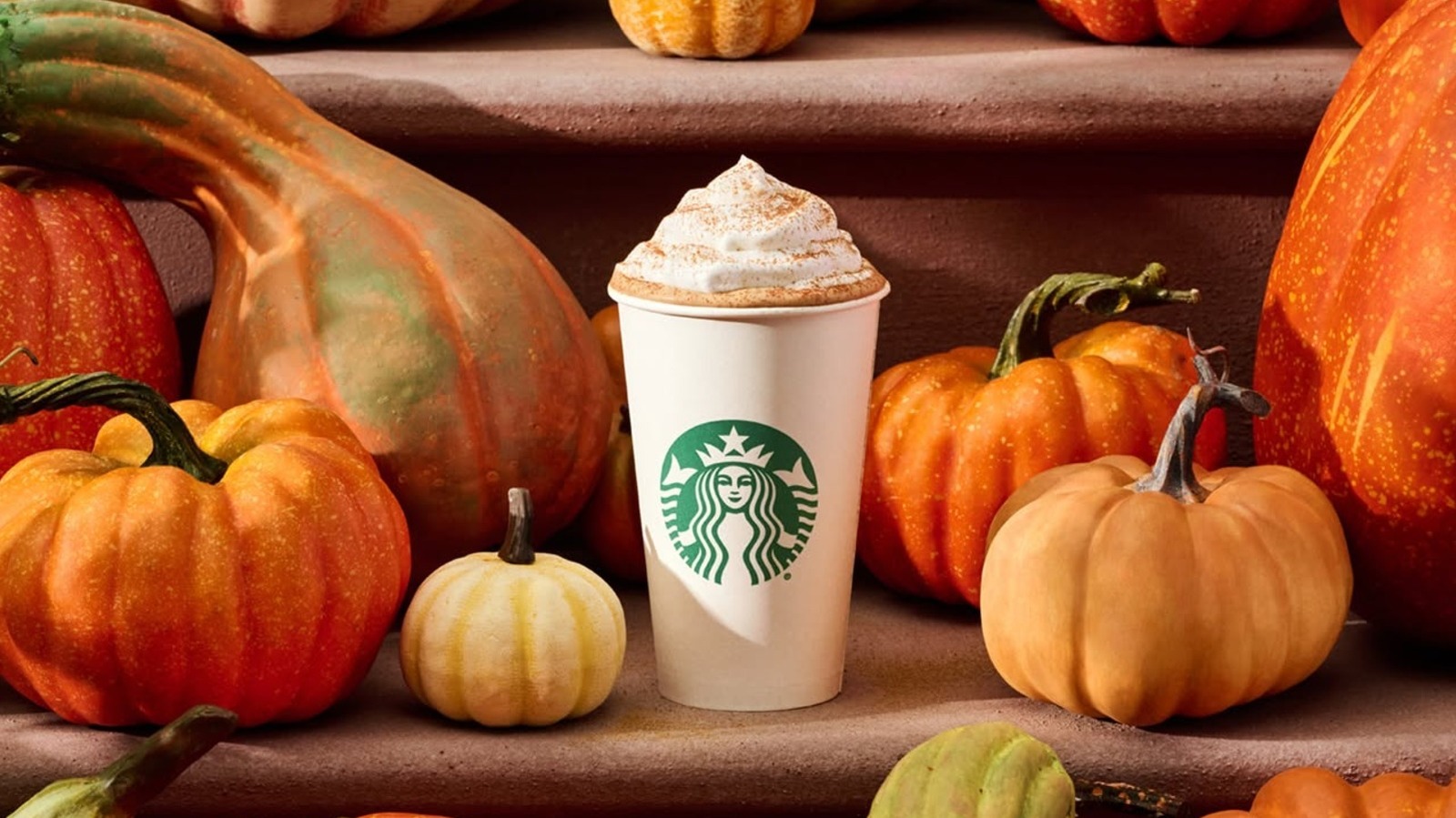
4. The Brown Sugar Balancing Act
For drinkers who appreciate the concept of pumpkin spice but find the squash-forward flavor profile too intense, brown sugar syrup offers the perfect counterweight. The molasses-heavy notes of brown sugar provide a darker, more complex sweetness that rounds out the sharp edges of the pumpkin sauce. When ordering, a "half-and-half" approach—two pumps of pumpkin spice and two pumps of brown sugar—creates a harmonious blend that feels grounded and mature.
5. The Mocha Integration
Chocolate is the universal enhancer. Adding one or two pumps of mocha sauce to a PSL introduces a depth of flavor that is often underutilized. The rich, cocoa-forward profile of the mocha sauce pairs exceptionally well with the zesty, autumnal spices. This addition turns a standard latte into a "Pumpkin Mocha," providing a comforting, high-energy beverage that is perfect for cooling autumn mornings.
Official Responses and Corporate Strategy
Starbucks has historically embraced these customer-led customizations, even going so far as to highlight them in their mobile app interface. While the company maintains a rigorous standard for its core menu, the "barista-favorite" culture is a pillar of their business model. By allowing consumers to treat their local coffee shop as a laboratory of flavor, Starbucks fosters a sense of ownership among its customer base.
Company spokespeople have noted in the past that these trends provide valuable insights into consumer preferences, which often influence future menu development. For instance, the popularity of the brown sugar modification likely played a role in the permanent addition of the Brown Sugar Oatmilk Shaken Espresso to the core menu.
The Implications of Seasonal Urgency
The "limited-time" nature of the PSL is a classic example of scarcity marketing. By imposing a hard stop on the availability of pumpkin spice, Starbucks ensures that the product remains a "must-have" event rather than a year-round commodity. This creates a psychological urgency that drives foot traffic in late August and sustains it through the peak of November.
However, consumers should be mindful that these seasonal offerings are fleeting. As the winter lineup—often centered around peppermint, chestnut praline, and sugar cookie flavors—looms on the horizon, the pumpkin spice supplies will eventually be depleted.
Conclusion: Crafting Your Autumn Experience
As we look toward August 25, the return of the Pumpkin Spice Latte serves as a reminder of the joy found in small, daily rituals. Whether you prefer your latte with the traditional whipped cream and spice topping, or you opt for a customized, mocha-infused, spice-steamed creation, the key to the experience is intentionality.
By engaging with the menu and experimenting with these modifications, you are doing more than just ordering a coffee; you are curating a sensory experience that defines your autumn. As the nights grow longer and the air turns crisp, there is no better way to settle into the new season than with a cup that is uniquely, perfectly yours. Remember to place your orders early, communicate clearly with your barista, and enjoy the fleeting, spiced warmth of the year’s most anticipated season.
