

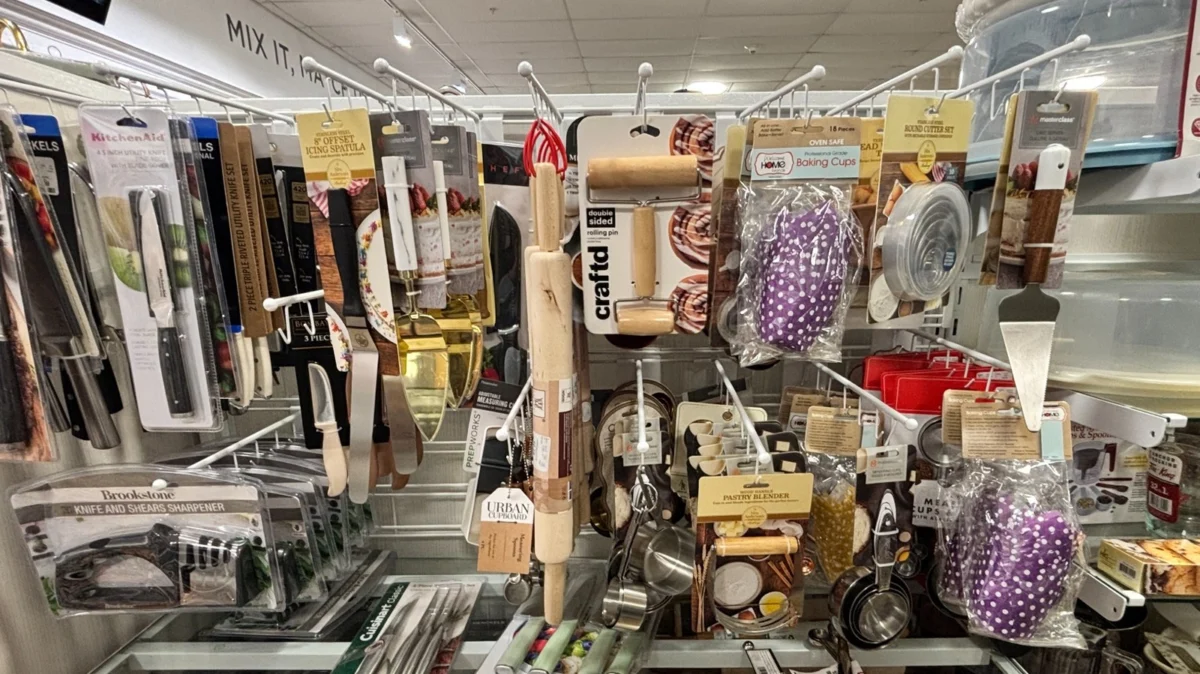
For many home cooks, a trip to HomeGoods is less of a shopping errand and more of an archeological dig. Navigating the aisles—where artisanal olive oils sit adjacent to imported crackers and high-end cookware brands like Le Creuset or Staub—is a rite of passage for the modern bargain hunter. While it is easy to leave the store with a cart full of decorative throw pillows and scented candles, a more strategic approach can transform your baking capabilities for the price of a modest dinner for four.
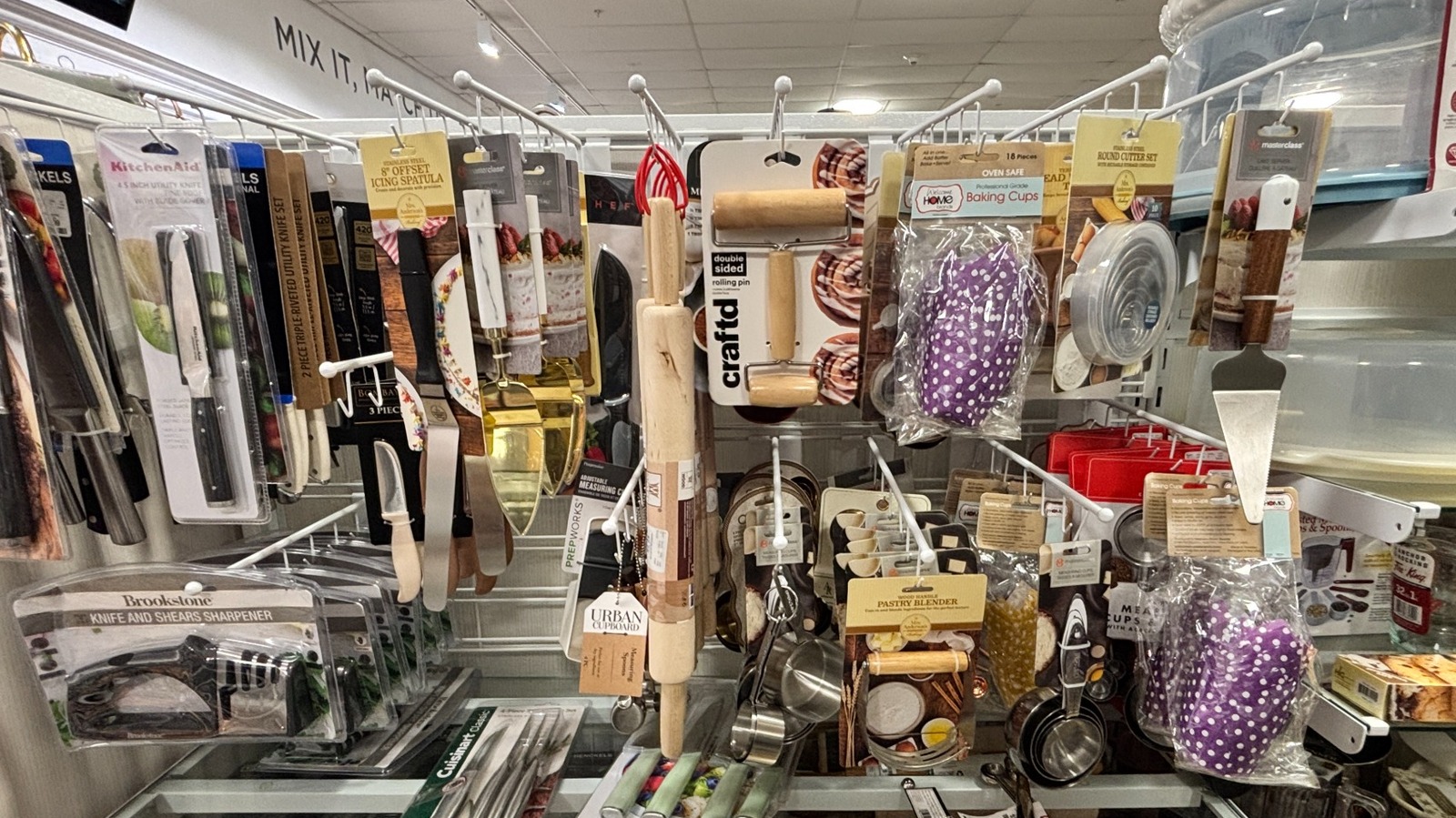
In this guide, we explore how to curate a professional-grade baking arsenal using affordable finds from the shelves of HomeGoods. By focusing on specific, functional tools, even the most novice baker can achieve bakery-quality results.
Main Facts: The Philosophy of Affordable Baking
The central premise of a "HomeGoods-upgraded" kitchen is that precision and quality do not always require a four-figure investment. Whether you are a casual hobbyist or an aspiring pastry chef, the right tools make a tangible difference in the outcome of your bakes.
Key findings from our analysis of essential, budget-friendly equipment include:
- Precision is Key: Tools like springform pans and cookie scoops ensure consistency that "eyeballing" ingredients simply cannot match.
- Material Matters: Investing in silicone mats or sharp, stainless steel cutters addresses the "mechanical" failures of baking, such as sticking or uneven rising.
- Technique-Driven Gadgets: Items like culinary torches and wire racks serve specific, physics-based purposes that improve the texture and presentation of finished desserts.
Chronology: Building Your Collection
When upgrading your kitchen, it is best to approach your purchases in stages, prioritizing foundational tools before moving on to specialized equipment.
Phase 1: The Foundations (Consistency & Prep)
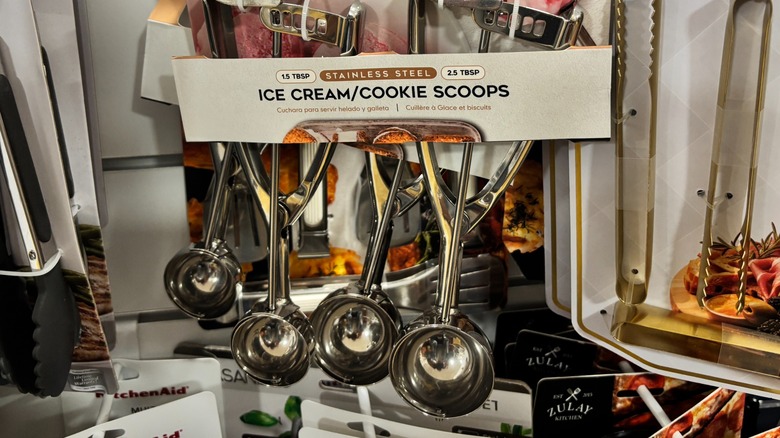
Begin with the essentials. A Cookie or Ice Cream Scoop is the first step toward professional uniformity. As noted by culinary icons like Ina Garten, a spring-loaded scoop ensures that every cookie is identical in size, leading to even baking and professional aesthetics. Following this, Adjustable Measuring Cups and Spoons allow for high-precision cooking without cluttering your drawers with dozens of individual tools.
Phase 2: The Structural Elements (Baking Vessels)
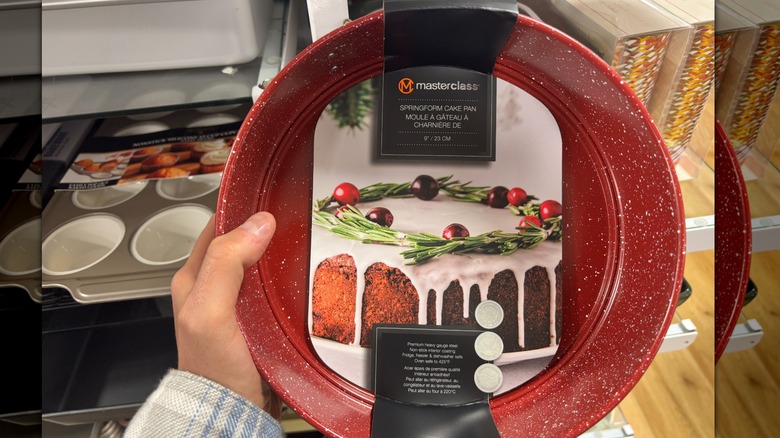
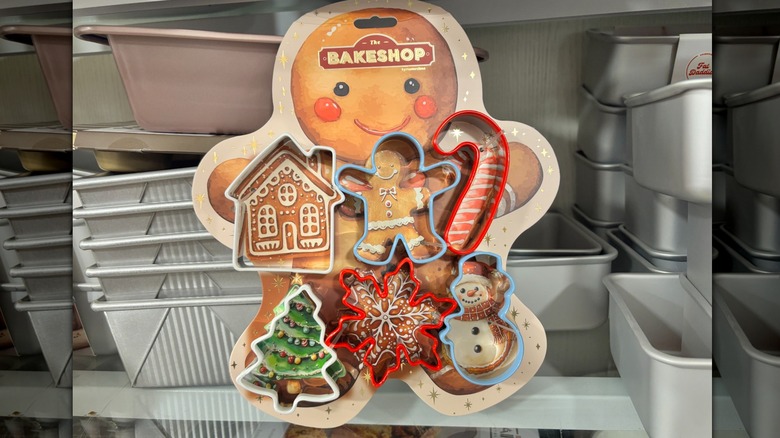
Once your measuring is precise, focus on the architecture of your bakes. A Springform Cake Pan is indispensable for delicate cheesecakes and tortes, allowing for a clean release. Pair this with a Non-Stick Cupcake Pan, which saves you from the frustration of losing half your cake to the bottom of the mold. Finally, Biscuit Cutters—specifically those with thin, sharp edges—are vital. Unlike improvised tools like mason jars, these cutters slice through dough cleanly, preserving the layers required for a high, flaky rise.
Phase 3: Advanced Finishing & Refinement
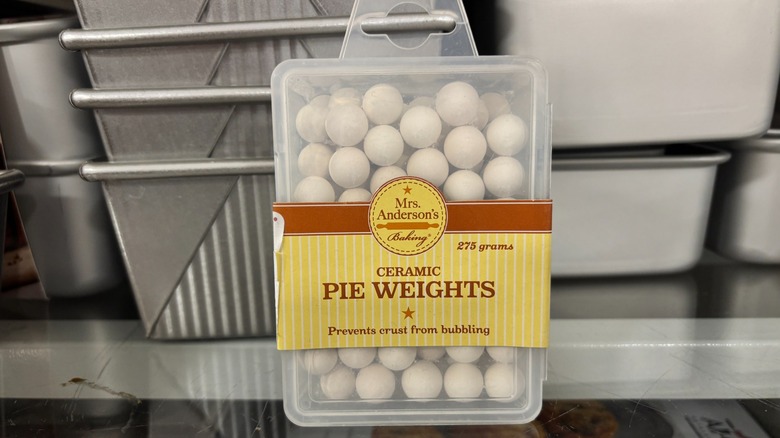
Once you have the basics, you can move toward "pro-level" refinements. Ceramic Pie Weights ensure your crusts don’t slump during blind baking. A Wire Baking Rack is the unsung hero of the kitchen, allowing for proper airflow that prevents the "soggy bottom" phenomenon. Finally, a 5-Speed Hand Mixer and a Culinary Torch provide the aeration and finishing touches that turn a standard cake into a showstopper.
Supporting Data: Why These Tools Work
The difference between a "good" bake and a "great" one often comes down to chemistry and physics.
- Heat Distribution: Silicone baking mats are superior to parchment paper for certain tasks because they are more durable and provide a more stable, non-stick surface. They also aid in consistent heat distribution, preventing the dreaded "hot spots" often found on standard metal baking sheets.
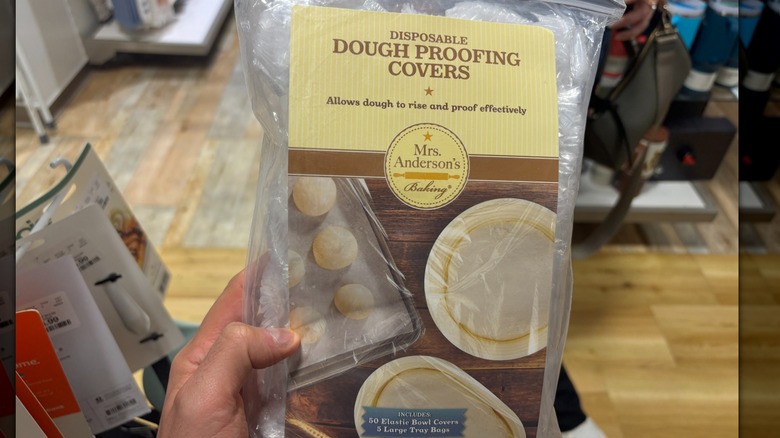
- Thermal Dynamics: Disposable dough proofing covers serve a critical role in fermentation. By maintaining a moist, warm environment, they allow yeast to produce carbon dioxide efficiently. Without these, the dough forms a dry skin that loses elasticity, hindering the rise.
- Structural Integrity: The use of a culinary torch for caramelizing sugar is faster and more controlled than a broiler. It provides immediate, localized heat, which is essential for delicate items like crème brûlée or toasted meringue that would otherwise melt in a conventional oven.
Official Guidelines: Best Practices for Use
Even the best tools will fail if used incorrectly. Here are the essential operating procedures for your new HomeGoods finds:
1. The Art of the Cookie Press
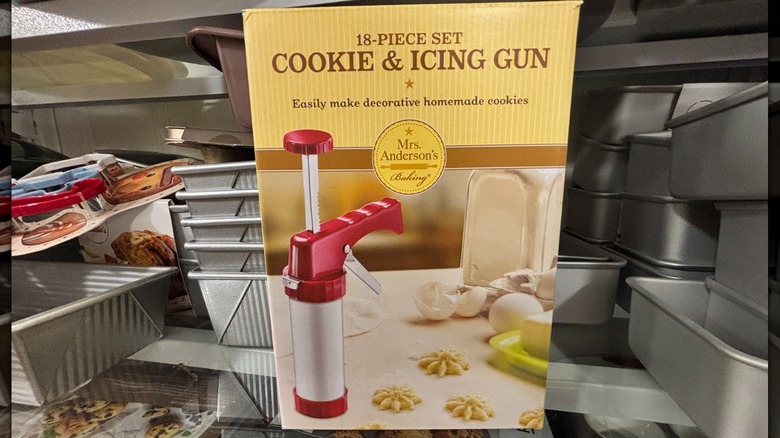
When using a cookie/icing gun, the consistency of your dough is paramount. Use room-temperature dough to avoid clogging the mechanical extruder. Note that these are designed for smooth, spritz-style doughs; adding chunks like chocolate chips will break the mechanism.
2. The Science of the Biscuit
When using biscuit cutters, do not twist. Twisting seals the edges of the dough, which prevents the layers from expanding during the bake. Press straight down with firm, even pressure to maintain the integrity of your puff pastry or biscuit dough.
3. Maintaining Silicone Mats
To extend the life of your silicone mats, avoid using them under a broiler, as the intense heat can cause the material to degrade or melt. If they become greasy or develop odors, a soak in hot lemon water is a highly effective, non-toxic way to restore them to a like-new state.
Implications: The Long-Term Value
Adopting these tools has broader implications for your kitchen economy and culinary growth.
Environmental & Economic Impact:
Transitioning to reusable silicone mats and high-quality metal cutters reduces the long-term reliance on disposable parchment paper and plastic wrap. While the initial purchase at HomeGoods is low, the cumulative savings over a year of baking are significant.
Skill Development:
Perhaps the most important implication is the "leveling up" of the baker. When you stop struggling with stuck cakes or unevenly baked cookies, you are freed to experiment with flavor profiles and decoration. Using seasonal syrups to infuse cakes or employing a torch to experiment with savory toppings (like blistering peppers for a scone) pushes the home baker into more creative territory.
The "HomeGoods Advantage":
The inherent value of the HomeGoods model—offering high-end tools at clearance-style prices—democratizes the kitchen. It removes the barrier to entry for expensive hobbies. By shopping intentionally, you are not just buying a gadget; you are investing in the infrastructure of your home kitchen, ensuring that your passion for baking is supported by equipment that works as hard as you do.
Final Thoughts
Upgrading your baking kit doesn’t require a professional supply store or a massive budget. By targeting these 14 specific categories—from the humble wire rack to the sophisticated culinary torch—you can build a kitchen that is efficient, precise, and capable of producing bakery-quality results. The next time you find yourself wandering the aisles of your local HomeGoods, skip the decorative candles and head straight for the baking aisle. Your future cakes, cookies, and breads will thank you.
