

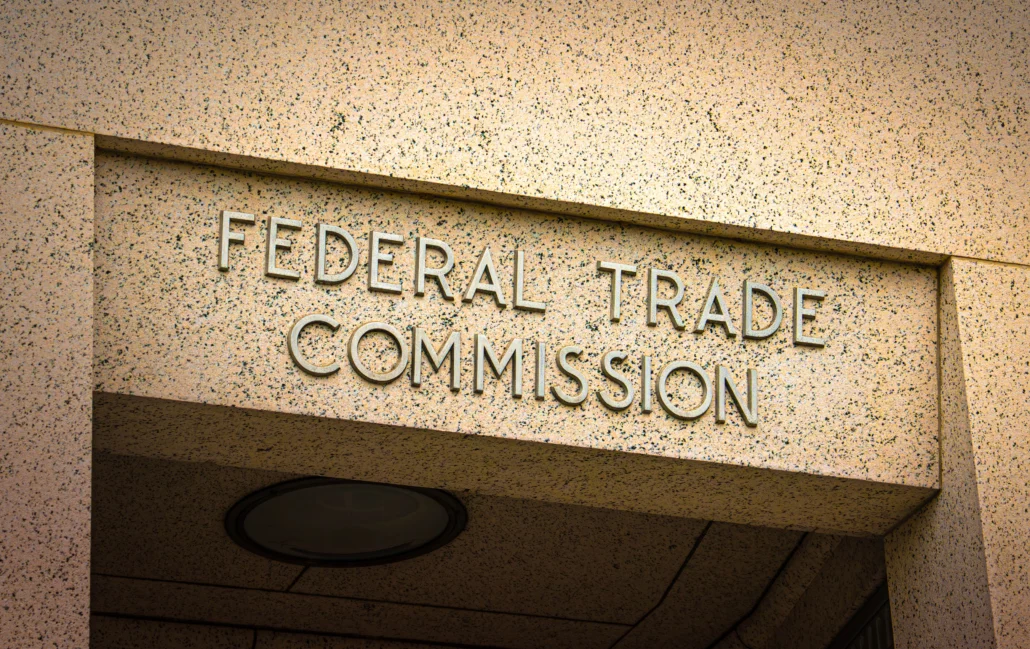
WASHINGTON, DC — The practice of "personalized pricing"—a sophisticated strategy where companies leverage consumer data to charge individuals different amounts for the same goods or services—has moved to the center of a heated regulatory debate. This week, the National Consumers League (NCL), representing a powerful coalition of 27 public interest organizations, submitted formal comments to the Federal Trade Commission (FTC), urging the agency to take a hard line against the emerging trend of "surveillance pricing."
The coalition’s intervention marks a significant escalation in the ongoing struggle to define the boundaries of corporate data usage. As artificial intelligence and real-time tracking become standard in retail and digital services, the NCL argues that the ability of firms to weaponize personal information against consumers is not just a privacy issue—it is a fundamental threat to market fairness.
The Core Argument: Transparency vs. Exploitation
At the heart of the NCL’s submission is the assertion that failing to disclose personalized pricing is a deceptive practice that likely violates the Federal Trade Commission Act. However, the coalition goes further than transparency requirements. They contend that even when companies are transparent about their algorithms, certain forms of personalized pricing are inherently predatory and should be prohibited entirely.
"The idea that businesses can spy on us without limit, and be financially rewarded for the same behavior, is fundamentally repulsive," said Eden Iscil, Senior Public Policy Manager at the NCL. "Companies need to focus on competing and improving their products rather than invading our privacy."
The NCL’s stance is supported by a coalition of experts, including legal minds from the Center for Consumer Law & Economic Justice at the U.C. Berkeley School of Law, the National Consumer Law Center, and Truth in Advertising, Inc. Their collective argument is that the "take it or leave it" nature of digital contracts leaves consumers with no real choice but to submit to surveillance if they wish to access essential modern services.
Chronology of the Regulatory Shift
The movement toward regulating algorithmic pricing did not happen in a vacuum. It is the culmination of years of increasing consumer anxiety regarding digital privacy and corporate surveillance.
- Early 2020s: As e-commerce platforms and rideshare services integrated more sophisticated machine learning, reports began to surface regarding "dynamic pricing" that seemed to fluctuate based on a user’s device type, location, or history.
- 2023–2024: The FTC, under Chair Lina Khan, signaled a renewed interest in "dark patterns" and algorithmic bias. The Commission began investigating how data aggregators influence the consumer experience.
- Early 2026: The FTC officially proposed a policy statement addressing the legal implications of personalized pricing, soliciting public comment to determine whether such practices constitute "unfair or deceptive acts or practices" under Section 5 of the FTC Act.
- September 2026: The NCL and its coalition partners submitted their final, comprehensive comments, providing a roadmap for how the FTC should interpret the law to protect the most vulnerable consumers.
Supporting Data: The Anatomy of Predatory Pricing
The FTC’s own policy proposal highlighted several chilling scenarios that illustrate the potential for harm. These examples have become the focal point of the NCL’s argument, as they demonstrate how algorithmic pricing can target individuals during their most vulnerable moments.
The "Hospital Premium"
One of the most cited examples involves rideshare platforms. If an algorithm detects—via location data—that a user is requesting a ride to an emergency room or a hospital, it might automatically hike the fare, betting on the user’s desperation and lack of alternative transport.
The "Family Burden" Tax
Another concern involves grocery and retail apps. By tracking household composition data, companies could identify mothers shopping for large families and increase prices on essential goods, knowing these consumers are less likely to have the time or mobility to comparison-shop for better deals.
Discriminatory Profiling
Beyond these individual instances, the NCL notes that such pricing models likely violate existing civil rights laws. By using proxy data to determine a consumer’s financial status, health condition, or familial situation, companies may be inadvertently (or intentionally) discriminating against protected classes, including people with disabilities and minority groups.
Official Responses and Stakeholder Perspectives
The debate has created a sharp divide between industry groups and consumer advocates. While industry lobbyists often argue that "dynamic pricing" helps match supply with demand and can actually lower prices for some users, the NCL and its allies characterize this as a "zero-sum game" where the winners are companies and the losers are unsuspecting families.
The Consumer Advocacy View
The NCL maintains that the "efficiency" touted by businesses is a mask for wealth extraction. By turning every transaction into a psychological experiment, corporations are eroding the social contract. The coalition argues that if a business model requires the exploitation of a consumer’s private life to maximize profits, that model is fundamentally incompatible with a fair, competitive marketplace.
The Legal Framework
Legal experts involved in the drafting of the comments suggest that the FTC has a robust toolkit at its disposal. Beyond the FTC Act, the coalition points to a intersection of federal and state laws that prohibit prejudice against protected traits. They argue that if an algorithm results in a person with a disability paying more for a service than a person without one, that is not "market optimization"—it is illegal discrimination.
Implications: The Future of the Digital Marketplace
If the FTC adopts the aggressive enforcement posture suggested by the NCL, it could signal a seismic shift in how tech companies handle data.
1. Increased Compliance Burdens
Companies currently relying on "black box" algorithms to set prices will likely face significant regulatory pressure to audit their models for bias. This would require transparency in how prices are calculated, potentially forcing firms to disclose the factors used in their decision-making engines.
2. A Shift in Data Collection Practices
If using certain types of data to set prices becomes legally "toxic," firms may voluntarily restrict the types of data they collect. This could lead to a broader "privacy-by-design" movement, where companies minimize the amount of sensitive personal data they store to avoid the risk of regulatory penalties.
3. Judicial Challenges
Any move by the FTC to strictly regulate pricing algorithms will almost certainly face intense litigation. Major corporations are expected to challenge the Commission’s authority to dictate pricing strategies, framing the issue as a matter of "corporate speech" or "trade secrets."
4. The Moral Dimension
Beyond the legal and economic implications, this debate touches on the moral fabric of society. Are we comfortable with a future where the cost of a gallon of milk or a ride to the doctor is determined not by market value, but by what an algorithm calculates we are willing to pay? The NCL’s message is clear: The answer must be a resounding "no."
Conclusion
The National Consumers League’s intervention in the FTC’s policy process represents a critical moment for consumer rights in the digital age. By clearly identifying the risks inherent in "surveillance pricing," the coalition has provided the FTC with the necessary ammunition to set a new standard for corporate behavior.
As the FTC reviews the thousands of pages of comments submitted by organizations and private citizens, the pressure on the Commission to act will only grow. The path forward remains uncertain, caught between the march of technological innovation and the enduring need to protect the individual from exploitation. However, one thing is certain: the era of unchecked, invisible, and discriminatory pricing is under scrutiny, and the public is demanding accountability.
For now, the NCL and its partners remain vigilant. Their work in drafting these comments, supported by the legal expertise of U.C. Berkeley’s Center for Consumer Law & Economic Justice, ensures that the consumer voice is not drowned out by the sophisticated lobbying efforts of the data-tracking industry. The outcome of this regulatory process will define the digital economy for the next generation.
About the National Consumers League (NCL):
Founded in 1899, the National Consumers League is America’s pioneer consumer organization. The NCL remains steadfast in its mission to protect and promote social and economic justice for consumers and workers both domestically and internationally. For more information on the NCL’s ongoing campaigns, visit www.nclnet.org.
