


History is rarely written by the victors alone; it is written in the kitchens, campfires, and makeshift ovens of those who had to make do with what they had. While grand narratives focus on the conquest of the American West or the economic shifts of the Great Depression, the culinary history of these eras offers a more intimate look at human survival and innovation. Among the most fascinating legacies of the American frontier is the "Cowboy Cake"—a dessert that defied the traditional rules of baking by eschewing eggs, milk, and butter in favor of a humble, sun-dried ingredient: the raisin.
The Genesis of Necessity: Life on the Trail
To understand the genius of the cowboy-style cake, one must first understand the logistical nightmare of 19th-century frontier life. Cowboys on the cattle drives and pioneers trekking across the plains faced a fundamental problem: the ingredients required for classic European-style baking were largely unavailable.
Fresh eggs were a luxury that couldn’t survive the jostling of a saddlebag or a wagon crossing the Rockies. Dairy products, such as milk and butter, spoiled rapidly in the heat of the plains, and refrigeration was non-existent. Flour and sugar were staple supplies, but they were useless without a binding agent to give a cake structure. In this high-stakes environment, the "chuckwagon" cook—often the most important person in any cattle drive—had to be a master of resourcefulness.
The solution was found in the pantry of the durable: the raisin. By boiling raisins, pioneers discovered they could create a syrupy, pectin-rich liquid that functioned as the backbone for a moist, shelf-stable cake. This was not merely a substitute; it was a survival strategy that turned simple dried fruit into a structural powerhouse.
A Chronology of the "Poor Man’s" Dessert
The evolution of this raisin-based baking technique mirrors the major socio-economic upheavals of American history.
1. The Frontier Era (Mid-to-Late 1800s)
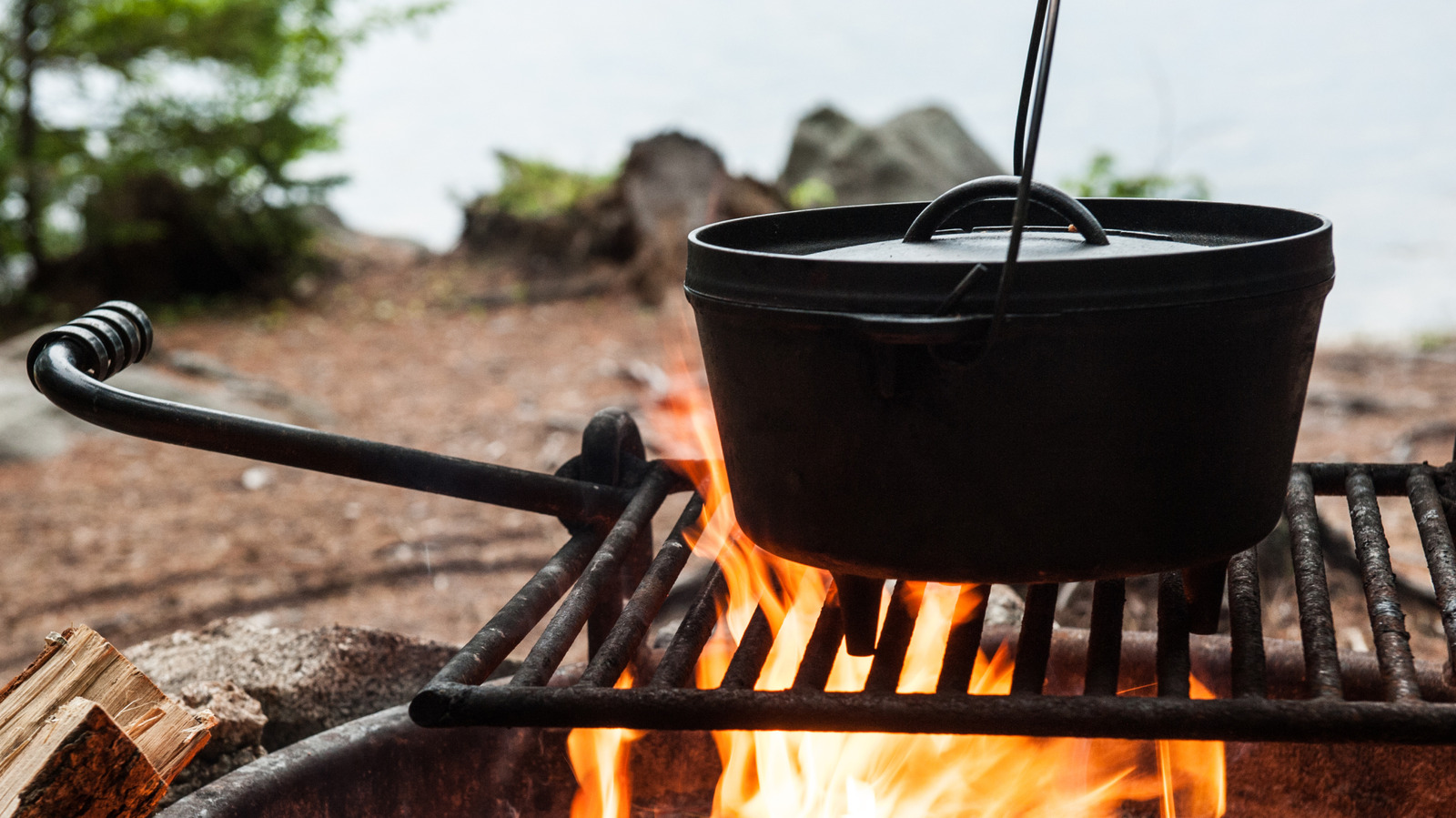
During the height of the cattle drives, this recipe was known simply as "Trail Cake" or "Cowboy Cake." It was designed for the Dutch oven—a heavy cast-iron pot placed directly into the coals of an open fire. The raisins provided moisture and natural sugar, while the starches leavened the dough when combined with early chemical leaveners like baking soda.
2. The Great Depression (1929–1939)
As economic collapse gripped the nation, the recipe was rebranded as "Poor Man’s Cake." Families who could no longer afford the luxury of butter, eggs, or milk turned to this relic of the frontier. It became a staple of the American household, representing a way to provide a comforting, sweet treat during a time of extreme scarcity.
3. The Wartime Rations (1940s)
During World War II, strict rationing of sugar, fats, and dairy products forced home cooks to look backward for solutions. The raisin cake re-emerged as "War Cake" or "Wacky Cake." The government encouraged these types of recipes to help families conserve precious ingredients for the war effort.
4. The Modern Renaissance (2020s–Present)
Today, the recipe has found a new home in the vegan community. Modern bakers, looking for ways to create plant-based, low-fat desserts, have rediscovered the chemistry of the boiled raisin. What was once a product of poverty is now being embraced as a sophisticated, historical, and health-conscious alternative.
The Chemistry of the "Sticky Swap"
The success of the cowboy-style cake relies on specific chemical interactions that replace the traditional functions of eggs and fats.
The Role of Pectin and Starches
Eggs in traditional baking provide structure through protein coagulation. In the absence of eggs, the boiled raisin syrup provides a dense concentration of natural pectin and starches. When this syrup is integrated into the flour, it creates a "glue" that binds the cake, ensuring it holds together even without the emulsifying power of egg yolks.
The Leavening Reaction
One of the most important components of this recipe is the interaction between the acidic components of the raisin syrup (or the black coffee often added for depth) and baking soda. The acidity triggers a rapid chemical release of carbon dioxide, allowing the dense, heavy batter to achieve a respectable rise, even in the absence of whipped egg whites.
Moisture Retention
Because raisins are hygroscopic—meaning they attract and hold water—they ensure the cake remains moist for several days. In an era before plastic wrap or airtight containers, a cake that stayed edible for a week was a triumph of food science.
Supporting Data: Why This Works
The following table illustrates how the traditional ingredients were successfully replaced by the "raisin technique":
| Traditional Ingredient | Purpose in Baking | The "Cowboy" Replacement |
|---|---|---|
| Eggs | Binding and Structure | Raisin starches and pectin |
| Milk | Moisture and Flavor | Boiled raisin water (or coffee) |
| Butter/Fat | Tenderness and Mouthfeel | Natural sugars and concentrated fruit syrups |
| White Sugar | Sweetness | Natural fruit sugars and molasses |
Implications for Modern Baking
The persistence of the cowboy cake offers significant implications for the future of sustainable baking. As consumers become more conscious of the environmental cost of industrial animal agriculture, the "back to basics" approach of the frontier era is increasingly relevant.
A Sustainable Alternative
By utilizing dried fruit as a base, bakers can significantly reduce their reliance on animal-based fats and proteins. This lowers the carbon footprint of the final product and taps into a shelf-stable ingredient supply chain that is inherently less wasteful than perishable dairy.

Culinary Preservation
There is also an intellectual value to this practice. By mastering these techniques, modern bakers are keeping a piece of American history alive. It is a reminder that creativity is at its peak when resources are at their lowest. The "brick" texture mentioned by critics of the recipe is often a misunderstanding of the goal; this was never intended to be a light, airy sponge cake. It is a dense, spice-forward, energy-dense food meant to sustain a person through a long day of labor.
Official Responses and Culinary Criticisms
While culinary historians praise the resourcefulness of the recipe, professional pastry chefs remain divided on its utility.
"The texture is unequivocally dense," says Sarah Jenkins, a food historian specializing in 19th-century American cooking. "To compare it to a modern wedding cake is unfair. This is a survival food that evolved into a comfort food. It represents a time when a child’s joy at having something sweet was worth the effort of boiling raisins for twenty minutes."
On the other hand, the plant-based baking community has been more enthusiastic. Bloggers and cookbook authors focusing on "Wartime Cooking" have noted that when the raisins are pulsed into a smooth puree rather than left whole, the texture becomes much closer to a traditional spice cake, effectively bridging the gap between historical necessity and modern palatability.
Conclusion: The Endurance of the Humble Raisin
The cowboy-style cake serves as a testament to the fact that necessity is the mother of invention. From the dusty trails of the West to the ration lines of the Great Depression, this recipe has endured because it works. It doesn’t rely on expensive ingredients or complex equipment; it relies on the basic, reliable chemistry of fruit and heat.
As we look toward a future where sustainability and resource management are paramount, we might find that the best recipes are not those that require the most ingredients, but those that understand the fundamental properties of the ones we already have. The next time you find your pantry looking a little bare, consider the lessons of the pioneers. With a handful of raisins, a splash of water, and a pinch of spice, you can recreate a piece of history that is as resilient as the people who invented it.
