

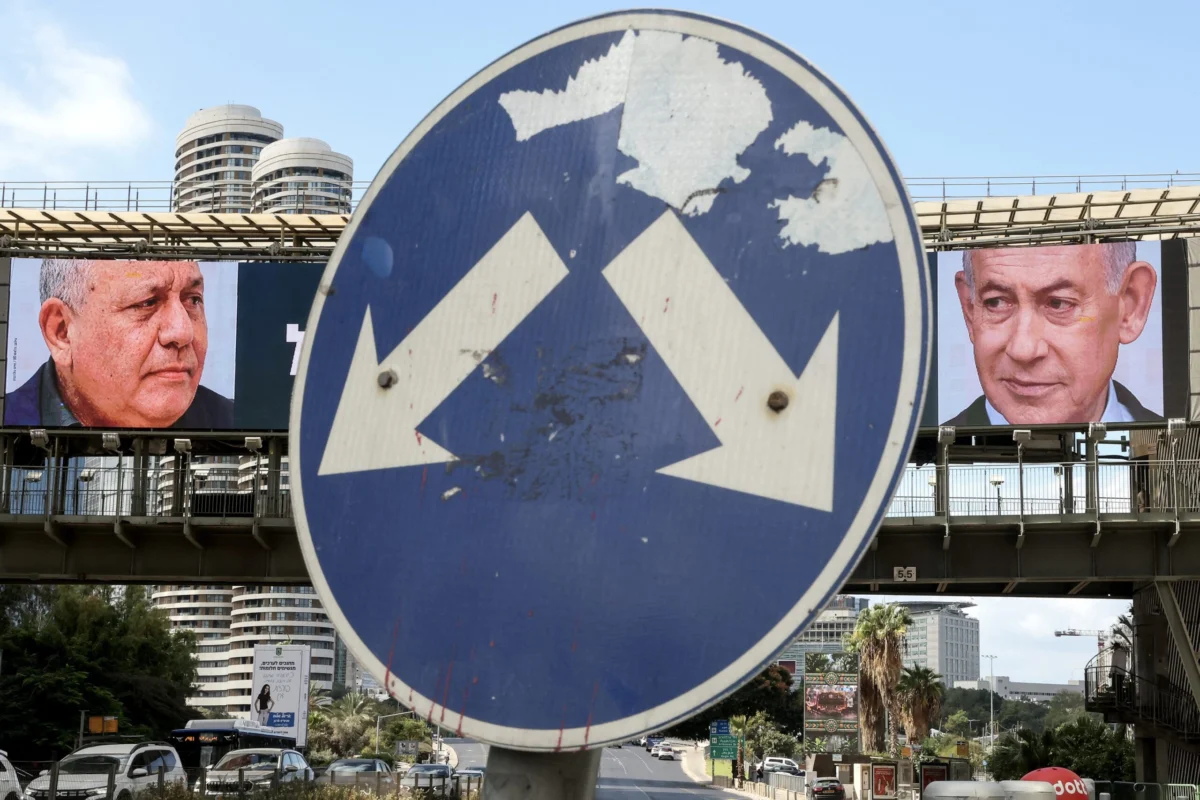
As the Middle East stands at a critical juncture, a convergence of high-stakes elections, escalating military operations, and deepening geopolitical friction has pushed the region into a state of profound volatility. From the political streets of Tel Aviv to the volatile corridors of the Strait of Hormuz, the atmosphere is heavy with the prospect of systemic change and the looming threat of expanded conflict.
Main Facts: The Nexus of Crisis
The current regional landscape is defined by three primary friction points: the impending Israeli elections, the precarious U.S.-Iran diplomatic stalemate, and the widening reach of proxy conflicts in Yemen and the West Bank.
In Israel, Prime Minister Benjamin Netanyahu faces a final, defiant surge of public opposition as the nation heads to the polls. The electorate remains deeply polarized, with the security failures surrounding the October 7, 2023, Hamas-led attacks serving as a central pillar of the discourse. Simultaneously, the broader region is reeling from a series of security incidents, ranging from a deadly church shooting in Jordan to significant naval posturing in the Persian Gulf.
The United States finds itself at the center of this web, navigating a delicate path between maintaining a posture of deterrence and seeking a diplomatic "off-ramp" with Tehran. As domestic political calendars—both in Israel and the U.S.—collide with regional security needs, the window for stability appears to be narrowing.
Chronology of Escalation
The past 48 hours have been marked by a rapid succession of events that underscore the fragility of the status quo:
- Friday: A horrific attack on a Greek Orthodox church in Karak, Jordan, leaves multiple congregants dead, drawing global condemnation and raising concerns regarding sectarian stability in the kingdom. Simultaneously, Israeli forces initiate intensive security operations in Hebron following the deaths of two soldiers at the hands of Palestinian gunmen.
- Saturday: Tens of thousands of Israelis converge on Tel Aviv for a final, massive rally against the Netanyahu administration. In Yemen, the Houthi-controlled Health Ministry reports a surge in casualties following airstrikes in Sanaa and Hodeida.
- Sunday: Tensions in the Persian Gulf reach a fever pitch as Iranian military leadership issues a direct warning to the United States regarding naval transit, while the UAE scrambles to manage an oil spill affecting its coastlines, further complicating maritime security.
Supporting Data and Security Impacts
The scale of the current unrest is evidenced by both humanitarian and logistical data:
- Displacement in the West Bank: Following the Israeli military operations in Hebron, municipal data suggests that up to 300 families have been forced to evacuate their homes in Deir Baha and surrounding neighborhoods, highlighting the collateral human cost of counter-terrorism operations.
- Casualties in Yemen: The ongoing conflict between Houthi rebels and the Saudi-led coalition continues to claim civilian lives. Recent airstrikes in Sanaa alone resulted in the deaths of 11 individuals, including four children, while explosions near the Aden international airport underscore the reach of ballistic missile warfare.
- The Karak Tragedy: The death toll from the funeral shooting in Jordan has risen to nine, with over two dozen individuals still receiving critical care. This incident, occurring in a traditionally stable nation, has sent shockwaves through the diplomatic community.
- Embassy Security: The U.S. State Department, citing credible intelligence regarding Iranian threats against American personnel, has officially reduced staffing levels at four major embassies across the Middle East. Travel advisories have been reissued for eleven countries, warning citizens of the heightened risk of state-sponsored or proxy-led aggression.
Official Responses and Strategic Posturing
The Washington-Tehran Standoff
President Donald Trump’s administration continues to oscillate between a rhetoric of containment and the possibility of a "big, beautiful agreement." When pressed on the proximity of potential military action against Iran, the President maintained strategic ambiguity, refusing to telegraph his next move. "Do you really think I’m going to tell you if I’m going to do it?" he remarked, while acknowledging that a diplomatic breakthrough remains a theoretical possibility.
Conversely, Iranian President Masoud Pezeshkian has adopted a more combative tone, accusing Washington of sabotaging progress. In a televised address, Pezeshkian claimed that while the Iranian leadership had signaled a willingness to finalize a deal, the U.S. had "broken the rules of the game," effectively stalling the diplomatic momentum.
The Iranian Naval Doctrine
The rhetoric from Tehran is being matched by aggressive military signaling. General Ali Abdollahi, Chief of Staff of the Iranian Armed Forces, has issued a categorical warning: Iran will not permit U.S. warships to enter the Persian Gulf or approach its territorial waters. This stance signals a hardening of Iran’s defensive perimeter and a direct challenge to the freedom of navigation that the U.S. Navy has long enforced in the region.
The Israeli Political Front
In Tel Aviv, the narrative is domestic. Gadi Eisenkot, the chief rival to Prime Minister Netanyahu, has lent his voice to the growing chorus of dissenters demanding a formal commission of inquiry into the October 7 security failures. Netanyahu’s persistent refusal to grant such an inquiry has become the rallying cry for the opposition. The protest movement, which once focused primarily on the urgent release of hostages, has now evolved into a broader referendum on the current government’s competency and transparency.
Implications for the Future
The convergence of these events suggests that the Middle East is moving into an era of "unmanaged friction."
The Election Factor
The upcoming Israeli election is widely viewed as the most consequential in the country’s history. The outcome will dictate not only the domestic agenda—including the potential for a formal inquiry into the war—but also the country’s external posture toward the Palestinian territories and its relationship with the incoming U.S. administration. Should the current government retain power, observers anticipate a continuation of the status quo; however, a change in leadership could lead to a strategic pivot in the war in Gaza and regional de-escalation efforts.
The Risk of Regional Contagion
The Houthi-led attacks in Yemen, coupled with the instability in Jordan and the maritime tensions in the Persian Gulf, highlight the risk of "regional contagion." Localized conflicts are increasingly difficult to isolate. The intersection of these crises means that a single miscalculation—whether in the Strait of Hormuz or via a misdirected airstrike—could trigger a chain reaction.
The Diplomatic Mirage
As the State Department reduces its diplomatic footprint in the region, the space for traditional back-channel diplomacy is shrinking. The cycle of accusations between Washington and Tehran suggests that the "deal" discussed by President Trump may be more of a political aspiration than a policy reality. With both nations operating under the pressure of domestic electoral cycles, the incentives to project strength currently outweigh the incentives for compromise.
As the region moves toward the end of the week, the global community remains in a state of watchful waiting. The combination of an emboldened Iran, a nation in the throes of a historic election, and an array of proxy conflicts suggests that the Middle East is not merely witnessing a series of disconnected events, but rather the unfolding of a major geopolitical realignment. Whether this leads to a new, albeit fragile, order or a descent into a wider conflict remains the central question of the coming days.
