

In an era defined by economic volatility, supply chain disruptions, and the rapid escalation of hardware manufacturing costs, the landscape of home entertainment has shifted dramatically. For the average consumer in 2026, the question "What is the cheapest gaming console?" has evolved from a simple price-tag comparison into a complex calculus of long-term ownership, digital ecosystem lock-in, and the hidden costs of software acquisition.
As import tariffs and the rising price of high-density memory continue to drive up the MSRP of flagship systems, the barrier to entry for modern gaming has never been higher. With premium consoles like the PlayStation 5 Pro soaring toward the $900 mark—and often fetching significantly more on the secondary market—gamers are forced to weigh the prestige of cutting-edge fidelity against the practical realities of their monthly budgets.
The State of the Market: A Chronology of Rising Costs
The current market climate is the result of a multi-year trend that began in the early 2020s. Following the initial shortages caused by global health crises, the industry faced a "perfect storm" of logistical hurdles.
- 2024: The launch of the PlayStation 5 Pro at $700 signaled a shift in the industry’s approach to premium hardware. It was a pivot point that established a new "pro" tier, effectively splitting the market between mainstream users and enthusiasts.
- 2025: Throughout the year, global semiconductor pricing fluctuated, leading to widespread MSRP adjustments. During this period, Microsoft and Sony solidified their reliance on digital-only hardware, stripping away disc drives to lower manufacturing overhead—a move that fundamentally changed the consumer’s ability to engage with the pre-owned market.
- 2026: We now find ourselves in a market where a standard, "all-digital" console can cost upwards of $600. Meanwhile, resellers have capitalized on supply scarcity, with platforms like GameStop and private marketplaces frequently listing high-demand hardware at premiums exceeding 50% over the original manufacturer’s suggested retail price.
Supporting Data: The Illusion of Upfront Savings
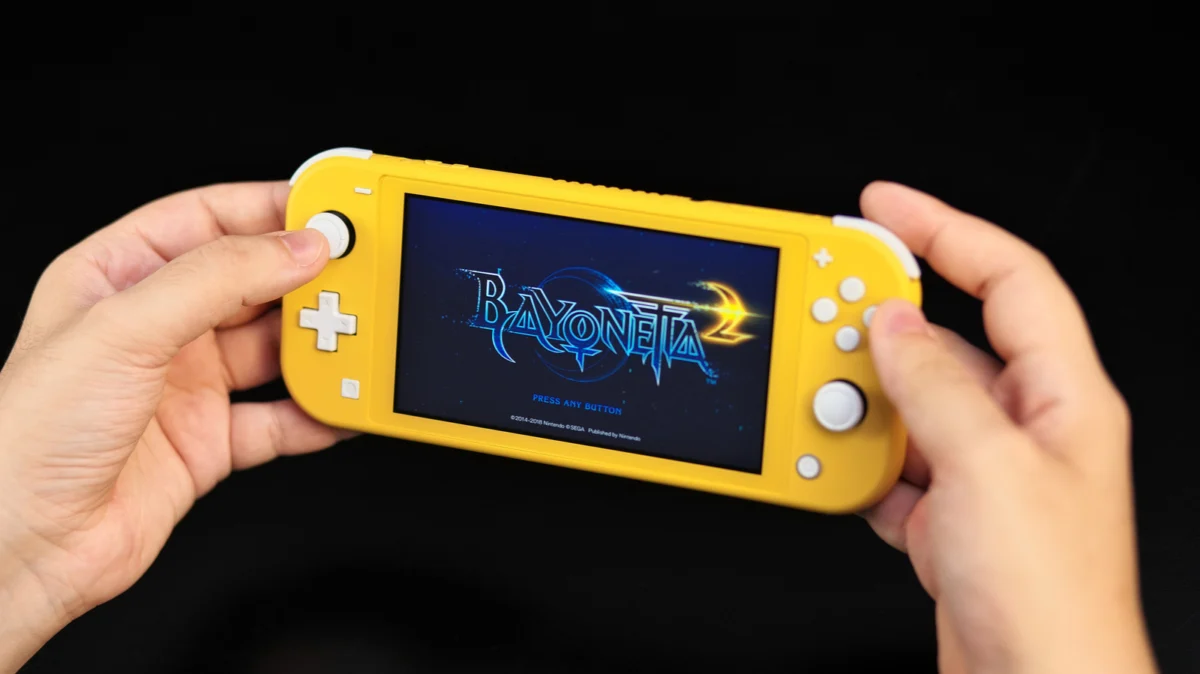
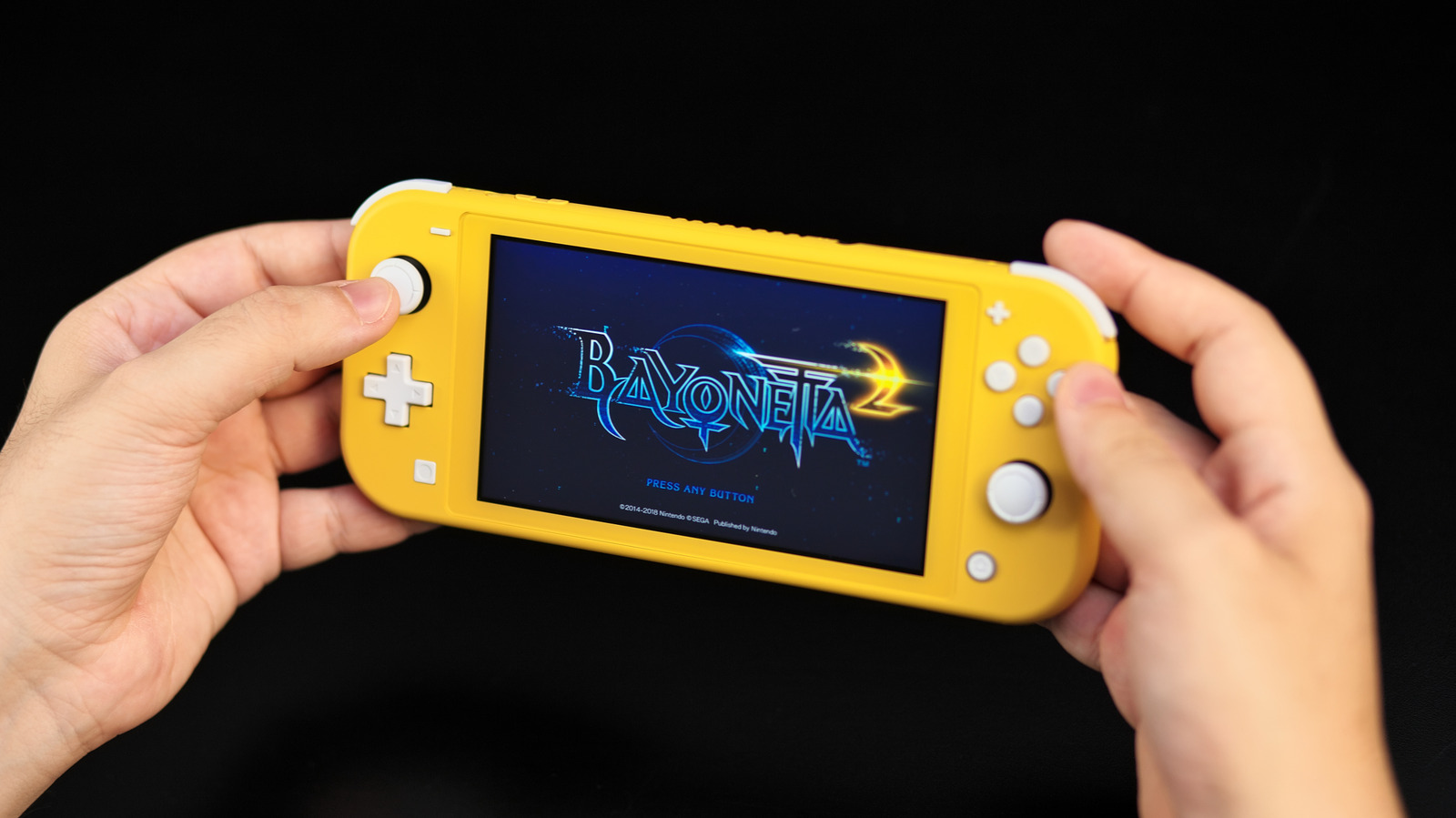
The primary mistake many consumers make is focusing exclusively on the "sticker price." While a console like the Nintendo Switch Lite—priced at a modest $230—appears to be the clear winner in affordability, the total cost of ownership (TCO) is a different story.
When evaluating the "cheapest" path to gaming, we must consider the following three variables:
- Hardware Depreciation and Versatility: While the Switch Lite is an excellent dedicated gaming machine, it is a closed system. It cannot output to a television, nor can it handle the demands of next-generation titles.
- The "Software Tax": Nintendo’s first-party titles are notorious for their price stability. A game released in 2020 might still cost $60 in 2026. Conversely, the PC ecosystem—powered by platforms like Steam and GOG—operates on a cycle of aggressive discounting. Titles that are years old can often be acquired for a fraction of their launch price.
- Digital Lock-in: Sony and Microsoft’s reliance on digital-only consoles removes the ability for consumers to trade, sell, or borrow physical discs. This effectively forces users into a closed marketplace where the platform holder controls the pricing, limiting the consumer’s ability to shop for competitive deals.
The Case for the Nintendo Switch Lite: The Budget King
For those who are not concerned with playing the latest graphical powerhouses like Grand Theft Auto VI and prefer a library of time-tested classics, the Nintendo Switch Lite remains the most viable entry point.
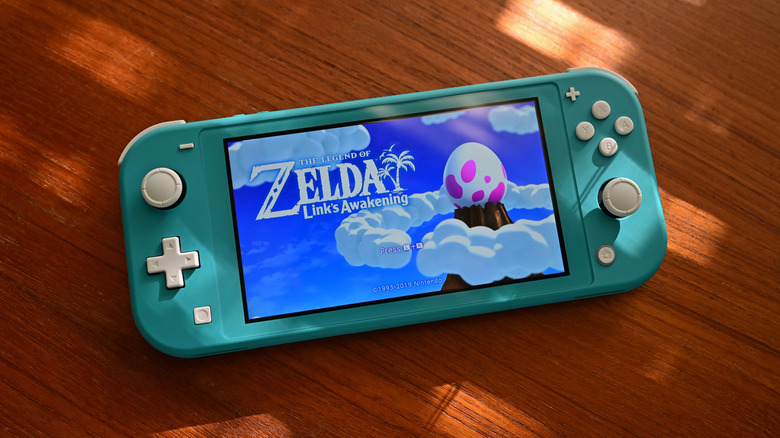
At $230, it is the only mainstream console that remains accessible to those with a strict budget. It provides access to a deep catalog of indie gems like Hades and Undertale, alongside Nintendo’s own iconic franchises. However, buyers must accept the limitations: it is a handheld-only device, and it will not support the next iteration of Nintendo hardware. It is a "closed-loop" investment—excellent for the short term, but eventually requiring a complete replacement if the user desires to keep up with industry trends.
The Pivot to Handheld PCs: Long-Term Affordability
While the upfront cost of a handheld PC—such as the Valve Steam Deck OLED ($789) or the ASUS ROG Ally X ($1,000)—is significantly higher than a standard console, the argument for their value lies in the long-term cost of software.
The PC ecosystem is fundamentally different from the console model. Because PC storefronts are competitive, users are not forced to pay "console premiums." Furthermore, the sheer volume of free-to-play titles (e.g., The Finals, Overwatch, Genshin Impact) means that a user could theoretically own a handheld PC for years without ever needing to purchase a full-priced title.
Moreover, these devices offer a level of utility that a PlayStation or Xbox cannot match. As portable computing devices, they can function as basic workstations, allowing users to handle productivity tasks, web browsing, and media consumption. For a student or a mobile professional, this dual-use functionality mitigates the "cost" of the hardware by serving two purposes.
Official Industry Stance and Implications
Major players in the industry maintain that current pricing is a reflection of the R&D and manufacturing costs required to deliver "next-gen" experiences. During recent earnings calls, representatives from both Sony and Microsoft have emphasized that their subscription services—PlayStation Plus and Xbox Game Pass—are intended to provide value to consumers, effectively lowering the barrier to entry for those who do not wish to pay $80 per game.
However, critics argue that these subscription services create a "rent-to-play" culture. When a player stops paying the monthly fee, they lose access to their library. This is a stark departure from the traditional model of ownership, where a purchased game remains in the player’s possession indefinitely.
The Implications for the Future
As we look toward the latter half of 2026, the implications for the average consumer are clear:
- The "Used" Market is Declining: With the industry pushing digital-only hardware, the secondary market for physical media is shrinking. This puts more power in the hands of publishers and less in the hands of consumers.
- Hardware Bifurcation: We are seeing a widening gap between "Entry-Level" gaming (Switch Lite) and "High-Performance" gaming (PS5 Pro/Handheld PCs). The "middle ground"—a reasonably priced console that offers modern features—is disappearing.
- The Rise of Free-to-Play: As the cost of hardware and new software rises, the industry is increasingly leaning on free-to-play models to retain engagement. This shift suggests that the future of gaming may be less about the console you own and more about the services to which you subscribe.
Conclusion: How to Choose
If your goal is absolute minimum expenditure today, the Nintendo Switch Lite is the only sensible choice. Its value is solidified by its massive, high-quality library and its ability to play physical cartridges, which can be found at a discount on the used market.
However, if you are looking at the next five years of gaming, the "cheapest" path is likely a high-quality handheld PC. While you will pay a premium at the register, the savings on software, the ability to access decades of PC game discounts, and the added utility of a computer make it the most economically sound decision for the long-term gamer.
In 2026, the cheapest console is no longer the one with the lowest price tag; it is the one that gives you the most control over your software library and the most flexibility in how you choose to play.
