

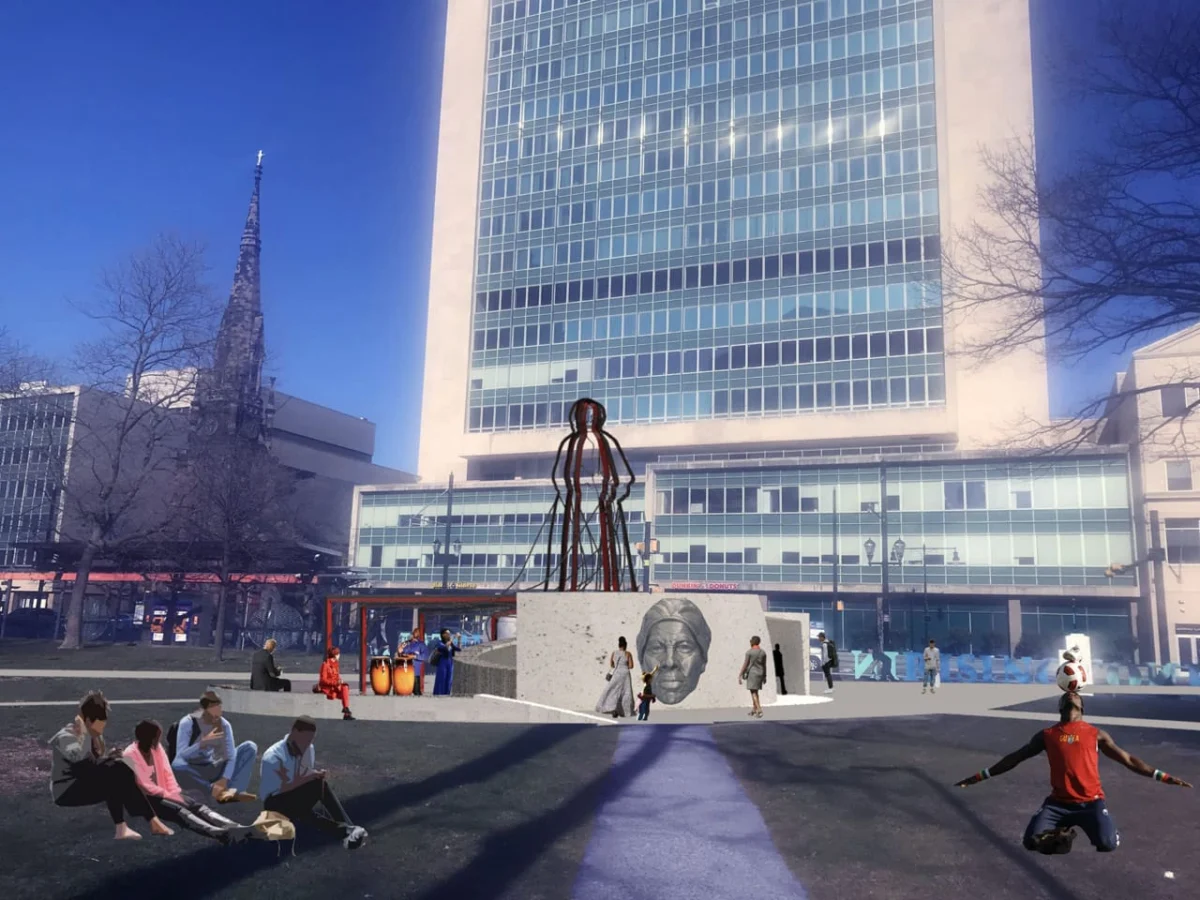
In a profound act of civic reimagining, the City of Newark is poised to honor one of the most significant figures in American history. The "Harriet Tubman Monument Project" represents more than just a piece of public art; it is a transformative reclamation of public space, intended to shift the narrative of New Jersey’s history from one of colonial legacy to one of liberation, resilience, and community agency.
The Core Objective: Reclaiming Washington Park
The City of Newark has officially commissioned a new, site-specific monument to honor Harriet Tubman. This landmark project, slated for installation in the historic downtown Washington Park, serves as a cornerstone of the city’s efforts to acknowledge the critical role New Jersey played in the Underground Railroad.
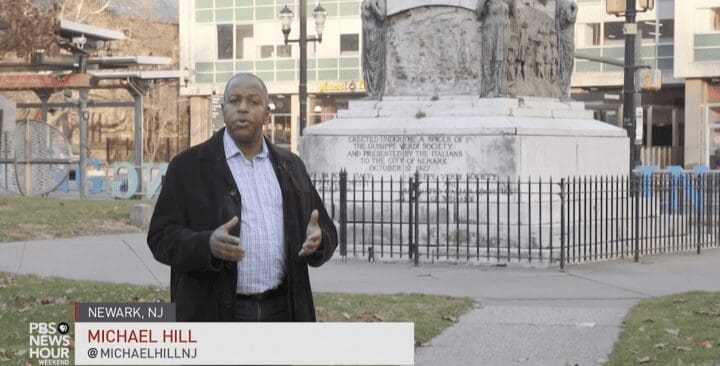
The monument is not merely an addition to the park; it is a replacement for a symbol of a different era. The site formerly housed a statue of Christopher Columbus, which was removed by the City in June 2020 amid a national reckoning regarding monuments and the historical figures they celebrate. In a move that cements the shift in the city’s public identity, Newark officials have announced that upon the completion of the new monument, the park itself will be formally renamed "Tubman Square."
Chronology of the Project: From Removal to Renewal
To understand the significance of this project, one must look at the timeline of events that led the City of Newark to this juncture.
- June 2020: Following a global wave of protests regarding social justice and historical representation, the City of Newark removed the bronze statue of Christopher Columbus from Washington Park. The decision was framed by Mayor Ras J. Baraka as a necessary step in addressing the city’s historical landscape.
- Late 2021: Following a national open call for artists, the City sought proposals that would not only memorialize Harriet Tubman but would also integrate seamlessly into the urban fabric of Newark.
- February 16, 2022: The Newark Museum of Art officially announced the selection of New Jersey-based artist Nina Cooke John to design the monument.
- March 2022: The project entered a phase of intensive community engagement, with the Newark Museum of Art hosting collaborative workshops allowing citizens to participate directly in the creation of the monument’s physical structure.
The Artistic Vision: Nina Cooke John’s "Shadow of a Landmark"
The winning design by Nina Cooke John is characterized by its interactive and inclusive nature. Rather than a traditional bronze statue atop a static pedestal, Cooke John’s concept envisions an immersive, sculptural experience.
The design features a monument that invites the public to enter and engage with the space. A central element of this project is the inclusion of community-made ceramic tiles. These tiles, crafted by residents of Newark during workshops facilitated by the Newark Museum of Art, are embedded into the structure. This methodology ensures that the monument is not something imposed upon the people, but something literally built by them. By weaving the labor and creativity of local residents into the fabric of the monument, Cooke John has bridged the gap between historical reverence and contemporary community identity.

Supporting Data and Historical Context: New Jersey’s Underground Railroad
New Jersey is often overlooked in the broader narrative of the Underground Railroad, but historical evidence suggests the state was a vital corridor for freedom seekers. As a "bridge state" between the slave-holding South and the more secure destinations in New York and New England, New Jersey saw thousands of individuals pass through its borders.
Harriet Tubman herself lived in New Jersey for a brief period in the 1840s, working in Cape May to save money to fund her daring rescue missions. The decision to place this monument in Newark—a city with a deep history of civil rights activism—serves to highlight this local connection. By renaming the site "Tubman Square," the City is correcting a historical imbalance, ensuring that the legacy of those who sought freedom is as prominent in the public square as the legacy of those who arrived through other, more recognized avenues.
Official Responses and Civic Impact
The project has garnered widespread support from local leadership, historians, and arts advocates. Mayor Ras J. Baraka has consistently framed the project as a move toward "truth-telling" in public history.
"We are not just removing a statue; we are curating the future of our city," a spokesperson for the City of Newark noted during the project’s unveiling. The Newark Museum of Art has similarly championed the initiative, emphasizing that the museum’s role is to provide a platform for stories that have historically been sidelined in institutional settings.
The collaborative workshops have been particularly impactful. Participants have expressed that the act of creating a tile—often inscribed with personal messages of freedom or portraits of ancestors—provides a therapeutic and empowering connection to the history of the Underground Railroad. It transforms the passive act of viewing a monument into an active, lived experience of historical continuity.
Implications for Public Space and Future Memorialization
The implications of the Harriet Tubman Monument Project extend far beyond the borders of Newark. It serves as a national case study for how municipalities can navigate the "monument wars" of the 21st century.
1. Shift from Hero-Centric to Community-Centric Art
Traditional monuments often focus on the "Great Man" theory of history, placing a single figure on a pedestal to be observed from below. The Tubman monument rejects this hierarchy. By using a design that encourages movement and participation, the project acknowledges that the struggle for freedom was a collective effort, not just the work of one individual.
2. The Role of Cultural Institutions
The Newark Museum of Art’s involvement highlights the evolving role of museums in the modern era. By moving outside the gallery walls and into the community to facilitate the creation of the monument, the museum has transformed from a repository of artifacts into a catalyst for social change. This shift demonstrates that the relevance of an art institution is increasingly defined by its ability to engage with the immediate needs and history of its surrounding population.
3. Decolonizing Public Spaces
The act of renaming Washington Park to "Tubman Square" is a profound linguistic and cultural intervention. Names of public spaces exert a quiet, persistent influence on the consciousness of a city. By replacing the name of a colonial explorer with that of a revolutionary liberator, Newark is asserting a new set of values—one that prioritizes justice, equality, and human rights over colonial conquest.
Conclusion: A Living Legacy
As the Harriet Tubman Monument Project moves toward its final installation, it stands as a testament to the power of community-driven design. It is not a static object meant to freeze a moment in time, but a dynamic site of memory that will continue to evolve as new generations of Newark residents interact with it.
The transition from the Columbus statue to the Tubman monument is not merely a change in scenery; it is a fundamental shift in the city’s moral compass. Through the collaborative efforts of Nina Cooke John, the Newark Museum of Art, and the citizens of Newark, the city is creating a space that honors the past while inspiring the future. As residents walk through the new Tubman Square, they will not just be visiting a monument; they will be walking through a landscape that reflects their own resilience, their own history, and their own commitment to the ongoing work of freedom.
This project reminds us that history is not something that happens to us, but something we actively shape every day. In Newark, the future of our public squares is being written in clay, in stone, and in the collective memory of a community that refuses to be defined by anything less than its own pursuit of liberty.
