

By Jeffrey Kanige
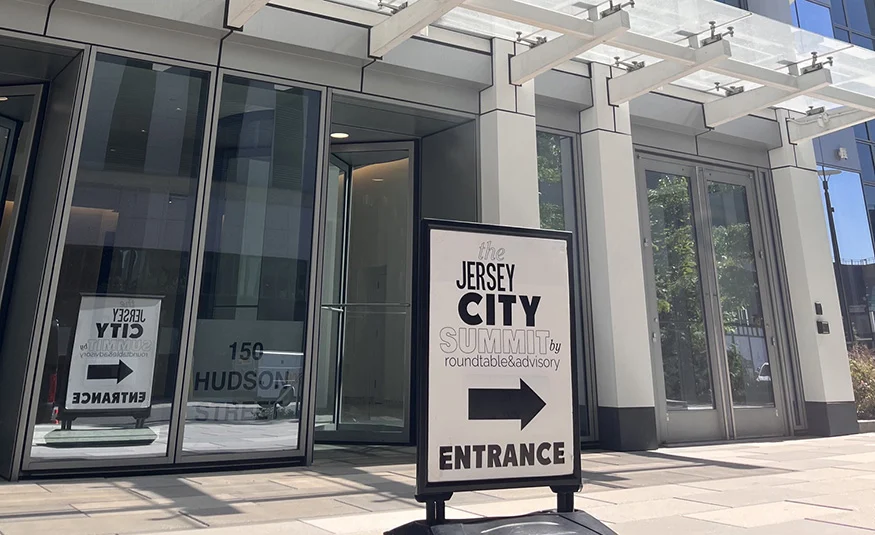
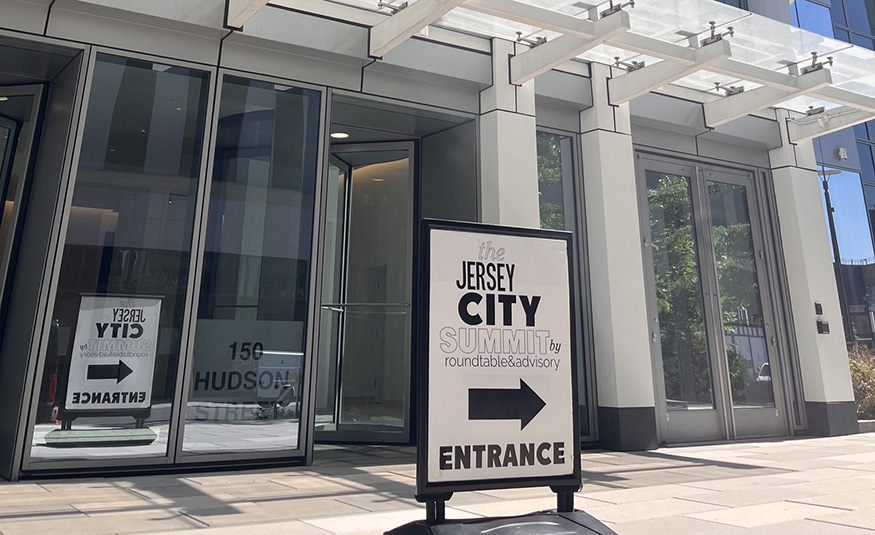
The Hudson River waterfront, long a symbol of New Jersey’s industrial metamorphosis, served as the backdrop for one of the region’s most significant gatherings of the year. On June 4, 2026, industry leaders, urban planners, and technology visionaries converged at Harborside 1 for the annual Jersey City Summit for Real Estate Investment, Placemaking & Innovation.
Organized by roundtable&advisory, the event functioned as a high-level barometer for the state of New Jersey’s commercial real estate sector. As interest rates stabilize and the post-pandemic commercial landscape continues to evolve, the summit provided a crucial forum for stakeholders to dissect the intersection of capital investment, innovative design, and the "placemaking" strategies that are currently defining the next generation of urban development.
The State of the Waterfront: A Hub for Innovation
The 2026 summit arrived at a pivotal moment for Jersey City. Once a gritty rail yard terminal, the city has solidified its reputation as the "Sixth Borough," attracting major financial institutions, technology startups, and a booming residential population. However, the 2026 discourse moved beyond the traditional "residential boom" narrative.
The focus of this year’s sessions was squarely on the integration of smart-city technology with human-centric design. Speakers emphasized that the future of the Hudson waterfront is no longer just about proximity to Manhattan; it is about creating self-sustaining, innovative ecosystems that offer a distinct quality of life for the modern professional.
Chronology of the 2026 Jersey City Summit
The day-long event was structured to provide a comprehensive look at the lifecycle of a real estate asset—from initial capital injection to operational maintenance and long-term community integration.
- Morning Session: Capital Markets and Investment Climate. The morning was dominated by institutional investors and private equity experts. The consensus was one of "cautious optimism." While the volatility of the mid-2020s has subsided, the cost of debt remains a primary hurdle for new ground-up developments. Experts discussed the pivot toward adaptive reuse—converting older, underperforming office stock into mixed-use facilities that include life sciences labs or high-end residential components.
- Mid-Day Session: The Placemaking Paradigm. Following the financial deep dive, the summit shifted focus to "placemaking." Industry leaders argued that modern office space is effectively dead unless it is accompanied by "lifestyle amenities." This includes green spaces, transit-oriented development (TOD), and public art installations that encourage community engagement.
- Afternoon Session: Technology and Innovation. The latter half of the day highlighted how technology is reshaping property operations. This session featured a notable appearance by Ari Rabban, CEO of Newark-based Phone.com. The dialogue centered on how telecommunications and AI-driven infrastructure are becoming the backbone of property management, ensuring that buildings are not just physical shells, but responsive, connected assets.
- Closing Remarks: The day concluded with a networking reception, allowing developers, architects, and government officials to bridge the gap between policy and practice.
Supporting Data: Economic Drivers and Market Trends
While specific proprietary data remains closely held by the participating firms, the overarching market sentiment supported the growth trends observed in recent NJBIZ reporting. Jersey City’s vacancy rates for Class A office space have remained competitive, buoyed by companies migrating from Manhattan in search of modern, LEED-certified buildings that offer superior air quality and flexible floor plans.
Furthermore, the data presented regarding regional infrastructure investment suggests a "ripple effect." As Jersey City continues to densify, the surrounding municipalities—including Newark and Bayonne—are seeing a correlated rise in investment. The development pipeline for the next 24 months shows a significant tilt toward transit-adjacent residential units, with a marked increase in the inclusion of co-working spaces as a standard amenity in new developments.
Official Perspectives: The View from the C-Suite
A highlight of this year’s coverage was the inclusion of Ari Rabban, CEO of Phone.com. Representing the intersection of technology and physical workspace, Rabban’s insights offered a unique perspective on the "Newark-Jersey City" corridor.
Rabban noted that for technology companies, the geography of the office is secondary to the quality of the infrastructure. "It isn’t just about the view of the skyline anymore," Rabban noted during his segment on NJBIZ Conversations. "It is about the reliability of the network, the intelligence of the building management systems, and how these physical spaces empower a distributed workforce."
Rabban’s presence at the summit underscored a growing trend: technology firms are no longer just tenants; they are partners in the development process. By integrating high-speed, secure communications infrastructure into the blueprint of new buildings, developers are effectively future-proofing their assets against the rapid pace of technological change.
Implications: What This Means for New Jersey
The implications of the 2026 summit are far-reaching for the Garden State. As New Jersey seeks to maintain its competitive edge against other regional hubs, the lessons learned at the Jersey City Summit will likely influence public policy and zoning regulations in the coming years.
1. The Death of the Monoculture Office
The era of the "office-only" building appears to be over. Investors and developers are increasingly favoring mixed-use developments that blend residential, retail, and office space. This diversification is seen as a risk-mitigation strategy, ensuring that the property remains profitable even if the demand for traditional office space fluctuates.
2. The Newark-Jersey City Synergy
The success of the Jersey City model is now being exported to other parts of the state. With the Newark Summit for Economic Development, Placemaking & Innovation scheduled for December 8, 2026, at 550 Broad St., there is a clear effort to link these urban centers. The implication is a unified "Innovation Corridor" that could transform Northern New Jersey into a singular, powerhouse economy capable of rivaling any major metropolitan area in the world.
3. Sustainability as a Financial Metric
Sustainability is no longer a "nice-to-have" or a marketing buzzword. It has become a financial imperative. Institutional investors are increasingly applying ESG (Environmental, Social, and Governance) criteria to their portfolios. Buildings that fail to meet modern energy efficiency standards are seeing their valuations plummet, while those that prioritize carbon-neutral operations are commanding a premium in the market.
Conclusion: Looking Toward December
The 2026 Jersey City Summit served as more than just a networking opportunity; it was a roadmap for the future. By bringing together the disparate threads of real estate finance, urban design, and telecommunications technology, the event highlighted the complexity of modern development.
As we look toward the remainder of the year, the focus will shift to Newark. The upcoming December summit promises to continue this dialogue, exploring how the lessons learned on the waterfront can be applied to the urban core of New Jersey’s largest city. For developers, investors, and policymakers, the message is clear: the future of New Jersey’s economy will be built on the foundation of connectivity, adaptability, and an unwavering commitment to high-quality placemaking.
For those interested in the next chapter of this ongoing development narrative, registration and agenda details for the Newark Summit are currently available. As the landscape continues to evolve, NJBIZ will remain on the front lines, documenting the shifts that define the New Jersey economy.
