

As the golden hues of autumn yield to the crisp, biting air of November, the rhythm of home life undergoes a significant shift. For many homeowners, this month represents the final frontier before the arrival of true winter—a transition marked by the return of house guests, the aromatic intensity of holiday cooking, and the necessity of creating a warm, resilient indoor sanctuary.
While the season invites us to turn inward, it also demands one last surge of outward productivity. From the northern reaches of the country to more temperate climates, November is the critical window for fortifying the home against the elements. By addressing these ten essential tasks, you ensure that your property is not only prepared for the plummeting temperatures but also optimized for efficiency and safety during the busiest hosting season of the year.
1. The Climate-Control Upgrade: Installing a Programmable Thermostat
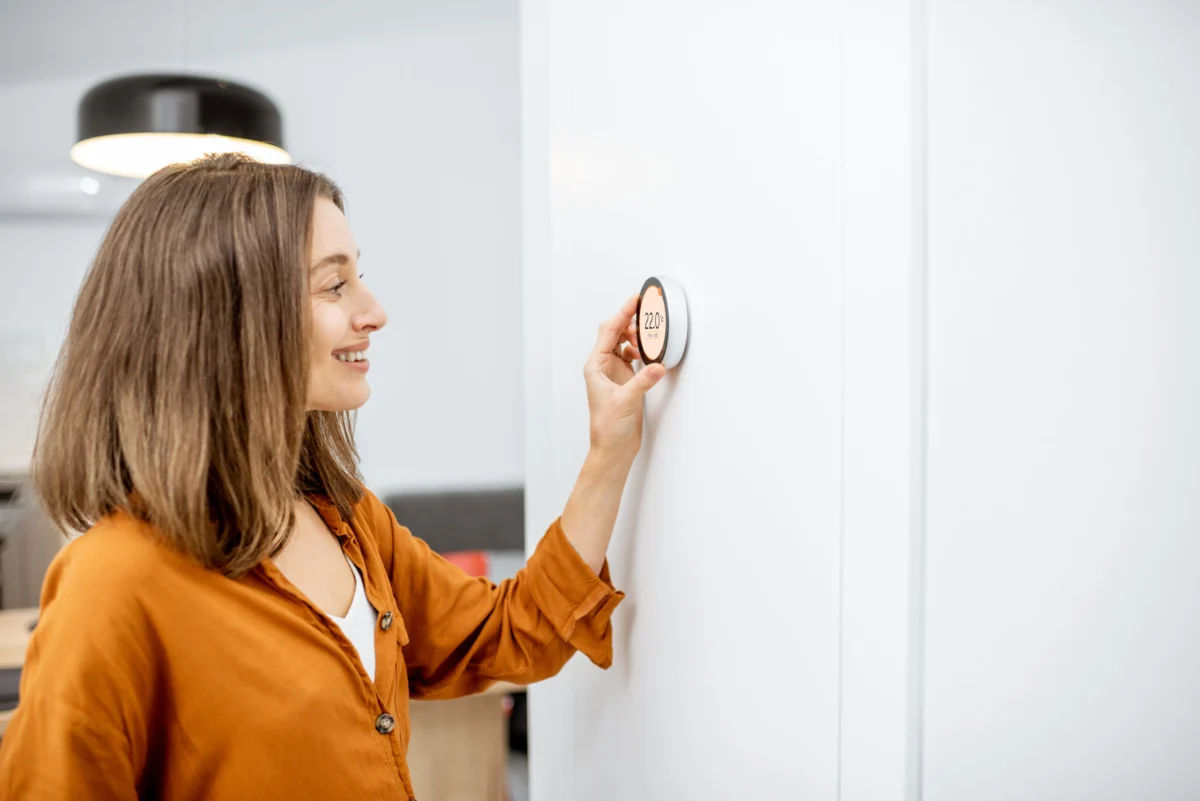
In the modern era of home management, efficiency is synonymous with automation. Installing a programmable thermostat is one of the most effective, low-effort ways to reduce your carbon footprint and your monthly utility expenditure.
The Logic of Efficiency
The U.S. Department of Energy provides compelling data regarding climate control: homeowners can realize a 10 percent reduction in annual heating costs simply by lowering their thermostats by 7 to 10 degrees for eight hours a day. This is a "no-brainer" for those who work outside the home or follow a predictable sleep schedule. By programming your HVAC system to throttle back while the house is empty, you avoid the waste of heating an unoccupied space.
Technology at the Helm
Modern iterations, such as the Google Nest Learning Thermostat, represent a quantum leap over the static dials of the past. These devices leverage artificial intelligence to "learn" your daily habits, recognizing when you are home and when you are away. With integration capabilities via Alexa and Google Assistant, homeowners can maintain total control over their thermal environment, ensuring that the home is perfectly warmed just as they return from work or wake in the morning.
2. Fortifying the Attic: The First Line of Defense
The attic is frequently the most neglected space in the home, yet it is arguably the most critical for energy conservation. Heat naturally rises, and without adequate insulation, up to 25 percent of your home’s conditioned air can escape through the roof, leading to excessive energy consumption and the formation of hazardous ice dams on your eaves.
Understanding R-Value
When assessing your insulation, it is essential to look at the R-value—a measure of thermal resistance. Manufacturers like Johns Manville suggest that for residents in the northern United States, an R-value of at least 38 is the baseline, though an R-value of 49 to 60 is highly recommended for optimal efficiency. Before winter sets in, perform a visual inspection of your attic flooring. If you can see the joists, you likely need a top-up of cellulose or fiberglass batting to reach the recommended depth.
3. Culinary Safety: Prioritizing Fire Prevention
November brings with it the season of culinary indulgence, but it also carries a sobering statistic: more home cooking fires occur on Thanksgiving than on any other day of the year. As ovens and stovetops are pushed to their limits, safety must be the primary focus of the home chef.
Essential Preparedness
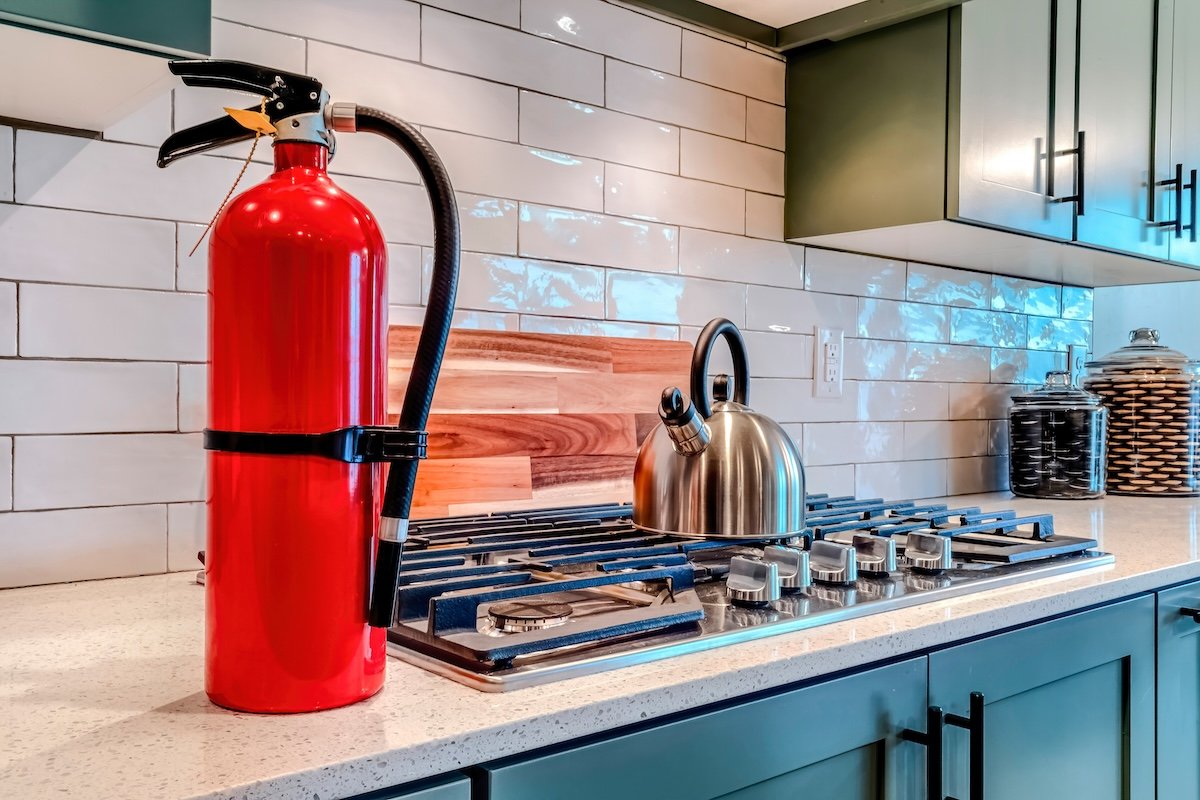
A fire extinguisher is not a luxury; it is a fundamental piece of kitchen infrastructure. Ensure that your unit is easily accessible, not buried in the back of a pantry. Furthermore, check the pressure gauge on your existing extinguishers. If the needle is in the red, or if the unit is more than a decade old, replace it immediately. Modern kitchen-specific extinguishers are designed to handle grease fires—the most common culprit in holiday kitchen mishaps—making them an indispensable investment for the safety of your family.

4. Lighting the Way: Strategic Exterior Illumination
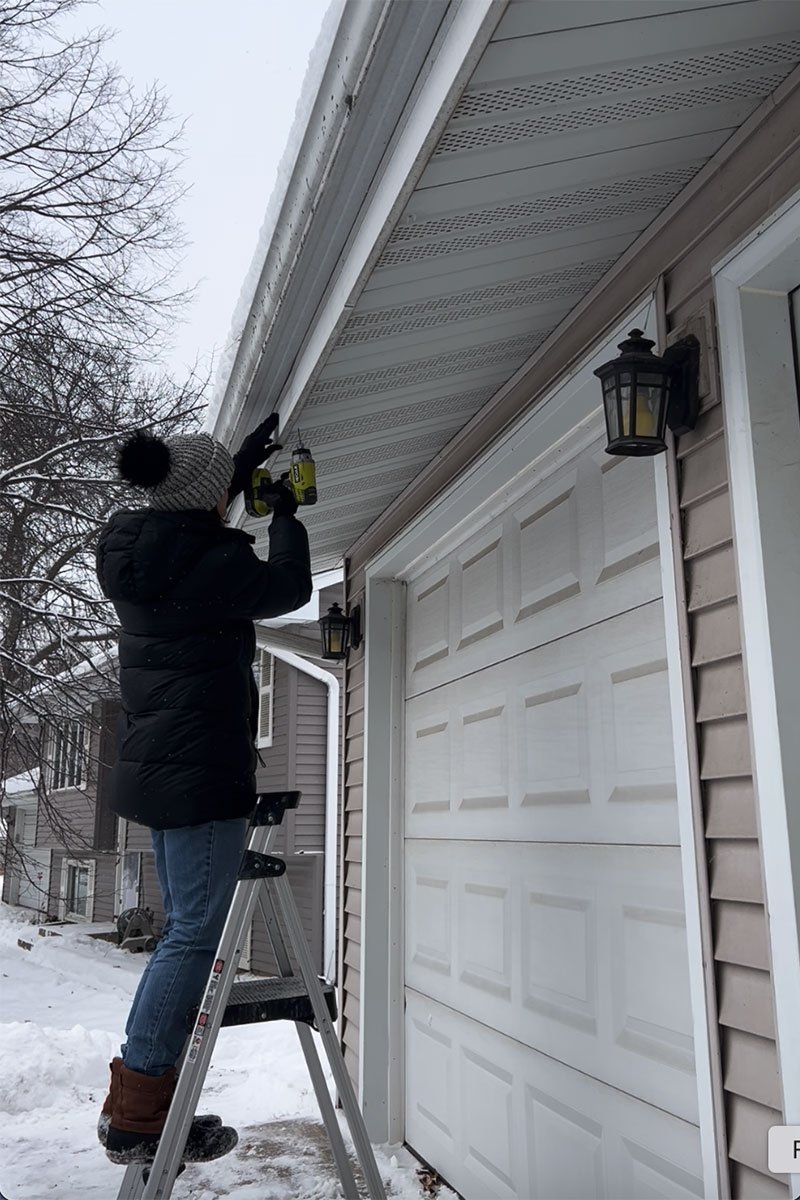
The transition to shorter days necessitates a reliable and festive approach to exterior lighting. While there is an ongoing debate regarding the "appropriate" time to hang holiday lights, November offers a practical advantage: the weather is generally more conducive to outdoor labor than in the frigid days of late December.
Safety Protocols
When installing exterior lighting, prioritize electrical safety above all else. Inspect all cords for fraying or exposure, and strictly adhere to the use of ground fault circuit interrupters (GFCIs) to prevent electrical shorts. For a more modern approach, consider smart outdoor LED strip lights, such as those from Govee. These systems allow homeowners to change colors and patterns via an app, enabling them to transition from festive autumn colors to winter holiday themes without the need to physically re-install strings throughout the season.
5. Plumbing Integrity: Preparing Pipes for the Deep Freeze
When temperatures drop below freezing, water lines—particularly those running along exterior walls or through unheated garages—are at extreme risk of bursting. The resulting damage from a pipe failure can be catastrophic, costing thousands of dollars in restoration.
Proactive Protection
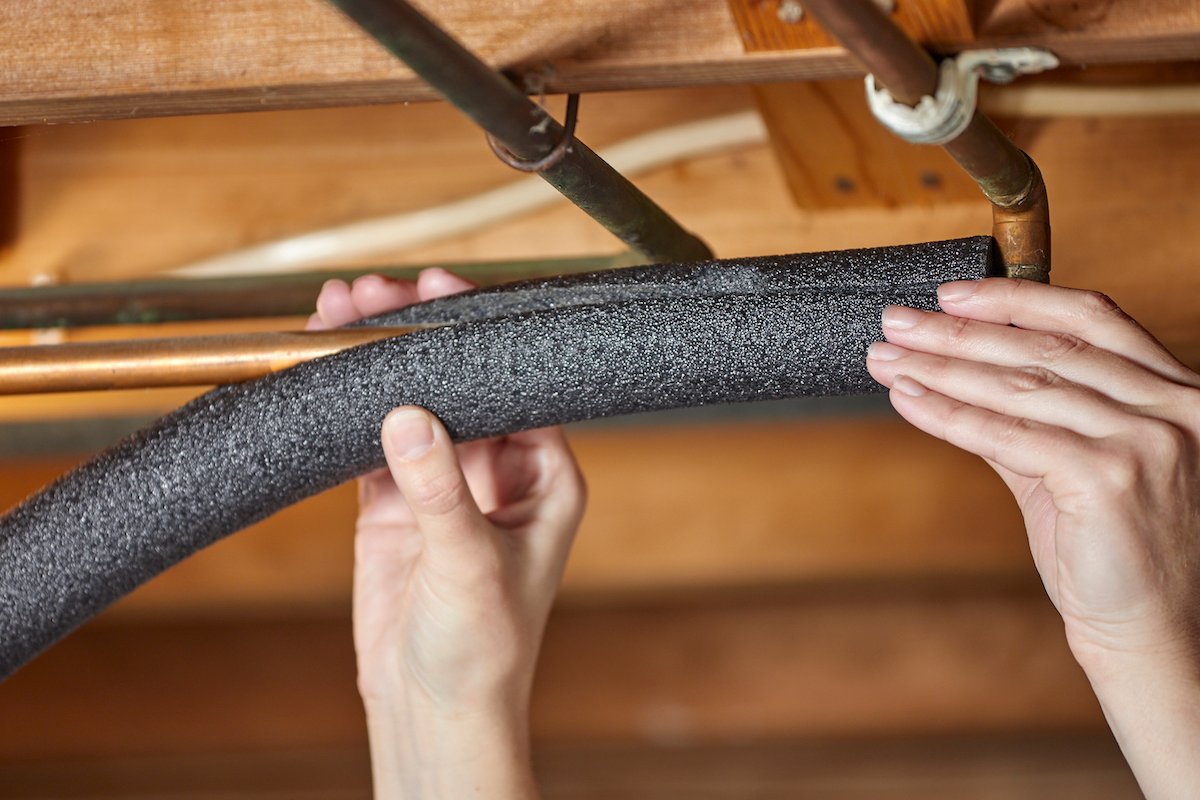
To mitigate this risk, ensure that pipes are properly insulated with foam sleeves. For particularly vulnerable areas, consider the installation of electric heat tape. These heating cables, when plugged into a GFCI-protected outlet, maintain the water temperature above freezing. Note, however, that these should never be installed inside wall cavities or floors due to the risk of fire; they are intended for exposed pipe runs only.
6. The Hearth and Home: Stocking Quality Firewood
There is an inherent comfort in the flicker of a fireplace on a cold November evening. However, the quality of your experience—and the safety of your chimney—depends entirely on the fuel you burn.
Choosing the Right Fuel
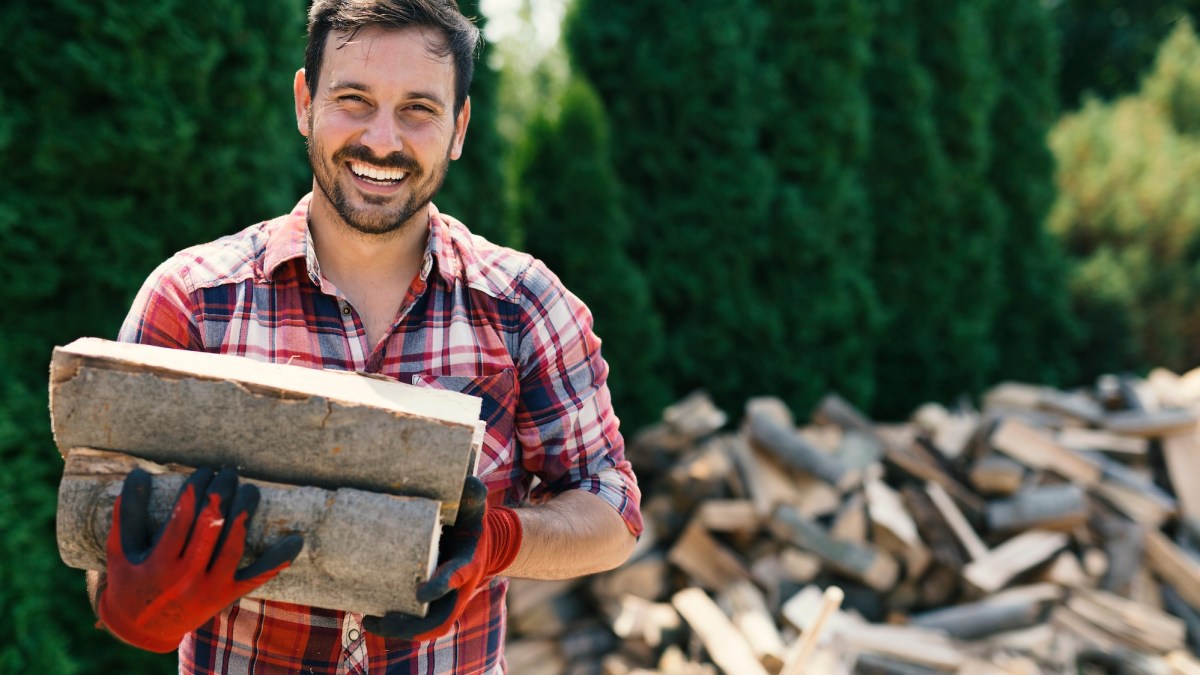
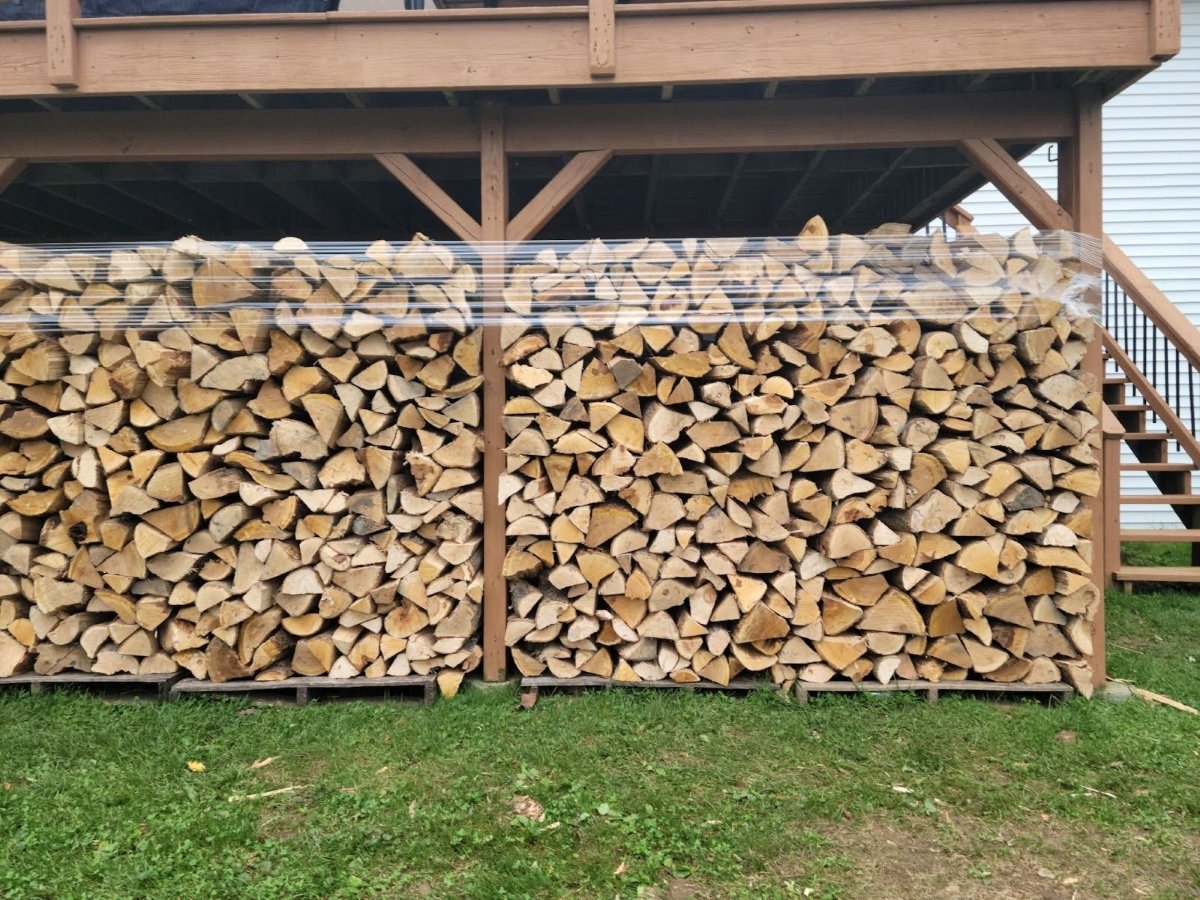
Seasoned hardwood, such as oak, ash, or maple, is the gold standard for residential fireplaces. These woods burn cleaner, hotter, and for longer durations than softwoods, which tend to be resinous and can cause excessive creosote buildup in your chimney. Ensure your wood has been seasoned for at least six to twelve months to reduce moisture content, which minimizes smoke and maximizes heat output.
7. Hosting with Grace: Guest Room Readiness
November is the precursor to the holiday travel season. Whether you are expecting long-term relatives or short-term friends, preparing your guest room is a gesture of hospitality that also helps organize your home.
Elevating the Experience
You don’t need a total renovation to refresh a guest space. A fresh coat of neutral paint, a set of high-quality linens, and a clutter-free environment go a long way. If space is at a premium and you lack a dedicated bedroom, invest in a high-quality air mattress or a versatile pull-out sofa. Providing a comfortable, dedicated space for your guests ensures they feel welcome and allows you to maintain your own routine during their stay.
8. Preserving the Kitchen: Surface Care
As the heart of the home, the kitchen experiences high traffic during the holiday season. Countertops, in particular, are subject to the rigors of heavy meal preparation.
Maintenance by Material
- Butcher Block: These surfaces are prone to drying and cracking. Treat them with food-safe mineral oil to maintain their integrity.
- Granite and Marble: These porous stones require regular sealing to prevent oils and acidic liquids (like citrus or wine) from penetrating and causing permanent staining.
- Cutting Boards: Plastic boards should be sanitized in a high-heat dishwasher cycle, while wooden boards should be cleaned with a mixture of vinegar or salt and lemon to neutralize odors and bacteria.
9. Water Heater Efficiency: The Blanket Solution
Your water heater is likely one of the most hardworking appliances in your home, yet it is often tucked away in a cold basement or garage, forcing it to expend extra energy to keep its contents hot.
Thermal Retention
An insulating water heater blanket is a low-cost, high-reward upgrade. By wrapping your tank in an insulation blanket, you can prevent heat loss, which can save between 4 to 9 percent on your annual water heating costs. The blanket effectively pays for itself within a year of installation. Always ensure you purchase the correct size for your tank and follow the manufacturer’s instructions to avoid covering critical valves or burners.
10. Appliance Maintenance: The Pre-Holiday Deep Clean
Finally, before the culinary marathon of the holidays begins, turn your attention to your oven and stovetop. Grease accumulation is not only unsightly but also a significant fire hazard.
Avoid the "Self-Clean" Trap
While the "self-clean" function on modern ovens is convenient, many appliance technicians advise against using it immediately before a major holiday. The extremely high temperatures required for this cycle put significant strain on the oven’s electrical components, which can lead to a failure of the heating element right when you need it most. Instead, opt for a traditional cleaning method using a paste of baking soda, water, and vinegar. This eco-friendly, non-toxic solution is highly effective at cutting through grease without subjecting your appliance to the thermal shock of a self-clean cycle.
Conclusion
By methodically working through this November checklist, you are doing more than just maintaining a house; you are curating an environment of safety, efficiency, and comfort. Whether it is the peace of mind provided by a fresh fire extinguisher or the tangible savings of a well-insulated water heater, these tasks serve as the foundation for a stress-free and joyous winter season. Take the time now to invest in your home, and it will surely return the favor during the months to come.
