

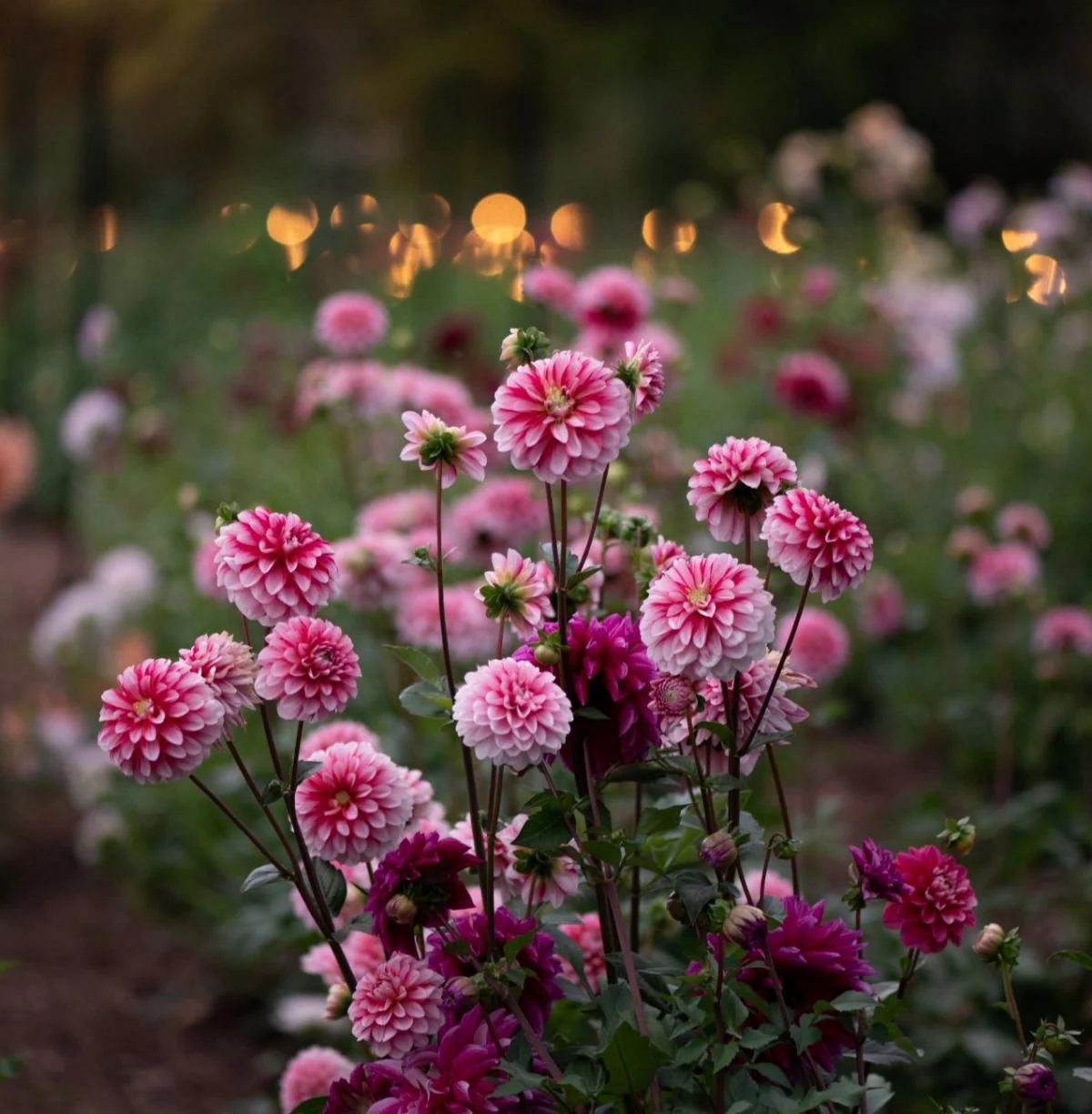
When Laura Grimm purchased an 11-acre property in Far Hills, New Jersey, the estate was a far cry from the vibrant, blooming oasis it is today. The house was a relic of a bygone era, untouched for decades, and the land itself had been reclaimed by nature after fifty years of agricultural dormancy. While most new homeowners would have focused their immediate resources on interior renovations, Grimm made a counterintuitive choice: she started from the ground up.
For two years, Grimm engaged in the grueling, manual labor of clearing invasive species that had choked the landscape. She tilled the stubborn, heavy clay soil, preparing the earth for a second life. Only after the land was tamed did she formally launch Bewitching Blooms, a flower farm that has since become a beacon for the local community and a testament to the surging "slow flowers" movement in the United States.
The Chronology of a Career Pivot
The arc of Laura Grimm’s life is marked by two distinct chapters. For years, she navigated the high-stakes, pressurized environment of New York City’s finance sector. It was a world of white-collar professional demands, yet Grimm always nurtured a secret, botanical ambition. Her early gardening efforts were confined to the limited footprints of city rooftops and terraces. As she transitioned to suburban life, her gardens began to spill over the boundaries of her yard, expanding until the physical limitations of her property forced a realization: she needed more room to grow.
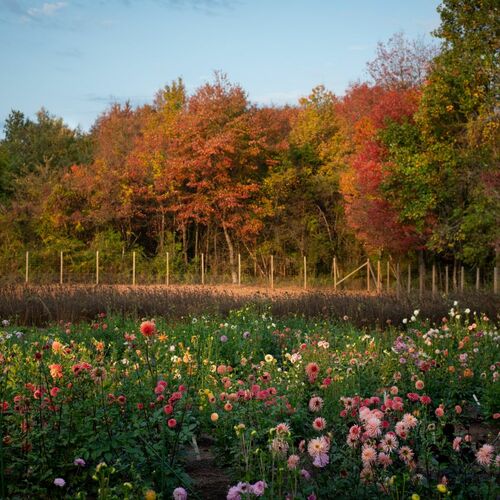
The move to the 11-acre Far Hills farm was not merely a change of address; it was a total professional and lifestyle metamorphosis. The transition was physically demanding, replacing spreadsheets with spade-work and market reports with soil analysis. By last year, the farm had reached a significant milestone: Grimm and her cousin successfully planted 17,000 tulip bulbs, a feat that signaled the farm’s shift from a passion project to a commercial operation.
Grimm is quick to dispel the romanticized notion of flower farming. "Some people don’t realize how much work it is," she reflects. "Because it’s flowers, some people think it’s all pretty dresses and hair ribbons, and not the dirty nails and sore feet."
The Surge of Localized Agriculture
Grimm’s venture into agriculture is perfectly timed with a quiet, national revolution. According to data from the USDA Census of Agriculture, the number of U.S. farms reporting cut-flower production jumped by approximately 50 percent between 2012 and 2022. This shift is characterized by a new demographic of growers: predominantly women who are building independent, small-scale businesses on modest acreage.
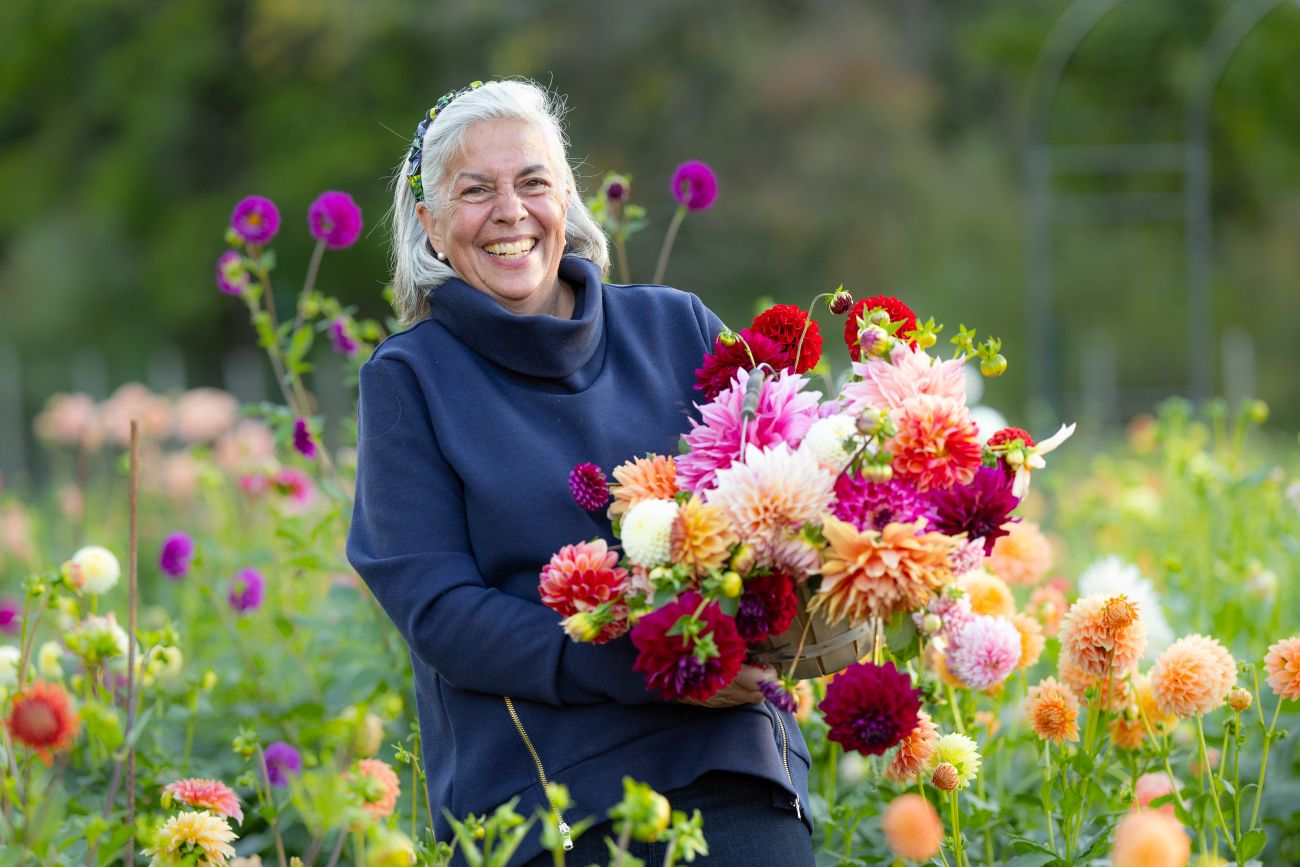
Unlike traditional row-crop farming, which requires massive capital investment and expansive tracts of land, flower farming offers a lower barrier to entry. Growers can start with a single plot, scaling their operations as they gain market confidence and a loyal customer base.
This growth is fueled by an increasing consumer appetite for local, sustainable, and transparently sourced blooms. Debra Prinzing, founder of the Slow Flowers Society—an organization dedicated to promoting locally grown flowers—argues that this is more than just a passing aesthetic preference. "I don’t think it’s a trend," Prinzing asserts. "I think it’s a cultural shift—and one that’s here to stay."
The implications of this shift are profound. By sourcing flowers locally, consumers are reducing the carbon footprint associated with the global floral trade, which often involves thousands of miles of cold-chain shipping. Furthermore, the "Slow Flowers" movement emphasizes the seasonal beauty of blooms, encouraging customers to appreciate flowers that are grown without the heavy chemical inputs often found in mass-market imports.
The Mechanics of Demand
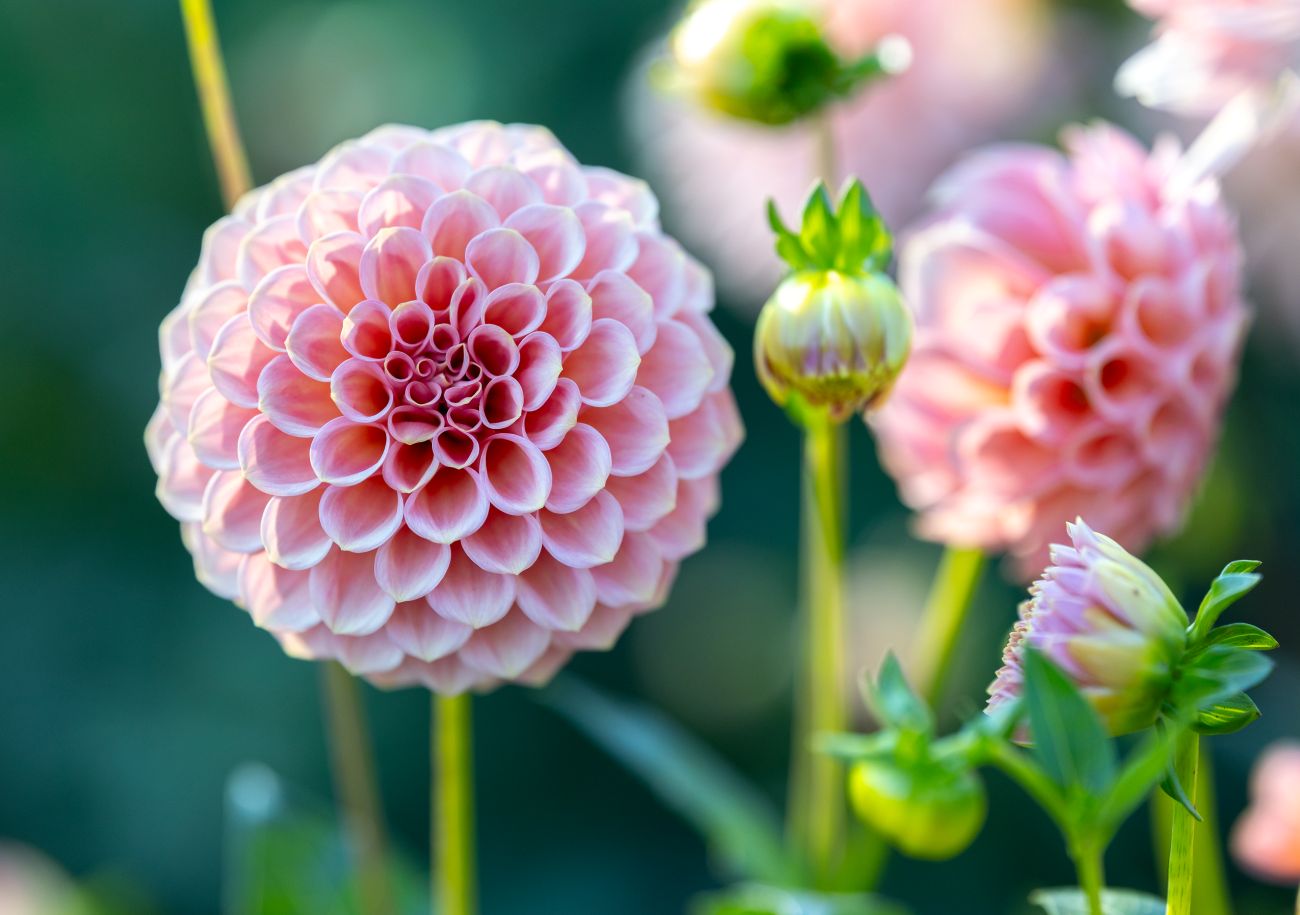
The demand for Bewitching Blooms was immediate and, in some ways, overwhelming. In its inaugural year, the farm saw thousands of visitors. The flower stand, intended to be a convenient point of sale, was frequently emptied by noon. Such was the fervor of the local community that customers would occasionally knock on the farmhouse door, hoping for a fresh armful of dahlias or tulips.
This level of interest has necessitated a professionalized approach to marketing and logistics. Grimm’s son, 27-year-old Mark, manages the farm’s Instagram presence. He has become accustomed to the "Instagram effect," where a single post from a professional florist tagging the farm can result in a deluge of direct messages and customer traffic. "All of our phones will start blowing up with direct messages," Mark says, "and we’re like, ‘Oh God, it’s going to be a long one for Mom.’"
A Family Effort: Beyond the Soil
While the farm is the realization of Laura’s personal vision, it has become a collaborative family enterprise. Her three sons, ranging in age from 25 to 29, return to the farm at least twice a month to assist with the most labor-intensive tasks—planting, weeding, and hauling compost.
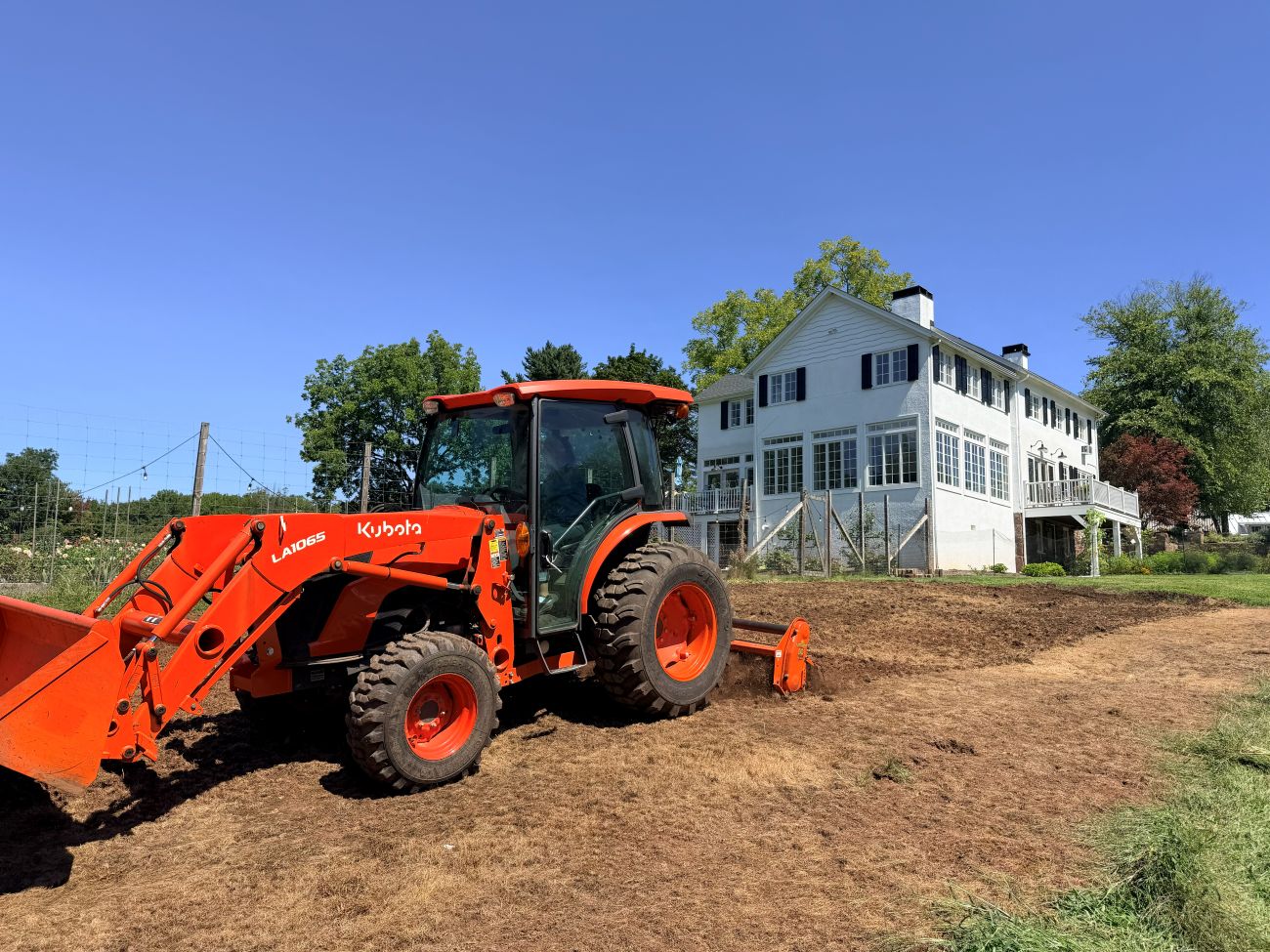
The emotional bond of this project was underscored last year when the brothers, recognizing that the scale of the farm had surpassed their mother’s physical capacity, purchased a tractor for her. For Grimm, the gesture was deeply moving. It represented more than just a tool; it was a validation of her efforts and a commitment to the farm’s future. "It was amazing because I thought I was in a little over my head," she said, "and they believed in me enough to do that."
Lessons in Stewardship and Letting Go
Daily life at Bewitching Blooms begins at 5:00 a.m. The mornings are dedicated to observation—a ritualistic walk with her dogs and a cup of coffee to assess the needs of the beds. Grimm has learned to abandon the rigid structure of her former life; she no longer maintains a firm to-do list, as the unpredictability of the weather and the biological rhythms of the plants make long-term planning an exercise in futility.
"You have to learn to let go, and that’s been really hard for me," Grimm admits. "You don’t have control, and you have to work with what you have. Even though you think you’re doing it the right way, Mother Nature kind of wallops you."
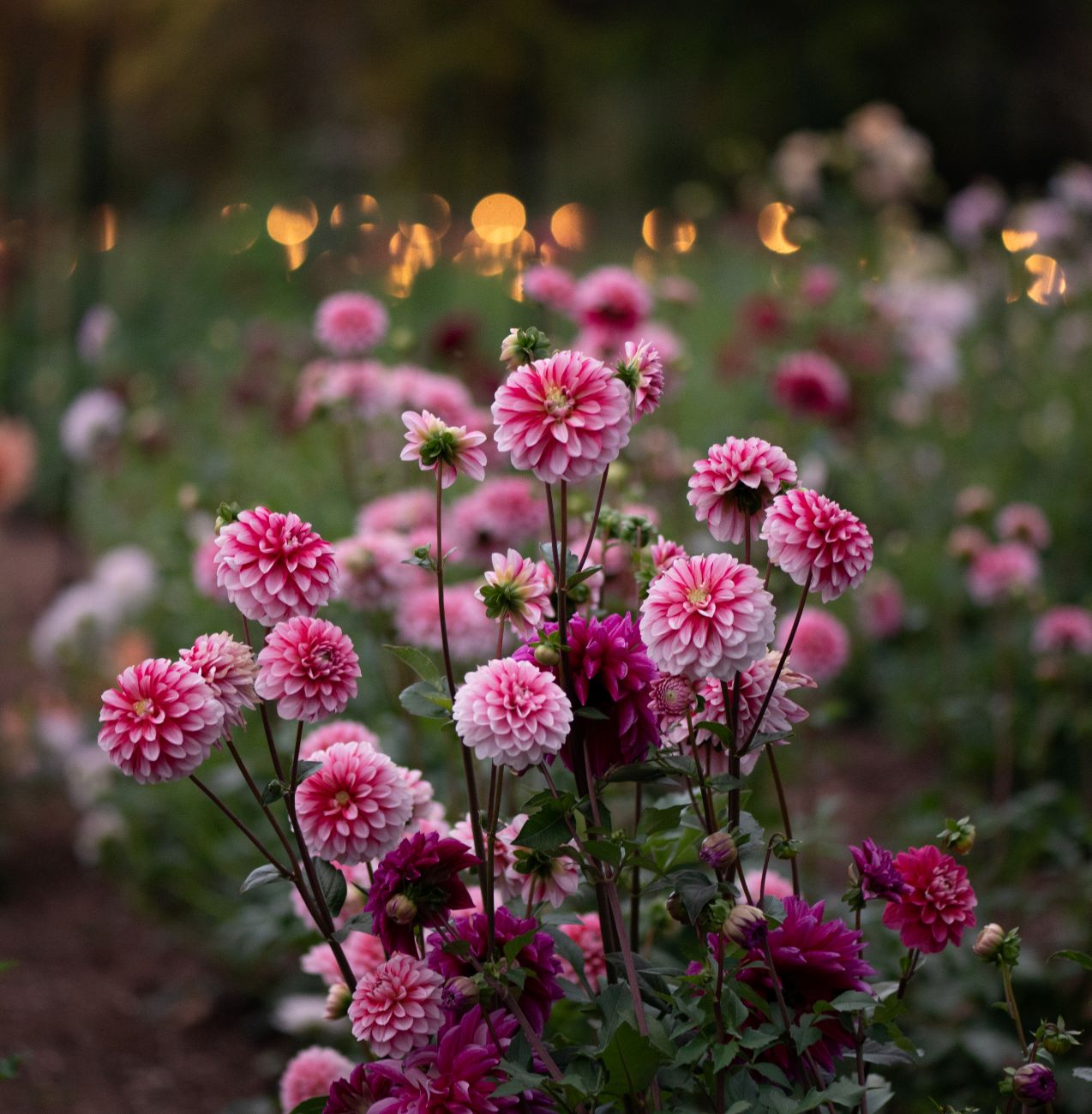
This philosophy of surrender has allowed Grimm to cultivate something deeper than just a business. She has created a sanctuary. The farm has become a place where event planners draw inspiration, local residents find respite, and families witness the quiet magic of growth. She recalls a recent visit from a family where she watched a young girl transform while picking flowers—a moment of pure, unadulterated joy that reinforces why she endured the two-year clearing process.
The Future: Still Growing
As for the house, it remains a secondary priority. While the property now flourishes with rows of dahlias and tulips, the farmhouse itself still bears the marks of the decades of neglect that preceded Grimm’s arrival.
"At some point, we’ll get around to having a working bathroom on the second floor," Grimm jokes, "so I do not have to go down the hallway to brush my teeth."
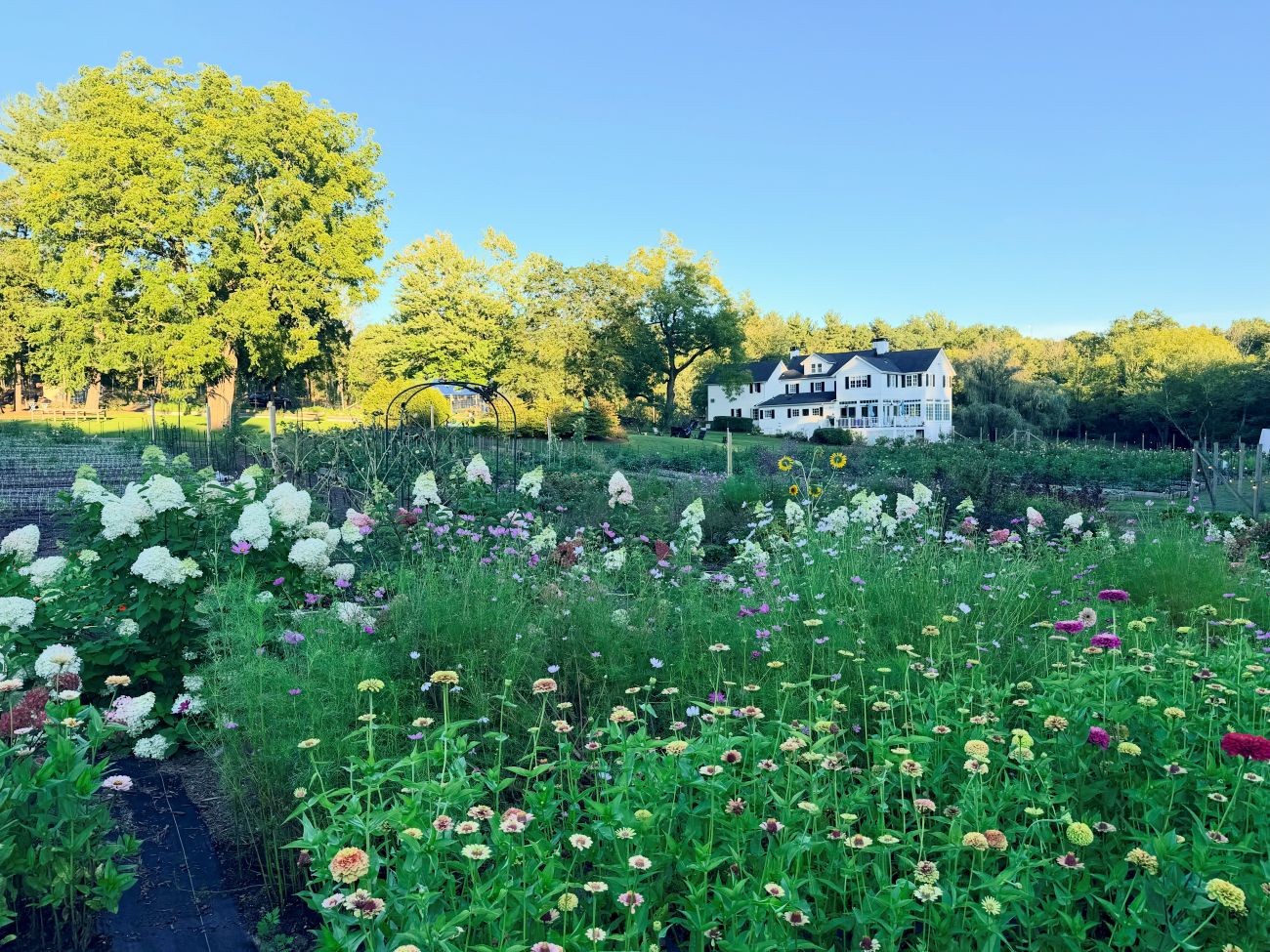
For now, the focus remains on the soil, the seasons, and the community. The success of Bewitching Blooms serves as a case study for the viability of small-scale, high-intensity agriculture. It proves that with the right combination of patience, labor, and a willingness to adapt to the whims of the environment, a forgotten plot of land can be transformed into a productive and profitable engine of local beauty.
As the industry continues to evolve, the lessons from Far Hills are clear: the future of agriculture may not lie in massive, industrial expansion, but in the hands of individuals like Laura Grimm, who are reclaiming the land one stem at a time. The shift toward local, sustainable, and human-scaled farming is not merely an economic trend—it is a reconnection with the land, a reclaiming of time, and, for the residents of New Jersey, a beautiful, blooming reality.
