

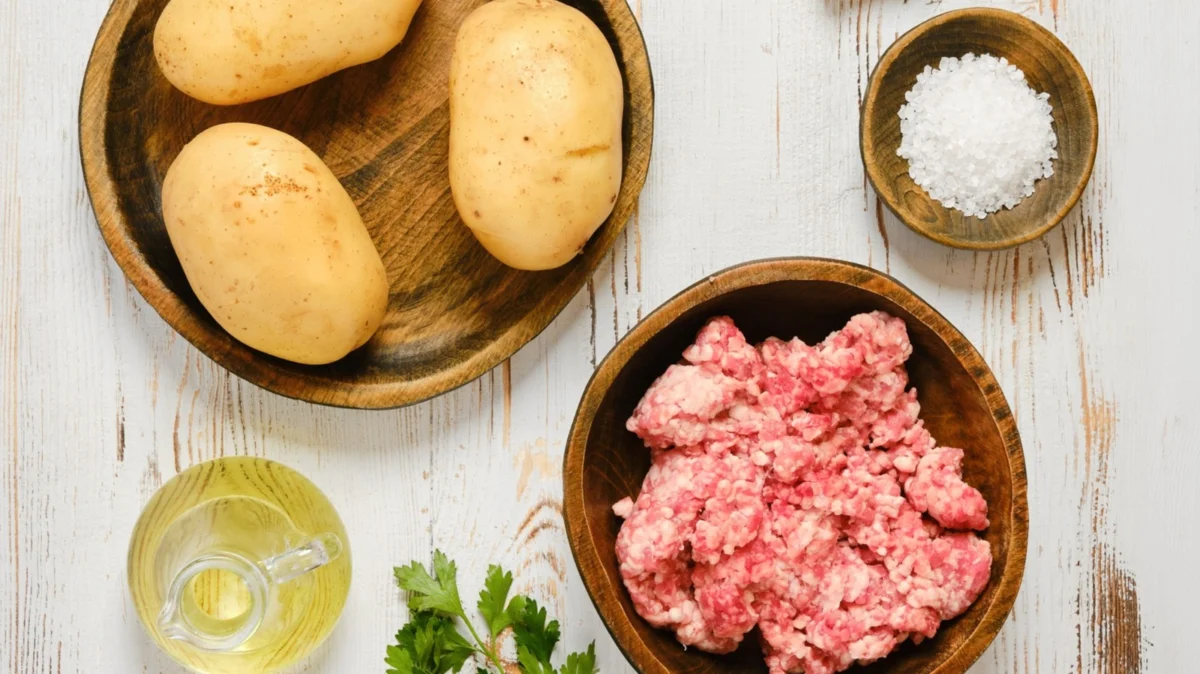
In the vast lexicon of global comfort food, few combinations possess the universal appeal of beef and potatoes. From the hearty shepherd’s pies of the British Isles to the rustic stews of the American frontier, the pairing is a culinary bedrock. However, when viewed through a distinctly French lens, this humble duo undergoes a transformation, evolving into hachis Parmentier—a dish that balances peasant-style frugality with the sophisticated, refined textures characteristic of French gastronomy.
Often misunderstood as a mere variation of the British cottage pie, hachis Parmentier is a sophisticated casserole that features seasoned ground beef—or slow-cooked shredded meat—crowned with a decadent, cheese-infused potato purée. As home cooks and professional chefs alike look to elevate their weeknight repertoire, this classic dish offers a masterclass in how simple, wholesome ingredients can be elevated through technique and tradition.
The Anatomy of a Classic: Main Facts and Culinary Profiles
At its core, hachis Parmentier is a study in textures. The base consists of high-quality ground beef, seared to develop a deep, caramelized crust, and then simmered in a complex aromatic foundation. Unlike its British counterparts, which often rely on gravy-heavy fillings, the French approach incorporates a mirepoix of carrots, onions, and garlic, elevated by the fragrant, piney notes of herbes de Provence.
The Beef Component
To achieve the characteristic depth of flavor, the beef is typically deglazed with a robust red wine, providing a necessary acidity to cut through the richness of the meat. A splash of beef stock and a dollop of high-quality Dijon mustard add layers of umami and tang. The result is a savory, concentrated base that serves as the perfect canvas for the creamy topping.
The Potato Crown
The signature element of the dish is the potato layer, which distinguishes hachis Parmentier from simpler meat-and-potato bakes. A true French mash for this dish is not merely boiled and crushed; it is enriched with egg yolks, heavy cream, and frequently a generous dusting of Parmesan. The final assembly involves spreading the meat in a shallow casserole, topping it with the velvet-smooth potato mixture, and finishing with a layer of shredded Gruyère. When subjected to the high heat of a 425-degree Fahrenheit oven, the cheese melts into a bubbling, golden-brown crust that provides a satisfying contrast to the creamy potatoes beneath.
A Historical Perspective: The Legacy of Antoine-Augustin Parmentier
To understand the cultural weight of the dish, one must look at the history of the potato in France. Throughout much of the 18th century, the potato was viewed with suspicion by the French public, often relegated to animal feed or considered a source of disease. It was the work of Antoine-Augustin Parmentier—a French pharmacist, nutritionist, and agronomist—that fundamentally shifted the national palate.
The Chronology of Acceptance
- 1770s: Following his time as a prisoner of war in Prussia, where he survived on a diet of potatoes, Parmentier returned to France convinced of the tuber’s nutritional density and potential to alleviate famine.
- 1780s: Parmentier launched a series of sophisticated public relations campaigns, including hosting high-society dinners where the potato was the star ingredient, effectively convincing the French aristocracy and, eventually, the peasantry of its value.
- Late 18th Century: The hachis (a French term for a minced dish) became the preferred vehicle for showcasing the potato, cementing Parmentier’s name in the culinary canon.
The dish effectively tracks the trajectory of French culinary history—a transition from a subsistence-based strategy of "using up leftovers" (the original intent of the hachis, which historically utilized leftover pot-au-feu meat) to a beloved staple found in both humble bistros and upscale dining rooms.
Culinary Flexibility: Modern Interpretations and Supporting Data
While tradition dictates a specific method, the modern kitchen has embraced the flexibility of the hachis Parmentier. Data from culinary surveys and restaurant trends suggest that while beef remains the primary choice for 78% of home cooks preparing the dish, there has been a significant rise in "luxury" iterations.
Diversifying the Protein
The flexibility of the dish allows for a range of protein substitutions that cater to contemporary dietary preferences:
- Duck Confit: A popular high-end variation, the inclusion of shredded duck adds a rich, gamey depth that pairs beautifully with a slightly lighter potato purée.
- Bison: For those seeking a leaner alternative to beef, bison provides a naturally sweet, delicate flavor profile that maintains the dish’s rustic integrity.
- Poultry: Ground turkey or chicken serves as a lighter, modern alternative, though chefs often compensate for the lack of fat by incorporating more aromatic herbs or intensified stock reductions.
The Science of the Spud
The success of the dish relies heavily on the choice of potato. Culinary research indicates that the starch content of the potato dictates the final mouthfeel of the topping. Yukon Golds are consistently cited as the superior choice for their natural buttery quality and creamy consistency. Conversely, Russets—with their high starch content—produce a lighter, fluffier texture that can be ideal for those who prefer a less dense mouthfeel.
Implications for Modern Home Cooking
The enduring popularity of hachis Parmentier offers a compelling case for the return to "slow-cook" principles in an era dominated by convenience food. The dish is inherently a "prepared in advance" meal, making it an excellent candidate for the modern lifestyle.
The "Leftover" Economy
In an era of rising food costs, the original philosophy of the hachis Parmentier—repurposing high-quality protein into a new, exciting dish—has regained relevance. By using a slow-cooked chuck roast or a leftover steak, home cooks can reduce food waste while creating a meal that feels indulgent rather than "recycled."
The Emotional Connection
Beyond the economics, the dish addresses a psychological need for "home." In the professional culinary world, this is often referred to as la cuisine de grand-mère (grandmother’s cooking). The act of layering, the bubbling of the cheese, and the communal nature of serving from a single vessel create an experience that transcends mere sustenance.
Official Perspectives: Why Chefs Return to the Hachis
Many contemporary French chefs view hachis Parmentier as a "technique test." While it appears simple, achieving the perfect balance of moisture in the meat and the ideal structural integrity of the potato topping requires precision.
According to professional culinary instructors, the "golden rule" of the hachis is to ensure the meat base is not too liquid. A watery filling will cause the potato topping to sink, ruining the desired aesthetic and texture. By carefully reducing the wine and stock before assembly, the chef ensures the structural integrity of the dish.
Furthermore, the choice of cheese is rarely debated in professional circles: Gruyère is the standard for its distinct nuttiness and superior melting qualities. Some variations include a mix of Comté or Emmental, but the emphasis remains on a cheese that provides a sharp contrast to the cream-based mash.
Conclusion: A Living Tradition
Hachis Parmentier stands as a testament to the idea that the best dishes are those that adapt to the times without losing their soul. From its origins as a revolutionary tool for potato advocacy to its current status as a global comfort food staple, it has remained relevant because it is inherently grounded in the principles of balance and flavor.
Whether one chooses to stick to the traditional preparation—a homage to the history of the dish—or experiments with modern proteins like duck or bison, the core experience remains the same. It is a dish that invites the cook to slow down, to respect the ingredients, and to participate in a culinary tradition that has warmed French homes for centuries. As we continue to navigate a fast-paced world, the humble hachis Parmentier serves as a delicious reminder that true luxury is often found in the simplest of pairings: the earthiness of a well-grown potato and the depth of a well-seasoned cut of meat.
