

In the world of home improvement, the bathroom has long been viewed as the most intimidating room to renovate. Traditionally, updating a bath meant weeks of demolition, dust, exorbitant labor costs, and the displacement of family members during construction. However, the paradigm is shifting. According to the National Kitchen & Bath Association (NKBA) 2026 Bath Trends Report, 64 percent of professional designers report that homeowners are increasingly prioritizing "micro-renovations" and targeted refreshes over full-scale, gut-level remodels.
This trend toward high-impact, low-effort upgrades allows homeowners to achieve a designer-curated aesthetic on a weekend budget. By focusing on intentional organization, hardware upgrades, lighting, and sensory details, you can transform a dated, cluttered bathroom into a sanctuary that feels both modern and deeply personal.
The Shift Toward Strategic Refreshes: Main Facts
The primary motivation behind the surge in bathroom refreshes is a combination of economic pragmatism and evolving design sensibilities. Homeowners are no longer viewing bathrooms solely as utilitarian spaces; they are increasingly treated as "at-home spas."
The data indicates that the "refresh" approach succeeds because it avoids the "hidden costs" of renovation—such as plumbing code updates, electrical rewiring, and structural repairs—that often plague total bathroom demolitions. By keeping the existing footprint and major utilities intact, homeowners can allocate their budget toward high-quality finishes and fixtures that offer the most significant visual return on investment.

Chronology of a Weekend Transformation
To achieve a professional result, efficiency is key. If you are planning a bathroom refresh, following a logical sequence ensures that your weekend remains productive rather than chaotic.
- Friday Evening: Preparation and Decluttering. Start by stripping the room of all toiletries, linens, and accessories. Clean every surface thoroughly. This is the time to assess the "bones" of the room and finalize your shopping list for new hardware or paint.
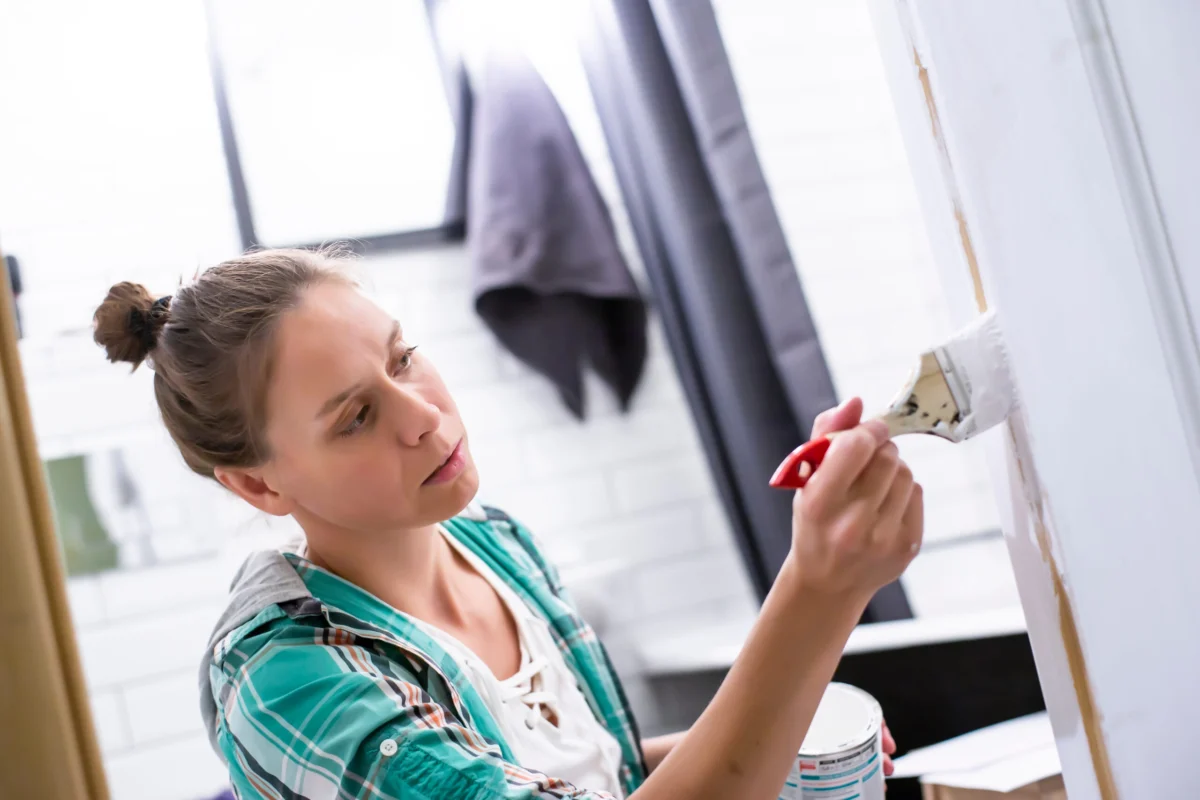
- Saturday Morning: Paint and Surface Prep. If you are painting the walls or the vanity, do this first. Painting requires time to dry and cure. Tackling this early allows the space to vent properly while you focus on other tasks.
- Saturday Afternoon: Hardware and Fixture Swaps. Once the paint is dry, replace your cabinet pulls, towel bars, and faucets. These details are the "jewelry" of the bathroom.
- Sunday Morning: Lighting and Storage. Install your new lighting fixtures or swap out bulbs. Assemble and install floating shelves or vanity organizers.
- Sunday Afternoon: Styling and Finishing Touches. Add your new textiles, essential oil diffusers, and decorative elements. By the end of the weekend, the room will be fully functional and ready for use.
Supporting Data: Why Small Changes Matter
Design experts consistently point to "visual noise" as the primary culprit for a bathroom feeling dated or cramped. Alan Solis, CEO of Solis Painting in Springfield, New Jersey, notes that the psychological impact of a clear surface cannot be overstated. "By clearing countertops, taking unused products out of the equation, and reducing what is on display, you are instantly making it feel cleaner and more spacious," Solis explains.
Furthermore, industry research suggests that lighting and fixtures are the two most influential variables in perceived home value. A dated chrome faucet from the 1990s can make an entire vanity look old, even if the wood is in excellent condition. Conversely, replacing that faucet with a modern matte black or brushed nickel finish updates the entire focal point of the room.
Expert Perspectives and Official Recommendations
Design professionals emphasize that professional results are rarely about the most expensive materials, but rather the most intentional ones.

On Lighting
Craig Gritzen, founder and principal designer at Curated Style Collective in Salt Lake City, Utah, highlights the importance of light temperature. "Consider upgrading light bulbs in your bathroom fixtures to switch-color white LED bulbs that toggle between daylight for grooming (6000K) and warm light for relaxing (3000K)," he suggests. This simple technical change allows the bathroom to serve dual purposes: a functional space for morning routines and a dim, atmospheric retreat for evening relaxation.
On Fixtures and Utility
Paul McManus, president of McManus Kitchen and Bath in Tallahassee, Florida, advocates for functional upgrades that enhance the user experience. "Replacing your showerhead is very easy and affordable; it boosts the look of the bathroom, saves water, and improves the experience," says McManus. He suggests dual-function models, like the Delta In2ition line, which provide the luxury of a handheld shower without requiring a plumber to alter the behind-the-wall infrastructure.
On Color Theory
The choice of paint is the most dramatic lever a homeowner can pull. Experts currently favor "grounding earth tones"—muted greens, deep blues, and soft, warm whites. These colors are scientifically proven to lower cortisol levels, making them ideal for a space dedicated to self-care.
Implications for Future Home Value
While these upgrades are budget-friendly, their impact on property value is significant. A bathroom that looks "cared for" communicates to potential buyers that the rest of the home has been maintained with similar attention to detail.

Moreover, by focusing on timeless hardware and neutral, high-quality paint, you ensure that your design choices remain relevant for years to come. Trends like "spa-like textures"—using plush, high-GSM (grams per square meter) towels and bamboo bath mats—are not just for personal enjoyment; they create a cohesive narrative of luxury that is highly attractive in the real estate market.
The Sensory Experience: Beyond the Visual
A bathroom is unique in that it engages all five senses. The final step in any successful refresh is the introduction of scent and touch.
- Scent: The olfactory system is directly linked to the brain’s emotional center. Using a diffuser with eucalyptus or lavender essential oils can instantly shift a room’s atmosphere from "functional" to "Zen."
- Texture: Incorporating soft robes on wall-mounted hooks, thick cotton bath towels, and textured stone or woven accessories provides the tactile feedback necessary for a truly relaxing environment.
- Sound: If space allows, a small, moisture-resistant Bluetooth speaker can round out the experience, allowing you to curate an auditory environment that completes the spa transformation.
Conclusion: The Power of the Weekend
You do not need a demolition crew to reclaim your bathroom. By leveraging the principles of decluttering, strategic hardware upgrades, and thoughtful lighting, you can create a high-end experience that serves your needs today and adds value to your home for tomorrow.
The 2026 trend toward smaller, intentional updates is more than just a cost-saving measure—it is a recognition that our homes are most effective when they reflect our personal needs for calm, clarity, and comfort. Whether you tackle all five projects this weekend or choose to focus on just one, the process of refreshing your space is an investment in your daily well-being. By following these professional guidelines, you can ensure that your DIY efforts yield a result that feels not just "done," but designed.
