

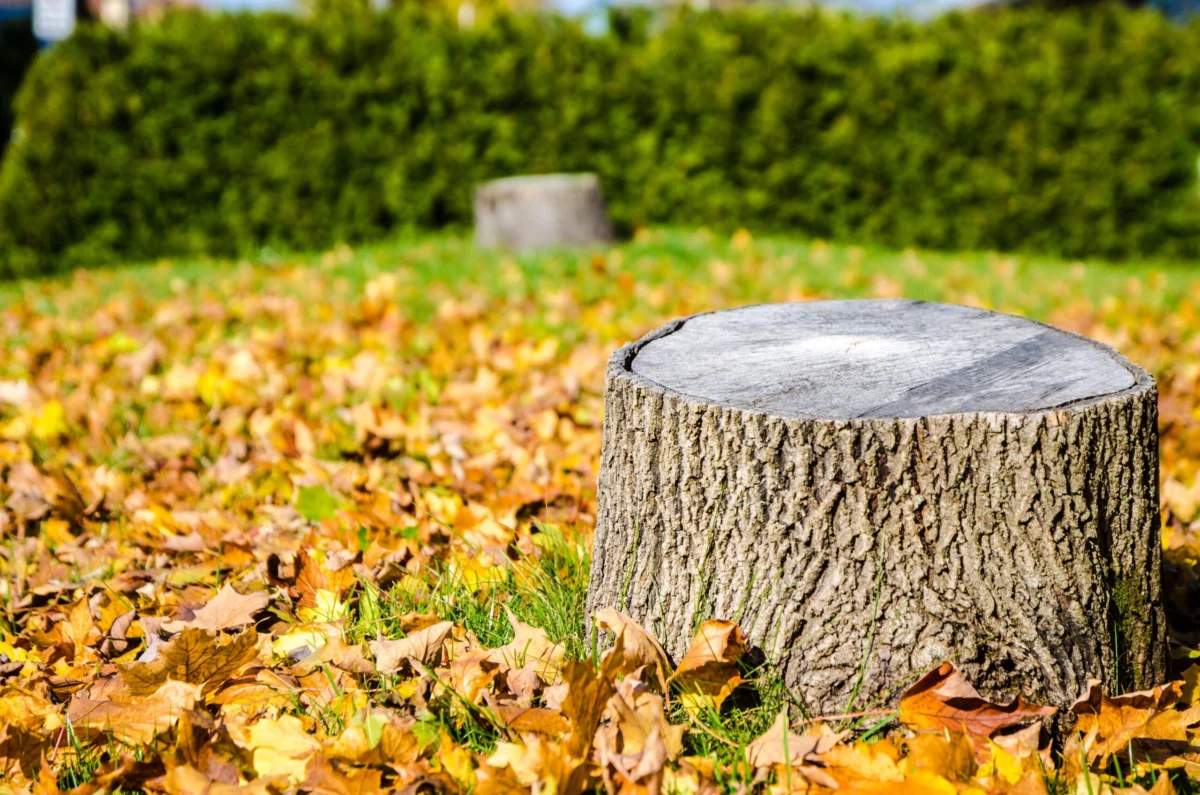
When a tree is removed from a residential landscape, the task is rarely finished the moment the trunk hits the ground. For many homeowners, the visual void left by a standing tree is merely the beginning of an ongoing maintenance challenge. Whether you have just cleared a hazardous oak or are finally addressing the remnants of a storm-damaged pine, failing to address the remaining stump is a common oversight that can lead to significant structural and biological consequences.
From the silent, slow-motion destruction of underground infrastructure to the sudden arrival of invasive pests, a neglected stump is not just an eyesore—it is a lingering liability. Understanding how to properly kill or remove a stump is an essential skill for any property owner interested in maintaining the long-term health and integrity of their home and garden.
The Case for Removal: Why Stumps Are More Than Just Eyesores
While it is easy to view a tree stump as a static piece of wood, arborists and landscapers view it as a biological "launchpad." Even after the canopy is gone, the root system remains active, often continuing to draw moisture and nutrients from the soil for months or even years.
"Old stumps attract pests, harbor fungi, and become tripping hazards," explains Melissa Rolston, Chief Strategy Officer at Paramount Landscaping. "Removing them protects your soil, prevents infestation, and keeps your yard design intentional."
The risk of pest infestation is particularly concerning. Stumps act as a magnet for wood-boring insects, including termites and carpenter ants. Once these colonies establish themselves in the decaying wood of a stump, they frequently migrate toward nearby healthy trees, shrubs, and, in many cases, the wooden structural elements of your home. Furthermore, the fungal pathogens that colonize decaying stumps can spread through the root network, infecting the root systems of neighboring healthy trees and leading to widespread garden decline.
The Hidden Danger: Underground Infrastructure
Perhaps the most critical reason to address a stump is the threat it poses to your home’s subterranean architecture. Most homeowners are aware of the damage living trees can cause to pipes, but they often incorrectly assume that cutting the tree down ends the threat.

"Homeowners usually focus on what’s sitting aboveground, but the real risk is what the roots are doing underneath," says Emily Demirdonder, co-founder of Proximity Plumbing. "Live roots keep growing for months after removal. The tree above is dead, but the root network below is still very much active."
Roots are highly sensitive to moisture gradients. They will grow toward sewer and water lines, infiltrating through tiny joints or cracks. As these roots expand inside the pipes, they cause gradual, often invisible, structural failure. If a stump is located within three meters of a drain line, professional intervention for full root removal is strongly advised.
Preliminary Assessment: Sizing Up the Job
Before selecting a removal method, it is vital to perform a diagnostic evaluation of the stump. According to Sara Gottlieb, founder of Liminal Gardens, the diameter of the stump is the most important factor in determining your approach.

- Small Stumps (Under 12 inches in diameter): These can often be removed manually with a shovel, pickaxe, and a significant amount of "elbow grease."
- Medium Stumps (12–30 inches): These require a balance of budget and patience. Chemical or manual methods are common here.
- Large Stumps (Over 30 inches): These are often too massive for DIY extraction and may require professional stump grinding or chemical intervention to ensure they are fully "killed" so they stop siphoning resources.
Always remember to assess the "root flare" and surface roots, which add to the total footprint of the project.
Proven Methodologies for Stump Elimination
1. The Chemical Approach: Efficiency with Caution
For many, the use of targeted herbicides is the most effective way to eliminate a stump without the need for heavy machinery. Herbicides containing potassium nitrate or triclopyr can be applied directly to the stump to accelerate decomposition and prevent regrowth.
- Process: Cut the stump as low as possible, drill vertical holes 8–10 inches deep into the wood, pour the herbicide into these reservoirs, and add a small amount of water to activate the chemicals.
- Safety Note: Always use protective gear and ensure the area is cordoned off from children and pets. Covering the stump with a dark, heavy-duty tarp helps retain heat and moisture, which accelerates the breakdown process.
2. Mechanical Removal: The Stump Grinder
If time is of the essence, mechanical grinding is the gold standard. A stump grinder uses a high-speed rotating cutting wheel to chip away the wood below the soil surface.

"Our preferred method of removal is to grind the stump," says Benjamin Hanley of Hanley Landscape Design. "A grinder can be used to remove it below grade with minimal site disturbance."
While this is the fastest method—often clearing a large stump in a few hours—it is also the most expensive. Rentals typically cost between $300 and $500, and the equipment requires a degree of mechanical proficiency to operate safely.
3. The Fire Method: A Low-Impact Alternative
For stumps located in remote areas of a property where machinery cannot reach, controlled burning can be an effective, albeit hazardous, solution. This involves drilling a central hole and several lateral air-flow holes, then using a small amount of fuel and cotton fabric to initiate an internal burn.

- Critical Safety: This method requires constant supervision. You must have a fire extinguisher on hand, clear the surrounding area of all dry brush, and ensure no overhanging branches are present.
4. The "Natural" Decomposition Path
For those who are not in a hurry and wish to avoid harsh chemicals or high costs, the natural method is the most environmentally friendly. This involves drilling holes and filling them with Epsom salts or rock salt.
"This process is slow, taking 6 to 12 months, but is nontoxic and requires very little labor," says Michael Clarke of Yardwork. Over time, the salt draws moisture out of the wood, drying it out and facilitating natural decay until the stump becomes soft enough to break apart with a shovel.
Implications and Professional Advice
Regardless of the method chosen, there are universal rules to follow. Sal Bracale, president of Moon Valley Nurseries, emphasizes the importance of safety above all else.

"Always call utility companies before you dig; this is the best advice I would give," Bracale notes. Furthermore, he warns against "brute force" methods, such as hooking a chain to a truck to rip the stump out. This can cause the chain to snap or recoil, potentially causing catastrophic damage to property or severe personal injury.
Frequently Asked Questions
Can a tree grow back?
Yes. Certain species, such as oak, willow, and maple, are capable of "coppicing"—sending up new shoots from the stump or root system. If you want to ensure the tree is gone for good, the stump must be chemically treated or mechanically destroyed.
What about "household" killers?
While bleach or vinegar can be poured into drilled holes to help kill a stump, they are often less effective than specialized herbicides. Warning: Never mix bleach and vinegar; the chemical reaction produces chlorine gas, which is toxic.

When should I just leave it?
If a stump is not near utility lines, does not attract pests, and is not a safety hazard, it can be repurposed. Many landscape designers suggest incorporating stumps into the garden as a natural pedestal for potted plants, a rustic bench, or a focal point for moss and fern plantings.
Conclusion
The decision to remove a tree is rarely just about the tree itself—it is about the future of your property. By evaluating the size of the stump, the proximity to your home’s infrastructure, and your own tolerance for labor or wait times, you can choose the right path for your yard. Whether you opt for the swift precision of a stump grinder or the slow, eco-conscious process of natural decomposition, the key is to take action. A well-managed landscape is one where every element, even the ones left behind, serves the health and longevity of your home.
