

New Jersey’s leading health systems are pushing the boundaries of medical care with the recent introduction of groundbreaking technologies aimed at enhancing patient outcomes, expanding treatment options, and improving the overall healthcare experience. Atlantic Health, Englewood Health, and Valley Health System are at the forefront of this wave of innovation, each unveiling significant advancements in areas ranging from advanced cancer treatment and chronic disease management to complex cardiac procedures and non-invasive neurological interventions.
These new technologies represent a substantial leap forward in how New Jersey residents will receive specialized care, offering more precise, less invasive, and ultimately, more effective treatment pathways. NJBIZ has been closely following these developments, and this report delves into the specifics of these remarkable launches, exploring their impact on patients and the broader healthcare landscape.
Advancing Cancer Care and Chronic Disease Management: Atlantic Health System’s Dual Innovations
Atlantic Health System has distinguished itself with two significant technological integrations, demonstrating a commitment to both oncology and the management of complex autoimmune conditions.
Precision Oncology with the TrueBeam System
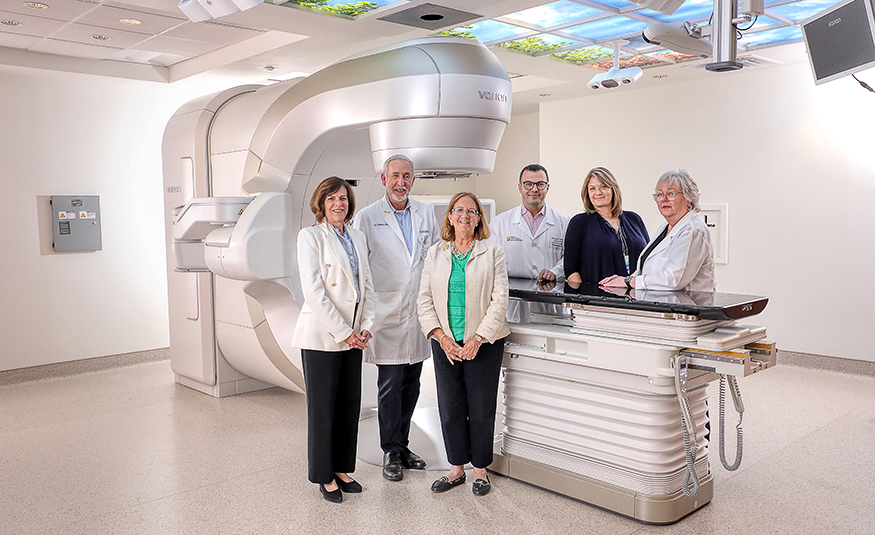
At the Statesir Cancer Center within Atlantic Health CentraState Medical Center in Freehold, a pivotal enhancement has been made to its radiation oncology capabilities with the addition of the TrueBeam photon therapy system. This state-of-the-art technology, developed by Siemens Healthineers’ Varian company, promises to revolutionize cancer treatment for patients across Monmouth County and beyond.
The TrueBeam system utilizes high-energy X-rays to deliver highly targeted radiation precisely to cancerous tumors. A key advantage of this technology lies in its ability to simultaneously monitor and compensate for tumor movement during treatment. This dynamic approach ensures that radiation is delivered with unparalleled accuracy, effectively destroying cancer cells while meticulously preserving surrounding healthy tissues. This preservation of healthy tissue is crucial in minimizing side effects and improving the quality of life for patients undergoing treatment.
The versatility of the TrueBeam system is extensive, capable of treating a wide spectrum of brain and body tumors. This includes cancers of the breast, lung, prostate, head and neck, as well as pelvic, spinal, and abdominal malignancies.
Dr. Alexander Itskovich, medical director of the Statesir Cancer Center, articulated the transformative potential of this new system. In an announcement on September 14th, he stated, "The TrueBeam platform enables enhanced imaging and faster, individualized treatment delivery, which helps clinicians to target tumors with greater precision – sparing healthy tissue – while improving patient comfort and convenience." This sentiment underscores the system’s dual benefit: clinical efficacy and patient-centric care. The enhanced imaging capabilities allow for real-time visualization of the tumor, ensuring that treatment remains on target even if the patient breathes or shifts slightly. The speed of delivery also means shorter treatment sessions, which can be a significant comfort factor for patients undergoing lengthy courses of radiation therapy.
Neuromodulation for Rheumatoid Arthritis: The SetPoint System
In parallel, Atlantic Health has also emerged as a pioneer in the treatment of rheumatoid arthritis (RA) through the introduction of the SetPoint System at Overlook Medical Center in Summit. Notably, Overlook Medical Center became the first hospital in New Jersey to implement this groundbreaking device earlier this year.
Rheumatoid arthritis is a chronic autoimmune disease that can lead to debilitating joint pain, swelling, and progressive joint damage. Traditional treatments often focus on managing inflammation and symptoms, but the SetPoint System offers a novel approach by targeting the body’s own healing mechanisms.
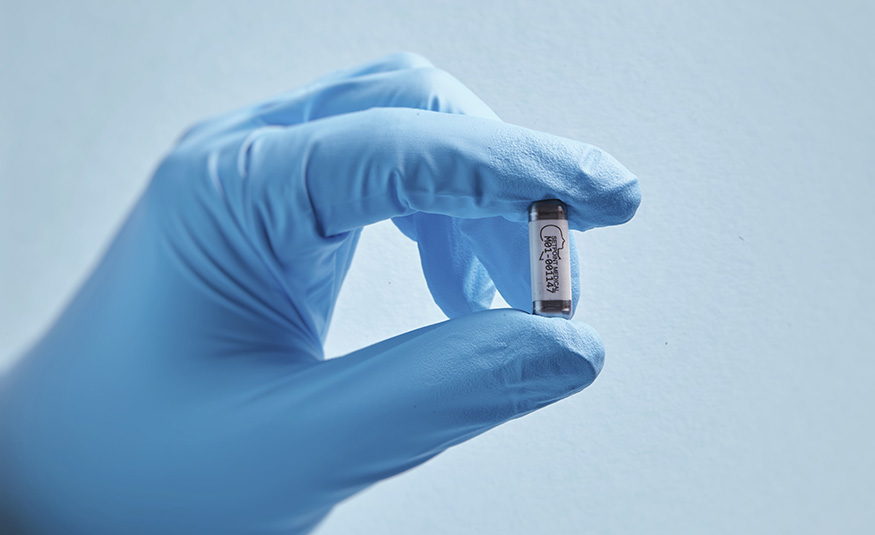
The SetPoint System, developed by SetPoint Medical, is a small, implanted device that employs neuromodulation. This innovative technology works by stimulating the vagus nerve, a critical component of the autonomic nervous system. This stimulation, in turn, activates the body’s innate anti-inflammatory pathways, helping to regulate the immune response and reduce the chronic inflammation characteristic of RA.
Atlantic Health detailed in a September 28th announcement that the device is surgically implanted and designed for long-term use. The vagus nerve plays a central role in regulating various bodily functions, including inflammation. By precisely stimulating this nerve, the SetPoint System aims to rebalance the body’s inflammatory signals, offering a potential new avenue for disease modification and symptom relief.
The first device implantation was performed in February by Dr. Ronald Benitez, a neurosurgeon and Atlantic Health’s medical director of endovascular neurosurgery. His involvement highlights the multidisciplinary expertise required to bring such advanced treatments to patients. Further underscoring the growing adoption of this technology, AtlantiCare Regional Medical Center in Atlantic City has also begun utilizing the device, as reported by SetPoint Medical.
Dr. Benitez expressed enthusiasm for the system’s potential, stating, "SetPoint is an excellent example of how neuromodulation can unlock the ability to heal and restore patients simply by stimulating important nerves in the body. It’s also a game-changer for patients diagnosed with rheumatoid arthritis." This quote emphasizes the paradigm shift that neuromodulation represents – moving beyond symptomatic management to potentially influencing the underlying biological processes of chronic disease. The implications for patients seeking alternatives or adjuncts to existing RA treatments are significant, offering hope for improved disease control and a better quality of life.
Revolutionizing Cardiac Care: Englewood Health’s First Transcatheter Mitral Valve Replacement
Englewood Health has made a significant stride in cardiovascular medicine with the successful performance of its first transcatheter mitral valve replacement (TMVR). This achievement positions Englewood Hospital as the first in Bergen County to offer this minimally invasive procedure, marking a critical advancement for patients suffering from severe mitral valve disease.
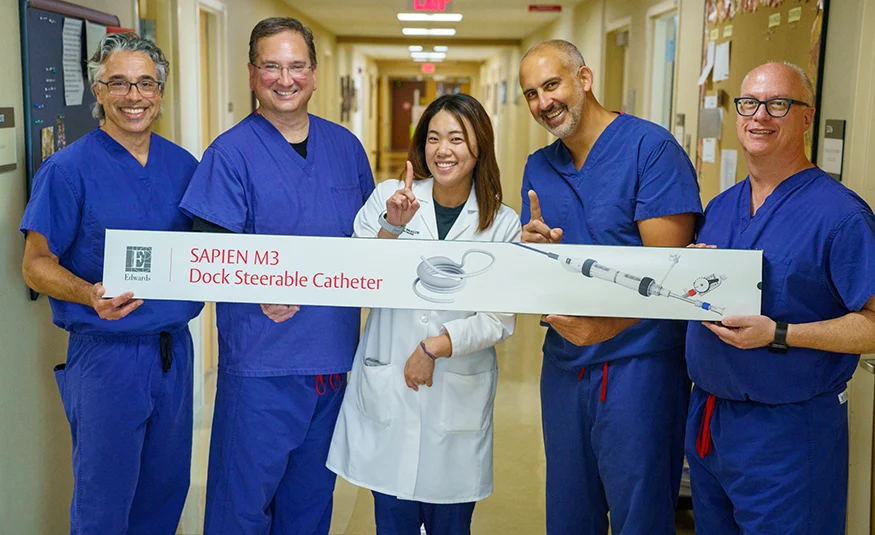
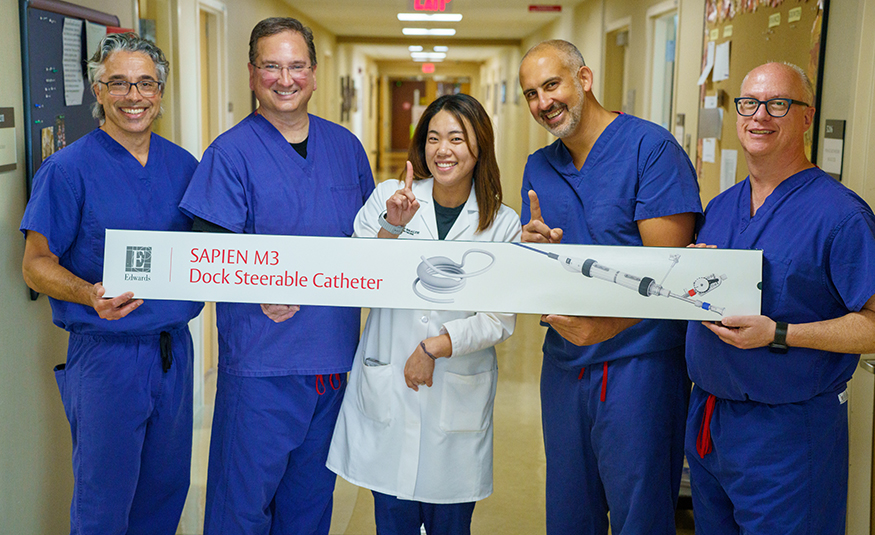
The heart team at Englewood Hospital successfully performed the complex TMVR procedure using the SAPIEN M3 transcatheter mitral valve replacement system, a product of Edwards Lifesciences. This innovative technique allows physicians to replace a diseased mitral valve without the need for traditional open-heart surgery. Instead, the new valve is delivered via a catheter, typically inserted through a vein in the leg.
The mitral valve is a crucial component of the heart, responsible for ensuring that blood flows in the correct direction through the four chambers. Malfunctions, such as mitral regurgitation – where the valve does not close properly, leading to blood leaking backward – can significantly impact heart function and lead to symptoms like shortness of breath, fatigue, and fluid retention.
Dr. Ramin Hastings, medical director of the Structural Heart and Valve Program at Englewood Hospital, highlighted the impact of this new procedure. "TMVR opens a new door for patients with severe mitral valve disease," he stated. This statement signifies the expanding treatment options available for a condition that previously often required high-risk surgical interventions. The ability to perform this procedure minimally invasively translates to reduced recovery times, lower complication rates, and improved patient comfort compared to open-heart surgery.
The announcement on October 6th also showcased the dedicated team behind this success, including Dr. Bernard Baez, Dr. William Lyons, advanced practice nurse Anna Ha, Dr. Ramin Hastings, and Dr. Adam Arnofsky. Their collective expertise in structural heart disease and interventional cardiology was instrumental in bringing this cutting-edge technology to the region. The successful implementation of TMVR at Englewood Health not only benefits patients in Bergen County but also sets a precedent for advanced cardiac care within the broader New Jersey healthcare network.
Precision in Neurological Treatment: Valley Health System’s Elekta Esprit and Advanced Pain Management
Valley Health System has embraced two distinct technological advancements, bolstering its capabilities in both complex neurological treatments and non-invasive pain management.
State-of-the-Art Radiosurgery for Brain Conditions: The Elekta Esprit
On September 28th, The Valley Hospital in Paramus unveiled its new Elekta Esprit, a cutting-edge Leksell Gamma Knife stereotactic radiosurgery system. This acquisition positions Valley Health as the first health system in New Jersey to acquire the Esprit model, a testament to their commitment to providing leading-edge neurological care.
The Elekta Esprit is designed for the highly precise, non-invasive treatment of tumors and other conditions within the brain and skull. Unlike traditional surgery, Gamma Knife radiosurgery delivers focused beams of radiation to the target area with exceptional accuracy, sparing surrounding healthy brain tissue. This technology represents a significant advancement over conventional surgical approaches, particularly for lesions located in or near critical brain structures.
The Esprit system replaces the Elekta Icon at Valley’s Gamma Knife Center, signifying an upgrade in precision, efficiency, and patient experience. Gamma Knife radiosurgery is typically performed as an outpatient procedure, allowing most patients to return home on the same day, minimizing disruption to their lives and reducing the risks associated with prolonged hospitalization.
Dr. Rupa Juthani, neurosurgeon and co-medical director of The Valley Gamma Knife Center, emphasized the system’s precision: "The Esprit gives us an exceptional level of control and consistency, which is essential when treating lesions located close to critical areas responsible for movement, speech, or vision." This precision is paramount in neurosurgery, where even minor deviations can have significant consequences.
Dr. Chad DeYoung, radiation oncologist and co-medical director, further elaborated on the patient benefits, stating, "for patients, the technology means fewer risks, shorter recovery times and the ability to return to daily life sooner than with other treatments." This highlights the patient-centric advantages of Gamma Knife radiosurgery, offering a less invasive and more expeditious path to recovery. The ability to treat complex neurological conditions with such precision and minimal invasiveness marks a significant milestone in neurological care for the region.
Focused Shockwave Therapy for Pain Relief
In addition to its advancements in neurosurgery, Valley Health System also expanded its pain management offerings through its Valley Medical Group. On September 30th, the Physical Medicine and Rehabilitation team announced the availability of focused shockwave therapy as part of its outpatient sports medicine services.
This noninvasive treatment is designed to provide significant pain relief for a range of musculoskeletal and orthopedic conditions. The therapy can also serve as an alternative to pain medication, offering a drug-free approach to managing chronic pain.
The focused shockwave therapy is administered using a handheld device that delivers controlled pressure waves to the tissues beneath the skin. These pressure waves are intended to stimulate healing processes, reduce pain, and promote tissue repair and regeneration. This technology is particularly beneficial for conditions such as tendinopathies, plantar fasciitis, and other localized areas of chronic pain.
Dr. Jack Annunziato, medical director of ambulatory physical medicine and rehabilitation services for Valley Medical Group, and his team are performing this therapy at VMG – Physical Medicine and Rehabilitation in Ridgewood. The introduction of this therapy expands the non-surgical treatment options available to patients experiencing musculoskeletal pain, offering a less invasive and potentially more effective approach to recovery and pain management.
Implications and Future Outlook
The recent launches by Atlantic Health, Englewood Health, and Valley Health System underscore a dynamic and evolving healthcare landscape in New Jersey. These advancements are not merely technological upgrades; they represent a fundamental shift towards more personalized, precise, and patient-centered care.
For patients, these innovations translate to:
- Improved treatment efficacy: More targeted therapies mean better outcomes in treating complex diseases.
- Reduced invasiveness: Minimally invasive procedures lead to faster recovery times, less pain, and lower risks of complications.
- Enhanced patient comfort: Shorter treatment durations and less disruptive procedures contribute to a better overall patient experience.
- Expanded access to specialized care: Bringing cutting-edge technologies to regional hospitals ensures that more New Jersey residents can access advanced treatments without needing to travel long distances.
For the healthcare system, these developments signal:
- A commitment to innovation: Health systems are investing in the future of medicine, staying at the forefront of technological advancements.
- Multidisciplinary collaboration: The successful implementation of these technologies often requires the expertise of various medical specialties, fostering stronger interdisciplinary teams.
- A focus on value-based care: By improving outcomes and reducing complications, these technologies can contribute to more efficient and cost-effective healthcare delivery in the long run.
- Regional leadership: New Jersey is solidifying its position as a hub for advanced medical care, attracting patients and top medical talent.
The continuous introduction of such sophisticated medical technologies by leading health systems in New Jersey highlights a promising future for healthcare in the region. As these systems continue to integrate and refine these innovations, patients can anticipate a higher standard of care, offering renewed hope and improved quality of life for those facing serious health challenges. The commitment to embracing and deploying these advanced tools is a clear indicator of New Jersey’s dedication to pioneering the next generation of medical excellence.
