

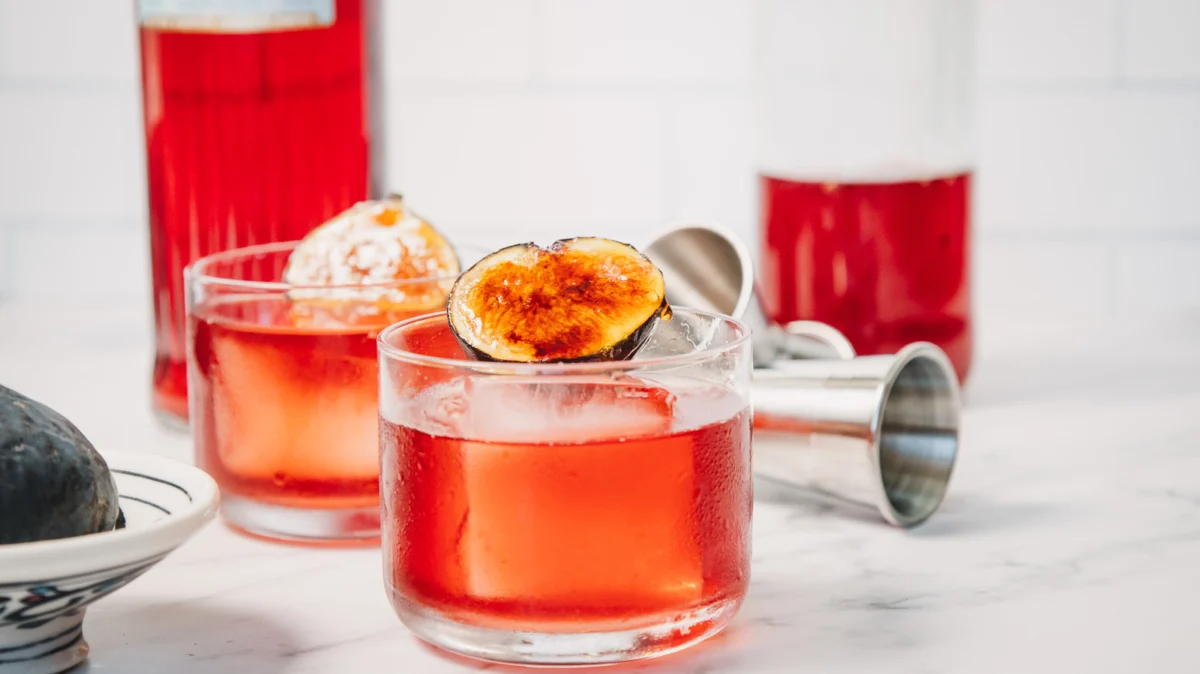
The Negroni is perhaps the most iconic “three-ingredient” cocktail in the history of mixology. A perfect, symmetrical marriage of equal parts gin, Campari, and sweet vermouth, it is a drink defined by its structural integrity and its unapologetic bitterness. However, even the most legendary classics invite reinvention. For the modern home bartender, the transition into the cooler months of autumn offers a unique opportunity to soften the sharp edges of this Italian staple. By introducing the earthy, jammy sweetness of figs and the aromatic depth of vanilla, one can transform the Negroni into a seasonal masterpiece that captures the essence of fall.
The Anatomy of the Fig-Infused Negroni: Main Facts
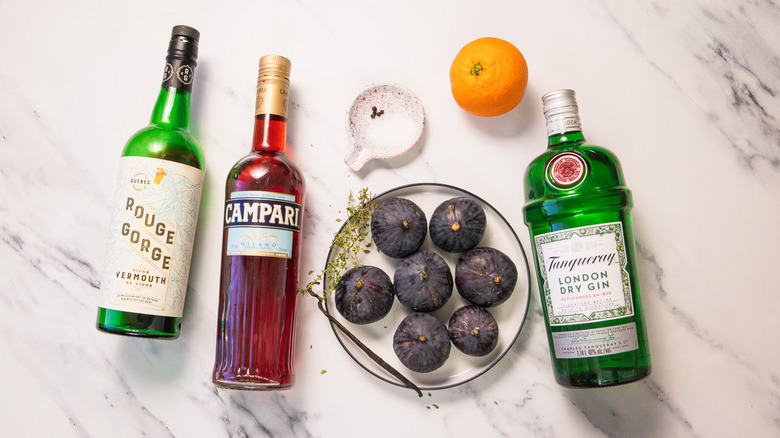
At its core, this variation relies on a custom-infused gin. The base spirit is steeped with fresh figs, split vanilla beans, black peppercorns, fresh thyme, and strips of orange peel. This process does not merely add flavor; it fundamentally alters the profile of the gin, grounding the juniper’s piney brightness with the dark, honeyed notes of autumn fruit and the floral warmth of vanilla.
The inclusion of black peppercorns and fresh thyme is essential. While figs provide the sweetness, the peppercorns offer a necessary piquant counterpoint, and the thyme provides an herbaceous backbone that prevents the drink from becoming cloying. When combined with the bitter, herbal complexity of Campari and the rich, fortified sweetness of Italian vermouth, the result is a sophisticated cocktail that feels both familiar and entirely new.
A Chronological Approach to Crafting the Perfect Infusion
The hallmark of a truly great infusion is patience. While modern techniques allow for accelerated flavor extraction, there is an undeniable quality to the slow-steep method that produces a more refined, balanced spirit.
Phase 1: The Foundation (Days 1–3)
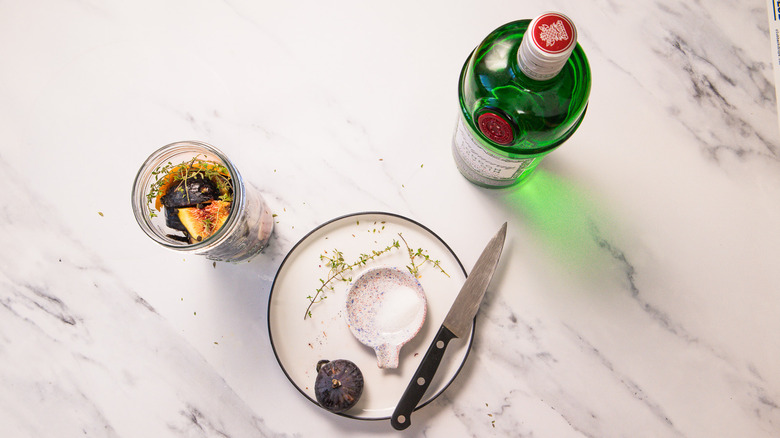
The process begins with selecting high-quality, ripe figs. You will need a wide-mouthed quart jar to accommodate the ingredients. Add your fresh figs (halved to expose the interior), a split vanilla bean, a tablespoon of whole black peppercorns, several sprigs of fresh thyme, and the zest of a medium orange. Pour in your chosen gin—ideally a robust London Dry style—until the jar is full.
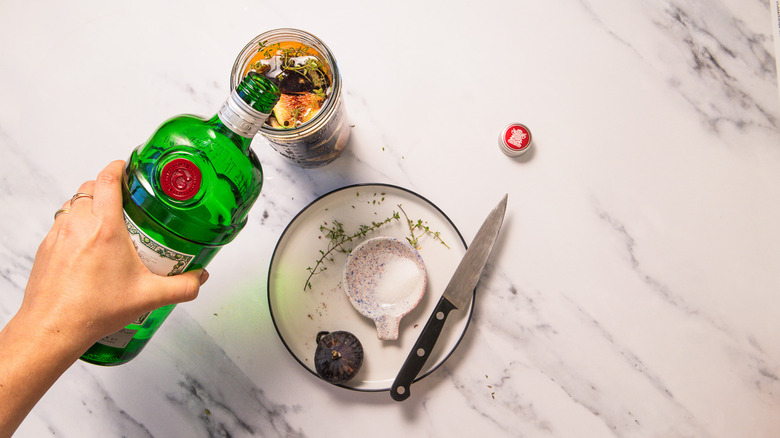
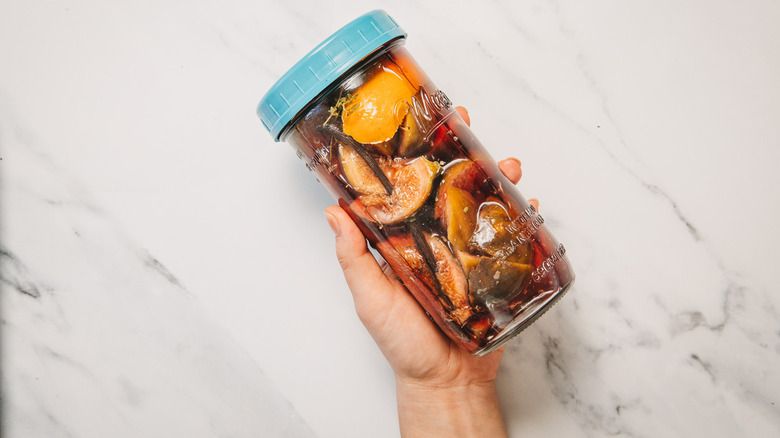
Seal the container tightly and place it in the refrigerator. The cold temperature ensures that the delicate essential oils in the herbs and the volatile compounds in the vanilla are extracted slowly, preventing the "cooked" or medicinal flavor that can occur when infusing at room temperature. Shaking the jar once daily is vital; it ensures that the ingredients are redistributed, allowing the gin to circulate through the fruit and spices.
Phase 2: The Transformation (The Straining Process)
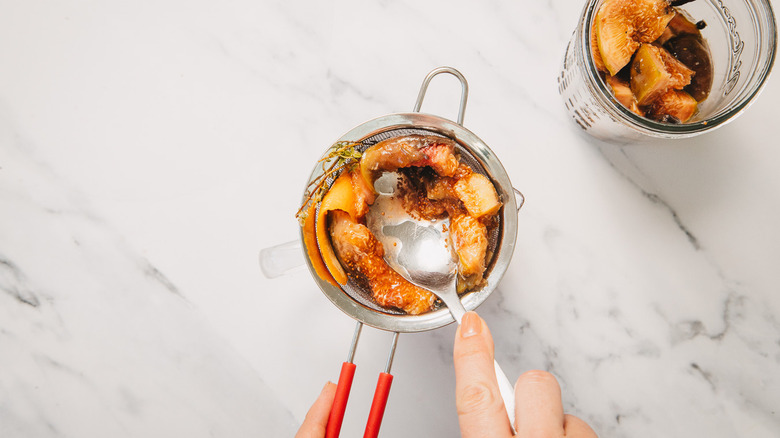
After three to five days, the gin will have taken on a pale, amber hue and a heady, complex aroma. At this stage, use a fine-mesh strainer lined with cheesecloth to remove the solids. Press firmly on the figs and herbs to extract every drop of flavor-infused liquid. The remaining solids should be discarded. The resulting spirit is now a bespoke ingredient, ready to be bottled and stored for future use.
Phase 3: The Assembly (The Final Cocktail)
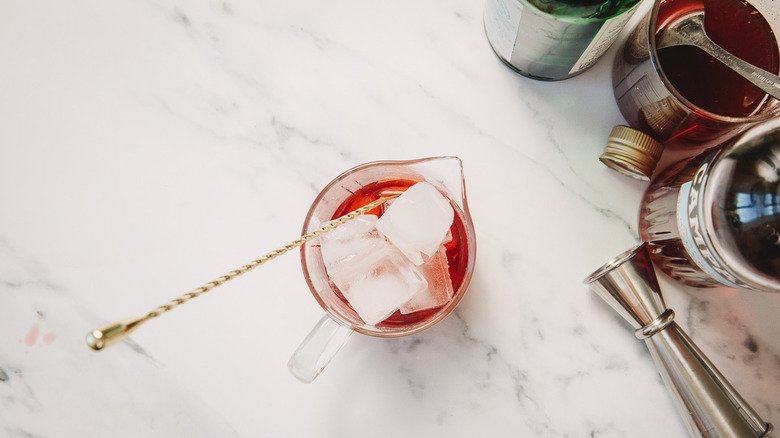
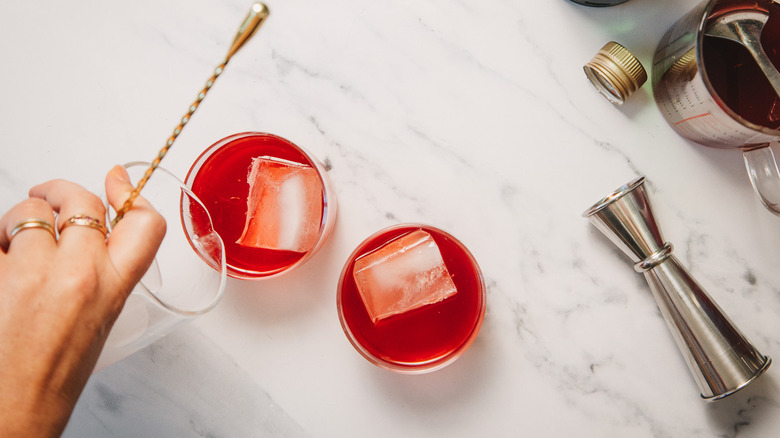
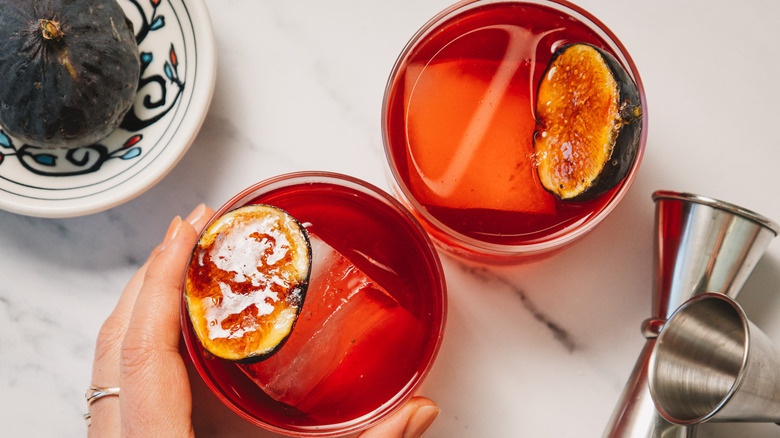
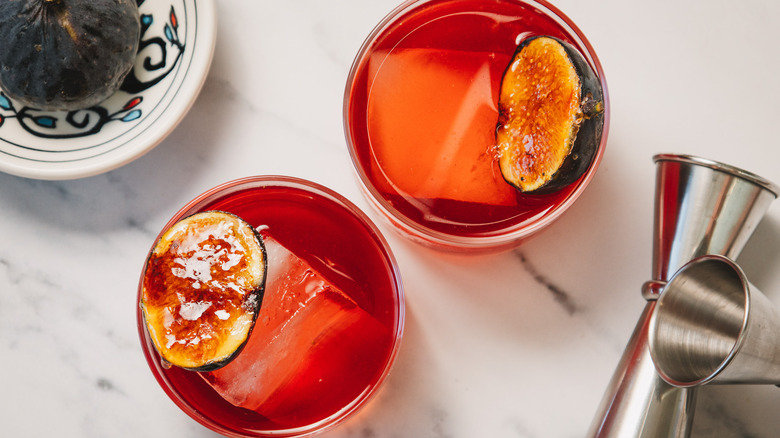
Building the drink requires the same precision as a classic Negroni. In a mixing glass filled with ice, combine equal parts (typically 1 ounce each) of your fig-infused gin, Campari, and sweet vermouth. Stir the mixture for 30 seconds. This is a critical step; stirring serves to dilute the alcohol slightly and bring the drink to the perfect temperature without introducing the aeration that comes from shaking, which would cloud the clarity of the drink. Strain into a rocks glass over a large, singular ice cube to ensure slow dilution.
The Sensory Finale: The Brûléed Garnish
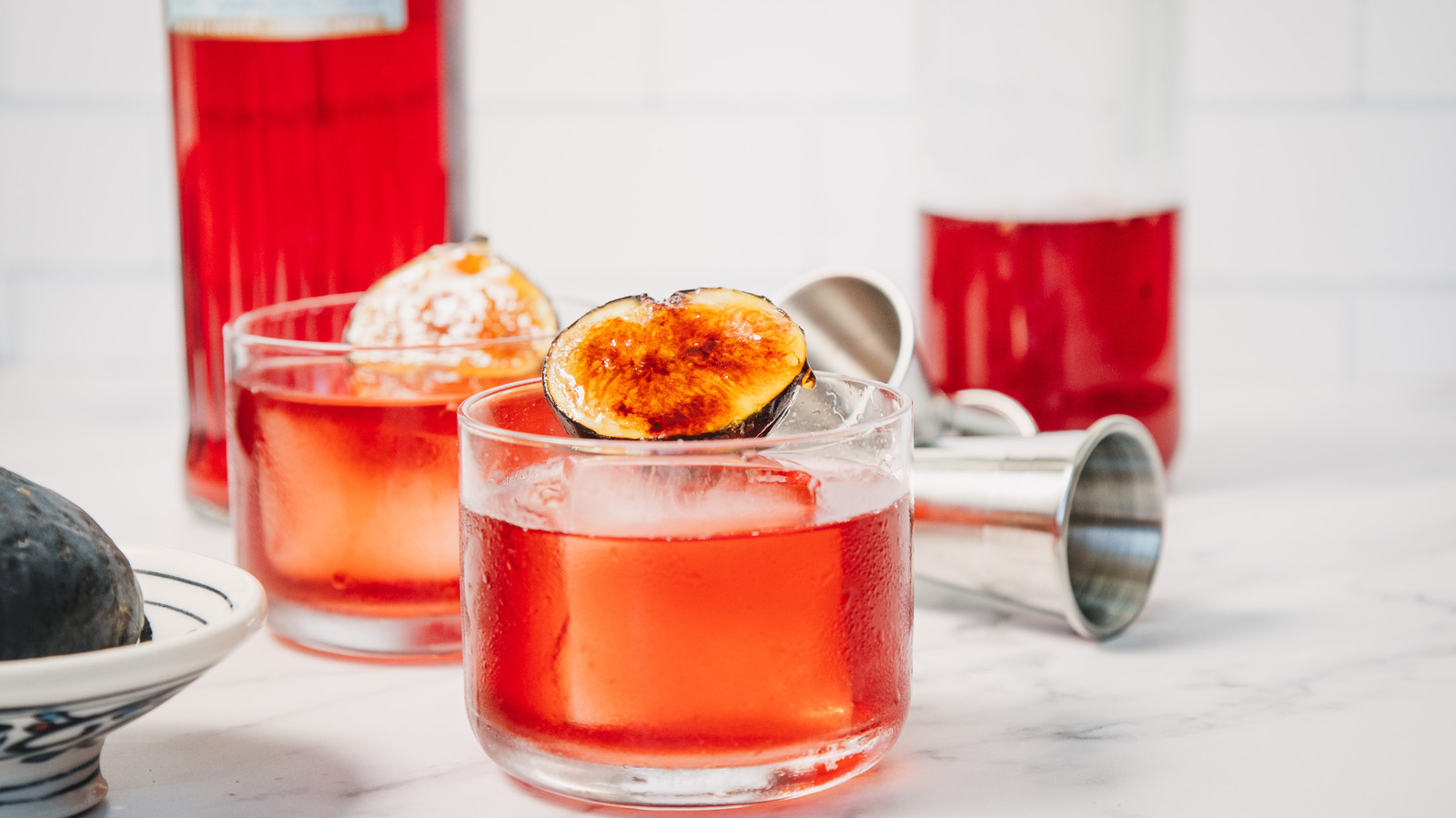
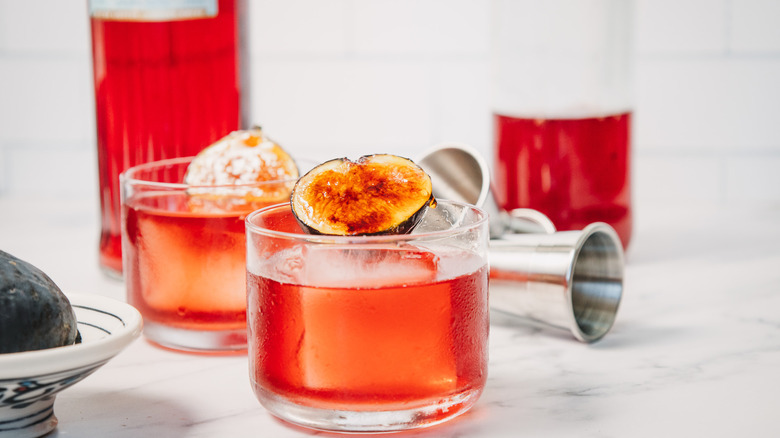
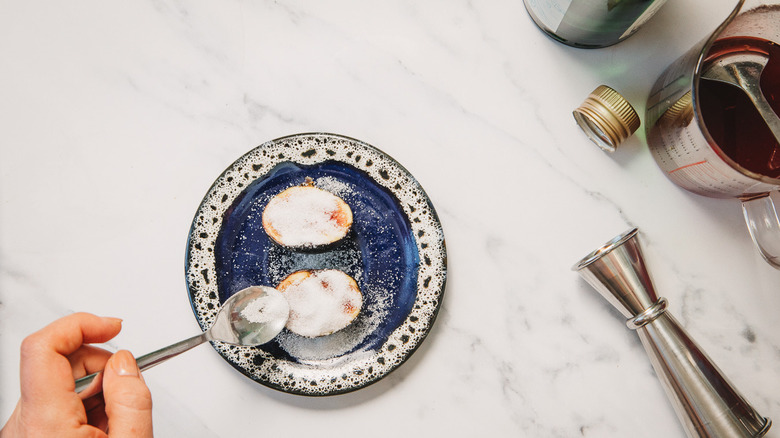
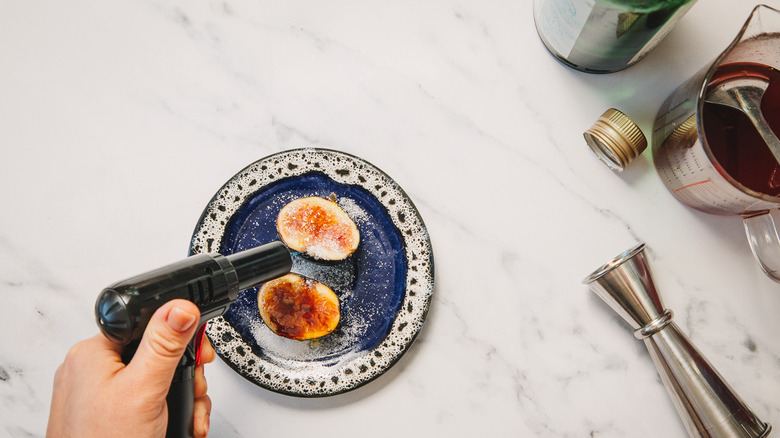
The garnish for this cocktail is not an afterthought; it is a vital part of the drinking experience. Take a fresh half-fig, sprinkle the cut side liberally with granulated sugar, and use a kitchen torch to caramelize the surface. The result is a warm, sticky, crackling crust that smells of toasted sugar and caramelized fruit. Perching this on the rim of the glass provides an aromatic olfactory introduction to the drink, while the bite of the fig acts as a sweet, textural reward after the bitter finish of the cocktail.
Supporting Data and Technical Considerations
When selecting your base spirit, the choice of gin is paramount.
- London Dry Gin: This is the gold standard for this infusion. Brands like Tanqueray, Beefeater, or the craft-forward Spring44 Distilling provide a juniper-forward profile that creates the necessary tension against the sweetness of the fig.
- Old Tom Gin: If you prefer a drink that leans into the sweetness, Old Tom gin is an excellent alternative. It is slightly maltier and softer, allowing the vanilla notes to shine more brightly.
- What to Avoid: Steer clear of "botanical-forward" or heavily floral gins, such as those flavored with lavender or cucumber (like Hendrick’s). These delicate aromatics will likely clash with the earthy, dark profile of the fig and thyme, leading to a muddled, discordant flavor profile.
Nutritional Profile
While a cocktail is an indulgence, it is worth noting the components of this drink. A single serving contains approximately 332 calories. The carbohydrate count (33.2g) and sugar content (27.1g) are largely derived from the sweet vermouth and the caramelized garnish. As with all craft cocktails, this is intended to be sipped slowly and enjoyed in moderation.
Implications of Speed: The "Fast-Infusion" Debate
There is a persistent question among home bartenders: Must I wait three days? While the slow, cold-steep method is recommended for the most nuanced results, there are, in fact, professional-grade alternatives for the impatient host.
- The Sous Vide Method: By vacuum-sealing the gin and infusion ingredients in a bag and cooking them in a water bath at 135°F for one to four hours, you can achieve a depth of flavor that mimics a multi-day infusion. The gentle heat accelerates the extraction without damaging the alcohol.
- The Syrup Alternative: For those who wish to avoid the labor of infusing spirits entirely, one can create a "fig reduction" syrup. By simmering figs, vanilla, and spices in a small amount of water and sugar, you can create a concentrated syrup. Adding just half an ounce of this to a standard Negroni will provide the desired flavor profile, though it will shift the balance of the cocktail slightly toward the sweeter side.
Expert Perspectives on Modernizing Classics
The rise of the "Evergreen" cocktail—drinks that are timeless but adaptable—reflects a broader shift in modern mixology. According to leading industry perspectives, the goal of modernizing a classic like the Negroni is not to obscure the original, but to highlight its versatility.
By adding seasonal markers like figs, we are not just changing the flavor; we are providing a sensory anchor to a specific time of year. This approach allows the home bartender to demonstrate creativity and intentionality, turning a standard drink into an event. The use of a brûléed garnish, in particular, adds a level of table-side theater that elevates the drinking experience from a simple pour to a curated moment of hospitality.

Conclusion
The Fig-Infused Negroni is more than just a recipe; it is a study in balance. It respects the bitter, bracing legacy of the original Italian icon while embracing the warmth and comfort of autumn. Whether you choose to commit to the three-day infusion process or utilize the precision of a sous vide machine, the reward is a cocktail that demands to be savored. As the days grow shorter and the air turns crisp, there is perhaps no better companion than a drink that captures both the cold bitterness of the season and the sweet, fleeting beauty of the harvest.
