

New Facility to Seamlessly Integrate Childcare, Community Physician Offices, and PACE Program, Addressing the Complex Needs of Modern Families
PARAMUS, NJ – [Date of Publication] – Bergen New Bridge Medical Center, in collaboration with the County of Bergen, has officially broken ground on a significant new facility poised to revolutionize healthcare accessibility and support for families across generations. Scheduled to welcome its first patients and participants in 2027, this state-of-the-art building, situated on the Medical Center’s expansive campus, represents a visionary approach to addressing the multifaceted health and social needs of the community. The innovative project will co-locate a vital childcare program, accessible community physician offices, and the forthcoming Bergen County Program of All-Inclusive Care for the Elderly (PACE) Center, creating a synergistic environment designed to foster well-being from infancy through advanced age.
This groundbreaking initiative directly confronts the increasingly common reality for many families: the immense challenge of balancing the care of young children, the support of aging parents, and the imperative of maintaining their own personal health. By consolidating these critical services onto a single, convenient campus, Bergen New Bridge Medical Center and the County of Bergen aim to alleviate significant burdens, streamline access to essential resources, and strengthen the fabric of community care.
A Vision for Holistic Family Support: Main Facts
The cornerstone of this ambitious undertaking is the recognition that healthcare extends far beyond the treatment of illness. It encompasses the fundamental needs of daily life, the nurturing of future generations, and the dignified support of those who have contributed to society for decades. The new facility is meticulously designed to embody this holistic philosophy.
At its heart will be a dedicated childcare program, providing a safe, nurturing, and enriching environment for the children of the community. This service is not merely an ancillary offering but a crucial component of supporting working families, particularly those within the healthcare sector and the broader Bergen County workforce. Simultaneously, the facility will house community physician offices, offering accessible and convenient primary and specialty care services. This integration aims to reduce barriers to regular medical check-ups, preventative screenings, and timely treatment for a wide range of health concerns, fostering a proactive approach to well-being.
Perhaps the most transformative element of the new building will be the Bergen County PACE Center. PACE programs are a unique and highly effective model of comprehensive healthcare and social services for seniors who are eligible for nursing home care but wish to remain in their homes and communities. The Bergen County PACE Center will offer a full spectrum of medical care, therapies, social services, and recreational activities, all coordinated through an interdisciplinary team. This will empower seniors to maintain their independence, dignity, and quality of life while providing invaluable peace of mind for their families.
The strategic co-location of these three distinct yet interconnected services is a testament to forward-thinking urban planning and community-centered healthcare. The synergy created by having childcare, primary care, and elder care services within the same vicinity will foster intergenerational connections, facilitate easier access for families with members at different life stages, and promote a more integrated and efficient healthcare ecosystem.
A Chronology of Commitment: From Conception to Construction
The genesis of this ambitious project can be traced back to the continuous dialogue and deep understanding Bergen New Bridge Medical Center has cultivated with the community it serves. As New Jersey’s largest hospital and the largest licensed nursing home, the institution is uniquely positioned to witness firsthand the daily realities and evolving needs of its diverse population.
Early 2020s: Recognizing the growing strains on families attempting to juggle multiple caregiving responsibilities and personal health needs, hospital leadership and county officials began exploring innovative solutions. This period involved extensive needs assessments, community outreach, and strategic planning sessions to identify the most impactful interventions.
Mid-2020s: The concept of a multi-generational facility began to solidify. Discussions focused on integrating services that would directly address the identified gaps in community support. The idea of co-locating childcare, physician offices, and a PACE program emerged as a powerful and comprehensive solution.
[Specific Date, e.g., Spring 2026]: Formal planning and architectural designs commenced. This phase involved meticulous attention to detail, ensuring the facility would be accessible, functional, and welcoming for all age groups and abilities. Partnerships with community organizations and healthcare providers were solidified.
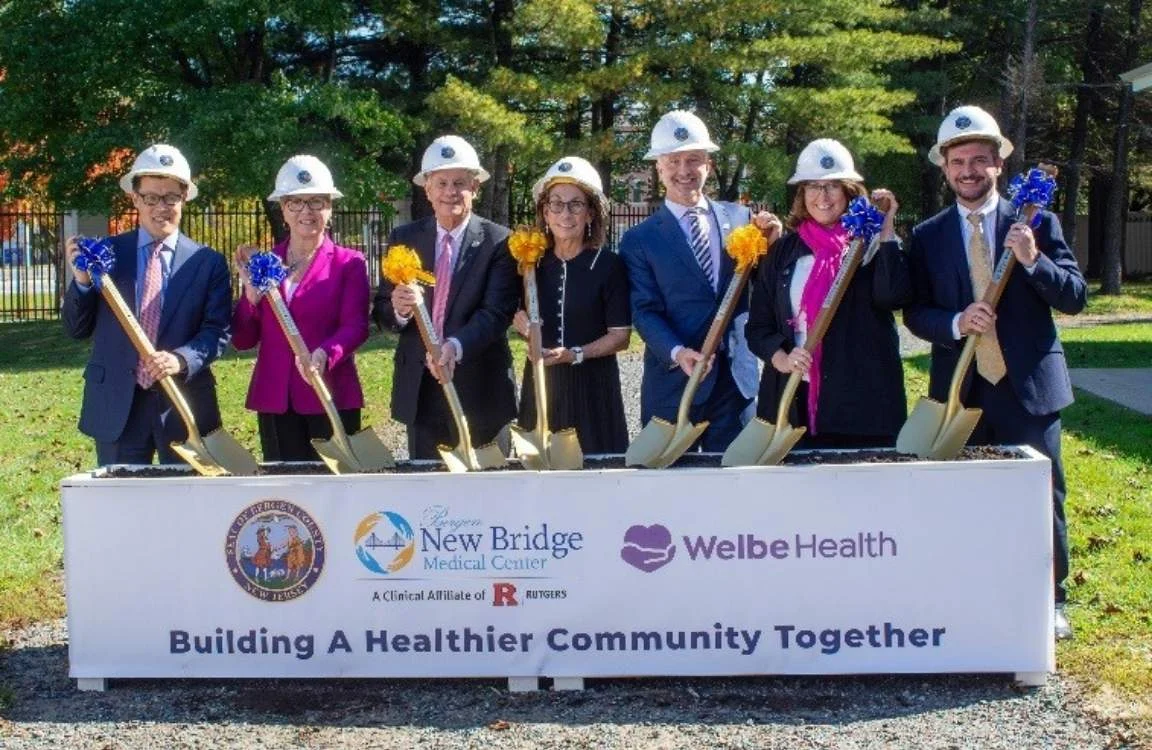
[Specific Date, e.g., September 17, 2026]: The official groundbreaking ceremony marked a pivotal moment, symbolizing the tangible realization of years of planning and dedication. This event brought together key stakeholders, including hospital administrators, county officials, community leaders, and residents, to celebrate the commencement of construction.
2027: The anticipated opening of the new facility, ushering in a new era of integrated family support and healthcare services for Bergen County.
This chronological progression highlights a deliberate and sustained commitment to addressing community needs, moving from conceptualization and planning to the concrete action of construction, with a clear vision for the future.
Supporting Data: Addressing the Needs of a Growing and Evolving Population
The rationale behind this significant investment is firmly rooted in compelling demographic and health data reflecting the evolving landscape of Bergen County.
Demographic Shifts: Bergen County is characterized by a diverse and growing population. Data from the U.S. Census Bureau consistently shows a significant proportion of young families and a rapidly aging senior population. This dual demographic reality underscores the immediate need for services that cater to both ends of the age spectrum. The demand for accessible and affordable childcare is consistently high, with waiting lists for quality programs often extending for months. Concurrently, the number of individuals aged 65 and over in Bergen County is projected to continue its upward trajectory, increasing the demand for comprehensive elder care and support services.
Healthcare Utilization Patterns: Studies on healthcare utilization reveal that families often struggle to access timely and coordinated care when services are fragmented. Parents juggling work and childcare may delay routine pediatric appointments or their own medical visits. Adult children caring for aging parents often face the daunting task of navigating complex healthcare systems, scheduling appointments for their loved ones, and managing medications, all while managing their own professional and personal lives. The lack of integrated elder care services can lead to preventable hospitalizations, premature institutionalization, and a diminished quality of life for seniors.
The Economic Impact of Caregiving: The burden of caregiving has significant economic implications. The need for childcare directly impacts the ability of parents to participate fully in the workforce. Similarly, the demands of elder care can lead to reduced working hours, career interruptions, and increased financial strain on families. By providing integrated support, the new facility aims to alleviate these pressures, enabling individuals to maintain employment, contribute to the economy, and experience greater financial stability.
The Effectiveness of PACE Programs: National data on PACE programs consistently demonstrates their efficacy in improving health outcomes, reducing hospitalizations and emergency room visits, and enhancing the quality of life for participants. PACE centers provide a cost-effective alternative to traditional nursing home care, allowing seniors to remain in their homes for longer periods, fostering a sense of autonomy and connection to their communities. The establishment of a PACE Center in Bergen County is anticipated to yield similar positive results for its senior population.
The strategic placement of these services on the Bergen New Bridge Medical Center campus further amplifies their impact. Proximity to existing medical infrastructure allows for seamless transitions of care, access to specialized medical expertise, and the potential for collaborative research and program development.
Official Responses: A Unified Commitment to Community Well-being
The groundbreaking ceremony was a testament to the strong collaborative spirit between Bergen New Bridge Medical Center and the County of Bergen, with leaders expressing unwavering commitment to the project’s success and its profound impact on residents.
Deborah Visconi, President and CEO of Bergen New Bridge Medical Center, articulated the driving force behind this initiative with profound empathy and a clear strategic vision. "As New Jersey’s largest hospital and largest licensed nursing home, we see every day how much families are juggling, often raising children and caring for aging parents while trying to keep up with their own health," Visconi stated. "Bringing childcare, community physician offices, and a PACE program for older adults to our campus will help ease that burden. When your community trusts you enough to share what they need, you have a responsibility to follow through. Today, we’re putting shovels in the ground to bring families closer to getting the care and support they’ve asked for." Her words underscore a patient-centered approach, emphasizing the hospital’s role as a responsive and dedicated partner in community health.
Bergen County Executive Jim Tedesco echoed this sentiment, highlighting the multi-generational impact and the County’s dedication to enhancing the lives of its residents. "What makes this project so special is that it will serve Bergen County families across generations," Tedesco remarked. "We’re creating a place where our seniors can get the care and support they need to remain healthy and independent, while also providing childcare for the hardworking men and women who care for our residents every day. I’m incredibly proud of how far Bergen New Bridge has come, and this is another example of our commitment to making this campus and the care it provides better for everyone." Tedesco’s statement emphasizes the project’s alignment with the County’s broader mission of fostering a supportive and thriving environment for all citizens.
These official responses reflect a shared understanding of the critical needs within Bergen County and a unified determination to provide innovative and comprehensive solutions. The collaborative approach between the medical center and county government is a powerful indicator of the project’s strong foundation and its potential for long-term success.
Implications: A Paradigm Shift in Community Healthcare
The ramifications of this pioneering project extend far beyond the physical structure being erected. The new facility at Bergen New Bridge Medical Center is poised to usher in a paradigm shift in how community healthcare is conceived and delivered, with several key implications:
Enhanced Accessibility and Equity: By bringing essential services closer to home and consolidating them in a single, accessible location, the project will dismantle many of the logistical and financial barriers that currently prevent individuals from receiving timely and consistent care. This will disproportionately benefit lower-income families, single-parent households, and those with limited transportation options, promoting greater health equity across Bergen County.
Strengthened Family Units: The integrated approach acknowledges the interconnectedness of family well-being. The availability of reliable childcare will enable parents to pursue educational and employment opportunities, fostering economic stability. The support provided to seniors through the PACE program will allow them to maintain their independence and remain active participants in family life, enriching the lives of younger generations. This holistic support system will reduce stress and enhance the overall resilience of family units.
Proactive and Preventative Healthcare: The presence of readily available community physician offices will encourage a more proactive approach to health. Regular check-ups, preventative screenings, and early intervention for health concerns will become more commonplace, leading to better health outcomes and a reduced reliance on costly emergency care. The PACE program’s emphasis on comprehensive care also inherently promotes preventative strategies for seniors, mitigating the risk of chronic disease exacerbation.
Economic Revitalization and Workforce Support: By alleviating the burdens of caregiving, the facility will indirectly contribute to the local economy. Parents will have greater capacity to participate in the workforce, and seniors who are able to remain independent will continue to contribute to their communities. The presence of a robust childcare program is also a significant asset for attracting and retaining healthcare professionals and other essential workers within Bergen County.
A Model for Future Healthcare Development: The innovative model of co-locating childcare, community physician offices, and a PACE program on a medical campus offers a compelling blueprint for other healthcare institutions and communities facing similar demographic and social challenges. This project has the potential to inspire replication and adaptation, driving a broader movement towards more integrated and family-centered healthcare delivery nationwide.
In conclusion, the groundbreaking at Bergen New Bridge Medical Center signifies more than just the commencement of construction; it represents a profound commitment to the holistic well-being of Bergen County families. This visionary facility, slated to open its doors in 2027, will undoubtedly serve as a cornerstone of community support, fostering healthier lives and stronger connections for generations to come.
