

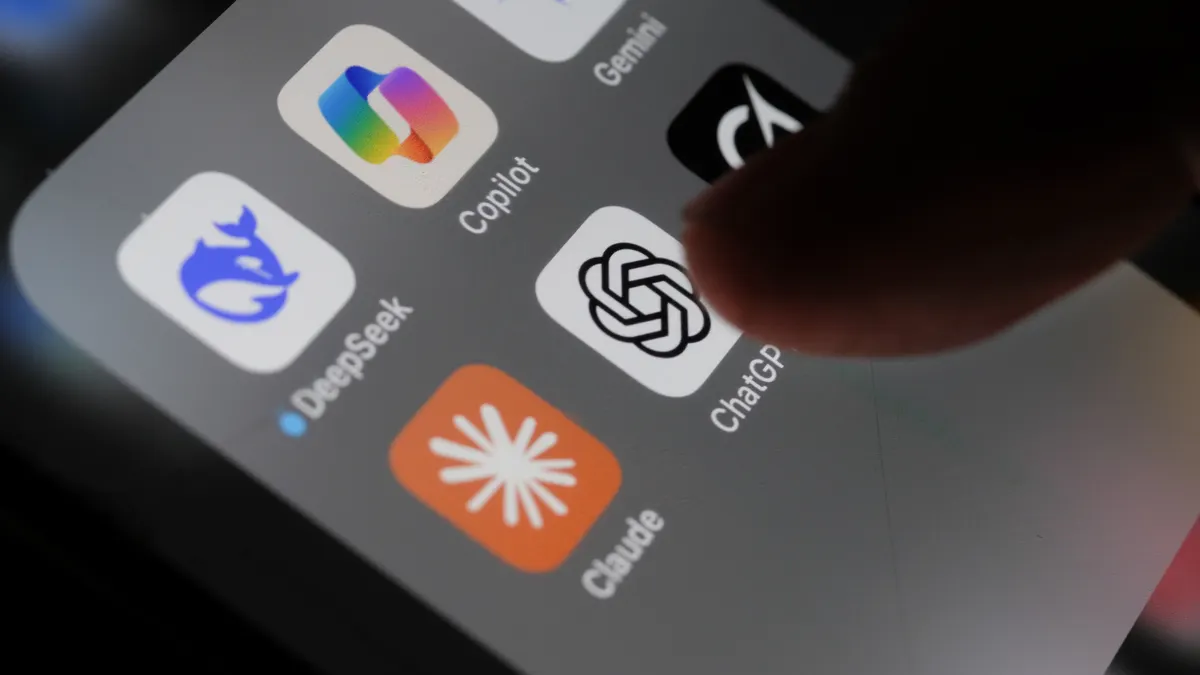
New AI capability allows users to visualize clothing and accessories on themselves, aiming to bridge the gap between online browsing and physical fitting rooms.
[City, State] – [Date] – OpenAI is making a significant leap forward in the realm of e-commerce by integrating a sophisticated virtual try-on feature into its popular ChatGPT platform. This innovative tool empowers users to upload or capture a selfie, which is then used by the AI to generate realistic images of how clothing and accessories would look on them prior to making a purchase. This development signals a bold move by OpenAI to capture a larger share of the burgeoning online retail market, offering a solution that directly addresses a long-standing challenge for online shoppers: the inability to physically try on items.
The new feature, which will prominently display a "try on" button on product listings within ChatGPT, aims to enhance the online shopping experience by providing a more personalized and confident purchasing journey. By allowing consumers to visualize items on their own likeness, OpenAI is not only streamlining the decision-making process but also potentially reducing the rate of returns, a significant operational cost for online retailers.
The Evolution of AI in Retail: A Growing Trend
This latest offering from OpenAI is not an isolated incident but rather a testament to the accelerating integration of artificial intelligence into the retail landscape. The company has been steadily expanding ChatGPT’s capabilities beyond conversational assistance to become a more comprehensive platform for consumers and businesses alike.
In April, David’s Bridal made a notable move by establishing a presence on Shopify’s Agentic Storefronts for ChatGPT and Microsoft Copilot. This partnership enabled shoppers to navigate the bridal retailer’s extensive collection by silhouette, leveraging the power of AI on both platforms. Following suit, Etsy launched its dedicated app on ChatGPT in May, further underscoring the growing reliance of online marketplaces on AI-driven interfaces for customer engagement and product discovery.
Last year, OpenAI introduced a foundational shopping research feature that allowed users to query for product recommendations and comparisons based on their search queries. While a significant step, the virtual try-on capability represents a substantial upgrade, moving from informational assistance to a more experiential and predictive tool.
Catching Up to the Competition: A Leap in Product Visualization
OpenAI’s new virtual try-on feature positions it as a direct competitor to established players like Google, which has been diligently developing its own product visualization tools. Google first debuted its virtual try-on tool for women’s tops in 2023, a groundbreaking move that allowed consumers to digitally model apparel. The following year, the company expanded this functionality to include dresses, and subsequently, in a further enhancement, extended it to footwear. These advancements by Google highlight a clear industry trend towards leveraging AI to recreate the tactile experience of in-store shopping online.
The increasing adoption of AI in retail is driven by a growing demand from both consumers and businesses for more immersive and efficient shopping solutions. Research has consistently shown the positive impact of virtual try-on technology on sales conversions. A 2024 survey conducted by Perfect Corp. revealed that brands that implemented virtual try-on solutions saw their sales conversion rates more than double. Furthermore, the study indicated that a significant portion of consumers, specifically 38.4% of respondents, view virtual fitting rooms and try-ons as the most effective way to replicate the physical shopping experience online.
How the Virtual Try-On Feature Works
The mechanics behind OpenAI’s virtual try-on feature are rooted in advanced generative AI and computer vision technologies. Users are presented with a straightforward process:
- Initiate the Try-On: When browsing products within ChatGPT that are integrated with this feature, a prominent "try on" button will be visible.
- Provide a Visual: Users can either take a new selfie directly through the platform or upload an existing photograph from their device. The system emphasizes the importance of a clear, well-lit image that accurately represents the user’s body shape and features.
- AI Generation: Upon receiving the user’s image, the AI analyzes its features, including body shape, skin tone, and facial structure. Simultaneously, it processes the selected clothing or accessory item, understanding its dimensions, fabric, and drape.
- Virtual Visualization: Using sophisticated algorithms, the AI then superimposes the chosen item onto the user’s image, creating a realistic rendering of how the product would appear on them. This process accounts for how the garment would fit, fold, and interact with the user’s body.
- Review and Refine: Users can then review the generated image, assessing the fit, style, and overall aesthetic. The platform may offer options for minor adjustments or to try on different sizes or colors if available.
This seamless integration aims to minimize the friction typically associated with online apparel shopping. By providing a personalized visual preview, the feature directly addresses consumer concerns about fit and style, which are often the primary reasons for hesitation and subsequent returns.

Implications for Retailers and Consumers
The introduction of this virtual try-on feature by OpenAI carries profound implications for both online retailers and consumers.
For Retailers:
- Reduced Return Rates: One of the most significant benefits for retailers is the potential to drastically reduce return rates. When customers can accurately visualize how an item will look on them, the likelihood of purchasing an item that doesn’t fit or suit their style diminishes, leading to fewer costly returns.
- Increased Conversion Rates: By enhancing the online shopping experience and building customer confidence, the feature is expected to drive higher conversion rates. Shoppers who feel more assured about their purchase decisions are more likely to complete a transaction.
- Enhanced Customer Engagement: The interactive nature of virtual try-on can lead to increased engagement with product listings and the overall platform. This can foster a more dynamic and enjoyable shopping experience.
- Data-Driven Insights: The data generated from user interactions with the virtual try-on feature can provide valuable insights into customer preferences, popular styles, and sizing trends. This information can inform inventory management, product development, and marketing strategies.
- Competitive Advantage: Retailers that embrace and integrate this technology will gain a competitive edge by offering a more advanced and appealing online shopping experience compared to those who do not.
- New Revenue Streams: The platform could potentially offer premium features or analytics for retailers looking to further leverage AI in their sales and marketing efforts.
For Consumers:
- Increased Confidence in Purchases: The primary benefit for consumers is the ability to make more informed purchasing decisions. Seeing an item on oneself before buying reduces the uncertainty associated with online shopping.
- Personalized Shopping Experience: The feature offers a highly personalized experience, tailoring product recommendations and visualizations to individual users.
- Time and Cost Savings: By reducing the need to order multiple sizes or styles in anticipation of returns, consumers can save time and avoid the hassle and potential costs associated with shipping items back.
- Discovery of New Styles: The ability to virtually try on a wide range of items can encourage consumers to explore new styles and brands they might have otherwise overlooked.
- Accessibility: This technology can be particularly beneficial for individuals who have difficulty visiting physical stores due to time constraints, geographical location, or mobility issues.
The Future of AI-Powered Commerce
The integration of virtual try-on technology into a widely used platform like ChatGPT marks a pivotal moment in the evolution of e-commerce. It signals a future where AI is not just an assistant but an integral part of the shopping journey, blurring the lines between the digital and physical retail worlds. As AI continues to advance, we can anticipate even more sophisticated features, such as personalized styling advice, virtual fashion shows tailored to individual preferences, and even AI-powered personal shopping assistants that understand and anticipate a user’s evolving fashion needs.
The move by OpenAI is a clear indication that the race to innovate in AI-driven retail is intensifying. As more retailers and platforms adopt these cutting-edge technologies, the online shopping experience is poised to become more intuitive, personalized, and ultimately, more satisfying for consumers worldwide. The ability to "try before you buy" without leaving the comfort of your home is no longer a futuristic concept but a rapidly materializing reality, thanks to the relentless progress in artificial intelligence.
