

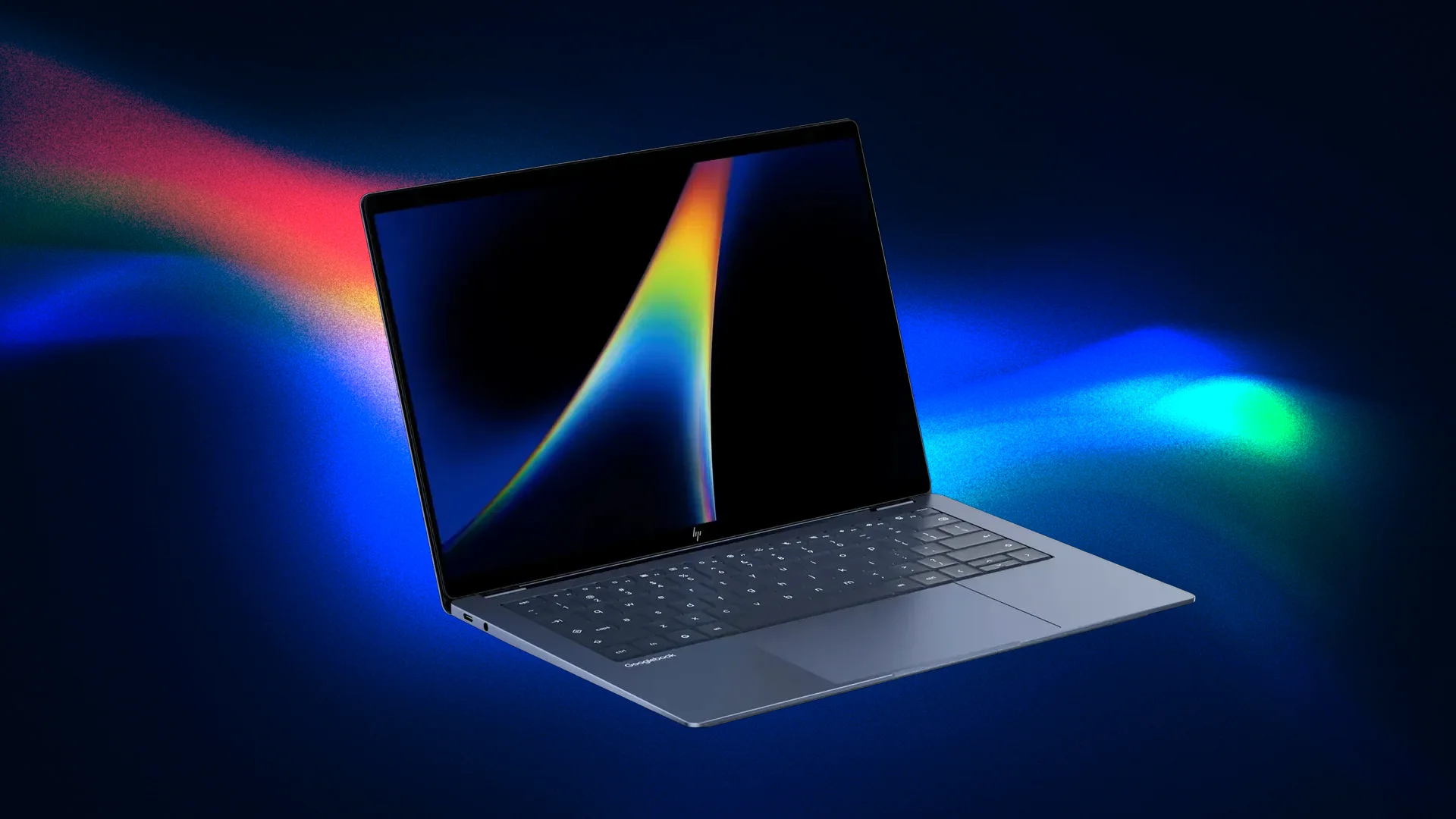
For over a decade, the ChromeOS ecosystem stood as a defiant, lightweight alternative to the bloated, legacy-heavy environments of Windows and macOS. It was the physical manifestation of Google’s early idealism: a belief that the future of computing lived not in local, siloed applications, but in the boundless, interconnected open web. Today, that vision has officially reached its expiration date.
With the announcement of "Googlebooks"—a new breed of Android-based laptops—Google has signaled a profound shift in its philosophy. The company is pivoting away from the browser-centric philosophy that defined a generation of affordable computing, moving instead toward a vertically integrated, AI-first ecosystem. By 2034, ChromeOS will be a footnote in history, marking the end of one of the tech industry’s most ambitious experiments.
The Paradigm Shift: From Browser to Android
Googlebooks represents more than just a hardware refresh; it is a fundamental architectural transition. These devices are designed to run native Android applications at their core, moving away from the "browser-first" architecture that allowed Chromebooks to be fast, secure, and inexpensive.
The new platform features deep-level integration with the Android mobile ecosystem, enabling seamless handoffs between smartphones and laptops. Most crucially, Googlebooks are the latest vessels for the company’s aggressive Gemini AI rollout. By placing AI features just a gesture away at the OS level, Google is prioritizing predictive assistance and generative capabilities over the simple, transparent browser experience that characterized the early days of ChromeOS.
This move effectively fences in the user. Where the open web allowed for interoperability across devices and services, the Android-on-laptop model creates a tighter, more controlled ecosystem—a "walled garden" that mirrors the strategies of Google’s biggest competitors.
A Chronology of the ChromeOS Experiment
To understand what is being lost, we must look back at the trajectory of ChromeOS, an operating system that once promised to liberate users from the tyranny of maintenance.
- 2009: The Genesis. Google announces ChromeOS, promising to redefine the PC experience. The vision was radical: a laptop that was essentially a thin client for the cloud. "Speed, simplicity, and security" were the pillars.
- 2011: The Hardware Arrival. The Samsung Series 5 and Acer AC700 hit the market. While critics were skeptical of a device that "only ran a browser," the education sector quickly embraced the machines for their manageability and low cost.
- 2016: The Android Bridge. Google introduces the Play Store to ChromeOS. While presented as a feature, it was the first crack in the "web-only" purity of the OS, beginning the slow migration toward Android-based architecture.
- 2020-2022: The Pandemic Boom. Chromebooks see unprecedented adoption as remote learning becomes the global standard. Millions of students and professionals rely on the lightweight OS, cementing its place in the market.
- 2024: The Strategic Pivot. Google announces the launch of Googlebooks and confirms the phased sunsetting of ChromeOS.
- 2034: The Final Curtain. Google pledges to end all support for the legacy ChromeOS platform, finalizing the transition to the Android-based computing model.
The Original Vision: Speed, Simplicity, and Security
In 2009, the computing world was dominated by heavy, resource-hungry operating systems. Google’s manifesto was simple: remove the bloat. By designing an OS where the browser was the entire interface, Google eliminated the need for traditional software management.
There were no complex installers, no registry editors, and, crucially, no viruses. The security model was revolutionary: because the OS was essentially a read-only snapshot of the web, malware could not persist. If a device was compromised, a simple powerwash returned it to a pristine state in seconds. This architecture made the Chromebook a "disposable" asset—a device that could be replaced, lost, or broken without the user ever losing their data. It was the ultimate embodiment of cloud-native computing.
Supporting Data: The Education and Enterprise Landscape
The impact of this transition is most acutely felt in the education sector. According to market research, Chromebooks currently hold a massive share of the K-12 education market in the United States and several European nations.
- Market Penetration: Over 50 million students in the U.S. alone rely on ChromeOS-based devices for their daily coursework.
- Economic Impact: The transition to Googlebooks necessitates a massive hardware refresh cycle for school districts that have already invested billions into ChromeOS infrastructure.
- Performance Metrics: While Android-based laptops offer more "power" in terms of local application support, they inherently trade away the "instant-on" speed that defined the original Chromebook experience. The added weight of a full Android stack means higher hardware requirements, which could potentially drive up the entry-level price point for these machines, undermining the accessibility that made Chromebooks popular in the first place.
Official Responses and Strategic Rationale
Google’s official stance on the transition centers on the convergence of mobile and desktop computing. In recent briefings, Google representatives have emphasized that the modern user does not distinguish between a "mobile" app and a "web" app.
"The boundary between the phone in your pocket and the laptop on your desk is blurring," says one Google spokesperson. "By unifying our platform around Android, we are providing a consistent, AI-powered experience that allows users to move through their digital lives without friction."
The company maintains that the sunsetting of ChromeOS is a necessary evolution. They argue that as web technologies have evolved, the need for a browser-only OS has diminished, while the demand for local AI processing power has skyrocketed. By moving to an Android foundation, Google claims they are future-proofing the user experience against the demands of next-generation machine learning models.
Implications: The Walled Garden and the Death of the Open Web
The transition to Googlebooks is not merely a change in branding; it is a symbolic defeat for the proponents of the "Open Web."
For years, the open web was seen as the great equalizer. It allowed developers to create applications that ran identically on any device with a browser, effectively neutralizing the power of proprietary operating system makers. By shifting focus toward a platform that relies on native Android applications—many of which are subject to Google’s Play Store policies and proprietary APIs—the company is effectively moving the goalposts.
1. The Loss of Interoperability
As the OS becomes more dependent on Android-specific features, the ability for non-Google devices to interact with these machines in a seamless, open-protocol way will likely diminish. We are moving toward a world of "ecosystem lock-in," where your laptop is merely an extension of your phone, and both are entirely subservient to the Google account ecosystem.
2. The AI-First Future
The integration of Gemini into the OS layer is a double-edged sword. While it provides powerful productivity tools, it also changes the nature of the user interface. When an OS is designed to be "helpful" through AI, it is inherently designed to predict what you want, rather than simply responding to your input. This creates a data-collection loop that is significantly more intrusive than the browser-based tracking of the past.
3. The Future of Privacy
ChromeOS was once touted as the most private way to use the web because it lacked the deep-level hooks that Windows or macOS used for telemetry. Moving to an Android-based architecture introduces the complex data-gathering machinery of the mobile world to the laptop. Users will have to weigh the convenience of a unified, AI-assisted experience against the reality of a platform that is more closely monitored than ever before.
Conclusion: A New Era of Computing
The end of ChromeOS is a poignant reminder of the cyclical nature of the tech industry. What began as a disruptive, idealistic project to simplify the digital world has eventually been subsumed by the very forces it once sought to challenge: complexity, ecosystem dominance, and the relentless drive for AI-driven monetization.
As we look toward 2034, the "Googlebook" era promises a more integrated, intelligent, and personalized computing experience. Yet, for those who cherished the simple, open-ended promise of the early Chromebook, the loss of that vision marks a significant turning point in the history of the internet. The dream of the open web as the primary platform for human activity hasn’t necessarily died, but it has certainly been eclipsed by the realities of a mobile-first, AI-driven corporate landscape.
