

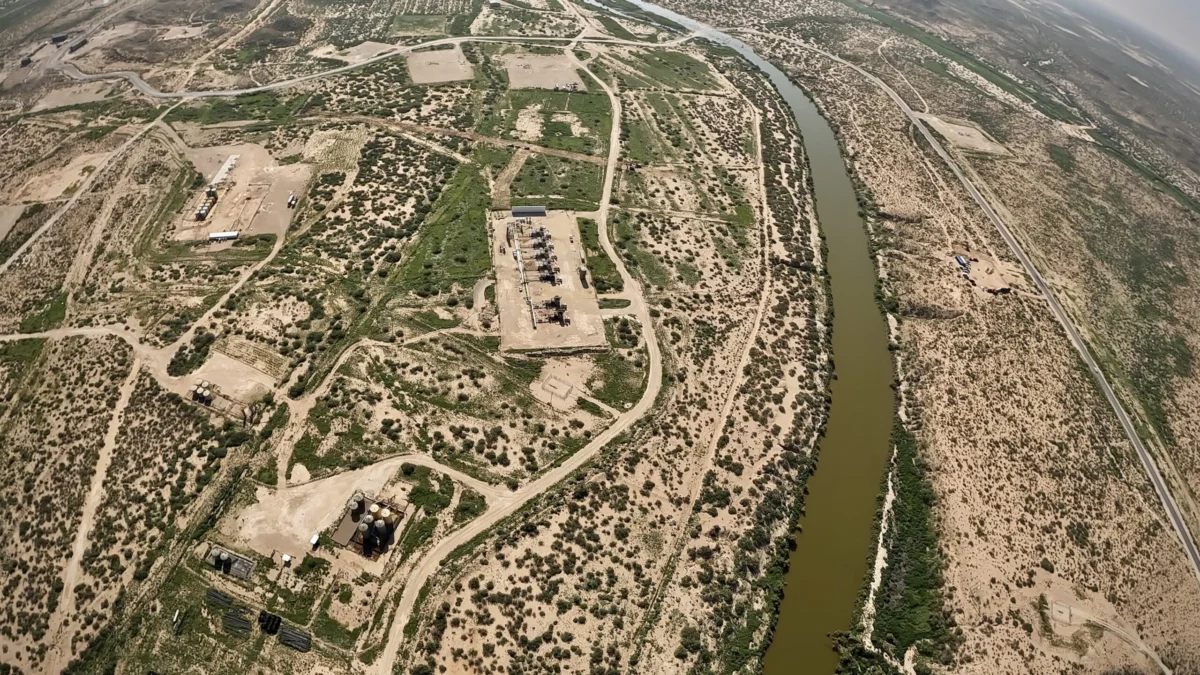
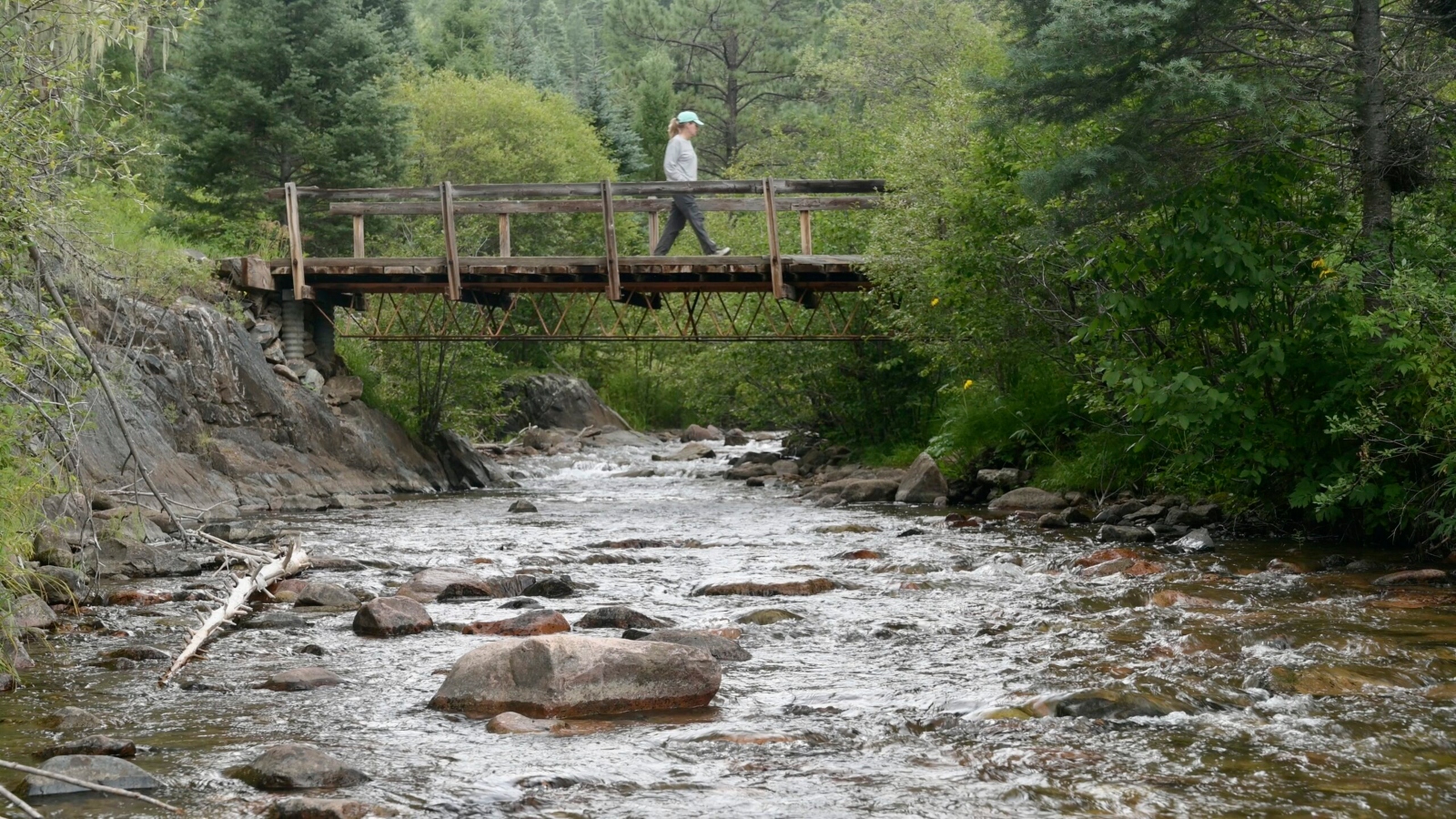
The Pecos River, a waterway once immortalized in American folklore and Western mythology, is currently caught in a vice grip between its natural ecological heritage and the relentless expansion of the Permian Basin’s oil and gas industry. As the river flows south through New Mexico, it transitions from a wild, pristine mountain stream into a highly regulated, stressed artery of industrial output. This transformation has left the region—and those who monitor it—grappling with an environmental paradox: a critical water source that is simultaneously drying up due to climate change and being poisoned by the very industry that relies on its basin.
The Frontline: An Invisible Threat
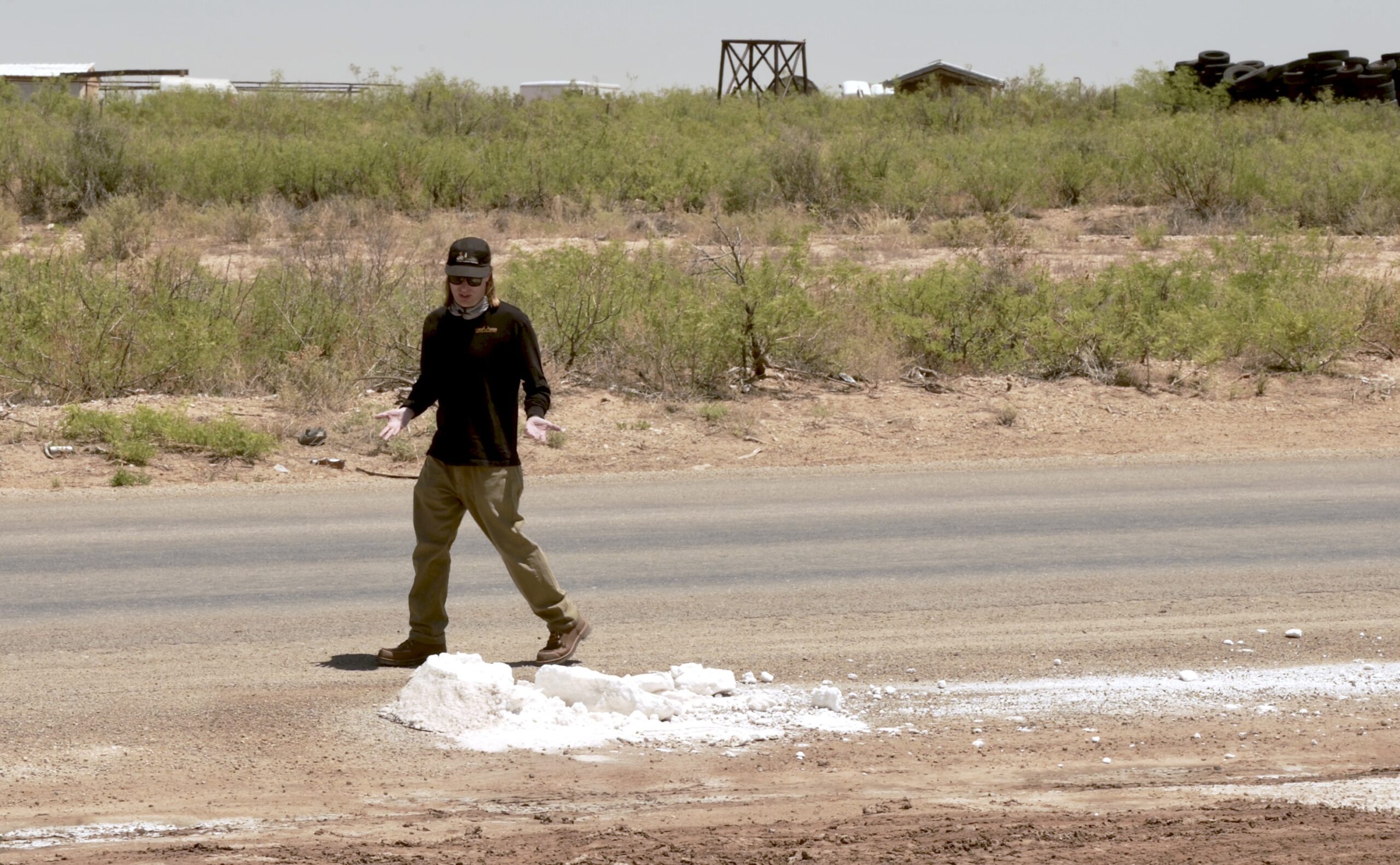
Charlie Barrett, a thermographer with the environmental watchdog group Oilfield Witness, pulls his truck to the side of a dusty county road in southern New Mexico, just a mile upstream from where the Black River converges with the Pecos. It is a warm afternoon in May, yet the pullout is unseasonably muddy. As he steps out, he spots a gray, medicine-ball-sized chunk of salt resting near a puddle that shimmers with an unnatural, crystalline sheen.
"Unfortunately, this is pretty common," Barrett says, pointing to the toxic slurry. "It’s also quite dangerous."
What Barrett has identified is likely "produced water"—a hyper-saline, toxic byproduct of oil and gas extraction that contains a hazardous cocktail of petroleum compounds, heavy metals, and, in some cases, radioactive isotopes. Because of the sheer scale of fossil fuel production in the Permian Basin, where roughly three barrels of wastewater are generated for every single barrel of crude oil, this toxic byproduct is a massive logistical headache for energy companies. While state regulations prohibit the use of produced water for anything outside of oilfield operations, the sheer volume of waste being transported by hundreds of semi-trucks daily along rural roads increases the likelihood of spills, leaks, and illegal dumping.
Chronology of a Slow-Motion Disaster
To understand the current state of the Pecos, one must look at the historical timeline of the region’s industrialization and environmental degradation.
- Early 20th Century: The Permian Basin begins its evolution into one of the world’s most productive fossil fuel regions, fundamentally altering the landscape of the Texas-New Mexico border.
- 1980s–Present: Satellite and USGS data show a consistent decline in snowpack in the mountains feeding the Pecos headwaters. As the climate warms, the river’s natural flow begins to decrease, setting the stage for a water-scarcity crisis.
- 2021–2024: The American Rivers organization repeatedly designates the Pecos as one of the most endangered rivers in the United States, citing industrial pollution, excessive water extraction, and the impacts of the oil industry.
- 2022: New Mexico implements a near-total ban on the practice of flaring (the burning off of excess natural gas), a regulation that remains largely ignored by many operators as evidenced by recent thermographic findings.
- February 2026: The U.S. Fish and Wildlife Service removes the lesser prairie chicken from Endangered Species Act (ESA) protections, signaling a broader regulatory shift toward prioritizing industrial activity over wildlife conservation.
- July 2026: The Department of the Interior enacts significant rollbacks to the ESA, narrowing the definition of "harm" and requiring that economic impacts on oil and gas production be considered when making conservation decisions.
Supporting Data: A Basin Under Pressure
The environmental toll on the Pecos is not merely anecdotal; it is quantified by the intersection of geological, hydrological, and industrial data.
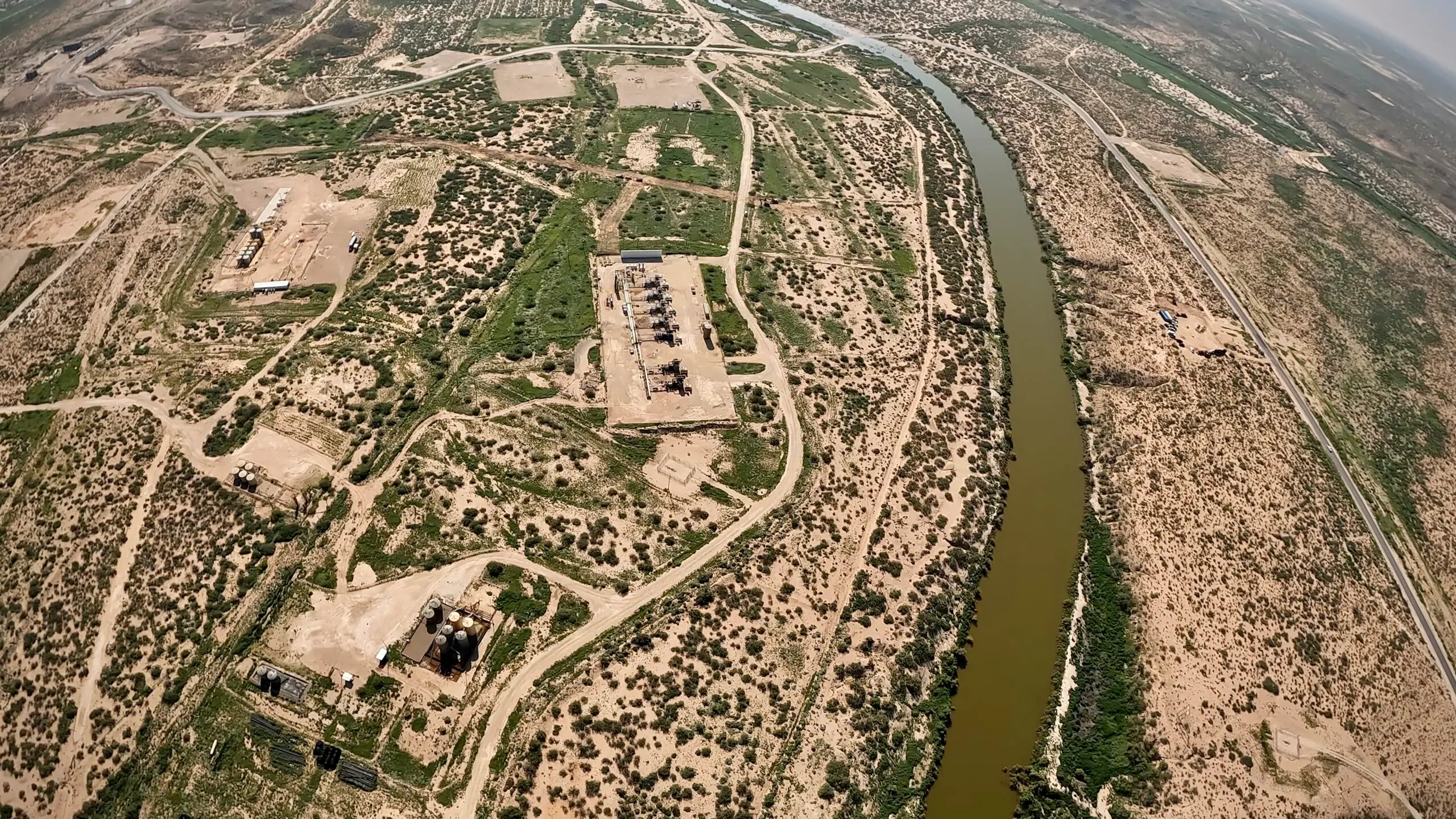
The Pecos River spans over 500 miles, starting in the high-altitude, pine-covered slopes near Santa Fe and terminating in Texas. While the upper reaches retain a "Wild and Scenic" designation, the lower basin is an industrial corridor. Current data indicates that there are approximately 380 oil and gas wells located within a mere half-mile of the river in New Mexico alone. Furthermore, 11 injection wells—used to dispose of produced water deep underground—are positioned in this same sensitive riparian zone.
The risks associated with these injection wells are significant. The process of pumping millions of gallons of toxic water deep into the earth has been linked to a rise in seismic activity and catastrophic "blowouts," where pressure failures cause geysers of toxic, saline wastewater to erupt onto the surface, contaminating the surrounding soil and potentially leaching into the river’s groundwater connection.
The Paradox of Aridification
Hannah Riseley-White, director of the New Mexico Interstate Stream Commission, manages the delicate balancing act of water rights in an increasingly thirsty state. The situation, she admits, is dire. "It is totally terrifying in a lot of ways," she says. "The snowpack fell off the cliff. It wasn’t just record-breaking; it was beyond anything that we could have imagined."
According to the Governor’s 50-Year Water Action Plan, New Mexico expects a 25% to 30% reduction in available river water by 2070. This creates a dangerous feedback loop: as the climate dries the region, the industry continues to drill, using what little water remains for hydraulic fracturing while simultaneously polluting the water that does exist.
The state is currently debating a controversial solution: treating produced water to a level where it could be reused for industrial or even agricultural purposes. Proponents argue that in a state facing a "water bankruptcy," every drop counts. However, critics and environmental advocates warn that current technology cannot guarantee the complete removal of the complex chemical, radioactive, and organic toxins present in oilfield wastewater.
Official Responses and Regulatory Shifts
The response from the government has been a mix of desperate innovation and political capitulation to industry interests. While the state of New Mexico attempts to draft rules for the potential reuse of treated wastewater, legal and ethical hurdles remain high.

Conversely, the federal government’s recent actions have alarmed conservationists. The Department of the Interior’s decision to limit the definition of "harm" to endangered species—ignoring the negative impacts of noise, light, and habitat fragmentation—directly undermines the protection of species like the Texas hornshell mussel and the dunes sagebrush lizard. These species, which rely on the health of the Pecos watershed, are now increasingly vulnerable to the "death by a thousand cuts" caused by the surrounding oil infrastructure.
"The sound and light pollution also affect this river ecosystem," Barrett notes, drawing on his background in ecology. "It drives species away from this ecosystem, which can lead to extirpation, or regional extinction."
Implications for the Future
The implications of the current trajectory are profound. The Permian Basin is not just a source of energy; it is a landscape-scale experiment in industrial extraction that has effectively externalized the cost of environmental health onto the public. The "hellscape" that Barrett describes—a beautiful, life-giving river flanked by thousands of industrial wells—is a microcosm of the global struggle between short-term economic gain and long-term ecological viability.
For the Pecos, the future hinges on whether policymakers can prioritize the river’s survival over the industry’s demand for cheap waste disposal. While officials like Riseley-White maintain a veneer of optimism, hoping that all stakeholders can come to the table to find a compromise, the reality on the ground suggests that the "toolbox" of solutions is increasingly empty.
As the river continues to run lower and the oilfield continues to expand, the question is no longer whether the Pecos can be saved, but whether it can be preserved as anything more than a drainage ditch for an industry that has outgrown its boundaries. The shimmer of white salt crystals on the riverbank serves as a stark reminder: when the water is gone or too toxic to sustain life, no amount of economic output will be able to restore what was lost. The Pecos River remains a casualty of the modern era, a testament to the fact that in the clash between fossil fuels and the natural world, it is the water that ultimately pays the price.
