

In the realm of physical longevity, we often obsess over cardiovascular markers—blood pressure, resting heart rate, and VO2 max. However, as we cross the threshold into our mid-sixties, a quieter, yet arguably more critical, metric emerges: functional lower-body strength. Whether it’s the ability to rise from a low-slung armchair, navigate a flight of stairs with ease, or maintain independence during a long day of errands, your legs are your primary engine for autonomy.
Enter the wall sit. While it may appear deceptively simple, this isometric exercise serves as a powerful diagnostic tool for assessing muscular endurance and structural stability. For those aged 65 and older, hitting a full one-minute hold is more than just a gym milestone—it is a functional insurance policy for the years ahead.
The Foundation of Movement: Why Leg Strength Matters Post-65
Lower-body strength is the cornerstone of healthy aging. The muscles of the legs—specifically the quadriceps, hamstrings, and gluteals—act as the body’s shock absorbers and primary movers. As we age, the natural process of muscle atrophy, known as sarcopenia, can lead to a decline in mobility and an increased risk of falls.
Building a "solid base" in the gym is not about vanity; it is about preservation. A strong lower body provides the stability required to handle external forces, maintain balance, and generate the power needed for daily tasks. By utilizing the wall sit as a regular assessment, individuals can monitor their strength trajectory, turning abstract health goals into concrete, measurable data points.
Understanding the Mechanics: The Science of Isometric Endurance
A wall sit is an isometric exercise, meaning the muscle is under tension without the joint moving through a range of motion. Unlike a standard squat, where the muscle fibers lengthen and shorten, the wall sit requires the quadriceps to sustain a constant, high-level contraction to prevent the body from collapsing under gravity.
When you hold a wall sit, you are training your nervous system to maintain force production despite the onset of metabolic fatigue. As the seconds tick by, the buildup of lactate and the sensation of "burning" in the quads test your mental resolve and your muscular endurance. This ability to maintain force production as fatigue develops is a crucial quality for staying capable and injury-free well into your later years.
Chronology: How to Execute the Perfect Wall Sit Test
To gain an accurate assessment of your current baseline, consistency is key. A test performed with sloppy form provides useless data. Follow this protocol to ensure your results are valid and repeatable:
The Setup Protocol
- Find Your Wall: Choose a smooth, flat surface.
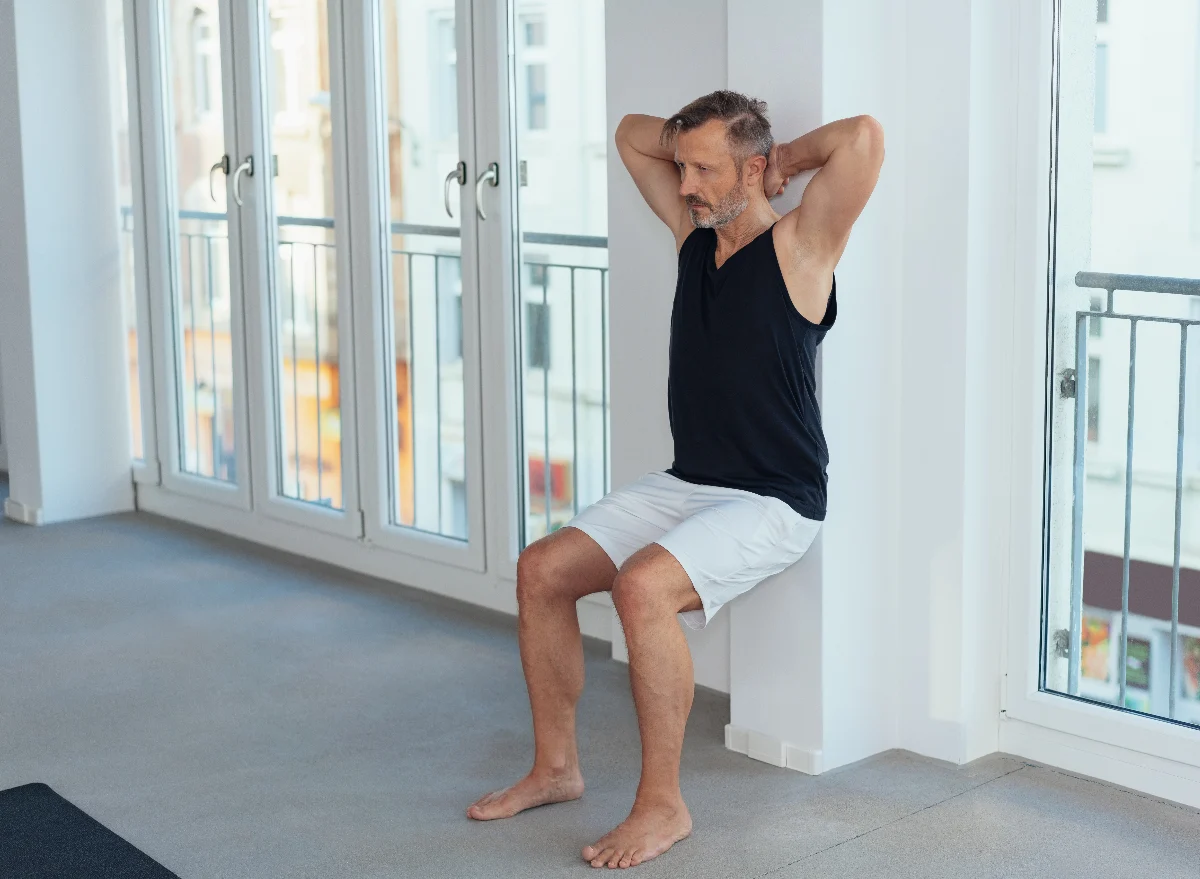
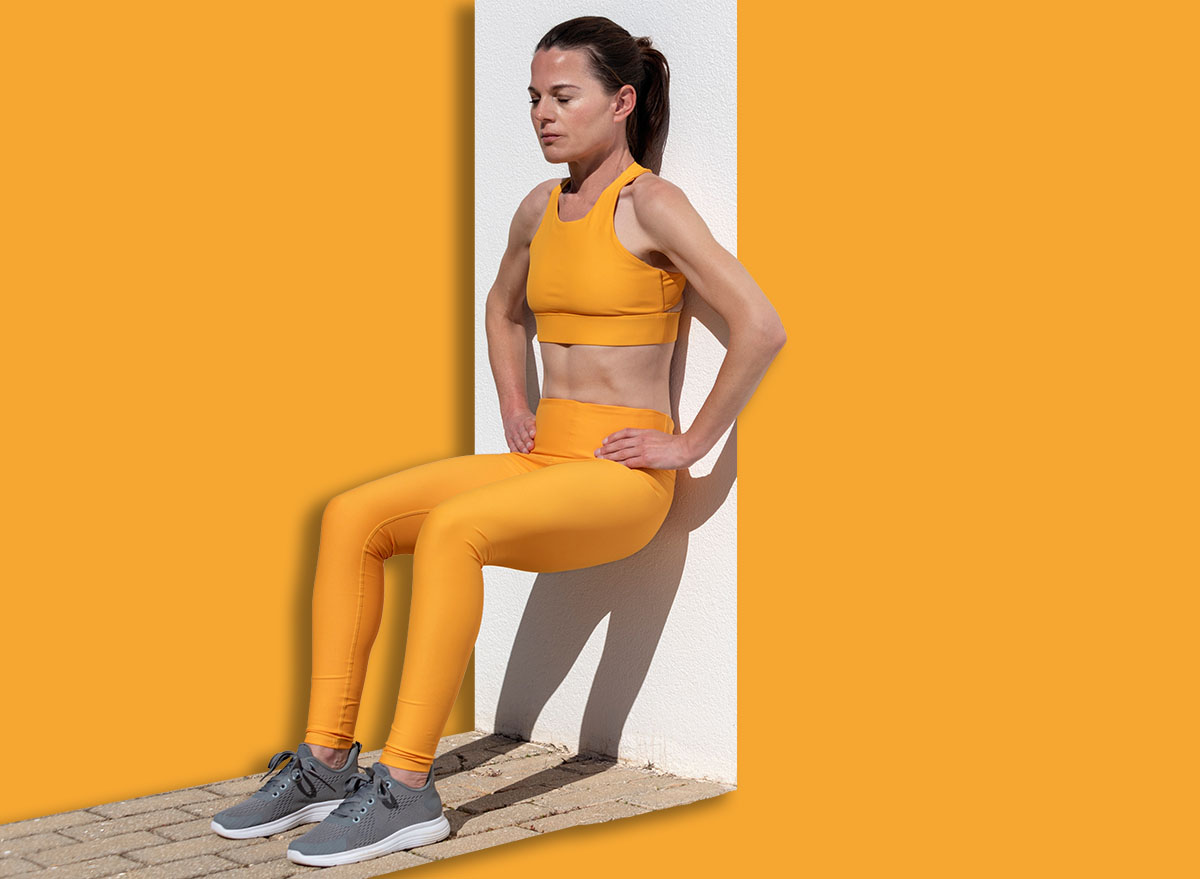
- Establish Depth: Lean your back against the wall and slide down until your thighs are approaching a position parallel to the floor (a 90-degree angle at the knees).
- Foot Placement: Plant your feet firmly, roughly shoulder-width apart. Ensure they are far enough away from the wall to prevent your knees from extending past your toes, which can cause unnecessary joint stress.
- The Engage Phase: Press your entire spine against the wall. Engage your core, keep your chest open, and ensure your head is in a neutral position.
- The Clock: Start your timer as soon as you settle into the position.
Movement Standards
The "stop" criteria are vital for accurate measurement. Cease the timer immediately if:
- Your hips drop below the established parallel line (indicating a loss of tension).
- Your back loses contact with the wall.
- Your feet begin to slide or shift significantly, forcing a readjustment of your center of gravity.
Supporting Data: Interpreting Your Results
Once you have recorded your time, it is time to analyze what those numbers mean for your physical health. Use these benchmarks as a guide for your progress:
- 0–20 Seconds (The Entry Level): Your legs are currently at a foundational stage. Focus on "High Wall Sits" (where the knees are at a shallower angle) to build comfort and confidence before progressing to a full 90-degree hold.
- 20–40 Seconds (Developing Capacity): Your muscles are showing good staying power. At this stage, consistency is your best friend. Continue practicing the hold, focusing on maintaining perfect form rather than just fighting the clock.
- 40–55 Seconds (The Near-Benchmark): You are in the "advanced" category for your age group. You have developed significant muscular endurance. At this point, minor adjustments in core engagement and breathing techniques can help you bridge the gap to the one-minute mark.
- 60 Seconds+ (The Gold Standard): Achieving a one-minute hold with perfect form at a 90-degree angle indicates that your quads have excellent endurance and your postural stability is high. You possess the functional strength required to support your skeletal structure effectively during high-demand activities.
Expert Perspective: Why We Measure Progress
As a performance coach, I often encourage clients to view the stopwatch not as a source of pressure, but as a map of their progress. Many clients start with a 25-second hold and, through consistent, progressive training, find themselves hitting 50 seconds within a month.
These small, incremental jumps are what keep training rewarding. When you see your numbers climb, you are witnessing tangible biological adaptation. You are building the very tissue that will keep you mobile, active, and independent. It is a form of feedback that provides a sense of agency over one’s own aging process.
Implications: Building Toward the One-Minute Goal
If you are currently struggling to reach 60 seconds, do not be discouraged. The goal is not to test your maximum capacity in every single session, as this can lead to central nervous system fatigue and joint irritation. Instead, approach the wall sit as a piece of "time-under-tension" training.
Strategies for Improvement:
- Accumulated Volume: Rather than trying to hold for one minute once, perform four sets of 20 seconds with a 30-second rest in between. This increases your total "time under tension" without overloading your muscles to the point of failure.
- Progressive Depth: Start with a shallower angle (e.g., 120 degrees at the knee). As your endurance improves, move your feet further out to deepen the angle toward 90 degrees.
- Weighted Holds: Once a one-minute bodyweight hold becomes easy, holding a light medicine ball or dumbbell on your lap can provide a new stimulus for growth.
- Breathing Control: Panic and rapid breathing often cause premature fatigue. Practice rhythmic, controlled nasal breathing while in the hold to keep your heart rate stable and your muscles oxygenated.
Beyond the Wall: The Broader Impact on Quality of Life
The implications of achieving a one-minute wall sit extend far beyond the gym walls. When your quadriceps are conditioned, your knees are better protected, as the muscles take on the load that would otherwise fall on the joint itself. This is particularly important for individuals managing early-stage osteoarthritis or general joint stiffness.
Furthermore, the core stability required to maintain a wall sit translates to better posture during walking and standing. By training your body to hold a fixed position against gravity, you are improving your proprioception—your body’s ability to sense its position in space—which is a primary defense against trips and falls.
Conclusion: A Milestone for Independence
In the landscape of fitness after 65, the wall sit is a humble but potent indicator of vitality. It asks a simple question: Are you strong enough to support yourself?
When you dedicate the time to train for that one-minute mark, you aren’t just chasing a number on a stopwatch. You are investing in your future self. You are ensuring that when you need to stand up from a deep chair, climb a flight of stairs to see a friend, or simply stand and enjoy a conversation, you can do so with the confidence that your legs are capable, sturdy, and ready for the challenge.
Pick a day, grab your stopwatch, and take the test. Your journey toward a more capable, resilient future begins with a single, stationary hold against the wall.
References
- Journal of Gerontology and Geriatric Research: The impact of isometric training on muscle fiber preservation in aging populations.
- International Journal of Sports Medicine: Isometric endurance and its correlation with functional independence in adults aged 65-80.
- National Strength and Conditioning Association (NSCA) Guidelines for Master-Level Athletes.
