

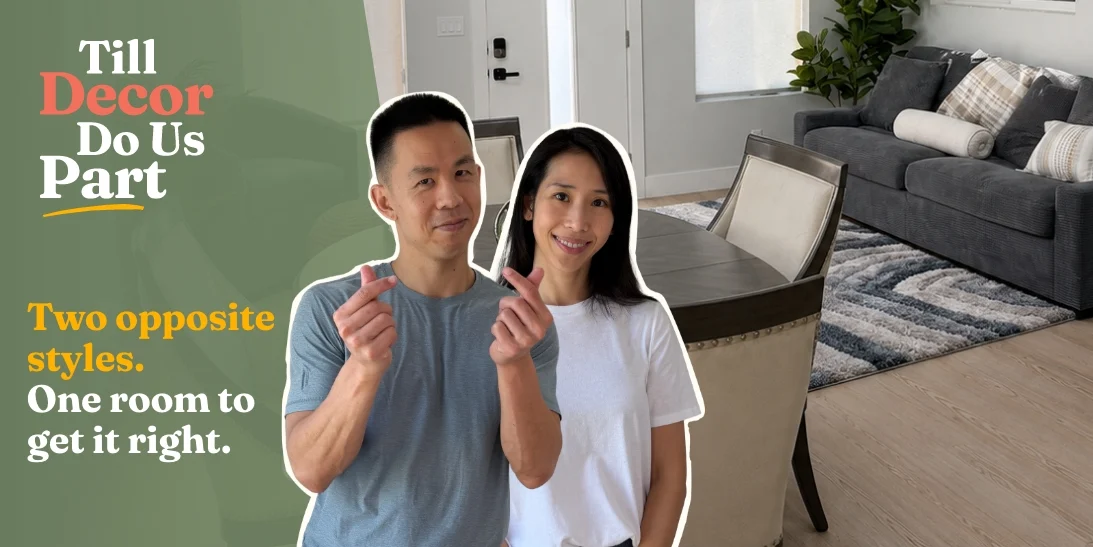
In an era where traditional television commercials are increasingly bypassed by ad-blockers and the "skip" button, Bob’s Discount Furniture has managed to achieve what many legacy retailers find impossible: capturing the undivided attention of millions of consumers through pure entertainment. By pivoting away from overtly branded sales pitches and toward a nonbranded, entertainment-driven "microdrama" series titled Till Decor Do Us Part, the retailer has not only redefined its marketing mix but has also set a new gold standard for ROI in the digital age.
The initiative, spearheaded by Chief Marketing Officer Steve Nesle, represents a significant departure from the "business-as-usual" approach of the furniture industry. By investing in short-form, reality-style storytelling, Bob’s Discount Furniture has successfully bridged the gap between social media engagement and bottom-line revenue, proving that in the modern economy, attention is the most valuable currency.
Main Facts: The $9 Million Gamble
The core of this marketing revolution lies in the performance of the first season of Till Decor Do Us Part, which debuted in July 2025. While many marketing departments are hesitant to move away from direct-response advertising—where a product and its price are the stars of the show—Steve Nesle and his team opted for a "soft-sell" approach. The series focused on the interpersonal dynamics of real couples navigating the often-stressful process of home decoration.
The results were staggering. The six-episode inaugural season generated:
- $9 million in attributed sales, directly linked to the campaign’s touchpoints.
- 152 million video views across various social platforms.
- 223 million total impressions, indicating a massive secondary reach through shares and algorithmic amplification.
- A 50% performance increase over the retailer’s traditional social media content.
Despite the production costs for the microdrama being slightly higher than standard social media assets, the sheer volume of engagement and the resulting sales lift far outweighed the initial investment. This success provided the internal leverage needed to not only greenlight a second season but to evolve the strategy even further.
Chronology: The Evolution of a Social-First Series
The 2025 Launch: Testing the Waters
The journey began in early 2025 when Bob’s Discount Furniture decided to utilize its "innovation budget"—a specific portion of the marketing spend reserved for untested, experimental tactics. At the time, microdramas—short-form scripted or reality series designed specifically for platforms like TikTok, Instagram Reels, and YouTube Shorts—were emerging as a potent trend among Gen Z and Millennial audiences.
Season 1 of Till Decor Do Us Part was produced in-house by the brand. While it featured real couples, the brand maintained tight control over the narrative and production quality. The goal was to see if entertainment could serve as a viable top-of-funnel entry point for a furniture retailer. When the season concluded in late summer 2025, the data confirmed that the "risk" was actually a high-yield investment.
The 2026 Pivot: From Influencers to Creators
Buoyed by the 2025 metrics, the marketing team began planning Season 2, which launched on September 17, 2026. However, rather than simply repeating the previous year’s formula, Nesle introduced a critical strategic shift.
In the first season, the brand relied heavily on "influencers"—individuals primarily known for their reach and ability to share opinions. For the second season, the focus shifted toward "content creators." This distinction, while subtle, proved to be the cornerstone of the new strategy. The brand selected six pairs of creators with mid-to-large-tier followings to take the lead.
The Current Rollout
The second season is currently in the midst of its release schedule, with episodes dropping weekly from mid-September through October 22, 2026. This season represents the first time Bob’s has deployed content creators on such a massive scale, once again qualifying the project for funding through the company’s innovation budget.
Supporting Data: Analyzing the "Creator" Advantage
The decision to shift from influencers to creators was driven by a desire to maximize "organic reach"—the holy grail of digital marketing where content spreads for free without additional ad spend.
Reach and Engagement Metrics
While Season 1 relied on the brand’s own channels and paid amplification to drive its 152 million views, Season 2 aims to leverage the pre-existing, highly engaged networks of the creators themselves. By choosing couples who are "wholesome, caring, relatable, and approachable," Bob’s ensured that the content would resonate naturally with the creators’ audiences.
Production Efficiency
One of the most notable data points in the transition to Season 2 is the change in production speed. In Season 1, Bob’s Discount Furniture handled the scripting, shooting, and editing. In Season 2, the brand gave creative control to the creators.
- Brand Role: Provided guidelines and thematic frameworks.
- Creator Role: Handled scripting, shooting, and final production.
- Result: A significantly faster production pipeline for the brand’s internal team, though the time spent on talent scouting and casting remained high to ensure brand alignment.
Comparative Performance
The "business-as-usual" (BAU) content at Bob’s typically focuses on product features, discounts, and showroom walk-throughs. The microdrama format outperformed this BAU content by 50% in Season 1. For Season 2, the brand expects to meet or exceed the $9 million sales figure, with a specific focus on increasing the ratio of "free traffic" (organic) to "paid traffic."
Official Responses: Insights from CMO Steve Nesle
Chief Marketing Officer Steve Nesle has been vocal about the "scary" nature of moving away from traditional branding. In recent statements, he emphasized that the success of the microdrama has validated a more courageous approach to retail marketing.
"I’m not being hyperbolic when I say that the results just made us incredibly excited," Nesle stated. "We had a strong belief in our strategy, but I’m not afraid to admit that we were completely surprised by how well it performed."
Defining the Creator/Influencer Synergy
Nesle provides a nuanced view of why the brand changed its talent strategy for 2026. "We’re not stepping away from influencers," he clarified. "They’re still a big part of our marketing ecosystem, but now we have the addition of creators. So creators and influencers working together is magic."
According to Nesle, the primary difference lies in the intent of the content. Influencers are effective at driving trust and sharing opinions, but creators are masters of the "entertainment-first" format. For a microdrama to succeed, it must first be a good show, and only secondarily a marketing tool.
The Philosophy of the Innovation Budget
Nesle also highlighted the importance of the company’s "innovation budget," which serves as a laboratory for future-proofing the brand. "We wanted to learn to what effect does partnering with a creator have on our brand, but more importantly, on organic reach, on free traffic," he explained. By using the innovation budget, the marketing team can take risks that don’t immediately have to fit into the standard ROI models of traditional advertising, though in this case, the experimental tactic became a primary revenue driver.
Implications: The Future of Retail and the "Death" of the 30-Second Spot
The success of Bob’s Discount Furniture’s microdrama series has several profound implications for the broader retail and advertising industries.
1. The Shift to "Unbranded" Storytelling
Consumers, particularly Gen Z and Millennials, have developed a sophisticated "ad-dar" (advertisement radar). They are quick to scroll past content that feels like a pitch. By creating a series where the furniture is the backdrop to human drama rather than the subject of a hard sell, Bob’s has found a way to remain "top of mind" without being intrusive. This suggests a future where brands act more like media houses and less like traditional advertisers.
2. The Decentralization of Creative Control
Perhaps the most radical move Bob’s made was giving up creative control to the content creators in Season 2. Traditionally, brands are protective of their image to the point of stifling creativity. By providing only "guidelines" and allowing creators to script and produce their own episodes, Bob’s ensured the content felt authentic to the platform. This "trust-based" marketing model is likely to become more common as brands realize that creators know their audiences better than any agency could.
3. The Migration from TV to Mobile
Nesle’s strategy is a direct response to the shifting habits of consumers. "Increasingly advertising becomes a more challenging way to connect with audiences, so we’re constantly looking for new ways to connect and resonate," he noted. As eyes move from the television screen to the smartphone screen, the format of the content must change. The 30-second commercial is being replaced by the 60-second "episode."
4. The "Innovation Budget" as a Corporate Necessity
The Bob’s Discount Furniture case study proves that an innovation budget is not a luxury, but a necessity for survival. Without a dedicated fund for "tactics never used," the brand would likely still be relying on traditional social media posts that underperform by 50% compared to their current results.
In conclusion, Till Decor Do Us Part is more than just a successful campaign; it is a blueprint for the future of retail. By prioritizing entertainment, embracing the creator economy, and being willing to "put fears to bed," Bob’s Discount Furniture has demonstrated that even the most traditional industries can find new life on the small screen. As Season 2 continues its rollout, the marketing world will be watching closely to see if the "magic" of creators can indeed "goose" organic reach to even higher levels.
