

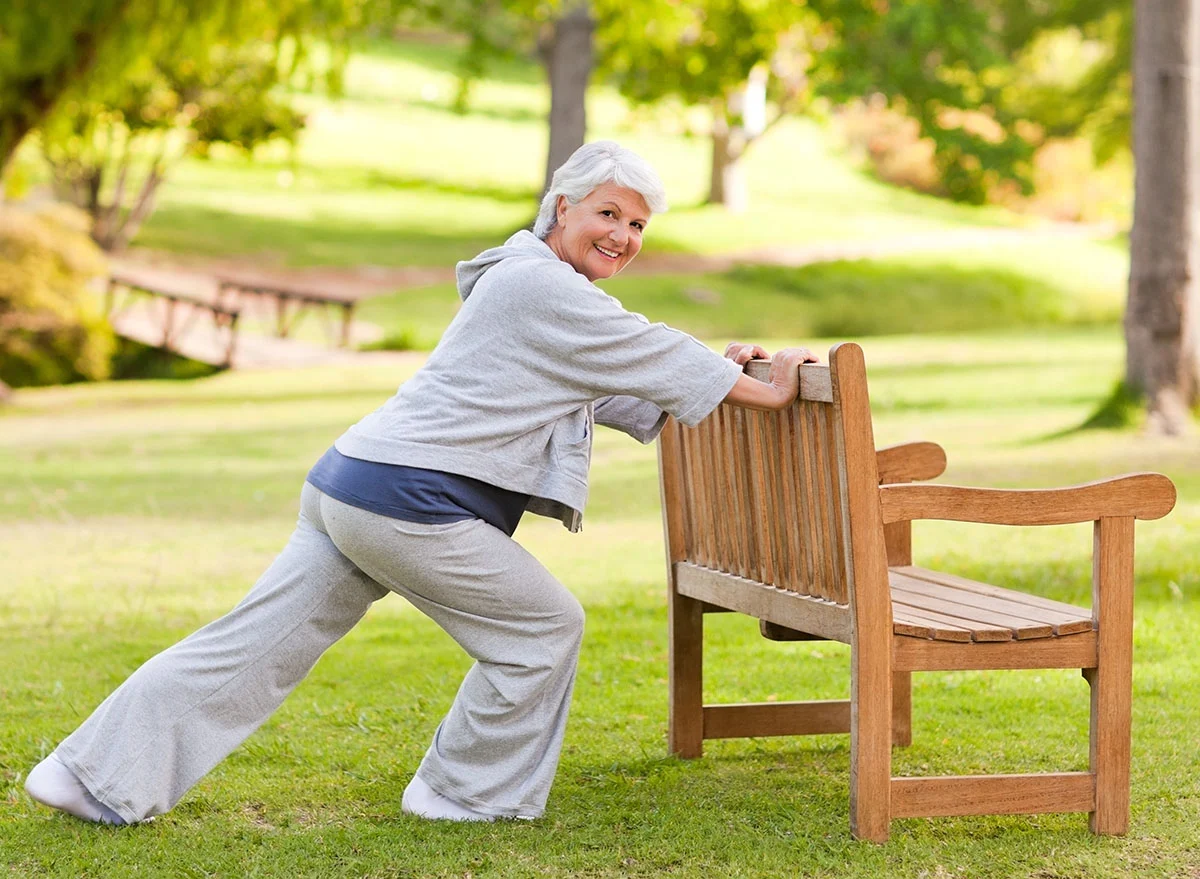
For many, the ability to get up off the floor is taken for granted until the day it becomes a challenge. As we navigate our seventies and beyond, this functional skill transitions from a trivial movement to a critical component of independent living. Whether you are kneeling to retrieve a lost item, playing with grandchildren, or recovering from an unexpected stumble, the physical capacity to return to a standing position is not just a convenience—it is a cornerstone of aging with dignity and autonomy.
The fear of being unable to rise can become a self-imposed barrier, leading many seniors to avoid activities that require getting low. This cycle of avoidance is counterproductive, as it often leads to a sedentary lifestyle that accelerates physical decline. However, the strength required for these maneuvers is highly trainable. By incorporating targeted, accessible exercises into a weekly routine, individuals can fortify their muscles, improve their balance, and significantly boost their confidence in navigating their environment.
The Physiology of Independence: Why Strength Matters
The mechanics of rising from the floor are complex, requiring a synchronized effort from the legs, core, and upper body. The legs, specifically the quadriceps and glutes, act as the primary engines, providing the power necessary to lift the body’s weight against gravity. Meanwhile, the core serves as the stabilizer, ensuring the spine remains protected, and the arms act as essential support beams, facilitating the transition from the ground to a vertical stance.
Beyond the specific act of standing, building this muscular foundation serves as a critical insurance policy against falls. While no exercise regimen can eliminate the risk of a fall entirely, robust muscle mass and improved neuromuscular control allow for quicker recovery. A person with trained, responsive muscles is more likely to catch their balance during a stumble, preventing the fall from occurring in the first place.
Chronology of Progress: A Structured Approach
You do not need to practice full, strenuous floor transfers every day to see improvement. Instead, the most effective strategy is to break the movement down into its foundational components. By focusing on squats for leg drive, lunges for split-stance stability, and incline movements for upper-body support, you create a systematic path toward improved mobility.
1. The Bodyweight Box Squat
The box squat is arguably the most functional exercise for anyone looking to maintain independence. It mimics the motion of sitting down and standing up from a chair—a movement repeated countless times throughout a standard day. By utilizing a box or a sturdy chair, you establish a consistent, safe depth for the squat, allowing you to track your progress as your thigh and glute strength increases.
- Muscles Trained: Quadriceps, glutes, hamstrings, and the core stabilizer muscles.
- Execution: Position yourself in front of a sturdy chair. With your feet shoulder-width apart, hinge at the hips and lower yourself with control until your glutes lightly tap the seat. Immediately drive through your heels to return to a standing position.
- Pro-Tip: Aim for 2 to 3 sets of 8 to 12 repetitions, resting for 45 to 60 seconds between sets. If the movement feels too difficult, increase the height of the seat or use a chair with armrests for added stability.
2. The Assisted Lunge
Floor transfers rarely involve keeping both legs perfectly aligned. In reality, the process usually involves a split stance or a half-kneeling position. The assisted lunge prepares your body for this asymmetrical movement, which is essential for regaining balance if you find yourself on the floor.
- Muscles Trained: Quads, glutes, hamstrings, calves, and core stability.
- Execution: Stand next to a wall or a heavy piece of furniture. Step one foot forward into a lunge position, using the wall for support. Lower your back knee toward the ground with control, then push through your front heel to return to the starting position.
- Pro-Tip: Perform 2 to 3 sets of 6 to 10 repetitions per side. Always prioritize balance over range of motion; it is better to have a smaller, controlled lunge than a deep, shaky one.
3. The Incline Push-Up
When getting up from the floor, your upper body must be capable of pushing your weight off the ground. The incline push-up is a safe, scalable way to build this pressing strength without the strain of starting from the floor.

- Muscles Trained: Chest, shoulders, triceps, and abdominal muscles.
- Execution: Place your hands on a sturdy, elevated surface like a countertop or a sturdy table. Keep your body in a straight, rigid line from your head to your heels. Lower your chest toward the surface by bending your elbows, then push back up.
- Pro-Tip: Focus on keeping your core engaged to prevent the lower back from arching. As your strength improves, move to a lower surface, such as a heavy bench or a lower chair.
4. The Incline Plank Hold
Stability is the "hidden" requirement of movement. When you are transitioning from the floor, your midsection must hold your torso rigid as you shift your weight. The incline plank is an approachable way to train the core to provide this necessary support.
- Muscles Trained: Abs, shoulders, chest, and glutes.
- Execution: Similar to the incline push-up, place your hands or forearms on an elevated surface. Maintain a straight line with your body and hold the position, ensuring your ribs remain stacked over your hips.
- Pro-Tip: Aim for 2 to 3 holds of 20 to 40 seconds. Avoid "sinking" into your shoulders; instead, actively push away from the surface to engage your upper back and shoulders.
Supporting Data and Evidence
Research published in journals such as the International Journal of Environmental Research and Public Health underscores that functional strength training in older adults is directly correlated with a lower risk of mortality and a higher quality of life. Studies indicate that "functional capacity"—the ability to perform activities of daily living (ADLs)—is the single most significant predictor of long-term independent living.
When an individual loses the ability to rise from the floor, it is often a sign of sarcopenia (the age-related loss of muscle mass) or diminished proprioception (the body’s ability to sense its position in space). By implementing resistance training, seniors can stimulate muscle protein synthesis, which helps counteract these age-related declines.
Official Recommendations and Clinical Perspective
Physical therapists and geriatric fitness specialists consistently recommend that adults over 70 incorporate at least two days of strength training per week. The "American College of Sports Medicine" (ACSM) guidelines emphasize that exercise for seniors should focus on functional movements rather than isolated muscle work.
"The goal is not to become a bodybuilder," notes Jarrod Nobbe, CSCS, a specialist in performance coaching. "The goal is to build a body that is resilient enough to handle the demands of everyday life. When we train the squat, the lunge, and the push, we are training the body to navigate the world safely."
Implications for Longevity
The implications of maintaining these skills are profound. When you are confident in your ability to get up, you are more likely to remain socially active, participate in hobbies, and maintain your household without external assistance. This autonomy is the primary driver of psychological well-being in the later stages of life.
Furthermore, the process of training these movements provides a meditative, empowering feedback loop. By tracking small, consistent wins—such as being able to lower the height of the box during a squat or holding a plank for five seconds longer—you build a sense of efficacy that transcends the gym.
Conclusion
Getting off the floor is not merely a physical act; it is a declaration of independence. By dedicating time to these four foundational movements, you are investing in a future where you remain the captain of your own physical destiny. Start slowly, prioritize your form, and remember that every repetition is a brick in the wall of your long-term health. The strength to rise is within you—all it takes is the commitment to train it.
References
- National Center for Biotechnology Information (NCBI): "Functional Training and Fall Prevention in the Elderly."
- American College of Sports Medicine: "Exercise Guidelines for Older Adults."
- Journal of Aging and Physical Activity: "The Impact of Strength Training on ADL Independence."
- Clinical Research on Mobility: "Predictors of Independent Living in Adults Aged 70+."
