

By Investigative Desk
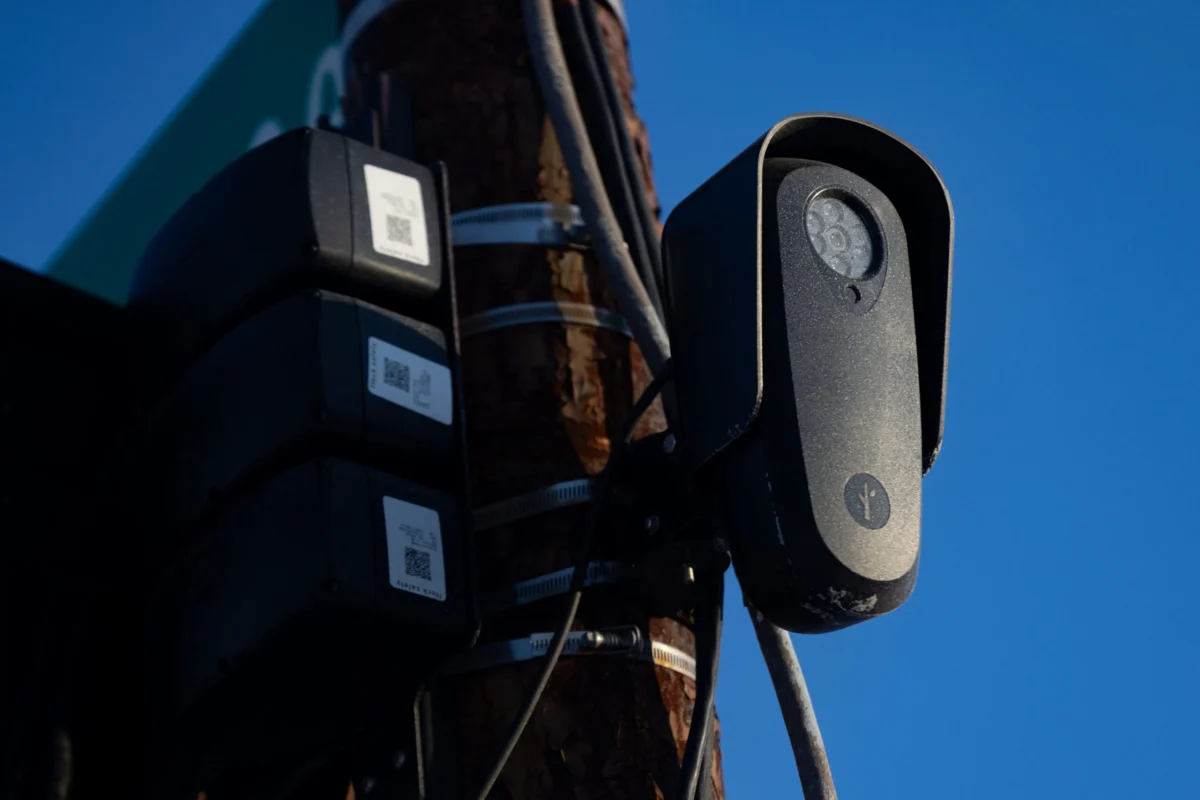
The rapid proliferation of automated license plate reader (ALPR) technology across American municipalities has long been hailed as a revolutionary tool for modern law enforcement, promising to turn the tide against vehicle theft and violent crime. However, a recent indictment in a Cincinnati suburb has thrust the industry leader, Flock Safety, into the center of a growing national debate over privacy, accountability, and the potential for systemic abuse of surveillance power.
Walter Cordes, a 48-year-old lieutenant with the Sharonville Police Department, now faces a felony charge of unauthorized use of a computer, cable, or telecommunication property. According to the Hamilton County Prosecutor’s Office, Cordes allegedly exploited his administrative access to the department’s Flock camera network to conduct personal, non-law-enforcement-related surveillance on an individual. This indictment marks a significant turning point in the local oversight of mass surveillance technology and adds to a mounting pile of evidence suggesting that the "panopticon" of modern policing is susceptible to the very human failings it was designed to police.
The Charges: A Pattern of Unauthorized Surveillance
The indictment, returned by a grand jury on October 13, 2026, alleges that Cordes conducted 29 separate searches of the Flock system between December 19, 2024, and April 20, 2026. While the legal filing remains narrow in its description of the act—a fifth-degree felony carrying a potential sentence of up to 12 months in prison—the implications are broad.
Prosecutors have remained tight-lipped regarding the specific identity of the target or the underlying motive for the tracking. The absence of a stated motive has only deepened public speculation, as the gap between a legitimate investigative query and a personal vendetta or curiosity remains a critical failure point in police digital ethics.
The discovery of these unauthorized queries was not the result of external whistleblowing or a public outcry, but rather an internal department audit. In June, as the Sharonville Police Department conducted a routine review of its Flock system usage, Cordes reportedly self-reported the illicit activity. He later admitted to the searches during an interview with the Hamilton County Sheriff’s Office, which took over the investigation to ensure impartiality.
Chronology of the Investigation
The sequence of events surrounding the Cordes case highlights the lag between systemic misuse and institutional detection:
- December 2024: Cordes initiates the first of the unauthorized searches, beginning a 16-month period of alleged misuse.
- April 2026: The final unauthorized search is recorded in the system logs.
- June 2026: Sharonville Police conduct a comprehensive internal audit of their Flock usage. During this process, Cordes confesses to the misuse.
- Summer 2026: The Hamilton County Sheriff’s Office launches an official criminal investigation into the lieutenant’s actions.
- October 13, 2026: A Hamilton County grand jury indicts Cordes on one count of unauthorized use of a computer.
- Post-Indictment: Cordes remains on administrative leave, and the Sharonville Police Department continues its internal disciplinary investigation.
Sharonville Police Chief Jim Nesbit confirmed to local media outlets that the audit identified broader issues within the department’s use of the technology. While the department has taken steps to address those improper usages, the Cordes case remains the most severe, leading to criminal charges.
The National Context: A Growing Trend of Misconduct
The Cordes indictment is not an isolated incident; it is part of a troubling, accelerating pattern of law enforcement officers using high-tech surveillance tools to stalk ex-partners, track political enemies, or satisfy personal curiosity.
In September 2026, the landscape of law enforcement accountability shifted when prosecutors in Marion County, Indiana, leveled charges against five Indianapolis police officers. The allegations were particularly egregious, with one officer accused of using the Flock system to track his ex-wife’s vehicle over 950 times in just six months. This level of granular, persistent surveillance—enabled by technology that captures nearly every movement a vehicle makes—demonstrates the "stalking-as-a-service" potential that critics have warned about since the inception of widespread ALPR programs.
Similarly, on October 7, 2026, Jeremy Harrison, a former lieutenant with the Joliet, Illinois, Police Department, was charged with computer tampering and official misconduct. These cases, occurring within weeks of one another, have created a "contagion of skepticism" regarding the safety and security of the Flock network.
Official Responses and the Burden of Trust
Hamilton County Prosecutor Connie Pillich, who has been vocal about the gravity of the situation, issued a sharp critique of the breach. "When technology is misused, it undermines public trust," Pillich stated. For her office, the case represents a first: the initial prosecution of a law enforcement official for misusing this specific surveillance technology.
The local Fraternal Order of Police (FOP) has adopted a position of measured concern. Rich Krummen, president of FOP Lodge 74, acknowledged that the community—and the rank-and-file officers—were "shocked" by the revelations. However, he emphasized that the discovery of the crime, however unpleasant, serves as a testament to the necessity of oversight. "That’s why we have checks and balances," Krummen noted, highlighting that the system designed to flag misuse ultimately did its job.
The company at the center of the storm, Flock Safety, has maintained a wall of silence following the indictment. A spokesperson for the $8.3 billion firm has previously pointed to their "Audit Assistance" tool, a software feature designed to flag unusual search patterns for administrators. Yet, the question remains: if the system is designed to catch unusual activity, why did the misconduct in Sharonville and other jurisdictions continue for months or even years before being addressed?
Implications for the Future of Surveillance
The fallout from these indictments has already manifested in tangible policy changes. In Greater Cincinnati, a ripple effect has seen multiple jurisdictions re-evaluating or outright canceling their contracts with Flock Safety. Even the Hamilton County Sheriff’s Office, which led the investigation into Cordes, has moved to distance itself from the technology amid the ongoing privacy concerns.
This trend is not limited to the Midwest. In August, the Arizona cities of Tempe and Cave Creek terminated their agreements with Flock on the same day. Cave Creek officials specifically cited "privacy concerns and cases of misuse" as the primary drivers of the decision. This creates a difficult paradox for the company: as they continue to raise hundreds of millions in venture capital and expand their footprint, the "privacy debt" they have accrued is causing local governments to reassess whether the convenience of high-tech policing is worth the institutional risk.
Technological Dependency and Oversight
The core of the issue lies in the tension between data availability and data governance. Flock Safety cameras act as a permanent, searchable record of civilian movement. When access to this data is granted to thousands of individual officers with varying levels of training and ethical standards, the potential for catastrophic failure is high.
As the legal proceedings against Walter Cordes progress, the outcome will likely set a precedent for how Ohio handles the intersection of privacy rights and law enforcement technology. For the public, the question is whether the "checks and balances" touted by police unions are truly robust enough to prevent the transformation of public safety tools into instruments of private surveillance.
For now, the Sharonville Police Department is left to grapple with the fallout, while the legal community watches to see if this indictment serves as a deterrent or merely a footnote in an ongoing debate over the surveillance state. As Prosecutor Pillich noted, the misuse of this technology does not just break the law—it shatters the fragile social contract between the police and the communities they are sworn to protect.
