

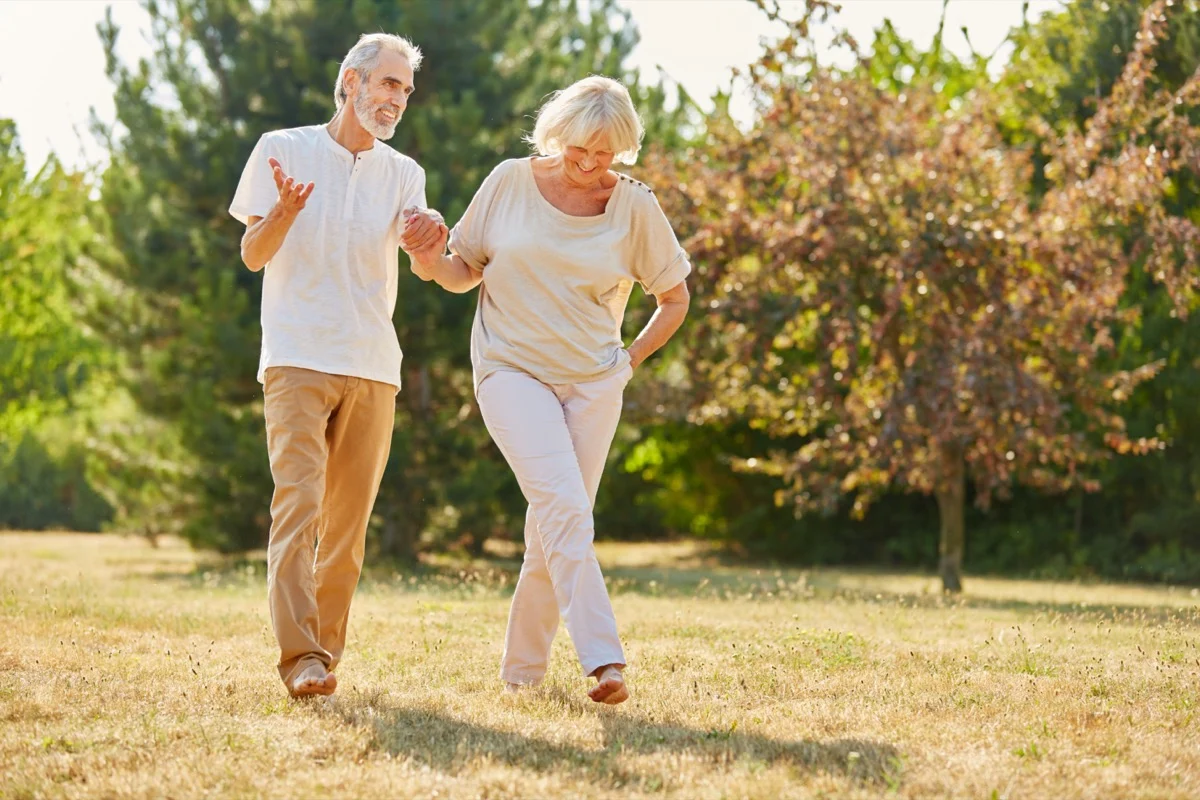
For many, walking is the gold standard of healthy aging. It is a low-impact, accessible, and highly effective way to maintain cardiovascular health, metabolic function, and mental clarity. However, as we cross the threshold of 60, many adults begin to notice subtle, yet frustrating, changes in their gait. Steps may feel shorter, the push-off phase of a stride may lack its former "snap," or a sense of instability may creep in during uneven terrain.
While the instinctive reaction for many is to "just walk more," this strategy can occasionally lead to overuse injuries if the underlying musculoskeletal foundation has weakened. Often, the solution isn’t more mileage—it’s targeted strength training. By utilizing a simple, ubiquitous tool—the wall—you can build the functional strength necessary to reclaim a confident, fluid, and powerful stride.
The Physiology of the Aging Stride: Why Strength Matters
Walking is a complex, full-body mechanical process. It requires the coordination of the nervous system, the engagement of the core for stability, and the explosive power of the lower extremities for propulsion. As we age, sarcopenia—the natural loss of muscle mass—primarily affects fast-twitch muscle fibers, which are essential for balance and reactive strength.
When these muscles fade, the body compensates. We take shorter steps to keep our center of gravity closer to our base of support, and we rely more heavily on our joints rather than our muscles. By shifting our focus from cardio-only habits to strength-based programming, we can reverse these trends. Utilizing a wall as an exercise partner provides a "stability anchor," allowing individuals to perform movements that require balance without the fear of falling, thereby enabling them to push their muscles to the necessary intensity for growth.
Chronology of Progress: Building a Foundation
Strength training is not an overnight fix; it is a cumulative process. To see real-world results in your walking ability, consistency over a 4-to-8-week period is essential.
Phase 1: Weeks 1–2 (The Adaptation Phase)
During the first two weeks, the goal is not to exhaust the muscles but to master the mechanics. Focus on the "form tips" provided for each exercise. You are teaching your brain and muscles to coordinate under tension. Do not worry about high repetitions; worry about high-quality movement.
Phase 2: Weeks 3–6 (The Strengthening Phase)
Once the movements feel natural, it is time to apply "progressive overload." This can be achieved by slowing down the eccentric (lowering) phase of the movement, increasing the duration of the holds, or slightly increasing the depth of your squats or lunges. This is when the muscles begin to adapt to the demand by becoming denser and more powerful.
Phase 3: Weeks 7 and Beyond (The Integration Phase)
Now that your legs and core are stronger, you will notice a difference in your daily walks. Your stride length will naturally increase because your hips are more mobile and your glutes are more powerful. Continue the wall routine two to three times per week to maintain these gains while integrating longer or slightly more challenging walks into your routine.
Supporting Data: The Science of Functional Movement
Research consistently indicates that targeted strength training is the most effective intervention for preserving independent mobility in older adults. A study published in the Journal of Aging and Physical Activity highlights that resistance training improves not just muscle size, but neuromuscular recruitment—meaning your brain gets better at telling your legs to move quickly and securely.
Furthermore, balance-focused strength training, such as the wall-based exercises outlined below, has been shown to reduce the risk of falls by addressing the "side-to-side" stability often missing from traditional walking routines. By strengthening the obliques and the hip stabilizers, you are effectively "armor-plating" your joints against the risks of slips and stumbles.

The Five Essential Wall Moves
1. The Wall Squat: Building Foundational Power
The squat is the king of functional movements. It mimics the act of sitting and standing, which is crucial for daily independence. The wall provides a safety net that prevents the knees from drifting too far forward and helps maintain a neutral spine.
- Targeted Muscles: Quadriceps, Gluteus Maximus, Hamstrings, and Core.
- The Benefit: It builds the raw strength required to propel your body forward with each step.
- Execution: Stand with your back against a wall, feet shoulder-width apart. Slowly slide down until your thighs are at a comfortable angle. Keep your weight in your heels.
2. The Wall Sit: Enhancing Muscular Endurance
While the squat builds power, the wall sit builds the "stamina" required for long walks. By holding a static position, you force the muscle fibers to sustain tension without rest, which is exactly what happens when you are halfway through a mile-long hike.
- Targeted Muscles: Quadriceps, Glutes.
- The Benefit: It improves the ability to handle hills and uneven ground without fatigue.
- Execution: Lower into a squat position against the wall and hold. Ensure your knees do not cave inward.
3. The Wall Calf Raise: The Engine of Propulsion
The calf muscles are often overlooked, but they are the final point of contact with the ground. A strong calf "push-off" is what differentiates a brisk, youthful walk from a slow, shuffling gait.
- Targeted Muscles: Gastrocnemius, Soleus, and intrinsic foot muscles.
- The Benefit: Direct improvement to stride length and walking speed.
- Execution: Place hands on the wall for balance. Rise onto the balls of your feet, squeezing the calves at the top, and lower slowly.
4. The Wall March: Mastering Weight Transfer
Walking is essentially a series of controlled falls. With every step, you shift your entire body weight onto one leg. Wall marching isolates this transition, forcing your hip stabilizers to hold your pelvis level while the other leg moves.
- Targeted Muscles: Hip Flexors, Glutes, and Core.
- The Benefit: Eliminates the "waddle" or side-to-side sway, creating a smooth, efficient gait.
- Execution: Stand facing the wall. Alternately drive your knees toward your chest while keeping your core braced.
5. The Wall Side Plank: Core Stability
A strong core acts as the bridge between your upper and lower body. The wall side plank targets the obliques, which prevent your torso from rotating excessively while you walk.
- Targeted Muscles: Obliques, Abdominals, and Shoulders.
- The Benefit: Keeps your posture upright and stable, reducing back strain during long walks.
- Execution: Place your forearm against the wall, turn sideways, and hold your body in a straight line.
Implications for Longevity and Independence
The decision to incorporate these exercises is not merely about "fitness" in the aesthetic sense—it is about functional longevity. The implications of maintaining a strong gait are profound. Studies have shown that walking speed in older adults is a significant predictor of overall life expectancy. A slower, less confident gait is often a precursor to frailty and reduced social engagement.
By reclaiming your ability to walk with confidence, you are investing in your quality of life. You are ensuring that you can continue to participate in family outings, travel, and the simple joys of a neighborhood stroll well into your 70s, 80s, and beyond.
Official Guidance for Implementation
When beginning this program, consider the following expert guidelines:
- Listen to Your Body: Discomfort is expected, but sharp pain is a signal to stop. If a movement causes knee or back pain, reduce the range of motion.
- Frequency: Start with two sessions per week. As your recovery improves, you may advance to three.
- Integration: Never replace your walks with these exercises. Instead, view these exercises as the "maintenance" required to keep your walking machine running smoothly.
- Professional Consultation: If you have a history of orthopedic issues, consult with a physical therapist before starting any new routine.
In conclusion, your legs are your primary mode of transportation for the rest of your life. Treating them with the same attention you would give a high-performance vehicle—through regular maintenance and targeted strengthening—is the most proactive step you can take toward a vibrant, active, and independent future. The wall is there, waiting. It is time to put it to work.
