


In a move that marks a significant departure from the modern subscription-first gaming model, Microsoft has officially entered the "a la carte" cloud gaming era. Following the company’s decision in September to significantly restrict the expansive "all-you-can-eat" game streaming buffet previously available to Game Pass subscribers, Microsoft has now unveiled its solution for those who prefer not to maintain a recurring monthly membership: metered "Cloud Playtime."
As of October 2026, Microsoft has rolled out these Cloud Playtime purchase packs to members of the Xbox Insider program. This development represents a pivot toward a granular, pay-as-you-go billing structure, forcing consumers to re-evaluate what it actually means to "own" a game in the digital age.
The Chronology of the Cloud Shift
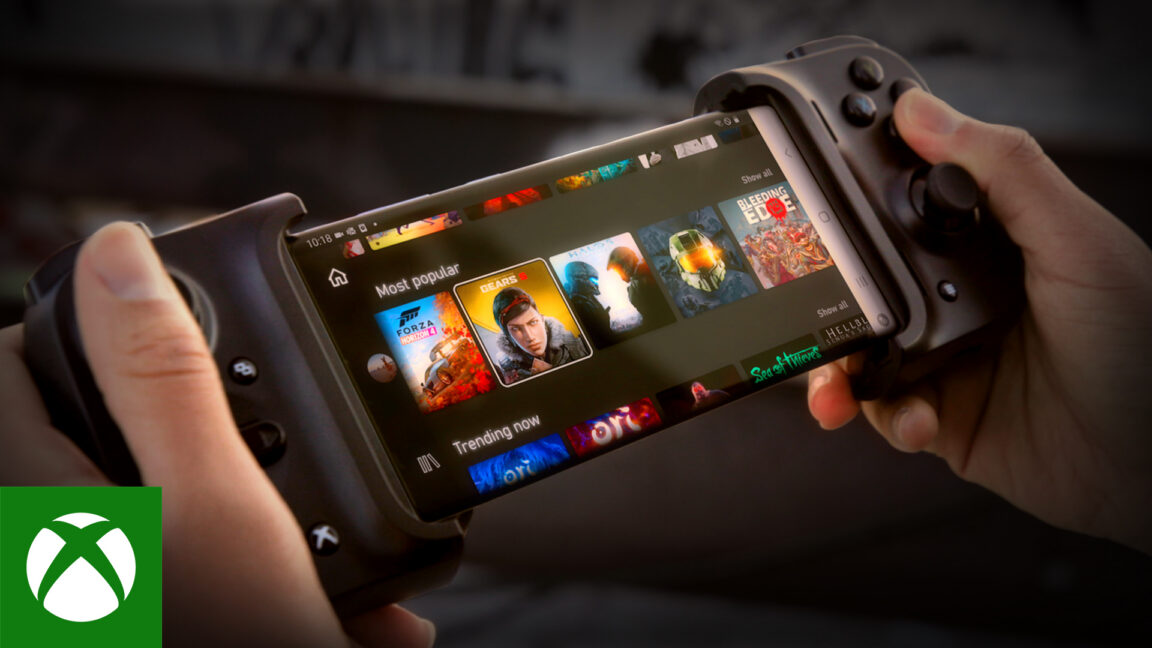
To understand the current controversy, one must look back at the trajectory of Xbox’s cloud infrastructure. For years, Microsoft positioned Xbox Cloud Gaming as a value-add feature of the Game Pass Ultimate subscription. It was an ecosystem designed to remove friction: if you were a subscriber, you could stream a vast library of titles to phones, tablets, and smart TVs without additional fees.
Key milestones in this transition include:
- The Golden Age of Access: Xbox Cloud Gaming launches as an inclusive feature for Game Pass Ultimate, marketed as the "Netflix for games."
- September 2026: Facing rising server costs and shifting market strategies, Microsoft imposes harsh new time limits on streaming, effectively curbing the unlimited nature of the service.
- The "Purchase to Stream" Promise: Alongside the restrictions, Microsoft confirms that players will eventually be able to stream games they own outright, provided they purchase separate "cloud time."
- October 2026: The pilot program for Cloud Playtime goes live for Xbox Insiders, establishing the pricing tiers and mechanics of the new, metered system.
Breaking Down the Meter: How It Works
Microsoft’s new model functions like a pre-paid data plan or a classic arcade cabinet. Users purchase "Cloud Playtime packs" via the Xbox Store. These hours are credited to the user’s account and are consumed only when the user is actively streaming.
Crucially, Microsoft has confirmed that these packs do not expire. If a player purchases a 50-hour block, it remains available until fully depleted, regardless of how long it takes the player to burn through those hours. This "non-expiring" clause is the primary olive branch extended to consumers, ensuring that occasional players aren’t penalized for taking long breaks from their digital libraries.
However, the barrier to entry remains high. Unlike cloud platforms of the past, this service is not a standalone gateway. To utilize these hours, the user must already own the game in question or, in the case of specific titles, have access to a free-to-play game.
Supporting Data and the "Double-Dip" Dilemma
The financial implications of this model are where the most significant pushback resides. When a user buys a console game, they are paying for a license to play that software. Historically, that license included the right to play the game on local hardware. Now, if that user wishes to play the same game via the cloud—perhaps on a handheld device or a television without an Xbox console—they must pay a "streaming premium."
Comparative Analysis of Costs
While Microsoft has marketed these prices as "introductory launch pricing," the psychological impact on the consumer is significant:
- The Upfront Cost: A player purchases a premium title for $70.
- The Streaming Surcharge: To stream that title, the player must now purchase additional Cloud Playtime.
- The Value Gap: When compared to a subscription, the cost-per-hour for a heavy user quickly exceeds the price of a monthly Game Pass Ultimate membership.
This creates a "double-dip" scenario. The consumer is effectively paying twice for the same product: first for the software license, and second for the infrastructure delivery (the cloud server). While a rate of roughly 24 cents per hour may seem negligible on its own, it fundamentally alters the value proposition of owning digital media.
Historical Context: From Arcades to Subscriptions
The industry’s move toward metered play evokes a sense of irony among veteran gamers. In the 1980s and 90s, the arcade model thrived because it was communal and low-commitment; you didn’t have to buy the cabinet, you just rented the experience for a few minutes.
Microsoft’s new model mimics the arcade’s "metered" nature but adds the burden of the "home console" overhead. You are now expected to buy the cabinet (the game) and then feed it quarters (Cloud Playtime) to make it run.
This stands in stark contrast to the failed Google Stadia experiment. Stadia offered a similar "buy to stream" model but failed to capture a significant market share. One major difference: Stadia did not offer local play. If the cloud servers went down, the game was inaccessible. Microsoft, conversely, allows for local play on an Xbox console, meaning these streaming hours are purely an optional convenience—or a necessary tax for those without a local console.
Implications for the Future of Digital Ownership
The introduction of Cloud Playtime signals a broader industry trend: the monetization of accessibility. As Microsoft and other platform holders realize that unlimited cloud streaming is an expensive service to maintain, they are incentivizing users to move toward a "pay-for-what-you-use" model.
The Impact on Consumer Behavior
- Subscription Fatigue: By creating a friction-heavy a la carte option, Microsoft may be subtly pushing users back toward the monthly subscription model, which remains the most cost-effective way to access the cloud.
- The Rise of "Hybrid" Play: Gamers may begin to view their libraries differently, prioritizing games that offer cross-progression between local and cloud play, and reserving their "streaming budget" for titles that are less intensive or better suited for mobile play.
- Platform Loyalty: This change reinforces the "walled garden" approach. If a user owns a library of games on Xbox, they are now financially incentivized to stay within that ecosystem, as moving to a competitor would require repurchasing games or starting from scratch.
Official Stance and Community Reaction
Microsoft has framed this as an expansion of choice. In their official communication to Xbox Insiders, they highlighted the flexibility of the system, emphasizing that it provides a way for gamers without active subscriptions to still enjoy the benefits of cloud gaming.
However, the reaction from the community has been mixed. Critics argue that this is a "nickel-and-diming" tactic that devalues the concept of game ownership. Proponents, meanwhile, suggest that for the "casual-plus" gamer—someone who plays one or two games sporadically throughout the year—this is a more economical choice than paying a recurring monthly fee for a service they rarely utilize.
Conclusion: A New Frontier for Gaming Economics
Microsoft’s pivot to metered cloud gaming is a watershed moment in the evolution of digital distribution. It represents a transition away from the "all-you-can-eat" era of the mid-2020s and toward a more granular, utility-based pricing model.
As this pilot program moves out of the Insider phase and potentially into a wider release, the success of the model will depend on how consumers value the convenience of the cloud. If the cost of the "streaming tax" remains low enough to be perceived as a service fee rather than a barrier, Microsoft may have found a viable way to monetize the cloud without the high overhead of unlimited access.
However, the company walks a fine line. By asking players to pay for the right to stream the games they already own, Microsoft risks alienating the very audience that has fueled its growth. The "arcadeification" of the living room is here; whether it becomes the new standard or a cautionary tale remains to be seen. For now, the meter is running, and the gaming community is watching to see who will be left footing the bill.
