

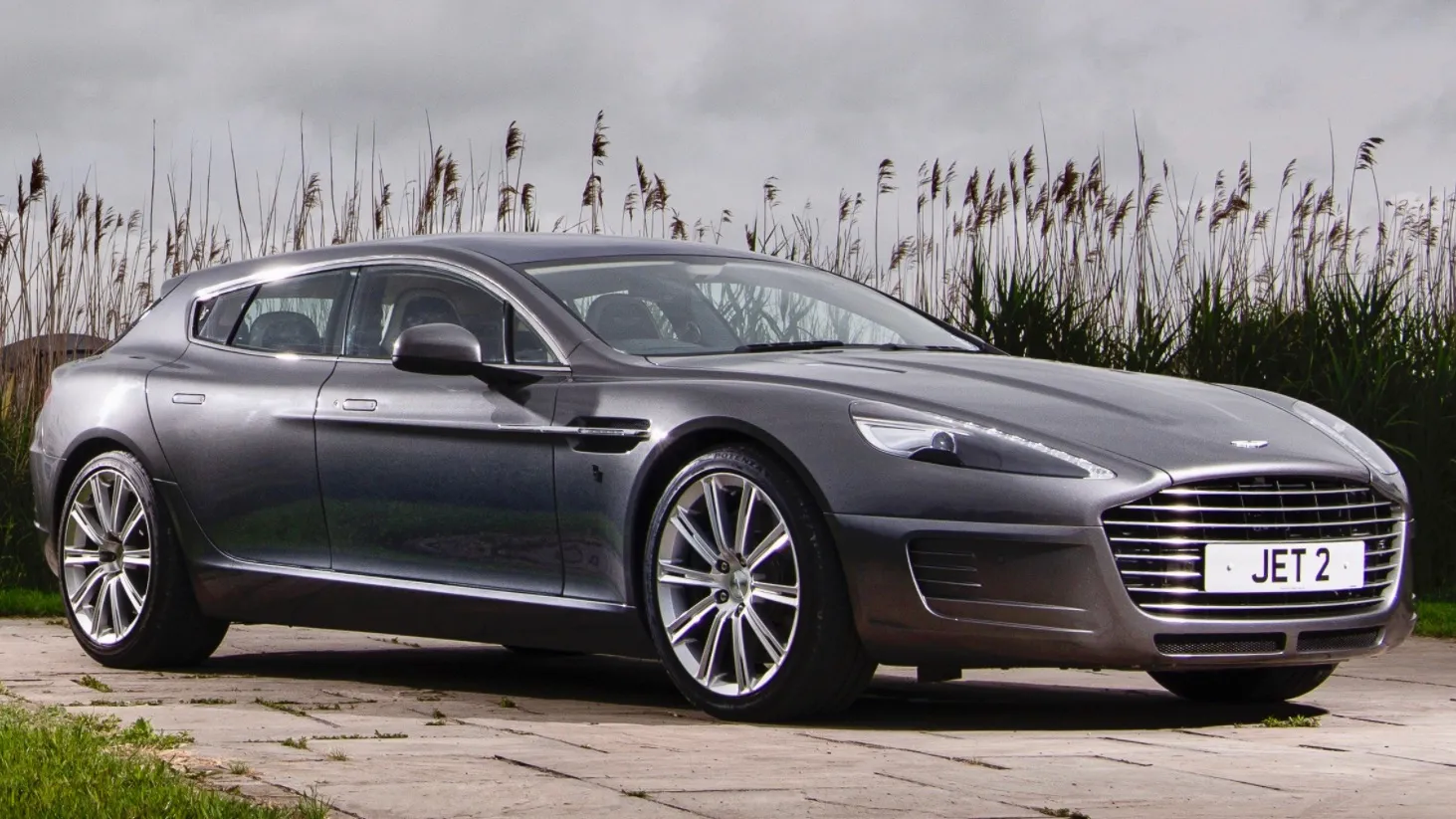
In the pantheon of automotive history, few names resonate with the same mythic weight as Bertone. The legendary Italian design house, responsible for shaping the aerodynamic contours of the Lamborghini Miura, the Lancia Stratos, and the Alfa Romeo Montreal, defined an era of aesthetic audacity. Yet, even the brightest stars eventually fade. The final concept car to emerge from the hallowed halls of Bertone before its descent into bankruptcy is a machine that bridges the gap between grand touring elegance and utility: the Aston Martin Bertone Jet 2+2.
As of March 29, this singular piece of automotive art is crossing the auction block at Dore & Rees. For collectors and historians alike, this represents more than a mere transaction; it is the acquisition of a final, melancholic chapter in one of the most storied partnerships in the automotive industry.
The Genesis of the Jet 2+2: A Century of Collaboration
The story of the Jet 2+2 began not in a boardroom, but as a celebratory tribute. Commissioned by dedicated Aston Martin collector Barry Weir, the vehicle was envisioned as a centerpiece for Aston Martin’s centenary celebrations in 2013. More importantly, it served to commemorate 60 years of creative synergy between the British marque and the Italian masters at Bertone.
Unveiled at the 2013 Geneva International Motor Show, the Jet 2+2 took the existing architecture of the Aston Martin Rapide—a sleek, four-door sports sedan—and reimagined it through the lens of a classic shooting-brake. By extending the roofline and refining the rear silhouette, Bertone created a profile that was both aggressive and deeply practical, a rarity in the world of high-performance concept vehicles.
A Lineage of "Jets"
The nomenclature of the Jet 2+2 is deeply rooted in the past. It was directly inspired by the Bertone Jet 2 concept of 2004, which utilized the first-generation Aston Martin Vanquish as its canvas. The original Jet 2 was so well-regarded that Bertone retained it within their private collection for nearly a decade, eventually pulling it from the archives to be meticulously refreshed and displayed alongside the Jet 2+2 in Geneva.

Tracing the heritage further back, the "Jet" lineage finds its progenitor in the 1961 Bertone Jet, a stunning concept based on the iconic Aston Martin DB4. This connection underscores the long-standing affection Bertone held for the British brand’s chassis, viewing them as the perfect medium for sculptural experimentation.
Chronology: From Concept to Orphan
The life cycle of the Jet 2+2 is a narrative of ambition thwarted by external forces. Below is the timeline of this exceptional vehicle’s brief but impactful existence.
- 2012: Barry Weir commissions Bertone to create a special shooting-brake variant of the Aston Martin Rapide to celebrate Aston Martin’s 100th anniversary.
- March 2013: The Jet 2+2 makes its global debut at the Geneva International Motor Show. It is an immediate sensation, drawing praise for its balance of luxury, power, and practicality.
- Late 2013: Initial reports suggest that, due to high demand and interest from prospective clients, Aston Martin and Bertone consider a limited production run of 10 units.
- 2014: The house of Bertone, plagued by mounting financial difficulties and structural instability, files for bankruptcy. The ambitious production plans for the Jet 2+2 are permanently scrapped.
- 2024: The prototype, having survived the dissolution of its creator, is consigned to the auction house Dore & Rees, marking its first major public sale as a piece of history.
Engineering and Performance: The Soul of a Rapide
While the bodywork of the Jet 2+2 is pure Italian sculpture, its heart is undeniably British. The concept is not a "static display" model; it is a fully functional, road-legal automobile that retains the mechanical heart of the production Rapide.
Technical Specifications
- Engine: 6.0-liter naturally aspirated V-12.
- Power Output: 476 horsepower (bhp).
- Torque: 553 lb-ft.
- Transmission: Rear-mid-mounted six-speed ‘Touchtronic 2’ automatic.
- Performance: 0–62 mph in approximately 5.3 seconds.
- Odometer: 24,169 miles.
The fact that the car has covered over 24,000 miles is a testament to its reliability and its owner’s willingness to treat it as a true grand tourer rather than a museum relic. The chassis dynamics are largely unchanged from the standard Rapide, meaning it offers the same long-legged comfort and visceral V-12 soundtrack that made the Rapide a darling of the motoring press. However, the shooting-brake conversion offers significantly improved headroom for rear-seat passengers and a more versatile cargo area, effectively transforming a driver’s car into a genuine "lifestyle" vehicle.
The Implications of a Lost Production Run
The cancellation of the ten-car production run remains one of the great "what ifs" of the 2010s. Had the bankruptcy not intervened, the Jet 2+2 would have likely become a cornerstone of the modern "Coachbuilt" movement, where manufacturers collaborate with legendary design houses to create bespoke, limited-run models for their most discerning clientele.
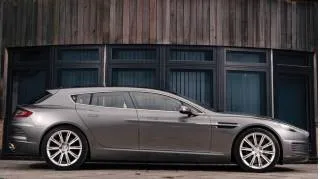
Because those ten cars were never built, the Jet 2+2 remains a unique, one-of-a-kind specimen. In the world of high-end car collecting, this is the ultimate "Holy Grail." It is not just a car; it is the final testament of one of the world’s greatest design firms. When the gavel falls at the Dore & Rees auction, the new owner will be purchasing more than horsepower and leather; they will be acquiring the closing statement of the House of Bertone.
The Resurrection: Bertone in the Modern Era
While the original Bertone design house fell in 2014, the brand name itself has undergone a complex revival. In 2022, the Bertone name was licensed for the creation of the GB110, a modern supercar project that aims to push the boundaries of high-performance engineering. With a stated goal of producing 33 units and a focus on utilizing fuel derived from recycled plastic waste, the new iteration of Bertone aims to marry the spirit of the past with the environmental exigencies of the future.
However, for enthusiasts, the GB110 is a separate entity. It serves as a reminder that while names can be revived and logos can be repurposed, the specific creative atmosphere that gave birth to cars like the Jet 2+2—a synthesis of 20th-century Italian coachbuilding traditions—is a fleeting historical phenomenon.
Conclusion: A Masterpiece for the Connoisseur
The Aston Martin Bertone Jet 2+2 stands as a monument to a lost age. It is a vehicle that embodies the elegance of a grand tourer, the utility of a wagon, and the prestige of a bespoke creation. As it heads to auction, it carries with it the ghosts of the designers and craftsmen who poured their passion into its panels.
For the successful bidder, the car offers a dual identity: it is a high-performance machine ready to conquer open roads, and a historically significant artifact that demands careful stewardship. Its existence is a poignant reminder that even the most legendary institutions are not immune to the passage of time, yet the beauty they create can endure long after the workshops have gone quiet. The Jet 2+2 is not just the last Bertone concept; it is a final, breathless display of what is possible when the world’s best engineers and designers are given the freedom to dream.
