

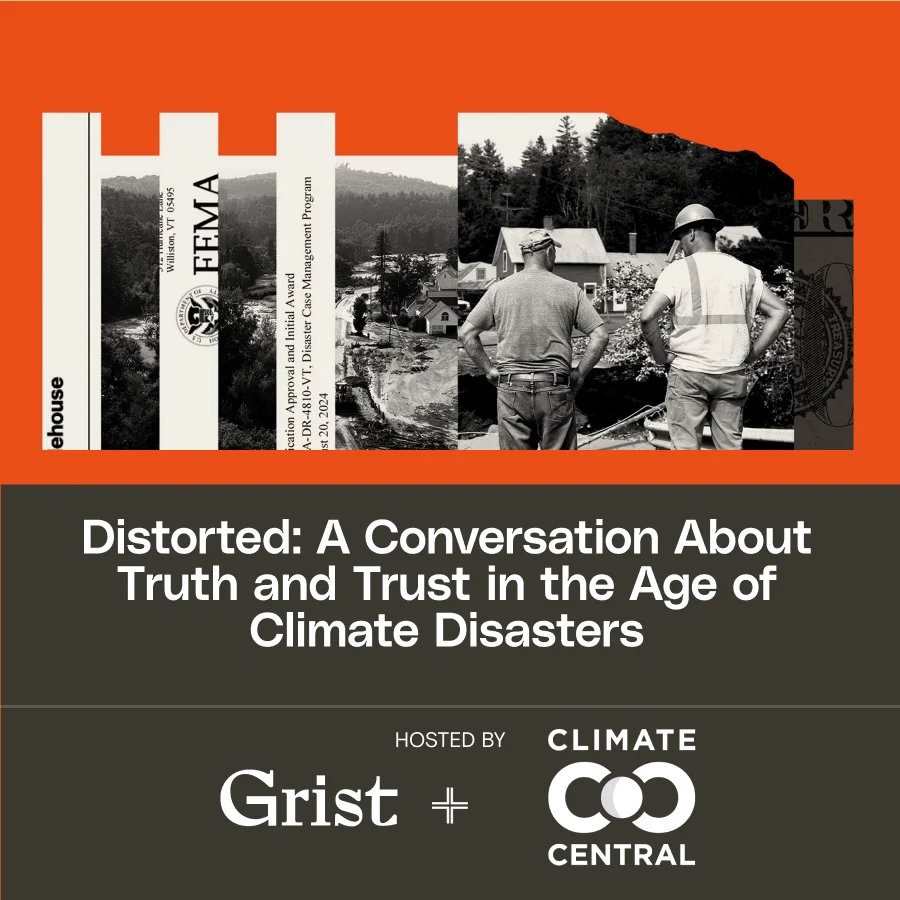
In an era defined by accelerating climate volatility, the integrity of information has become as critical as the physical infrastructure designed to withstand a hurricane or wildfire. When disaster strikes, communities are often plunged into a dual crisis: the immediate threat to life and property, and a secondary, invisible contagion—the "infodemic."
As extreme weather events grow in frequency and intensity, they provide a fertile breeding ground for misinformation. When telecommunication lines falter and anxiety peaks, social media platforms often transform from lifelines into conduits for rumors, conspiracy theories, and panic. To address this growing challenge, Grist and Climate Central are convening a panel of leading meteorologists, investigative journalists, and information researchers for a virtual seminar aimed at bolstering public resilience against the tide of digital falsehoods.
The Anatomy of a Digital Disaster
The convergence of high-stakes weather events and digital connectivity has fundamentally altered the landscape of disaster management. Historically, the primary challenge during a natural disaster was the disruption of physical infrastructure. Today, the disruption of the information ecosystem is equally perilous.
When a storm hits, the human brain’s heightened state of "fight or flight" makes individuals more susceptible to alarmist content. Misinformation often preys on this psychological vulnerability, utilizing emotional triggers to bypass critical thinking. Whether it is fabricated claims about government weather manipulation or inaccurate reports on evacuation routes, the speed at which misinformation spreads—often referred to as the "virality of fear"—frequently outpaces the dissemination of official emergency guidance.
The upcoming virtual event, scheduled for October 28 at 1:00 p.m. ET, seeks to dissect these mechanisms. By bringing together experts who operate at the intersection of climate science and media literacy, the organizers hope to provide a blueprint for how individuals, community leaders, and journalists can communicate more effectively before, during, and after extreme weather events.
Chronology of a Crisis: From Alert to Aftermath
To understand the scope of the problem, it is necessary to examine the lifecycle of information during a disaster.
Pre-Event: The Window of Opportunity
In the days leading up to an event, misinformation often manifests as skepticism regarding meteorological forecasts. Distrust in institutional science creates a void that is quickly filled by fringe theories. Effective communication during this phase is vital for encouraging early preparation and evacuation compliance.
During the Event: The Chaos of Real-Time Data
As conditions deteriorate, communication infrastructure—cell towers, fiber optic cables, and power grids—often fails. This creates an information vacuum. In this period, rumors regarding the extent of damage, the availability of emergency services, and the safety of specific locations propagate rapidly. The lack of verified, real-time updates leaves the public desperate for information, often settling for whatever is circulating in local neighborhood groups or social media threads.
Post-Event: The Reconstruction of Truth
Following a disaster, the information battle shifts to the narrative of recovery. Discussions regarding the culpability of infrastructure failure, the allocation of aid, and the long-term implications of the event become politicized. Misinformation during this phase can severely hamper recovery efforts and undermine community cohesion.
Supporting Data: The Cost of Confusion
Research into disaster-related communication suggests that the proliferation of misinformation is not merely a nuisance; it is a measurable threat to public safety. According to studies by organizations like the Federal Emergency Management Agency (FEMA) and various academic research groups, misinformation is a primary driver of non-compliance with evacuation orders.
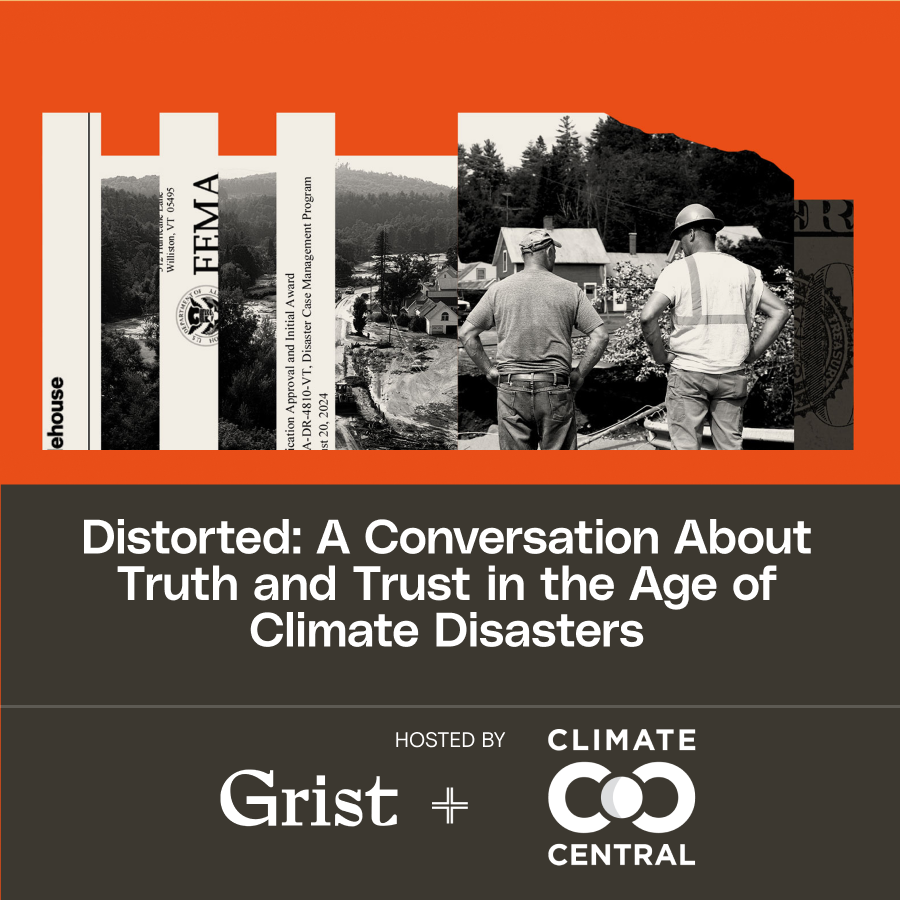
Furthermore, social media analytics from recent major weather events indicate that for every verified post from a government agency, there are dozens of unverified or intentionally misleading posts that receive significantly higher engagement. This "engagement gap" occurs because algorithms prioritize content that triggers strong emotional responses—typically anger or fear—over dry, factual safety information.
The panel will delve into these data points, analyzing how specific communication strategies can bridge this gap. By utilizing "pre-bunking"—the act of exposing people to the tactics of misinformation before they encounter it—experts argue that we can build a stronger, more resilient public consciousness.
Expert Perspectives: The Role of Media and Science
The panel features a multidisciplinary approach, recognizing that meteorologists, journalists, and researchers each play a distinct role in the information ecosystem.
- The Meteorologist: Their role has shifted from mere weather prediction to climate advocacy and public education. The challenge lies in translating complex atmospheric data into actionable advice that the average person can understand and trust.
- The Journalist: Traditional media faces the dual challenge of reporting facts under extreme pressure while debunking misinformation in real-time. The panel will explore how newsrooms can verify user-generated content (UGC) quickly and effectively.
- The Researcher: Scholars focusing on information warfare and cognitive psychology provide the necessary context for why certain misinformation sticks while truth often fails to gain traction.
Implications for Future Policy and Personal Practice
The upcoming event is not merely a theoretical discussion; it is a call to action for participants to improve their own information hygiene. Whether in professional settings or private conversations with family and friends, the way we share information has tangible consequences.
The organizers will offer concrete tips on:
- Vetting Sources: How to quickly verify whether a social media account or news site is reputable during an active emergency.
- Communicating Under Pressure: Strategies for calming anxious community members without spreading unverified claims.
- Digital Resilience: How to prepare one’s digital "go-bag"—identifying reliable offline information sources and establishing communication protocols with family before the internet goes down.
A Broader Context: Energy and Resilience
This seminar is part of a broader commitment by Grist to explore the complexities of a changing climate. As noted in their upcoming discussions, such as the October 20th webinar regarding Michigan’s energy future and climate resilience, the challenge of misinformation is inextricably linked to our physical resilience. If we cannot agree on the basic facts of the climate we are living in, we cannot effectively advocate for the infrastructure—such as modernized grids and resilient housing—that we need to survive it.
How to Participate
The virtual conversation represents a significant opportunity for the public to engage directly with the professionals who are shaping the future of climate communication. By fostering a more informed and skeptical citizenry, we can turn the tide against the misinformation that threatens to undermine our emergency response efforts.
Event Details:
- Topic: Combating Misinformation During Extreme Weather
- Date: October 28
- Time: 1:00 p.m. ET
- Format: Virtual Webinar
- Registration: Register via the Climate Central portal
As we face an increasingly unpredictable climate, the most important tool we have at our disposal is the truth. By participating in this dialogue, attendees will be better equipped to serve as reliable nodes in their own communities, helping to ensure that when the next storm arrives, the truth is the most widely shared story.
The battle for the truth is not just a job for journalists or scientists; it is a shared responsibility. In the digital age, being informed is an act of civic duty and, ultimately, an act of survival. Join the conversation on October 28 and help build a more resilient information landscape for us all.
